Fish behavior, toxic algae, and the role of the sea in climate. These are some of the topics that marine research can address. Diverse subjects, but with a common goal: to better understand what happens beneath the surface.
The oceans cover more than 70 percent of the Earth’s surface. Despite this, we know less about what happens in the ocean than in space. Marine research is about trying to fill these knowledge gaps. Increasing the fundamental knowledge about the ocean without directly pointing to any application is usually called basic research. But sometimes, basic research sparks thoughts on how the knowledge could be applied in society. Then, basic research becomes the foundation for so-called applied research that aims to solve a problem with direct benefits for society. Since the connection between humans and the sea is so significant, it is not uncommon for research projects to shift between basic and applied research.
The oceans are studied by a multitude of researchers in physics, chemistry, biology, and geology. All these subjects can be linked to oceanography, which is the study of the movements and properties of the sea. This is usually done through observations from expeditions, satellites, and the creation of models. Understanding the movement of water is crucial because it affects the climate worldwide.
Many oceanographers work on environmental, energy, and climate issues in government or the private sector. As an oceanographer, one can also engage in research. Oceanography is a science with a broad spectrum of topics such as ecosystem dynamics, ocean currents, and the flow of various substances in the sea. One who has dedicated her life to the sea is the oceanographer Sylvia Earle, who has become one of the internationally known forces for protecting and restoring the world’s oceans.
Oceanography differs from marine biology because it does not always involve studying what lives in the sea. A marine biologist focuses on living organisms in all parts of the ocean and seeks to understand dynamic interactions on different scales, from a specific location to global.
To understand the complexity of the ocean, oceanographers and marine biologists often combine several fields such as biology and chemistry. Weighing in multiple disciplines is particularly important today to create a comprehensive picture that can contribute to the efforts against climate change, pollution, and other factors threatening the oceans and marine life.
Since many places in the ocean are relatively inaccessible to researchers, technological measuring aids are often used today to study these areas. They can remain in the sea and keep measuring the water’s characteristics around the clock. This makes it easier to obtain more measurement values than if researchers had to travel to the measurement site for each reading.
Oceanographic measurement stations at sea are sometimes called ocean observatories where relevant data is collected for researchers. This can include temperature, salinity, and oxygen levels, as well as wind and waves. The Voice of the Ocean (VOTO) Foundation, for example, works to facilitate data collection for researchers. The team working on research and data collection at VOTO consists of oceanographic technicians and researchers. They use so-called gliders to collect data from five locations along the coast of Sweden, and this information can be closely followed through their observation portal.

US Secretary of State Marco Rubio is travelling to Iceland on Monday with the aim of increasing the country’s economic and military presence in the Arctic.
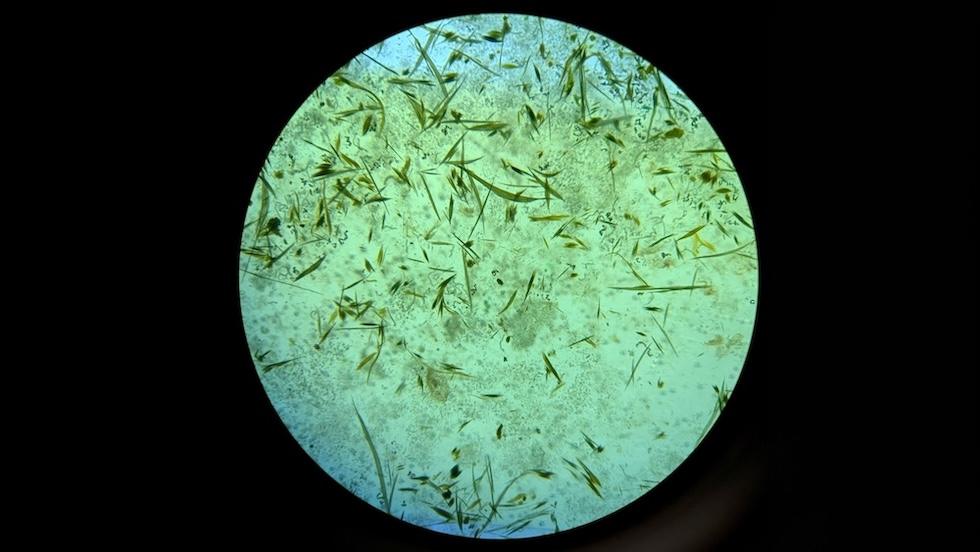
One of the world’s lowest salinity marine waters, the Gulf of Bothnia, faces major challenges with an increased risk of algal blooms. The reason is that phosphorus levels in the shallow inland sea are rising. This means that the delicate balance between phosphorus and nitrogen is being disrupted, which in turn affects which organisms thrive in the sea. The new study, led by researchers at Umeå University, shows that a fundamental change in the marine environment is about to take place.
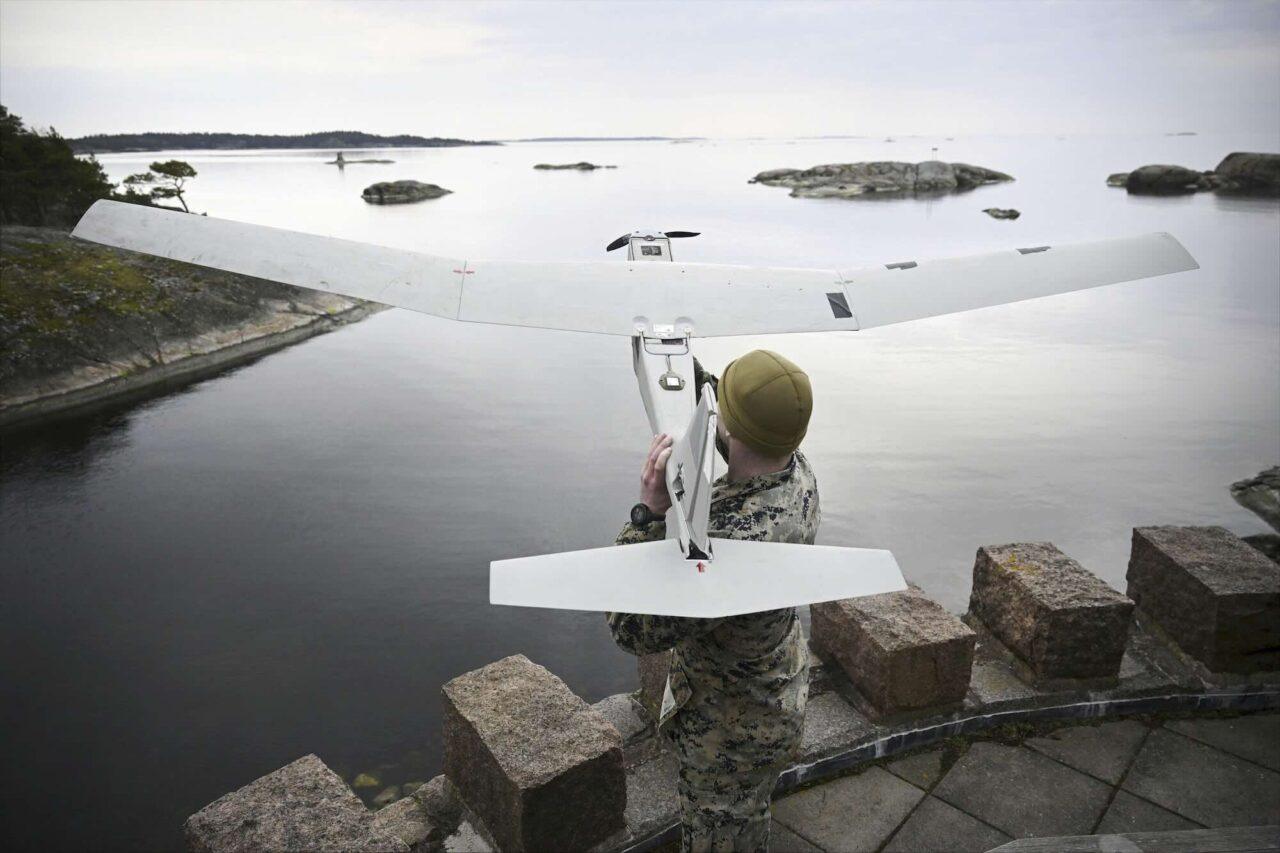
Around 50 US marines are being deployed to the Baltic Sea to assist Finland in monitoring and protecting, amongst other things, undersea cables.
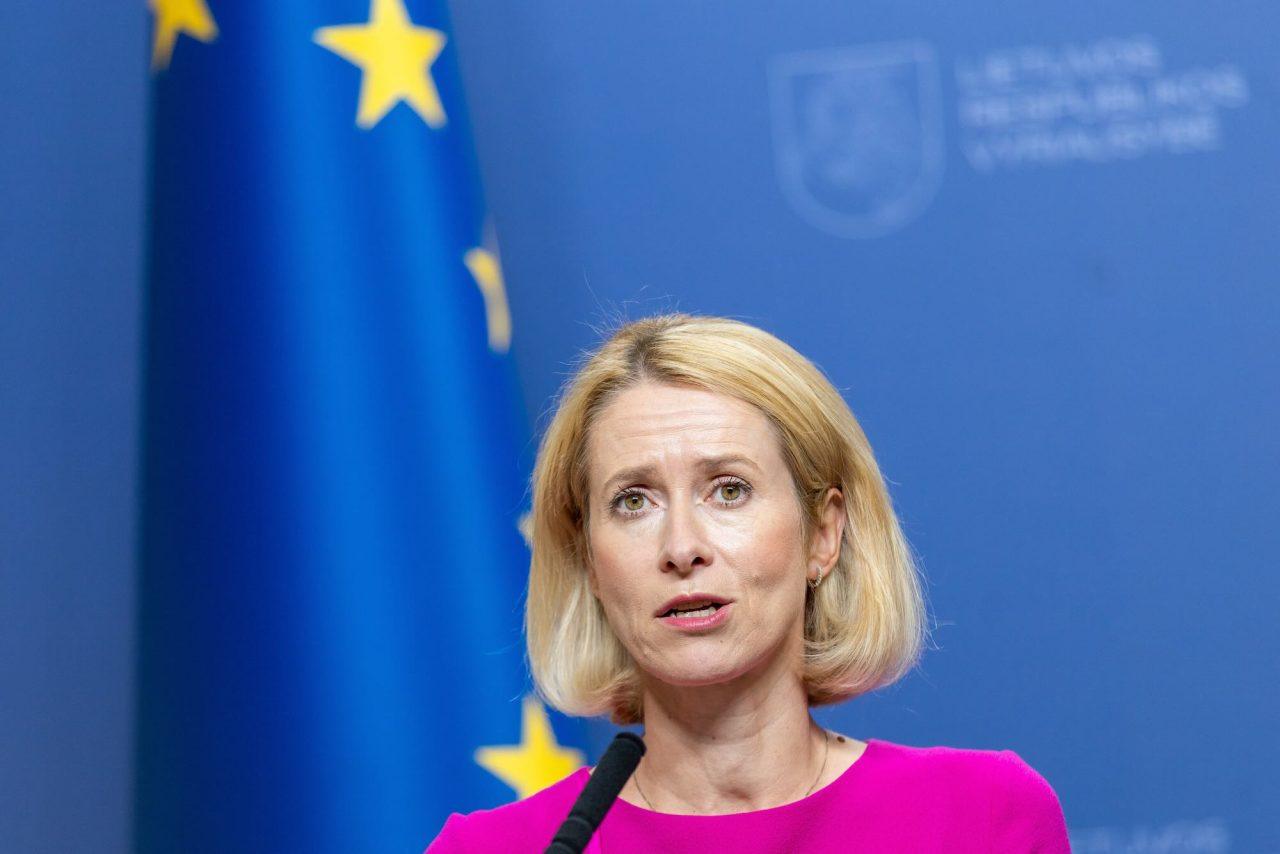
The EU’s High Representative for Foreign Affairs, Kaja Kallas, is calling for more ships to be deployed to the protection mission in the Red Sea.
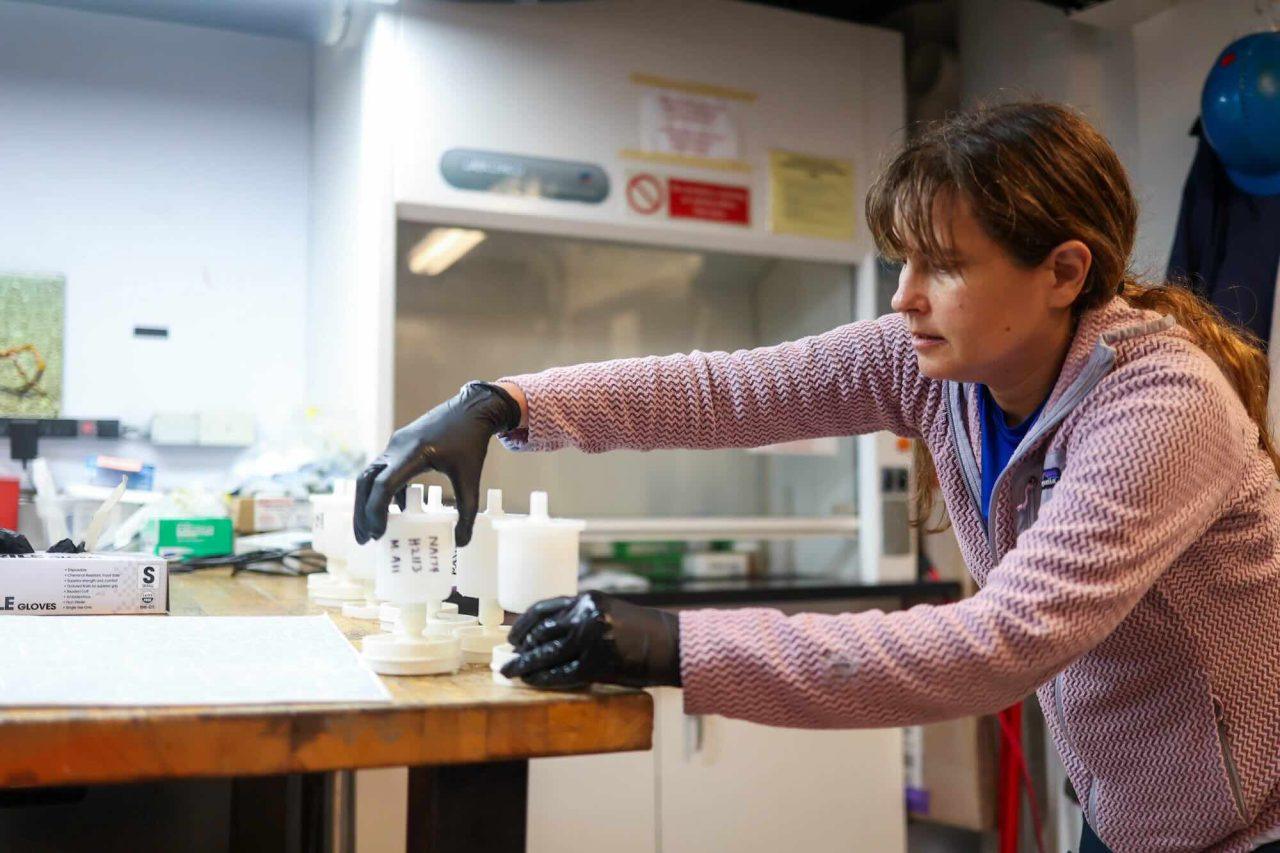
In recent years, biologist Annette Govindarajan has been exploring life in the deep sea using autonomous robots and environmental DNA. The goals are to reveal who lives at these depths – and where.
The EU is set to extend a ban on oil and gas drilling in the Arctic this autumn, according to a spokesperson for the European Commission.
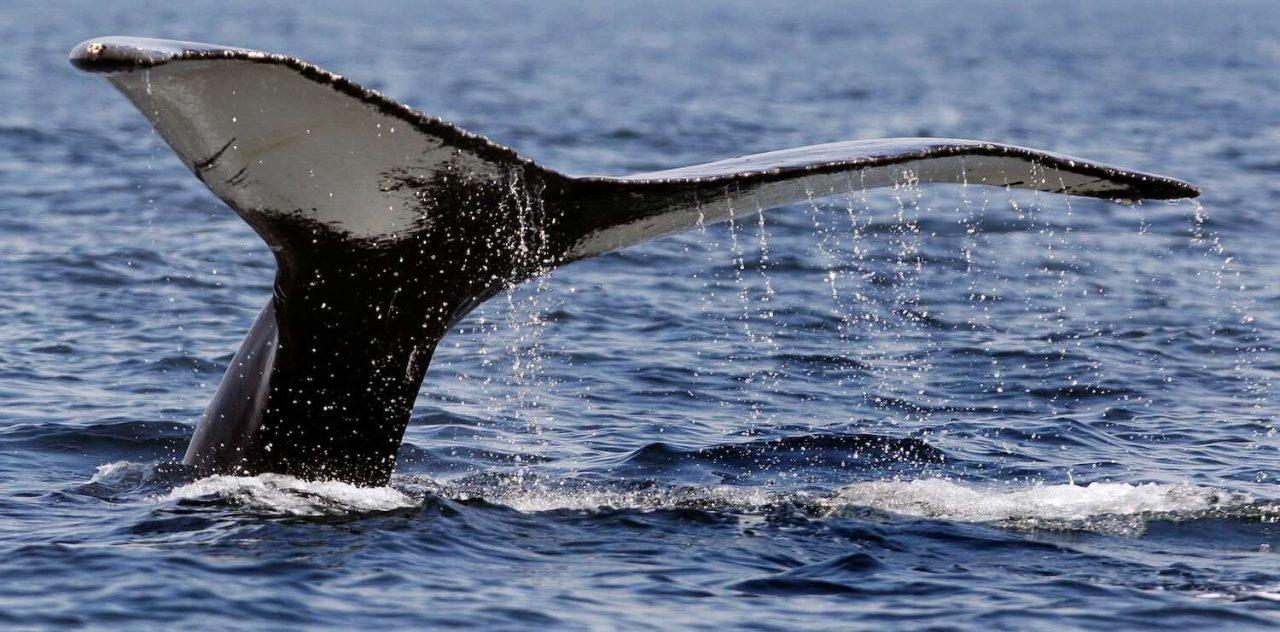
She stayed close by and remained with her dead calf for a long time. A rare observation of a female killer whale that had lost her calf provides new insight into how whales grieve. Unlike toothed whales, where females have been seen lifting their dead calves to the surface, the female killer whale remained beneath the surface with her calf.
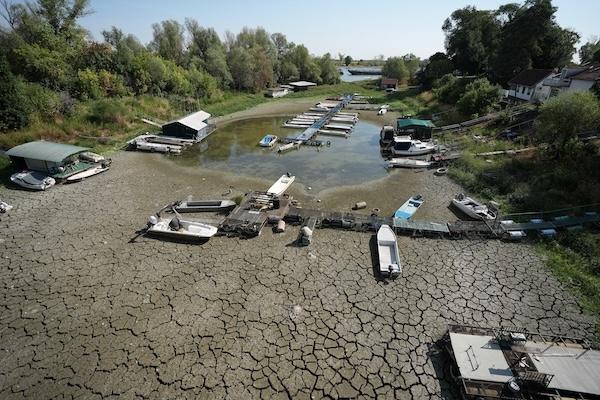
The Earth’s water system is out of balance. Freshwater reserves are dwindling and most rivers have not flowed normally over the past seven years, according to a new UN report. ´The main message is that water availability has declined in recent years,´says SMHI hydrologist Yeshewatesfa Hundecha.
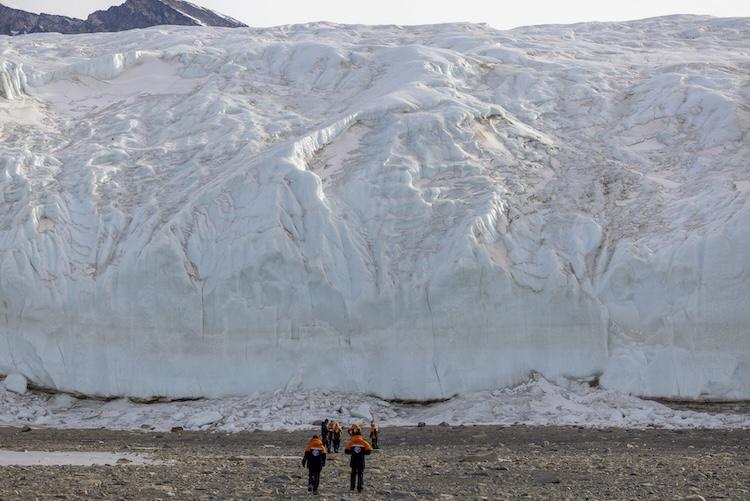
Greenland and Antarctica have lost 11.3 trillion tonnes of ice since the 1970s. This has raised global sea levels by more than three centimetres, according to a new study.

On 13 September, Sweden will hold a general election. During Almedalen Week in June 2026, Deep Sea Reporter put some key ocean and water-related questions to representatives of Sweden’s parliamentary parties. See their answers in the report.
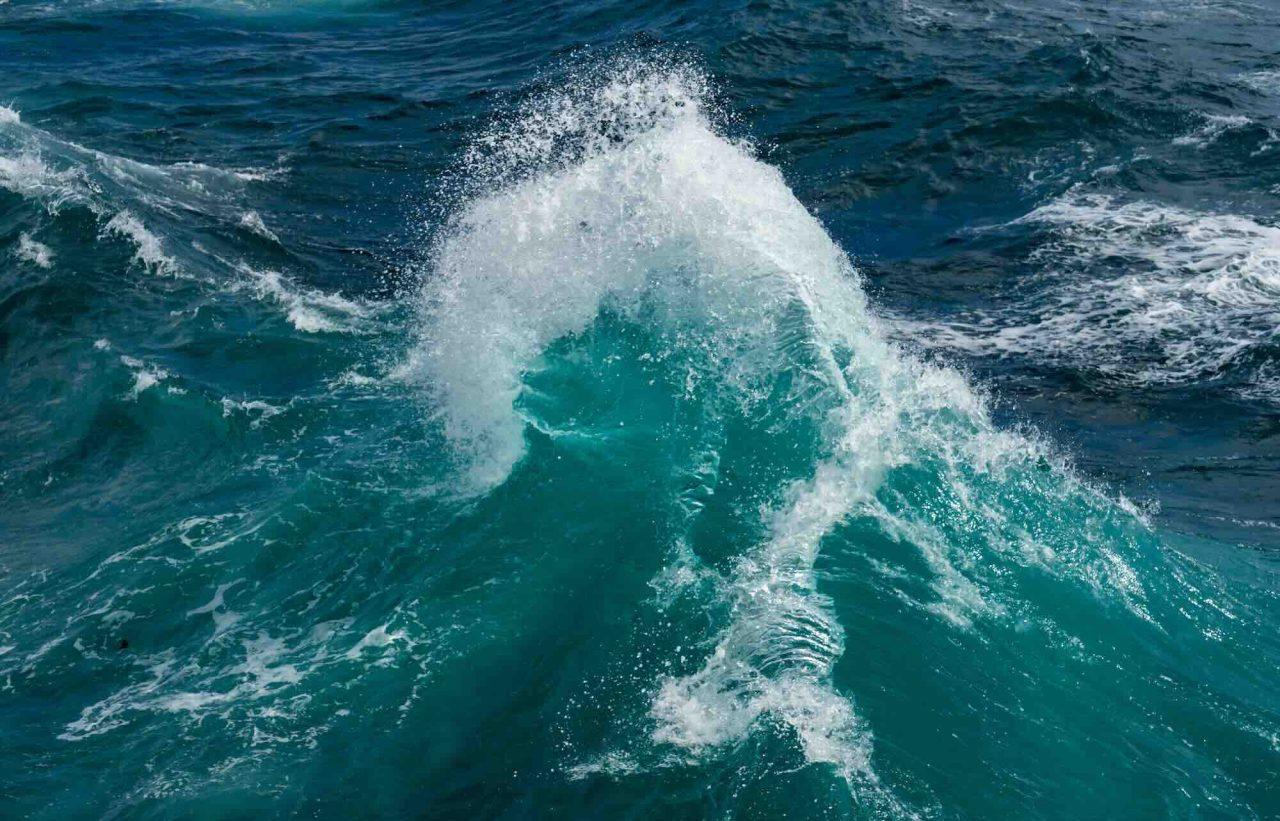
Since Sweden signed the global ocean treaty BBNJ, the government has said it is working swiftly to ratify it, with the goal of completing the process during 2026. A legislative council referral has now been submitted. But critics argue the matter has still been handled too slowly, and that the target risks being missed.
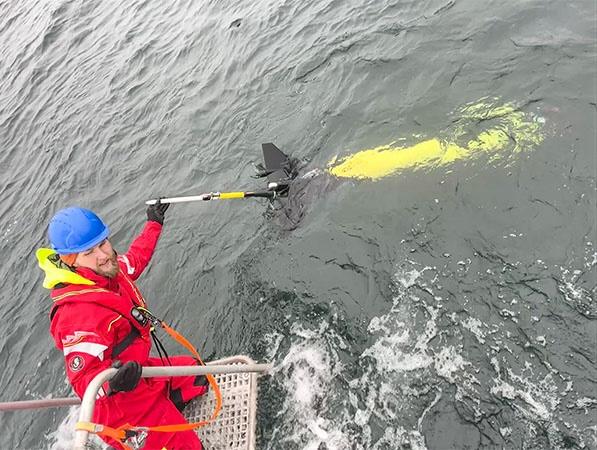
The ocean tells us about the state of our planet - today and in the future. The EU has now decided to allocate more funds to improve coordination and data collection. The so-called Ocean Eye initiative, with an initial budget of €50 million, aims both to safeguard Europe’s independence and to invite international partners to participate in the vital work of gathering observations above and below the surface.
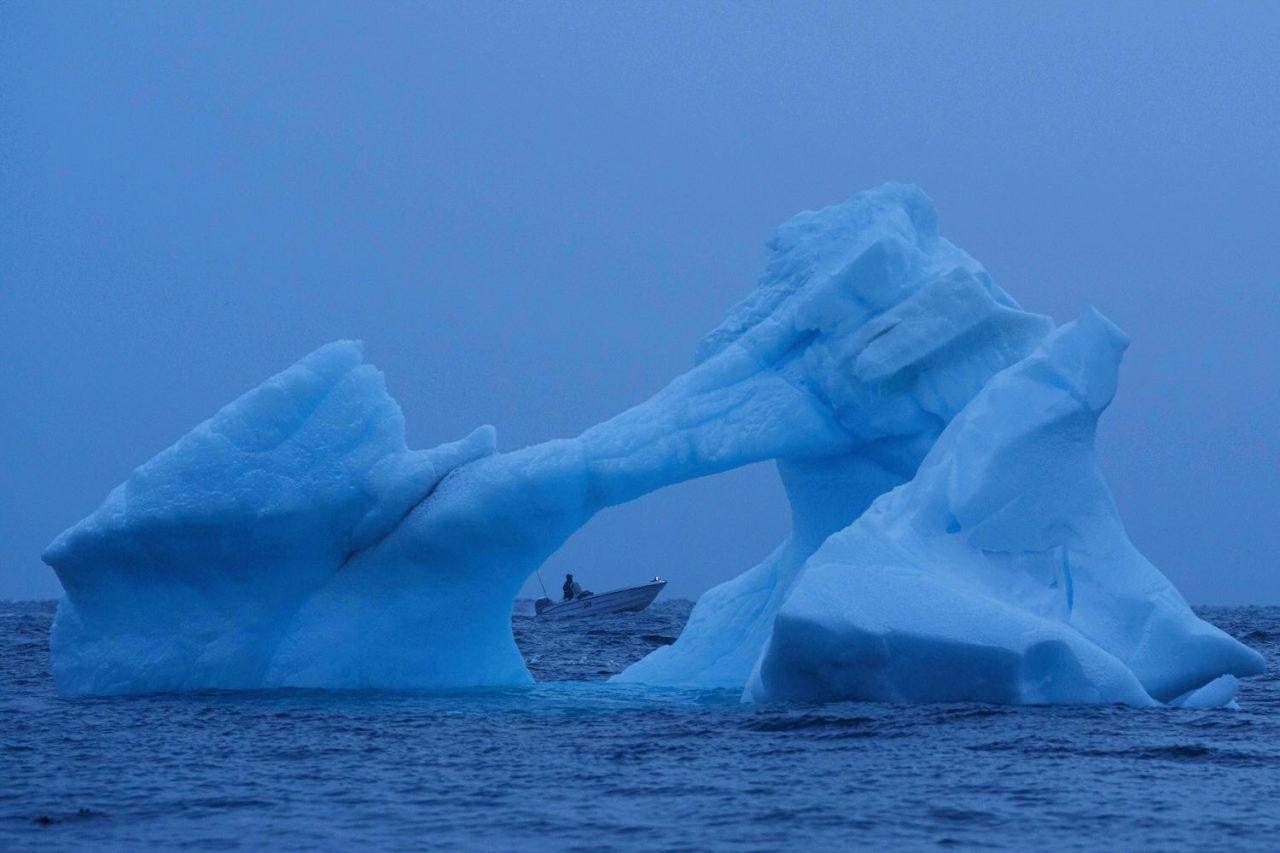
Is the Gulf Stream on the verge of collapsing and causing chaos in the Earth’s climate? Several high-profile reports have warned that this is about to happen. But this is one of the few climate issues on which the scientific community remains deeply divided. Men frågan är en av få klimatfrågor där forskarvärlden fortfarande är djupt oenig.
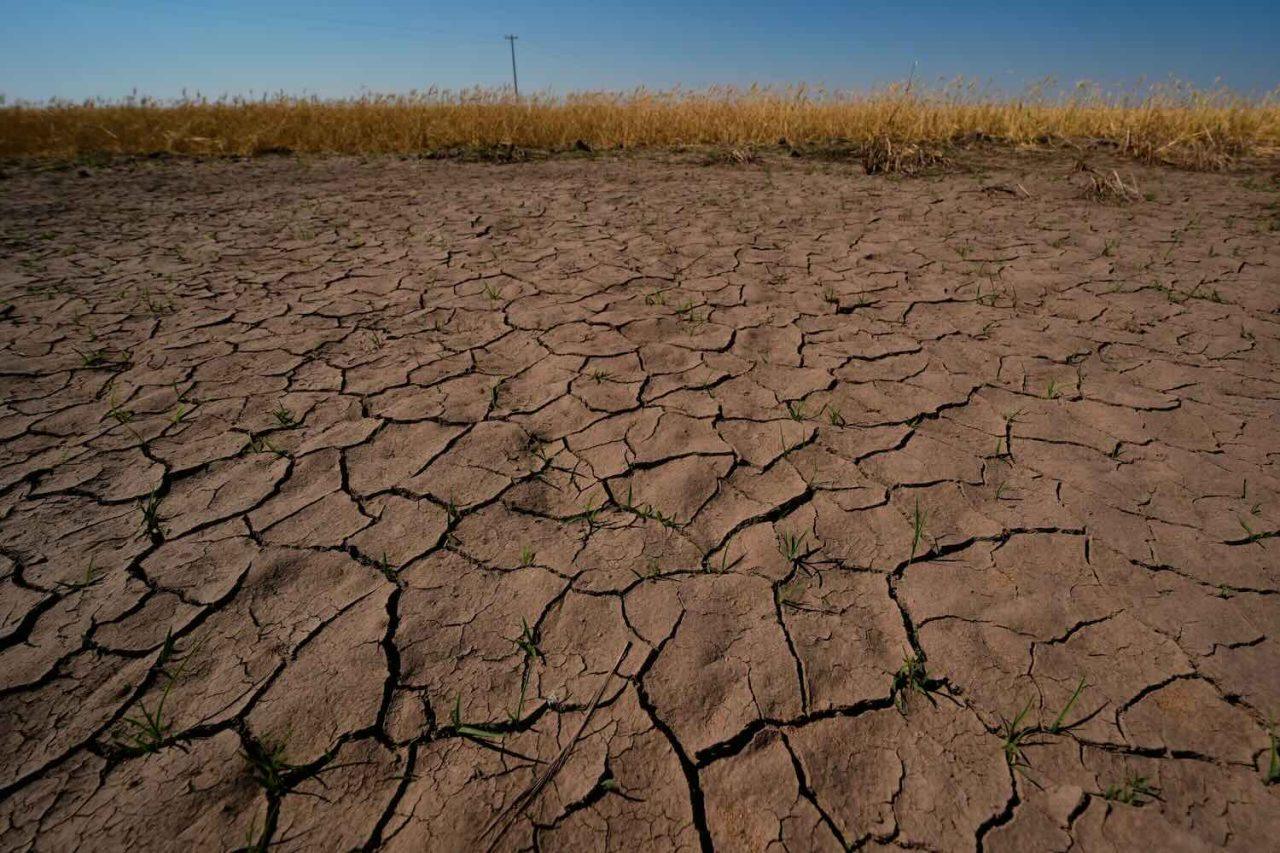
According to a new study, the El Niño weather phenomenon is becoming more intense as a result of climate change.
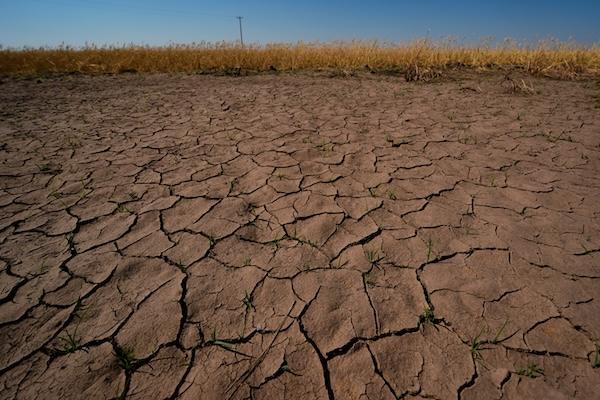
El Niño events are around 36 per cent more intense than they were before industrialisation. And this trend has accelerated over the last four decades.
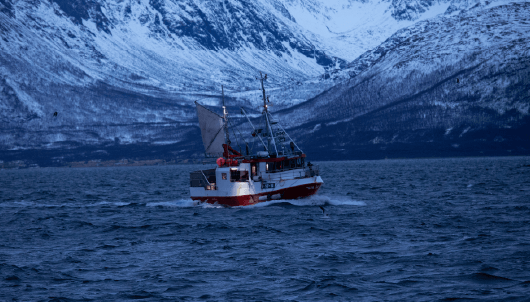
The herring and cod off the coast of Northern Norway almost disappeared completely when new methods made it possible to catch ever-increasing quantities. But when the sea had been almost depleted, fishing was halted, and since then the fish have slowly returned.
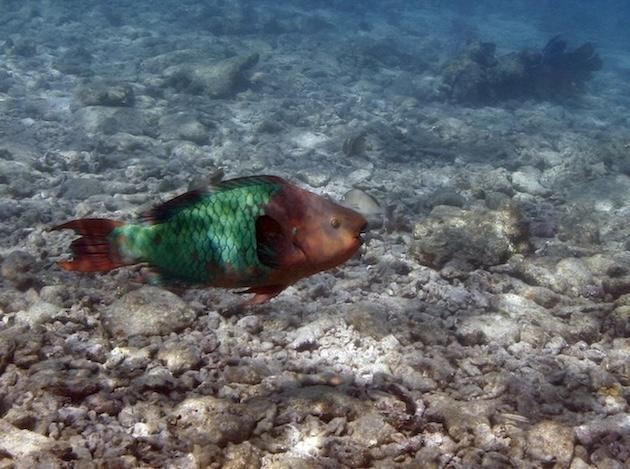
The average sea-surface temperature has exceeded 21.1 degrees. It has not been this warm for as long as records have been kept. The record was set on 21 August, according to the EU’s Copernicus Climate Change Service, whose data series outside the polar regions dates back to 1979. What stands out is that the temperature […]
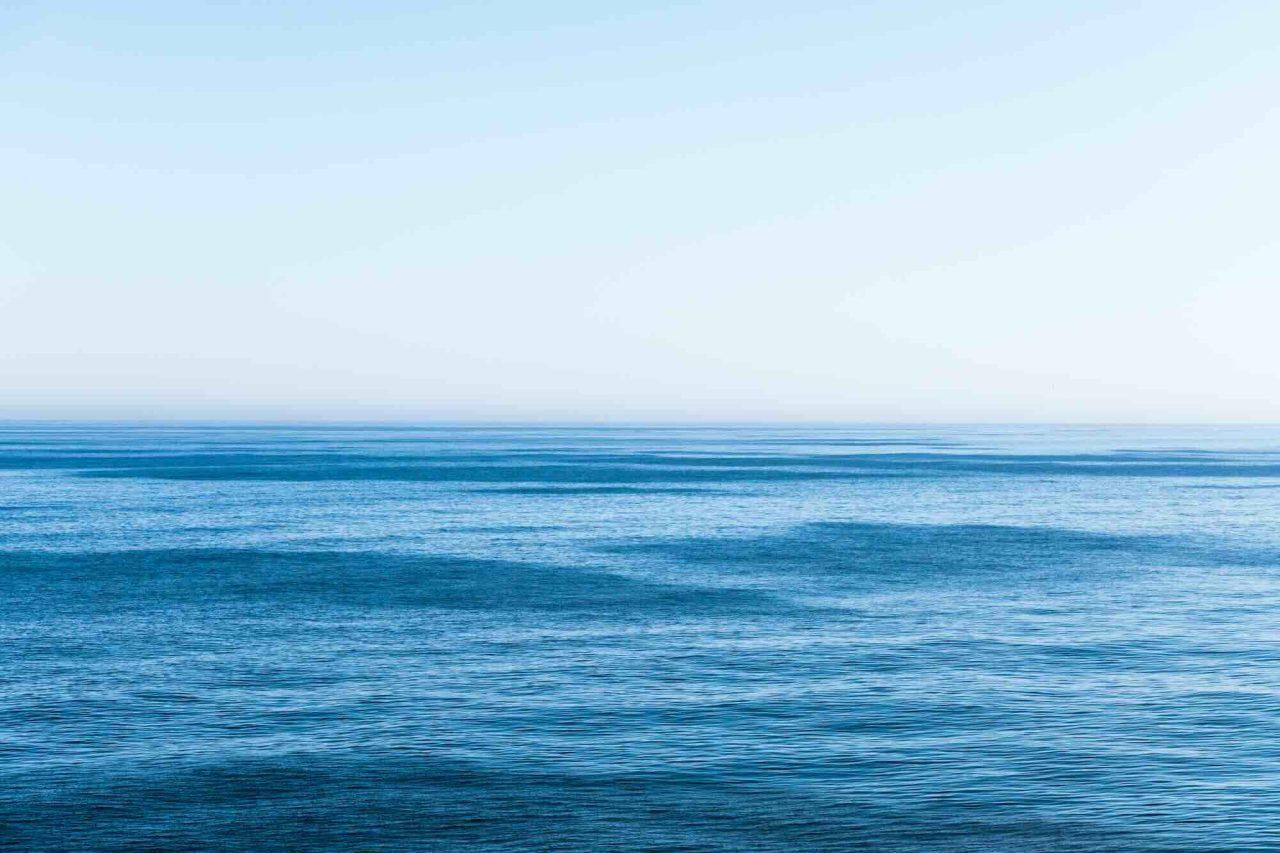
The ocean’s remarkable ability to absorb almost all the excess heat we produce is beginning to wane. There are many reasons for this, and the ones that receive the most attention in the media and in research are global warming and the fact that the water is becoming increasingly acidic. But what is also happening is a rapid loss of dissolved oxygen. Put simply, the sea is running out of oxygen. And a sea that is gasping for breath is a cause for concern for the entire planet.
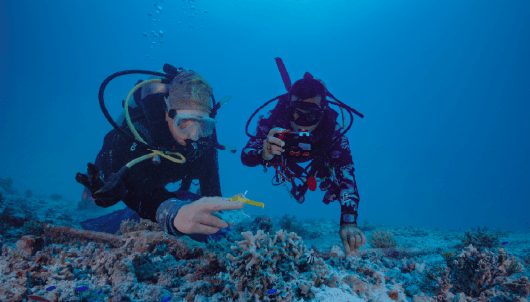
‘Bikini Reborn’ is a follow-up to the documentary “Ocean Dreams”, a film about the ocean’s resilience when we leave it alone. When it is given a chance to heal, life can return. In ‘Bikini Reborn’, you can follow coral researchers Sylvia Jagerroos and Didier Zoccola as they dive at the Bikini Atoll in search of surviving corals.
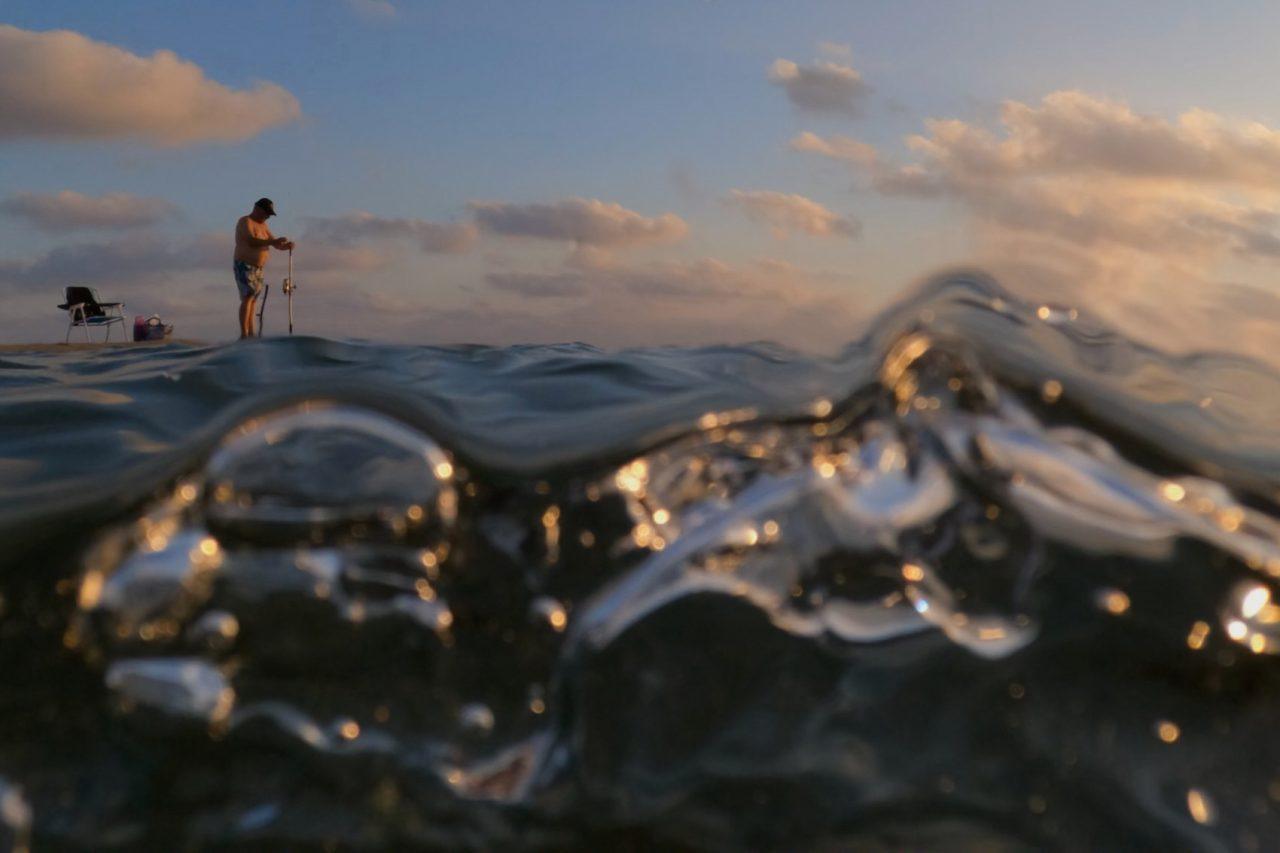
Octopuses appearing off the coast of Scotland and ‘paddling pool’ temperatures of 33 degrees off the coast of Mallorca. For two weeks in July, parts of the Mediterranean were warmer than ever before. The WWA research network has now calculated that such temperatures would have been impossible without human emissions.
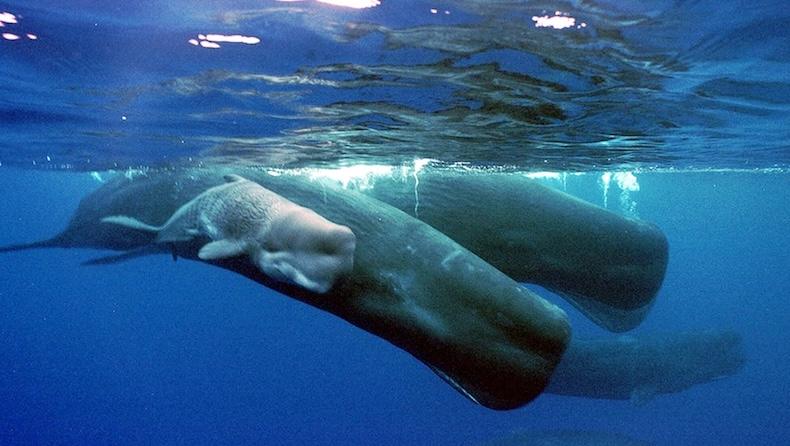
The sperm whale, the world’s largest toothed whale, has the largest brain on Earth. It also produces complex clicks which, according to a new study, resemble human speech. The study, published in the *Proceedings of the Royal Society*, is based on analyses of recordings made of sperm whales in the waters off the island of […]
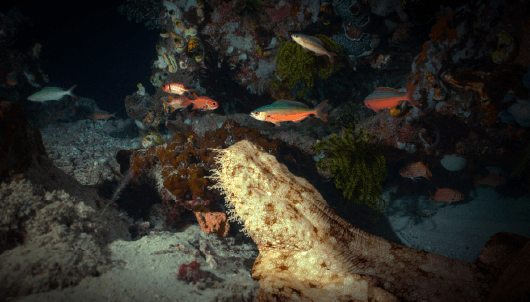
During a night dive in Raja Ampat, Indonesia, documentary filmmaker Johan Candert manages to film a wobbegong shark catching its prey. “In the hundreds of dives I’ve done here, I’ve never seen that,” says Mark Erdmann, an ecologist specialising in coral reefs, who lives and works in Raja Ampat for much of the year.
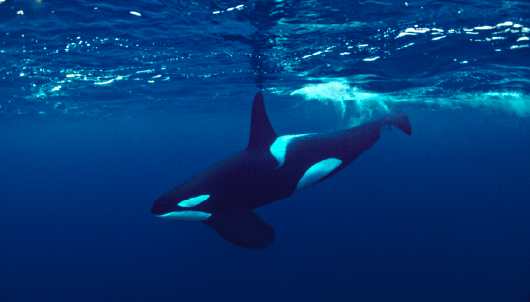
What’s it like to swim alongside some of the ocean’s largest predators? Join underwater photographer Göran Ehlmé, one of the first people in the world to dive with and film orcas. “It was naturally a bit nerve-wracking at first,” he says.
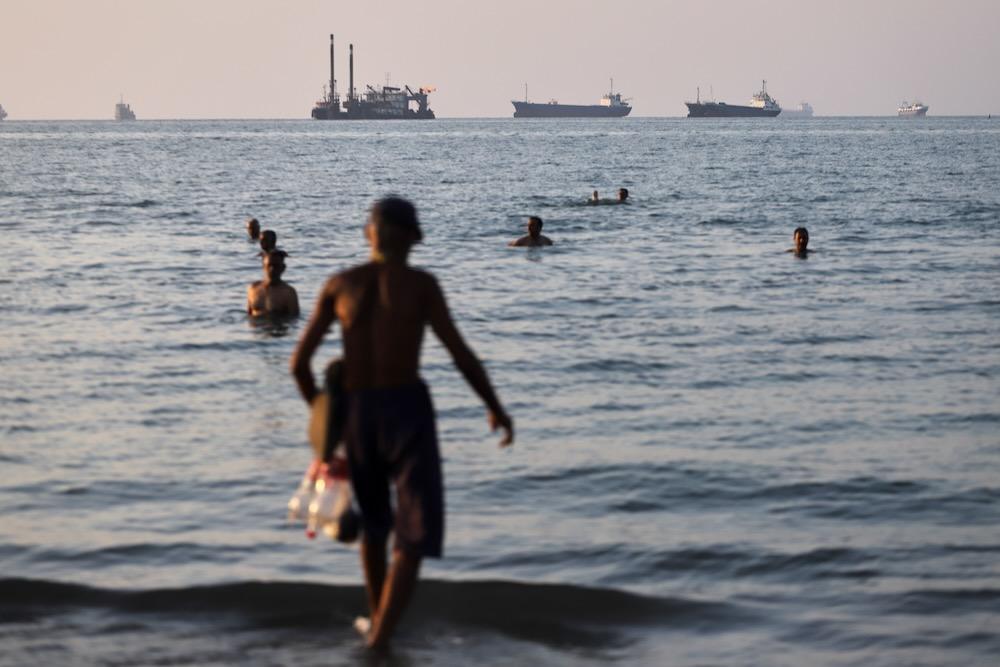
Invasive species from the Strait of Hormuz could cause “super-spread” and biological chaos, researchers warn in a new study. ´If you’d set out to design the worst-case scenario, I’m not sure you could have done any better,´ the lead author tells The Guardian. The 1,500 cargo ships that have been stranded in the Strait of […]

