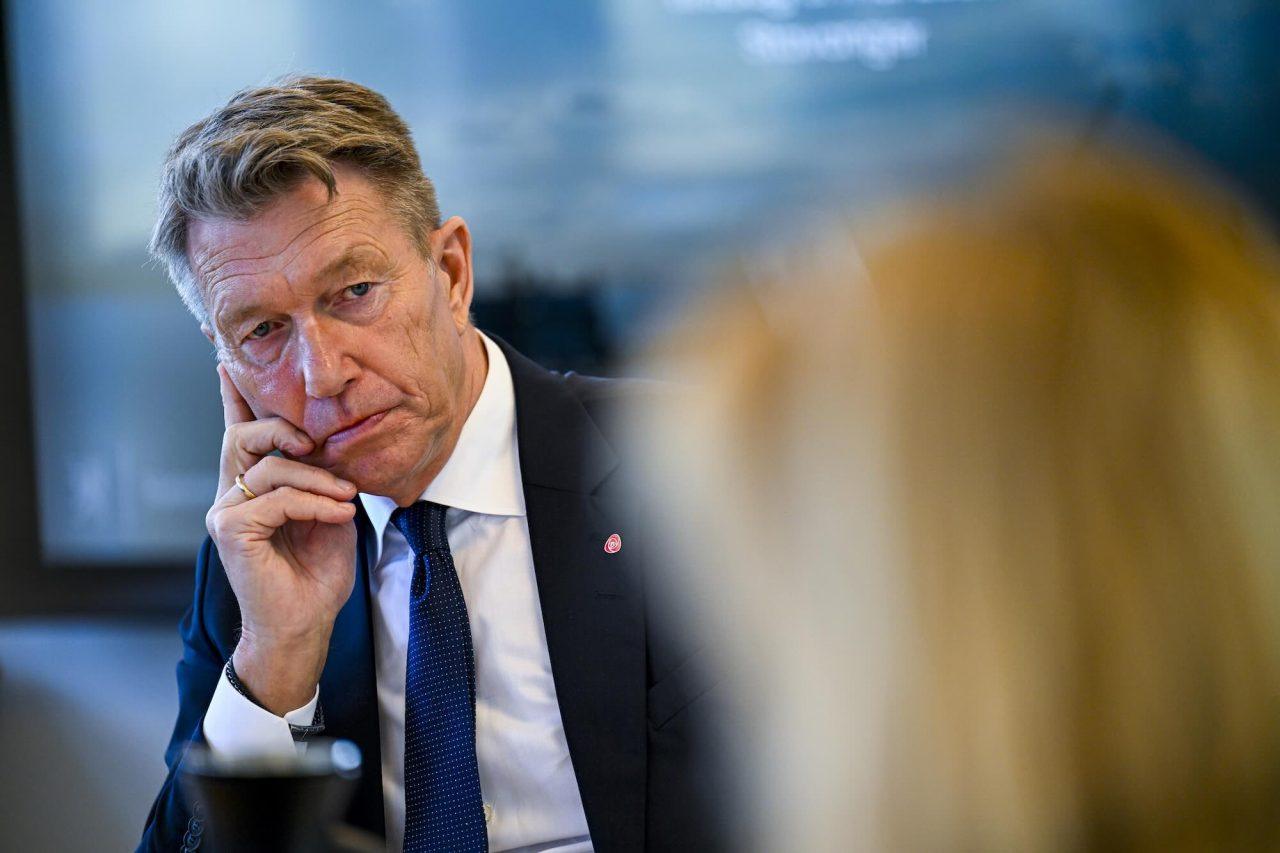
The EU is set to extend a ban on oil and gas drilling in the Arctic this autumn, according to a spokesperson for the European Commission.
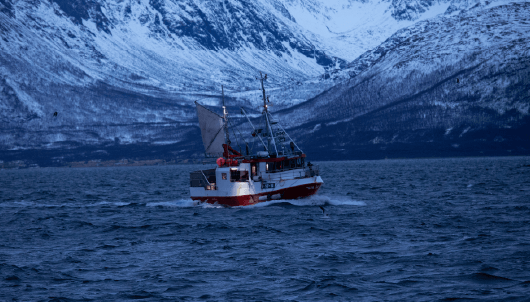
The herring and cod off the coast of Northern Norway almost disappeared completely when new methods made it possible to catch ever-increasing quantities. But when the sea had been almost depleted, fishing was halted, and since then the fish have slowly returned.
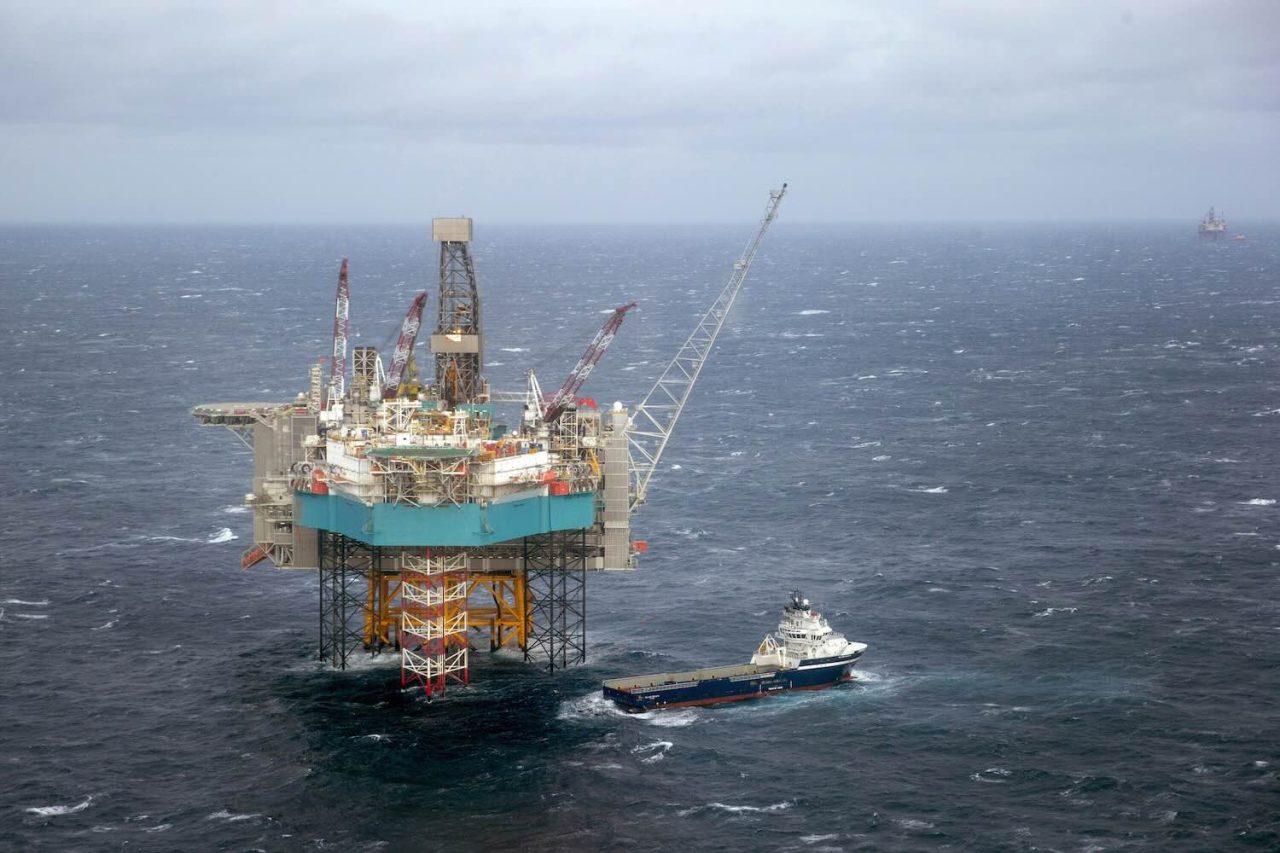
Norwegian politicians, officials and lobbyists are pushing to have the EU’s ban on new oil and gas exploration in the Arctic lifted, reports Bloomberg. This pressure comes ahead of the EU’s adoption of new guidelines for the Arctic at the end of September.
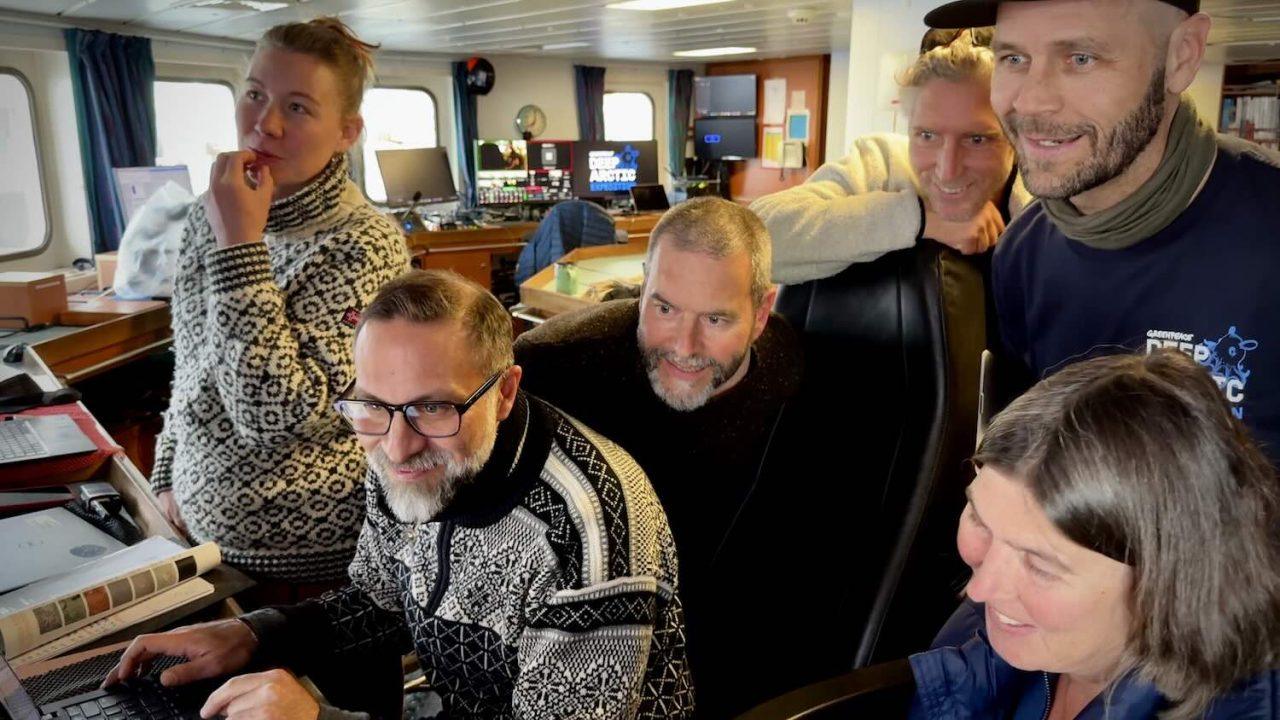
During an ongoing deep-sea expedition, researchers have discovered several previously unknown species in the Arctic deep sea. Paco Cardenas is a taxonomist and expert on tunicates at Uppsala University, and in just a few days has identified at least three species that have yet to be named.
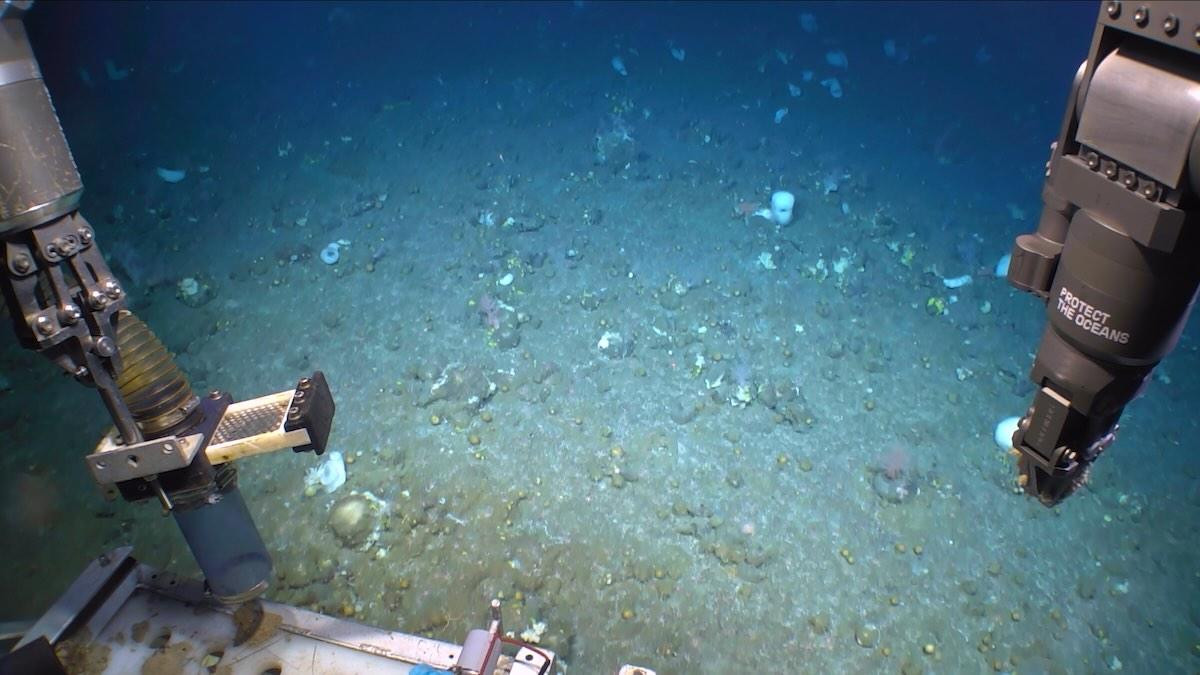
A month-long deep-sea expedition will investigate the unexplored life hidden at depths of more than 1,000 meters in the Arctic. The expedition is being carried out by the environmental organization Greenpeace, which aims to prevent the area from being opened up for mining.
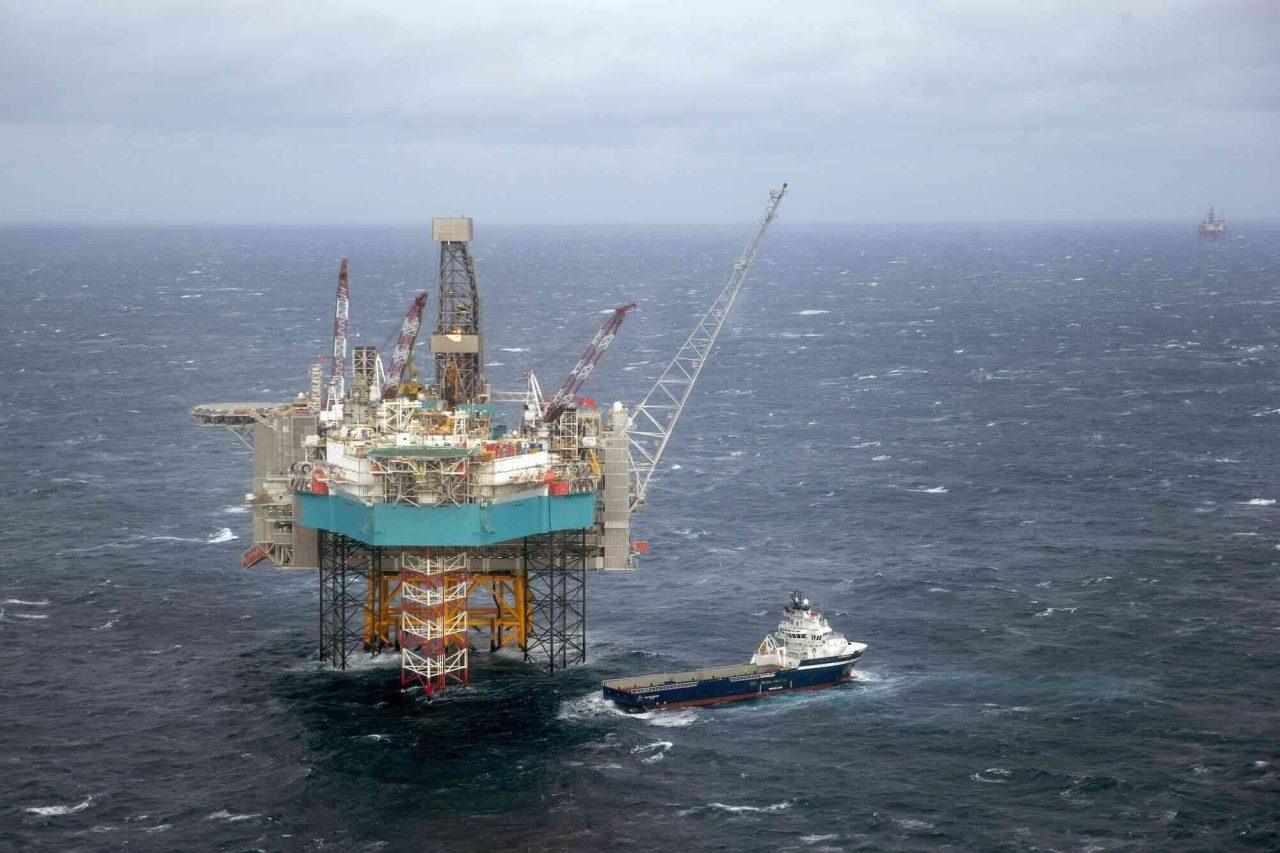
The Norwegian government is opening up 70 different areas—known as blocks—in the North Sea, the Norwegian Sea, and the Barents Sea for exploration of new oil and gas deposits.

It all began with a series of articles that sparked strong reactions in Norway. The two journalists and authors, Kjetil Østli and Simen Sætre, had investigated the consequences of large-scale salmon farming in Norway, which in just a few decades had grown into one of the country’s leading and most profitable industries.

The UK and Norway have carried out a military operation to deter Russian submarines suspected of “hostile activities” in the North Atlantic.

Over 54 million salmon died in Norwegian fish cages last year, and the total loss amounted to 67 million farmed salmon, according to the Norwegian Directorate of Fisheries. This corresponds to a loss of 16-18 per cent, according to the Norwegian Institute of Marine Research.

Over 200,000 cod have died at a fish farm in Nordland, Norway. A new virus is behind the mass deaths.

The Norwegian Ministry of Energy has awarded shares in 57 new licences for oil and gas extraction on the Norwegian continental shelf, the authority writes in a press release.

When diver Micke Tilja was diving at Saltströmmen in northern Norway, he found several abandoned fish cages on the seabed. In one of them, he found a trapped, injured cod, which he decided to rescue.

Norway had plans to start deep-sea mining for rare minerals. Now the project has been put on hold until 2029.

Norway and the United Kingdom are to enter into a new defence agreement which, among other things, will involve a joint fleet of warships ‘hunting Russian submarines,’ according to the British government.

Does it make any difference to cod whether they are caught by a hook in their mouth or by a net? Off the Norwegian coast, researcher Marco Vindas and his team are lowering cages, nets and longlines to find the answer to that question. Which fishing method is worst and which is best – for cod? Now he has the answer.

Norway is tightening controls on foreign oil tankers in its economic zone. The aim is to get at Russia's so-called shadow fleet.

This year's salmon fishing season in Norway started on 1 June, but it has not been quite the same as usual because wild salmon are disappearing from Norwegian rivers. At a third of all fishing spots, there are so few salmon that fishing will remain closed for the entire season. ‘It has never been worse,’ says Torbjørn Forseth, senior researcher at the Norwegian Institute for Nature Research and chairman of the Scientific Council, to DN (Dagens Næringsliv).
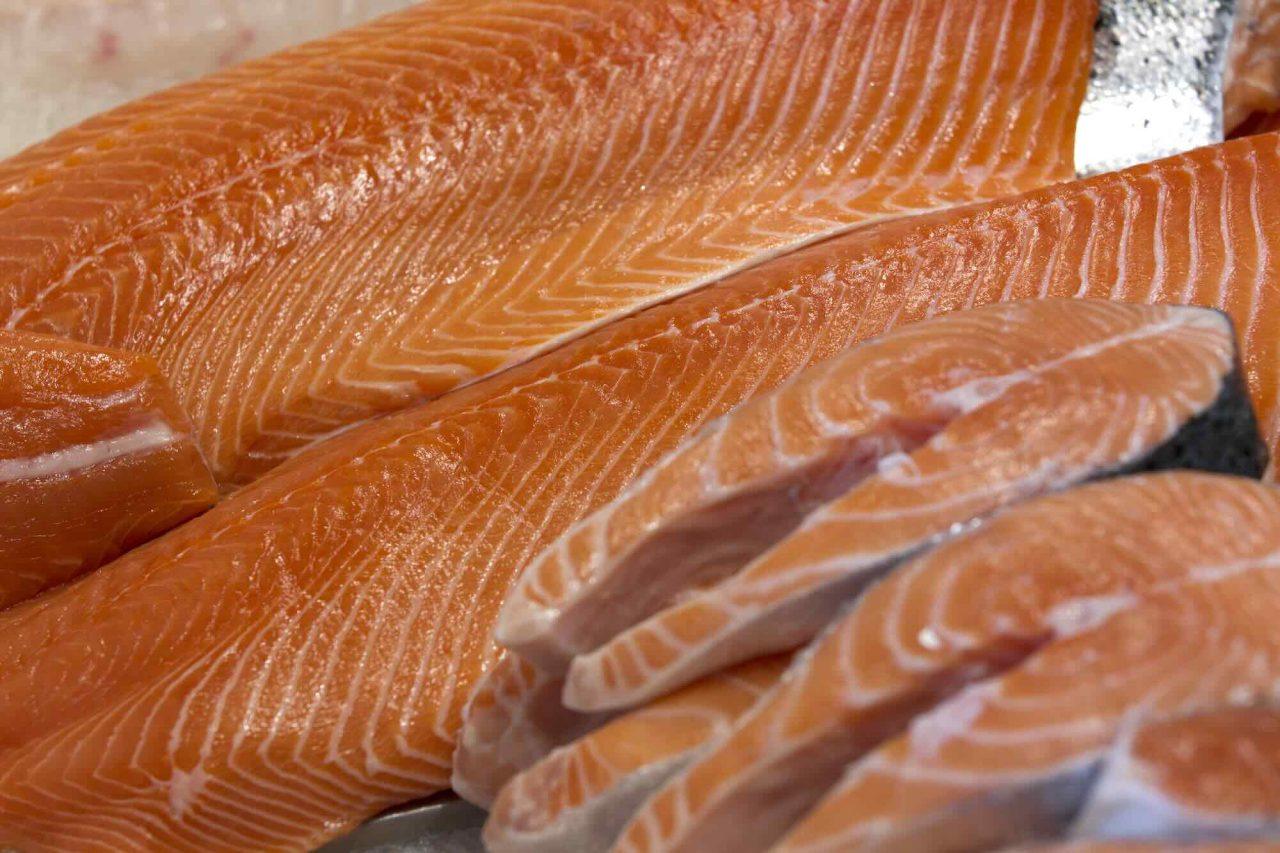
Norway's seafood exports to the US increased by 56% in the first quarter of the year, ahead of President Donald Trump's decision on tariffs.

There was a press release from the Norwegian government the other week that nobody seems to have noticed. It was a decision to increase the whaling quota this year from last year's 1157 whales to 1406 this year.
Gör det någon skillnad för torsken om den fångas av en krok i munnen eller av ett garn? Utanför den norska kusten släpper forskaren Marco Vindas och hans team ner burar, nät och långlinor för att ta få svar på den frågan. Vilken fångstmetod är sämst och vilken är bäst – för torsken. Nu har han svaret.

The Norwegian government has awarded 53 new licences for oil and gas production on the Norwegian continental shelf in the North Sea, Norwegian Sea and Barents Sea.

The Norwegian Directorate of Fisheries and Coast Guard recently carried out a number of inspections on Norwegian herring trawlers in the south-eastern North Sea, and the results are alarming.

The alleged ‘spy whale’ Hvaldimir was shot dead, claim the organisations One Whale and Noah. The animal rights organisations have filed a police report in connection with the whale's death, they said in a press release.

A research expedition in the North Atlantic has found several groups of sperm whales along with many other whale species in an area where Norway wants to conduct deep-sea mining.

