More than 70 percent of the Earth’s surface is covered by water and it is sometimes referred to as “the blue planet.” Most original life forms evolved in the ocean, and to this day, the marine environment maintains a biodiversity not found in any other ecosystem. Humans are highly dependent on the ocean.
The expression “the seven seas” was used in the past by sailors who sailed across all the world’s oceans. These include the North Pacific Ocean, South Pacific Ocean, North Atlantic Ocean, South Atlantic Ocean, Arctic Ocean (Northern Ocean), Southern Ocean (Antarctic Ocean), and the Indian Ocean. The world ocean, also known as the oceans, is defined as the interconnected water area surrounding the Earth’s continents. The world ocean is divided into three oceans: the Pacific Ocean, the Atlantic Ocean, and the Indian Ocean, with the Pacific Ocean being the largest, covering over 30 percent of the Earth’s surface. Sometimes, the Antarctic Ocean is also considered a separate ocean. The three oceans include delimited seas or sub-seas. A sub-sea or semi-enclosed sea is a delimited part of an ocean. For example, the North Sea, the Arctic Ocean, and the Mediterranean Sea are sub-seas of the Atlantic Ocean.
Several of the world’s seas are relatively warm, but the average temperature of the world’s oceans is only around 3.5 degrees Celsius. This is because the large deep-water basins consist of cold polar water.
A large portion of the open sea areas does not belong to any individual country and is often referred to as the “high seas” or deep sea. These areas constitute almost half of the Earth’s surface, two-thirds of the world’s ocean area, and 95 percent of the world’s ocean volume. The deep sea is not subject to national laws and, in practice, belongs to everyone. The United Nations has long negotiated how these areas should be managed. After more than ten years of intense negotiations, the UN adopted a new binding treaty for the sustainable use of biodiversity in areas beyond national jurisdiction in 2023. This is a step towards fulfilling the global commitments of the international biodiversity agreement from 2022, where the goal is to protect at least 30 percent of the ocean by 2030.
Despite the ocean being a place where various organisms thrive, there are many extreme environments in the sea. From temperatures below freezing to near boiling points in hot underwater springs. Where the sea meets the land, the waves are powerful, UV radiation is high, and it is home to a large biodiversity. Some organisms utilize a wide range of habitats, while others specialize in a single type of environment.
The deep sea is a hostile environment for us humans. At a depth of 30 meters, most light is gone, at 70 to 80 meters, most of the oxygen disappears, and the pressure at the bottom is high. Therefore, very little of the deep sea has been explored. In fact, barely five percent of the ocean’s depths have been explored by humans. Researchers also know less than they would like about the organisms that can live in the deep sea. Moreover, they cannot be brought up and studied in aquariums or laboratories because they are adapted to withstand the high pressure in the depths of the sea.
To live in the depths of the oceans, where light does not reach, animals must adapt to life in darkness. Many have large mouths, light organs, or large and extra light-sensitive eyes. There is also a diversity of microorganisms living in this challenging environment. The fact that life can exist under such extreme conditions without oxygen or sunlight has led researchers to consider that there might be life on other planets that we have previously thought to be lifeless.
Although we still know very little about the organisms of the deep, it is known that overfishing and bottom trawling can also affect deep-sea animals. Many organisms are still undiscovered and therefore at risk of disappearing if fishing continues as it has done so far.
The Mariana Trench in the Pacific Ocean is the world’s deepest place in the sea. The maximum depth is Challenger Deep, which is approximately eleven kilometers below the sea surface. At the same time, the average depth of the world’s oceans is about 3700 meters. Sweden’s deepest point is 560 meters in Bratten in Skagerrak, and the Baltic Sea’s deepest point, Landsort Deep at 459 meters, is west of Gotland.
Ecosystem services
The world’s oceans and seas are a significant asset for us humans. The oceans provide us with a multitude of services. To remind us of the importance of the oceans and the need to protect them, June 8th has been designated as World Oceans Day by the United Nations. But there are more reminders of how important the ocean is in our daily lives.
World oceans give us more than just food. They produce more than half of all the oxygen in the atmosphere through photosynthesis, absorb greenhouse gases, and contribute to tourism. Some well-visited tourist destinations at sea include Gotland, the Koster Islands, and other archipelago areas.
Additionally, hundreds of millions of people depend on fish and other resources from the sea. More than 38 million people are employed in the fishing industry worldwide. The oceans are also widely used as transportation routes.
Coastal ecosystems such as coral reefs, seagrass beds, and mangrove forests are crucial places for the young. They are also significant for people living on the coast as they act as a protection zone against floods, storms, and can serve as wave breakers and erosion protection.
TEXT: Lina Mattsson
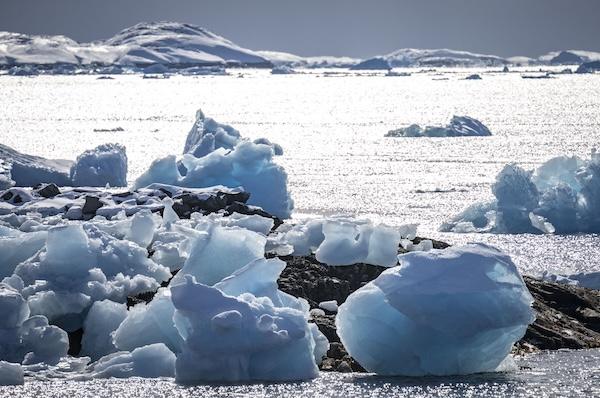
More icebreakers and an undersea cable to Greenland are included as the European Commission sets out a new strategy for the Arctic.
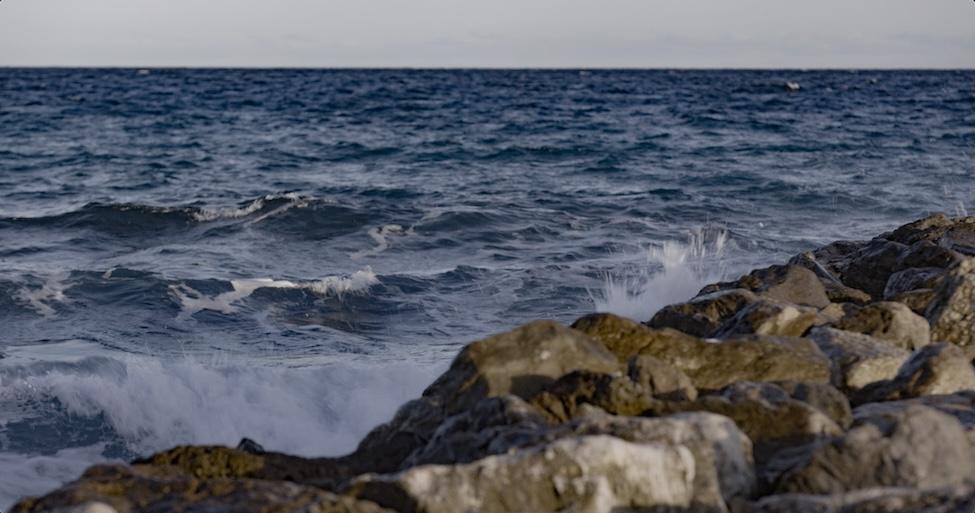
Twelve migrants have died in two boat accidents in the Mediterranean, according to the Greek authorities. Both accidents are reported to have taken place in the Aegean Sea between Greece and Turkey. According to the Greek coastguard, six people died in a collision with a police boat off the island of Lesbos. Four women and […]
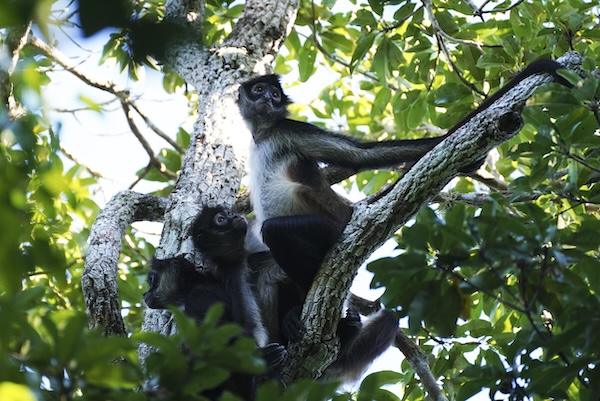
In four years’ time, several key targets for the world’s wildlife and natural environment are due to be met – but progress is slow. How to achieve the targets set out in the ‘Paris Agreement for Nature’ is the focus as the UN Conference on Biological Diversity convenes for the 17th time.
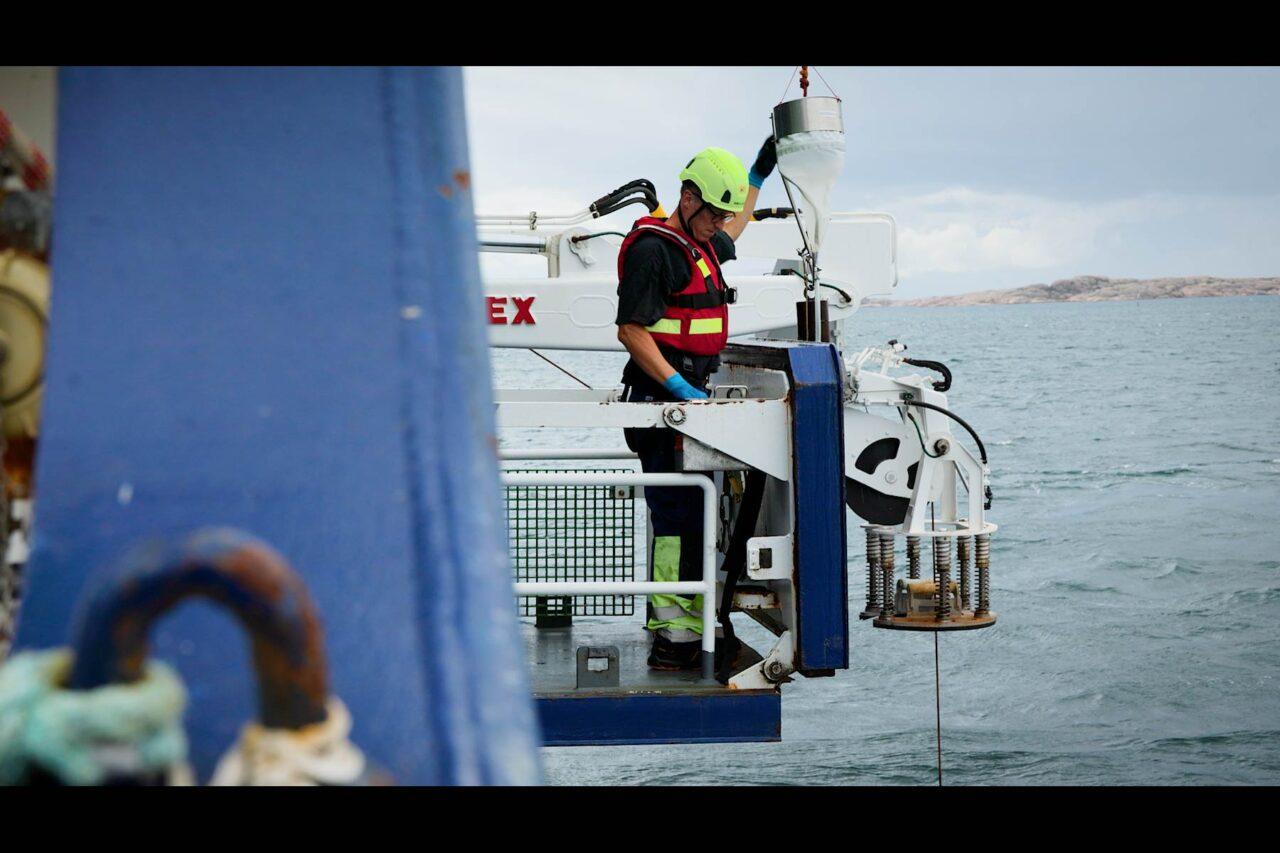
A growing number of research studies warn that the ocean circulation system Amoc could be approaching a tipping point already this century. Something that would lead to severe cooling in Sweden, and that has prompted the Swedish Meteorological and Hydrological Institute (SMHI) to begin assessing the risks this could pose to society.
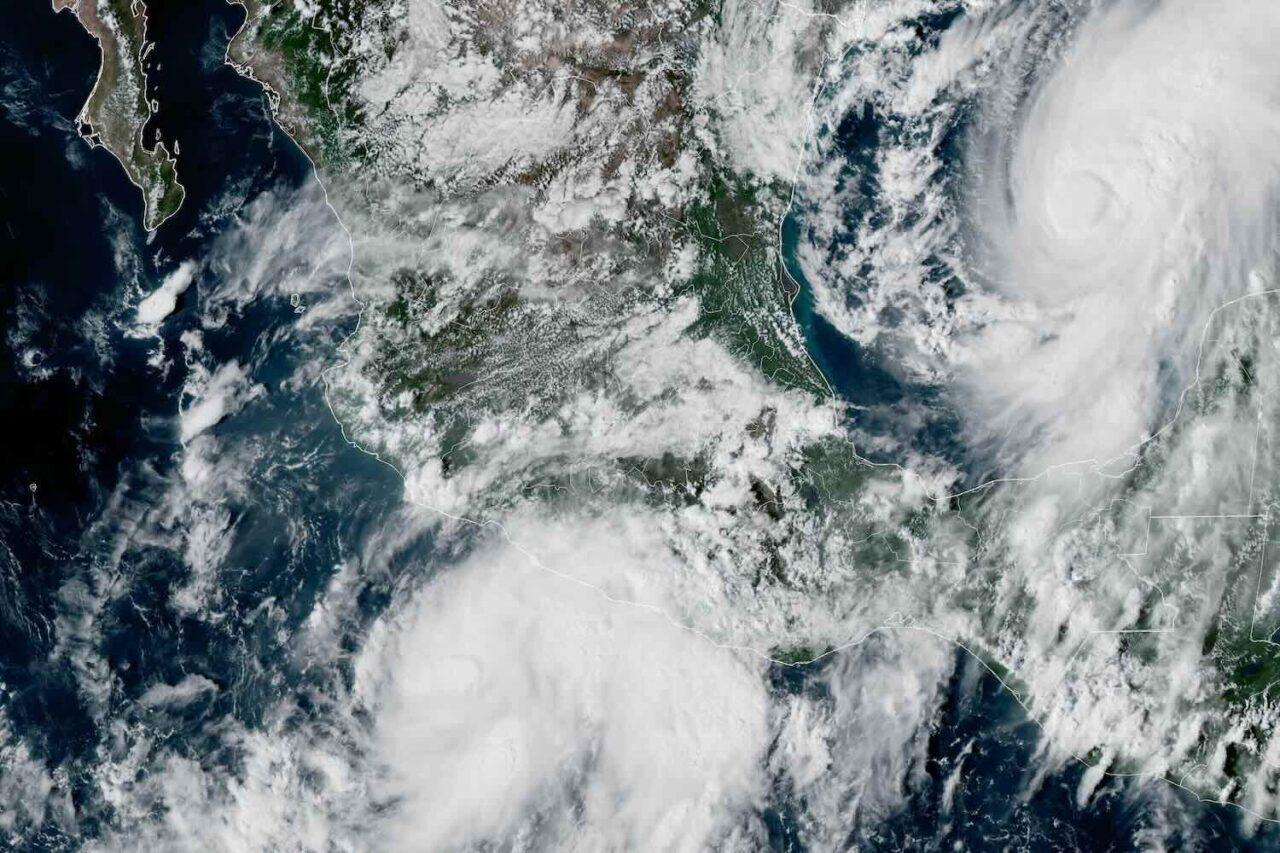
The price of oil is getting an extra boost as Hurricane Isaias threatens to knock out oil and gas facilities in the Gulf of Mexico. The price of North Sea crude (Brent) – which is also being pushed up by the uncertain situation in the Middle East – rises by 5 per cent to over $105 per barrel.
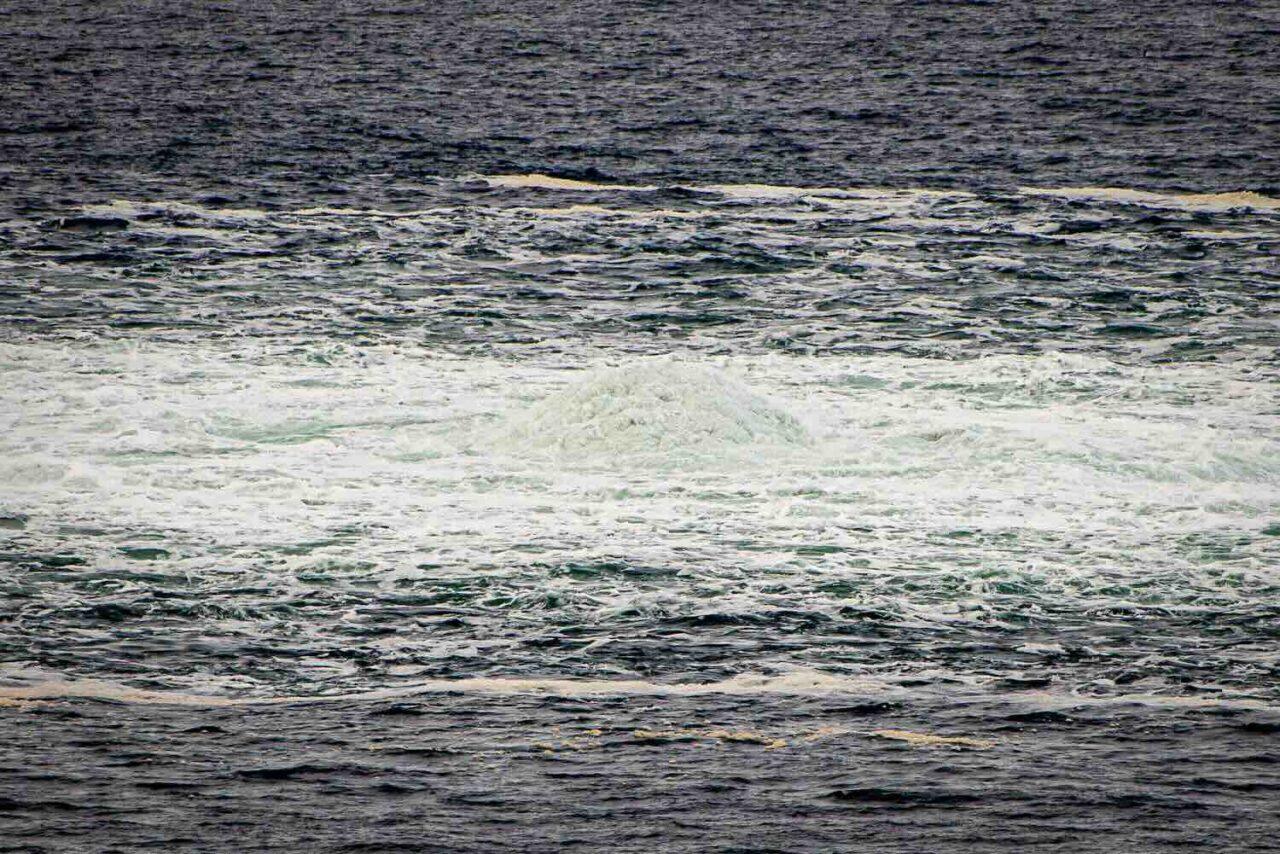
Just over four years have passed since the explosions on the Nord Stream gas pipelines off Bornholm in the Baltic Sea. The trial has now begun in Hamburg.
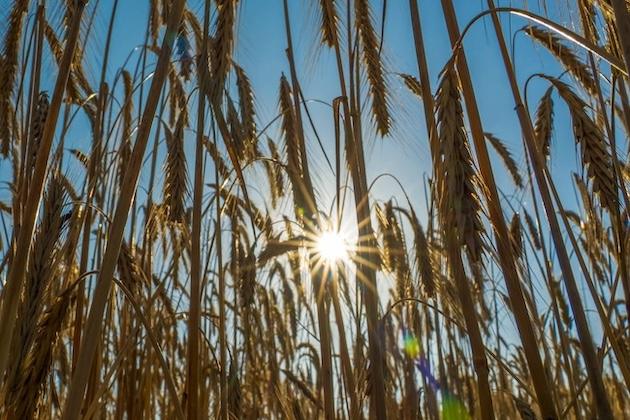
This year’s September was the second warmest on record, according to the EU’s Copernicus Climate Service.
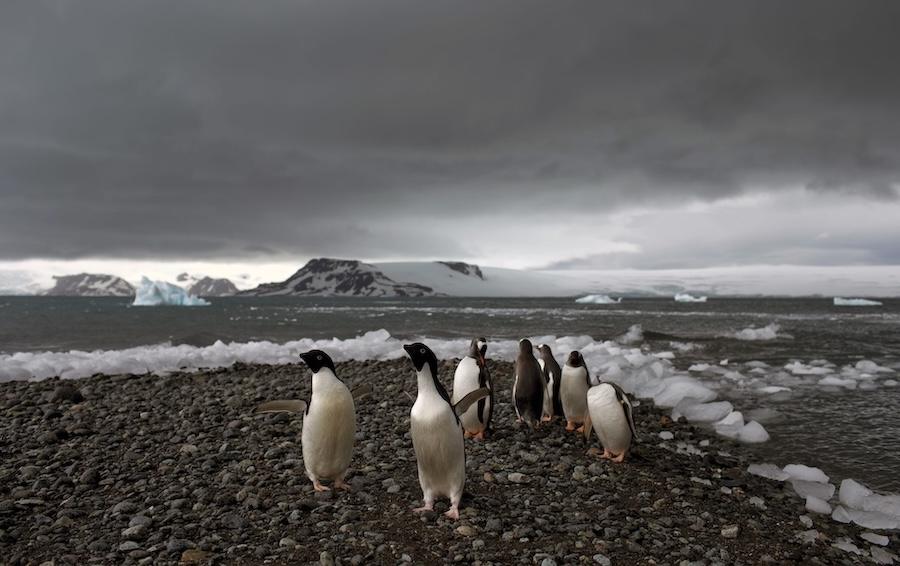
A new study shows that penguins’ poo is inadvertently accelerating snowmelt in Antarctica.
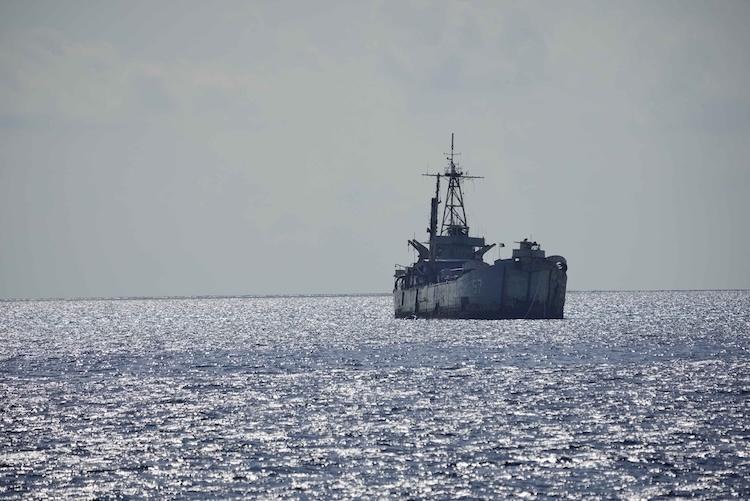
The Philippines are warning that China is advancing its positions in the disputed waters of the southern South China Sea.

US Secretary of State Marco Rubio is travelling to Iceland on Monday with the aim of increasing the country’s economic and military presence in the Arctic.
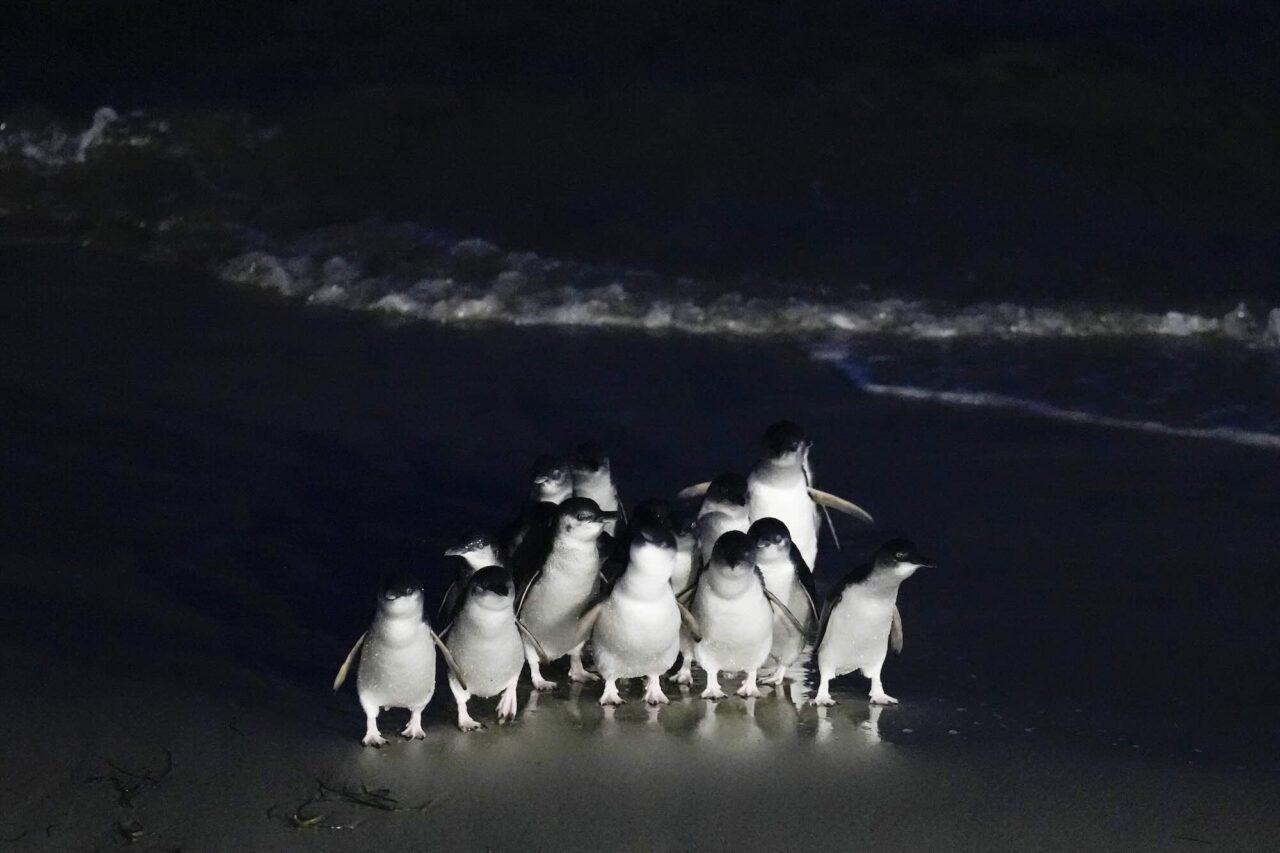
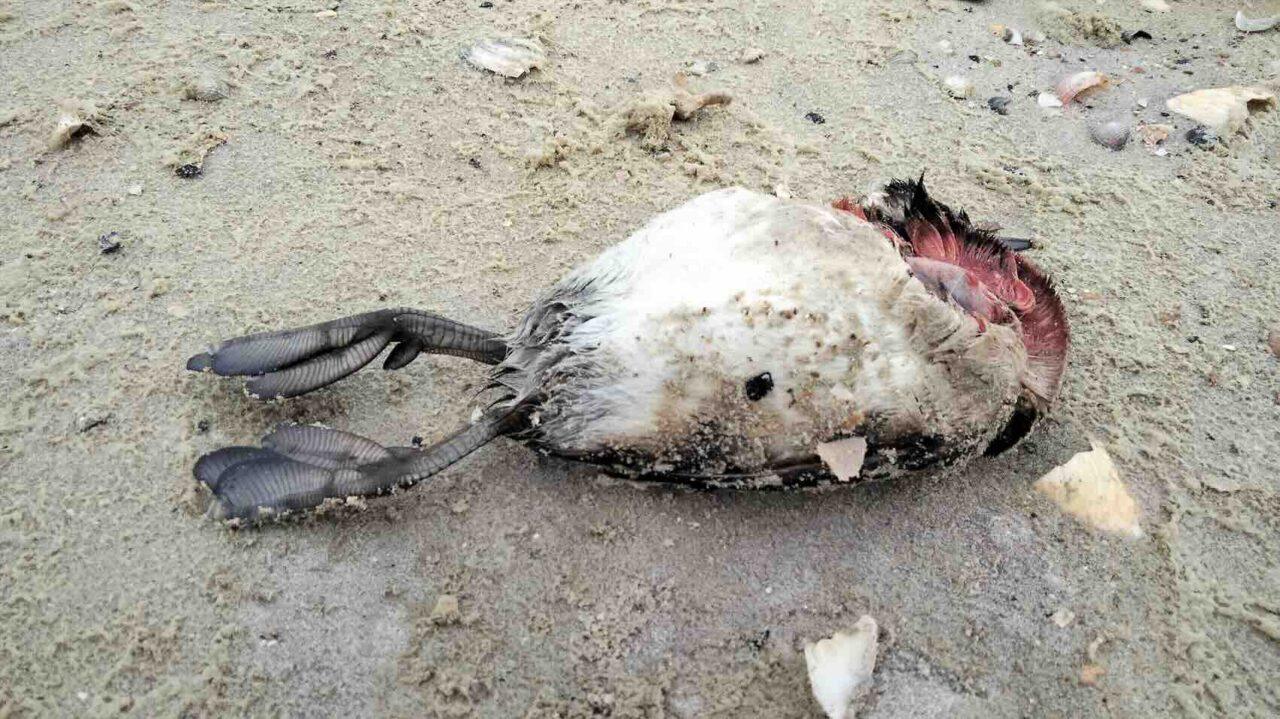
Australia has become the last continent to report its first cases of the H5N1 bird flu. The virus is spreading rapidly, and this summer’s expected extreme weather could, in the worst-case scenario, create a perfect storm leading to the mass death of thousands of birds and animals. – ‘The worst-case, catastrophic scenario would be the loss of entire species,’ says Darren Grover, biodiversity expert at the World Wide Fund for Nature (WWF).
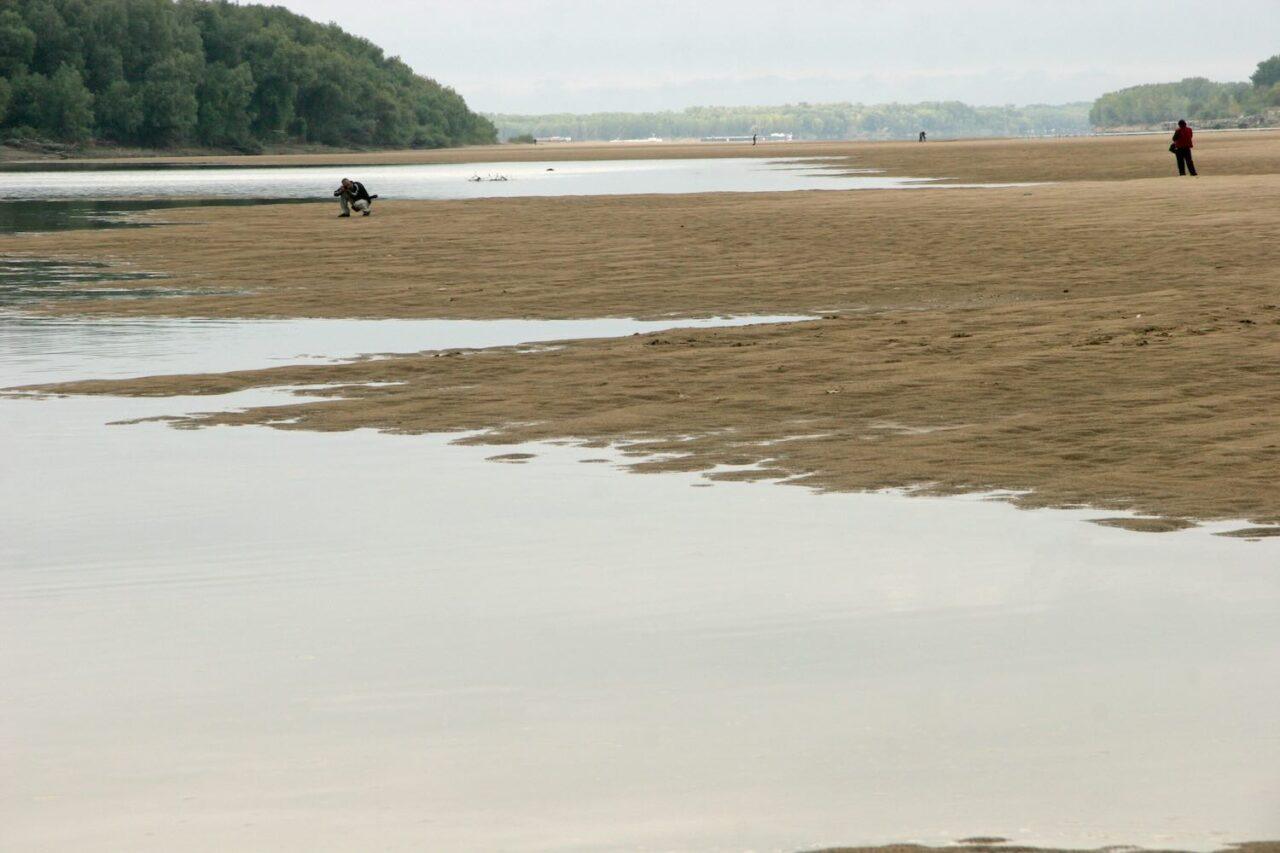
Prolonged heatwaves and widespread drought characterised the summer in Europe. A new report from the EU’s Copernicus Climate Service shows that this also led to several record-breaking high temperatures in the oceans and very low water levels in Europe’s largest rivers.
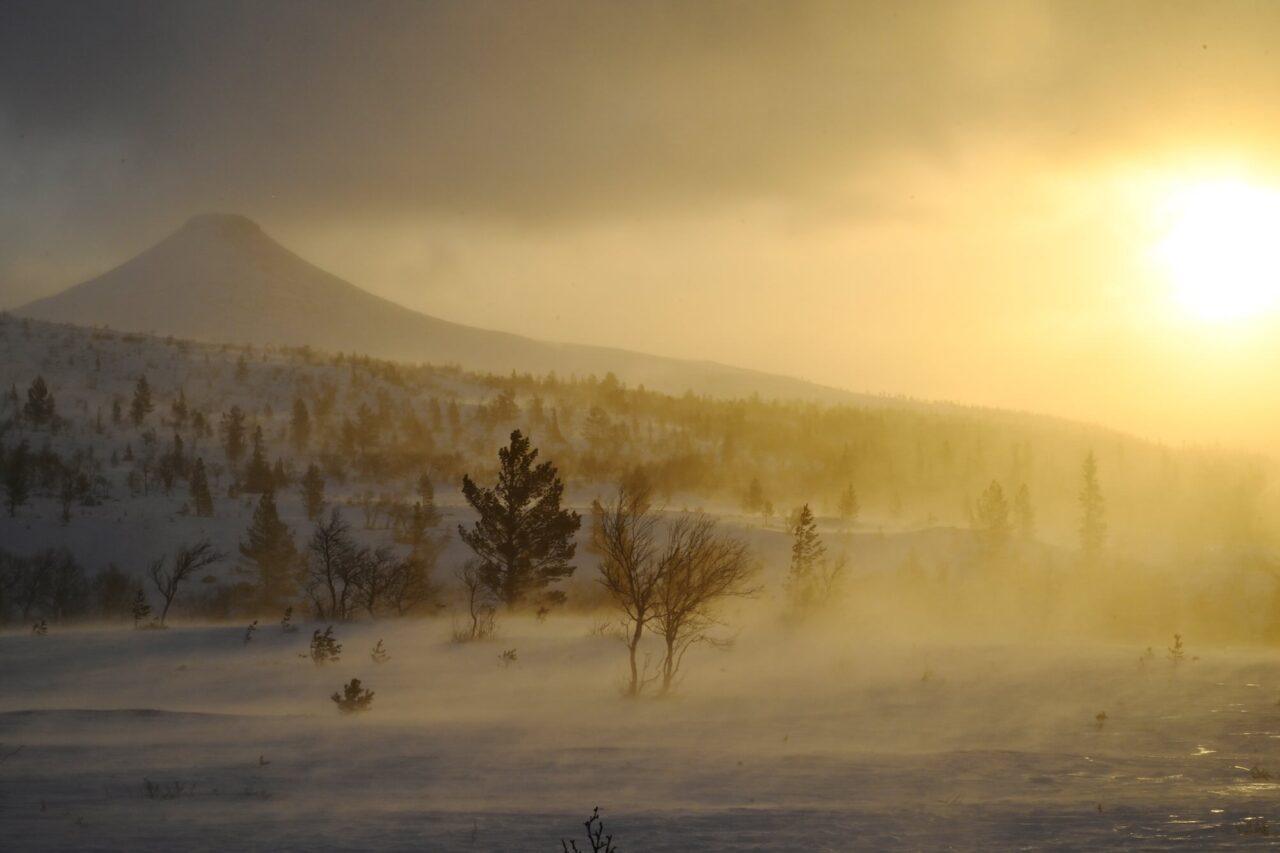
Sweden is failing to meet almost all of its environmental targets. The only target that looks certain to be met by 2030 concerns the ozone layer. ‘We are by no means there yet,’ says Sabina Vinnmyr, an officer at the Swedish Environmental Protection Agency. - Vi är absolut inte i hamn, säger Sabina Vinnmyr, handläggare på Naturvårdsverket.
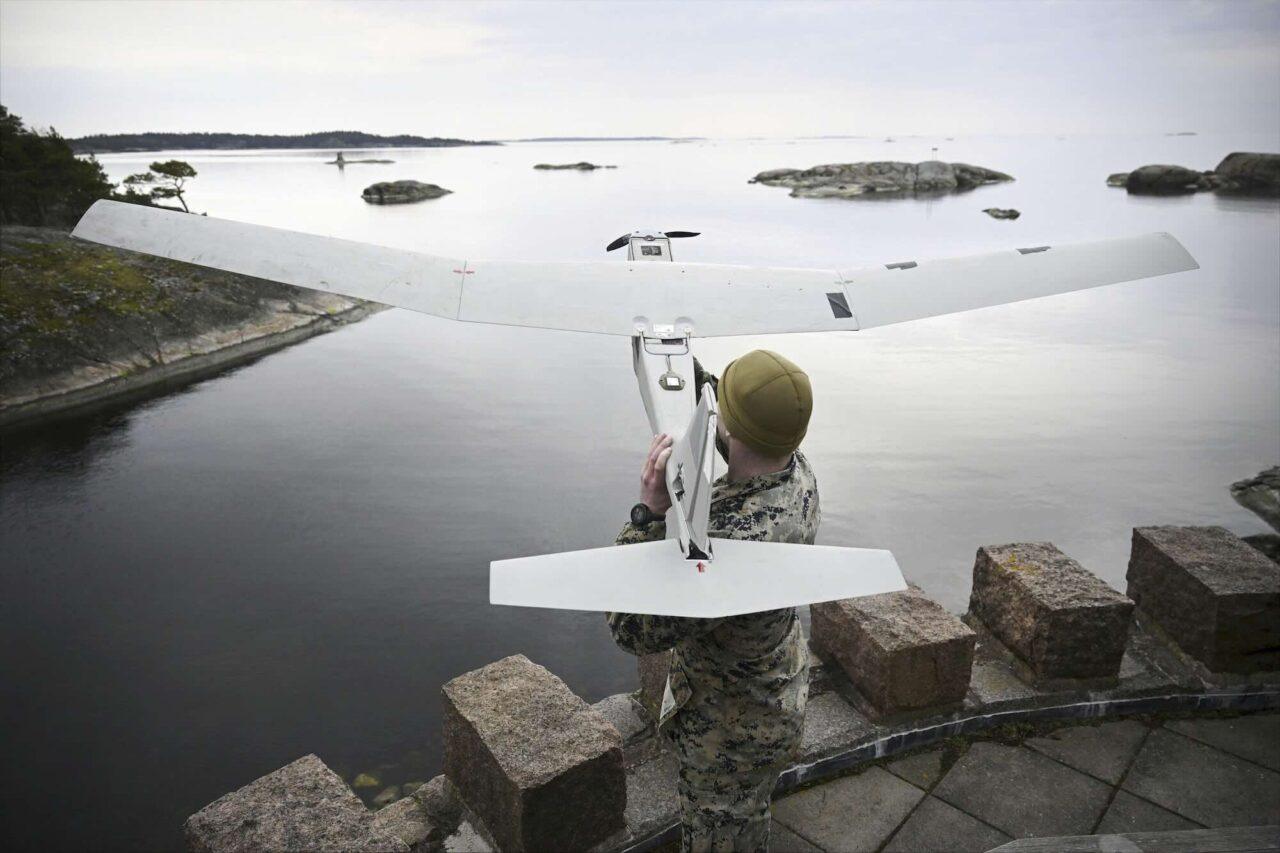
Around 50 US marines are being deployed to the Baltic Sea to assist Finland in monitoring and protecting, amongst other things, undersea cables.
Ukraine’s flag is often said to represent a wheat field under a blue sky. Yet the flag’s yellow field is also reminiscent of another important crop: the sunflower. Sunflowers are the national flower of Ukraine, a symbol of culture and identity, and Ukraine is the world’s biggest exporter of sunflower oil. This oil, used in cooking and for skincare, is often stored in massive tanks along the Black Sea coast and then shipped across the sea, destined for the world’s cabinets.
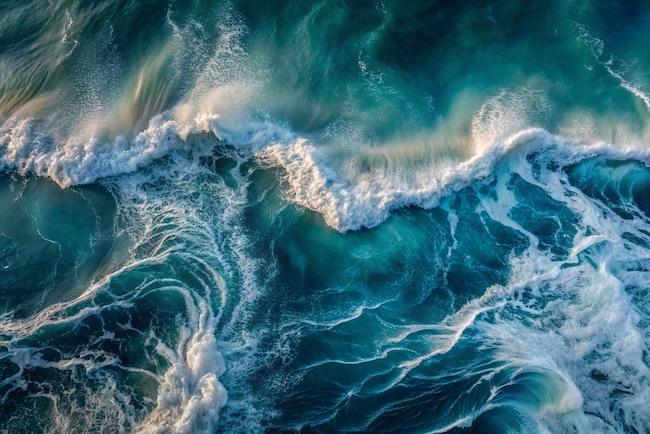
This influx of heat is occurring at the same time as sea levels are rising ever more rapidly and ocean acidification continues, reports the British newspaper The Guardian. The amount of heat is equivalent to 40 times the annual global energy consumption.
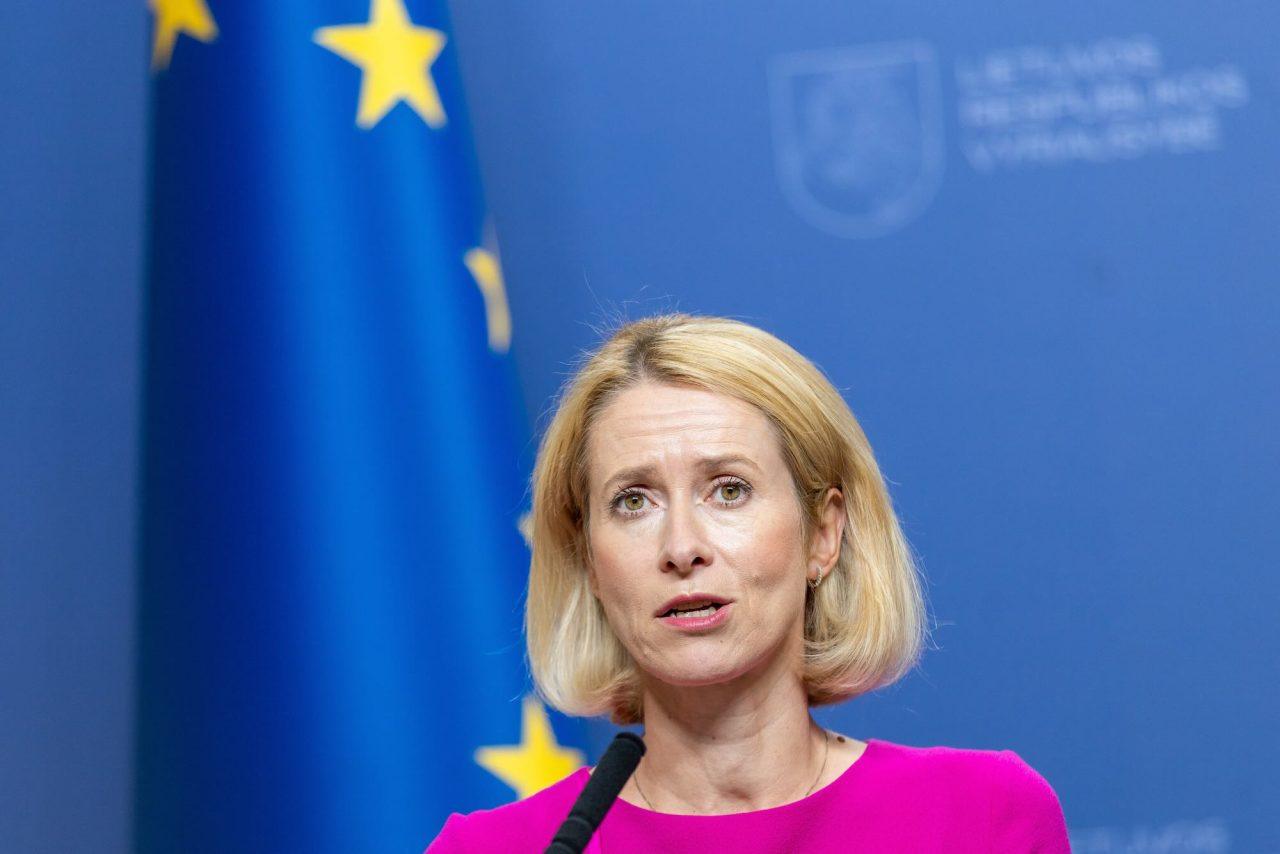
The EU’s High Representative for Foreign Affairs, Kaja Kallas, is calling for more ships to be deployed to the protection mission in the Red Sea.

En storslagen utställning om hav och strandliv öppnar på Nationalmuseum – med verk av Monet, Krøyer och Zorn. - Här finns otroliga konstverk som jag aldrig trodde att vi skulle få låna, säger utställningschefen Per Hedström.
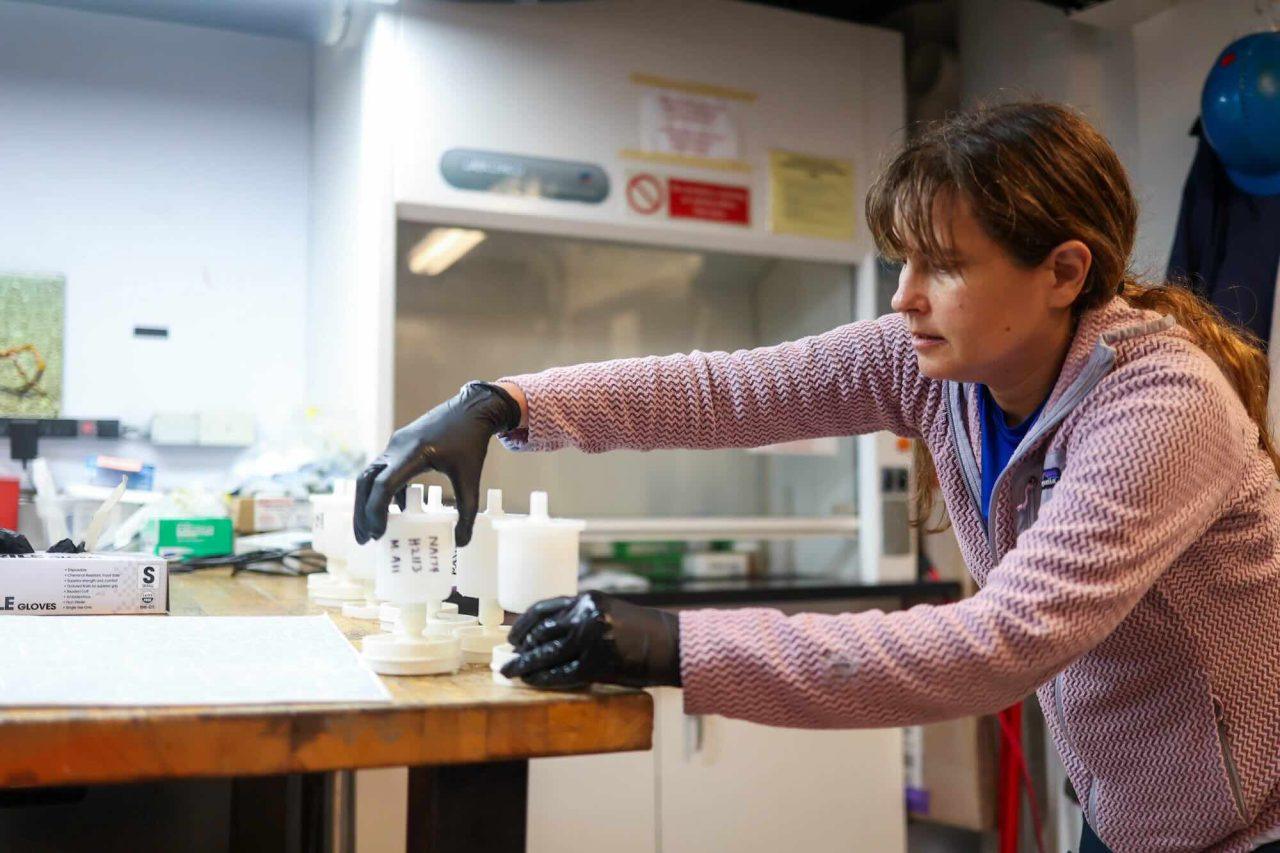
In recent years, biologist Annette Govindarajan has been exploring life in the deep sea using autonomous robots and environmental DNA. The goals are to reveal who lives at these depths – and where.
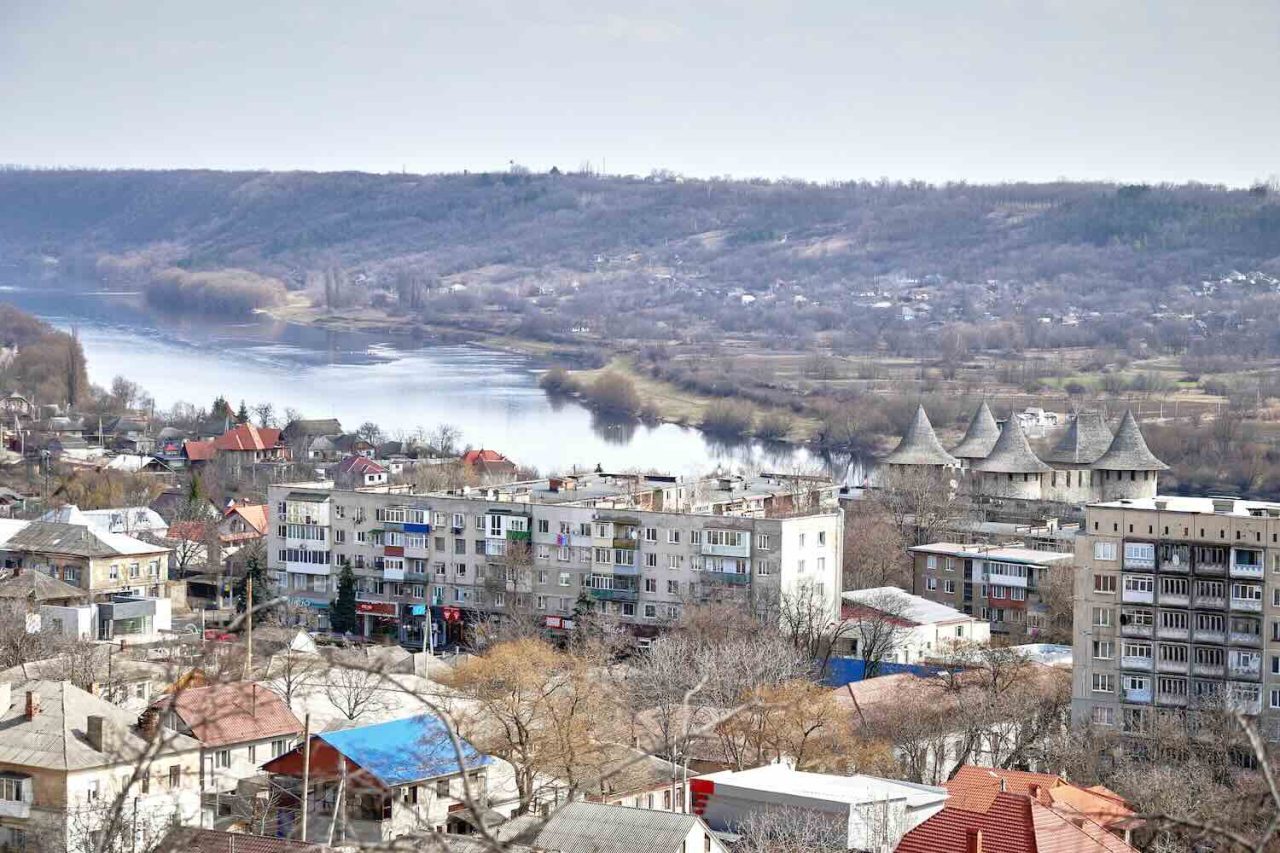
Moldova has declared a 60-day state of emergency following an unusually severe drought. The state of emergency applies to the energy and water sectors and was passed by parliament to enable the authorities to take measures more easily to tackle water shortages and rising energy costs.
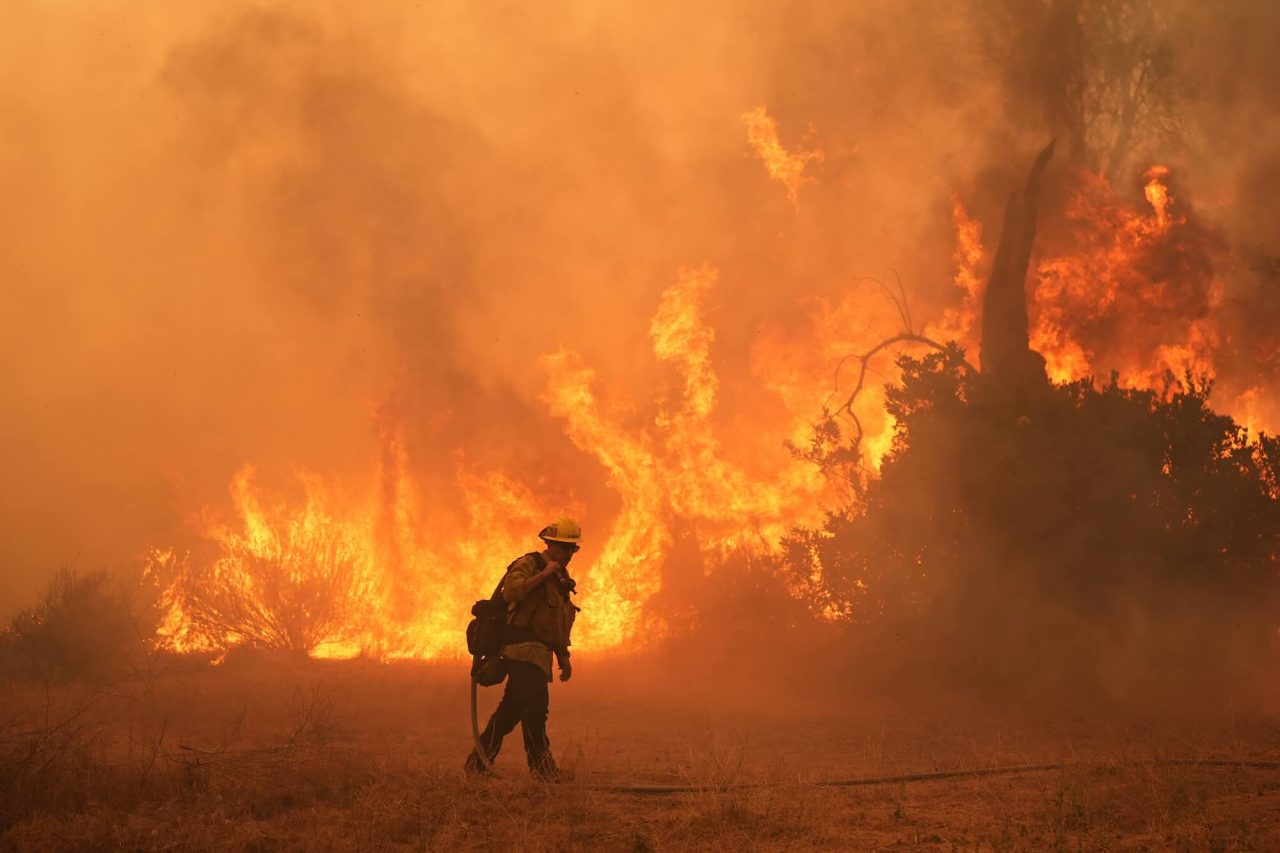
The surface of the Pacific Ocean is already at record-breaking temperatures, and the El Niño weather phenomenon appears to be developing into an extremely powerful ‘super’ variant. There is nothing to compare it with, says climate researcher Gustav Strandberg.

France is working on a new resolution for the UN Security Council with the aim of bringing an end to the blockade of the Strait of Hormuz, an anonymous diplomat has told several media outlets.
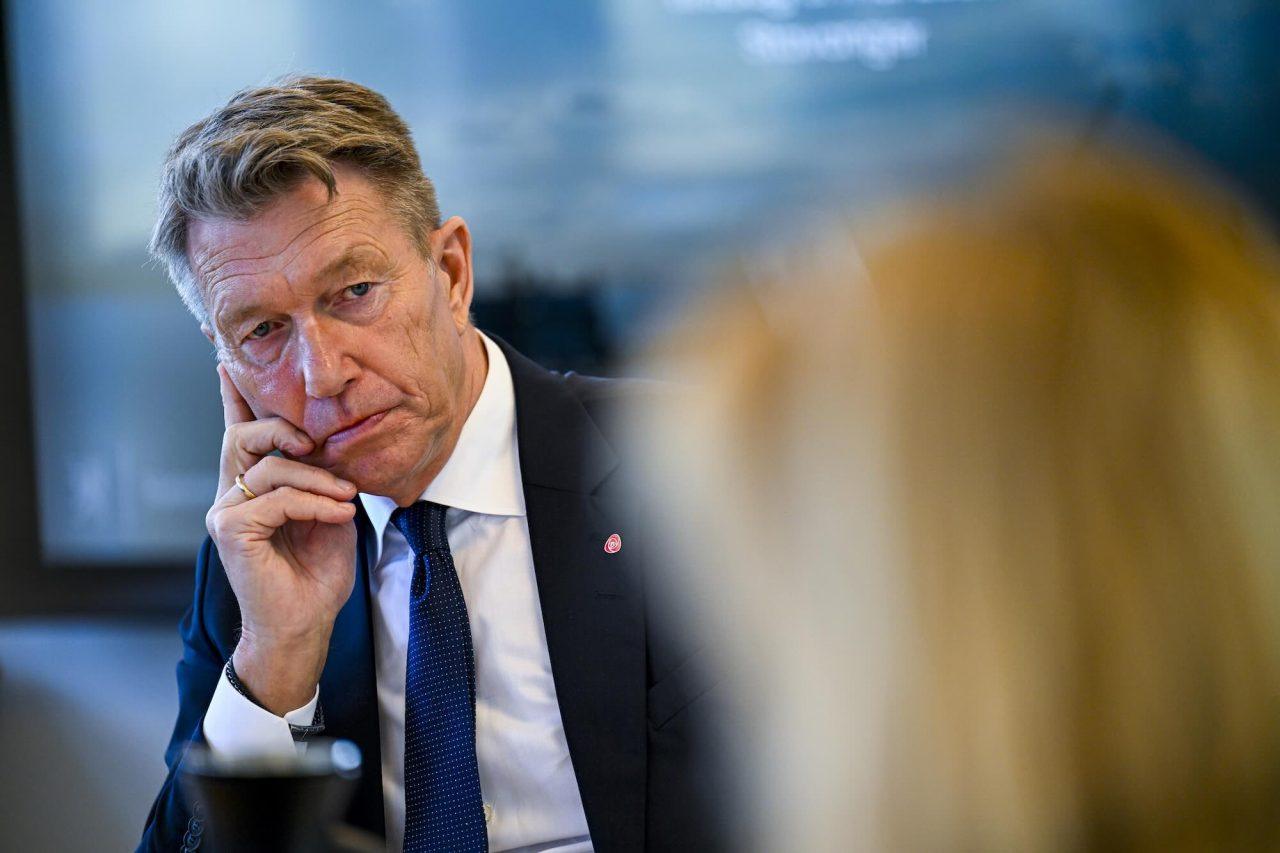
The EU is set to extend a ban on oil and gas drilling in the Arctic this autumn, according to a spokesperson for the European Commission.
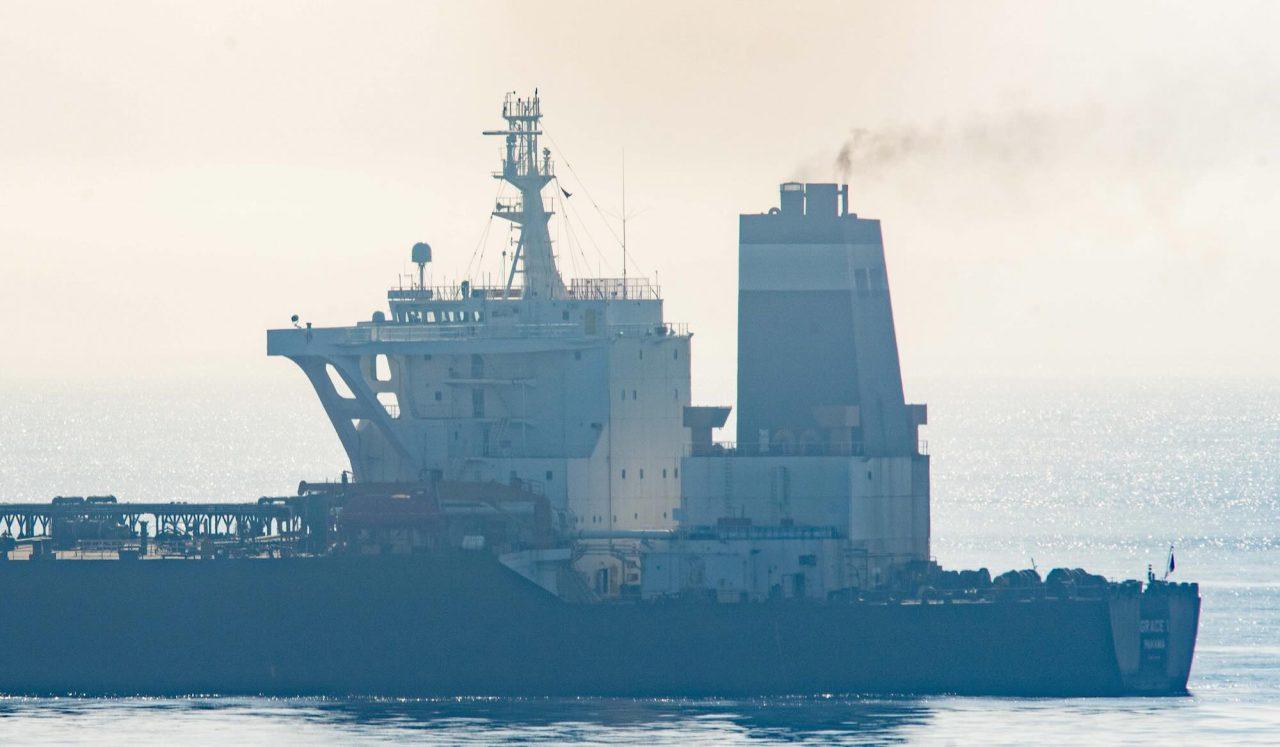
The world is beginning to face a shortage of available oil tankers, which is driving up freight costs and threatens to disrupt global oil flows even further.

