The Baltic Sea is a unique and sensitive sea where organisms live on the edge of what they can tolerate due to the low salinity. It has also been called the world’s most polluted inland sea due to eutrophication and the chemical cocktail caused by human activities.
The Baltic Sea consists of the Gulf of Bothnia, Gulf of Finland, Gulf of Riga, and the Baltic Proper. The sea has a fascinating history of being both a sea and a lake, and today it is a bit of both with its brackish water. Before the last ice age, the Baltic Sea was much saltier than it is today, explaining the coexistence of both marine and freshwater species. The high sea level at that time connected the Baltic Sea with the salty waters of the North Sea and the White Sea. During the ice age, the entire Baltic Sea was covered by several kilometers of thick inland ice. It was only around 10,000 years ago that the ice retreated, making the Baltic Sea a relatively young sea.
The transition to the current brackish water is due to significant changes the Baltic Sea has undergone since the last ice age, such as land uplift, a sinking water surface, and reduced connection to the North Sea. The Baltic Sea is also unusually shallow, with an average depth of 54 meters compared to the Mediterranean’s 1500 meters. Like the Mediterranean, the Baltic Sea is an inland sea because it is only connected to larger seas through the narrow Danish straits. This means that it takes about 30 years for the water in the Baltic Sea to be completely exchanged, allowing old pollutants to persist in the area.
Today, the Baltic Sea is characterized by significant differences in salinity, ranging from around 25 parts per thousand in the Kattegat to two parts per thousand in the northern Gulf of Bothnia. The only influx of saline water occurs through the narrow straits of the Øresund and the Belts. The low salinity in the north is due to the numerous rivers and streams that flow into that area. This influences the types of species that can thrive in different areas. The brackish water is too low in salinity for marine species while it is too saline for the freshwater-origin species in the Baltic Sea. This leaves only a small number of species that are able to handle these challenges. Some species, like blue mussels, have adapted to the low salinity, resulting in them staying small, around three centimeters, compared to up to ten centimeters on the west coast where salinity is higher.
Because there are relatively few species in the Baltic Sea, the food chain is simpler. It has taken thousands of years for the few species living in the Baltic Sea to adapt to the low salinity. This makes the Baltic Sea a particularly sensitive environment because if one species disappears, there may not be another species to take over its role, which can have significant consequences for the entire ecosystem, as different levels in the food chain influence each other. The loss of key species, such as bladderwrack and top predators like seals and pike, can have particularly large consequences.
In addition to the natural challenges faced by the Baltic Sea, humans have long polluted and exploited the sea beyond its capacity. Over 90 percent of the Baltic Sea’s marine area is in poor condition, according to the latest assessment by the Baltic Sea collaboration HELCOM. A significant portion of human impact originates from land.
At the beginning of the 20th century, the Baltic Sea was a nutrient-poor marine area. However, as the population around the Baltic Sea grew, the pressure from intensive forestry in the north and agriculture in the south increased. Today, the sea is affected by an area (catchment area) about four times the size of the Baltic Sea itself. Around 90 million people from nine countries in this area impact the sea with nutrients, pollutants, and other land-based contaminants flowing into the sea. Sweden has the longest coastline among the countries. Excess nutrients, such as nitrogen and phosphorus, lead to eutrophication, radically reshaping the ecosystem.
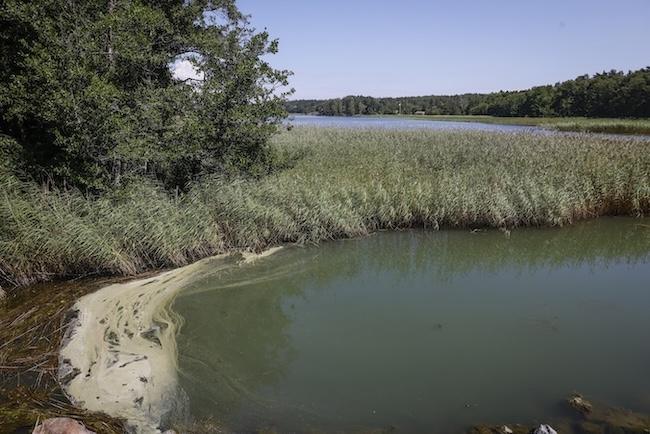
Eutrophication primarily leads to proliferation of phytoplankton. Phytoplankton, often referred to as blue-green algae, are actually cyanobacteria that bloom in the summer due to favorable warm and calm conditions. They are also known for producing toxins that can be harmful to animals and children. Algal blooms are a natural process, but when intensified by eutrophication, the algae increase, leading to more oxygen consumption by the bacteria breaking them down when they reach the bottom. This can cause oxygen deficiency and dead zones.
Today, 97 percent of the Baltic Sea is affected by eutrophication, and 21 percent of the seabed is oxygen-free, leaving only bacteria and fungi able to survive in these areas. This corresponds to an area more than twice the size of Småland. The oxygen deficiency that largely characterizes the Baltic Sea is partly due to it being a brackish sea where oxygen-rich and fresher surface water does not mix well with the saltier and heavier bottom water. Therefore, the Baltic Sea is already sensitive to oxygen deficiency, and in combination with external stressors like eutrophication, it can have devastating consequences.
The lack of oxygen is a problem for many organisms, such as cod, which needs oxygen-rich water to reproduce. Oxygen deficiency also releases phosphorus from sediments, worsening eutrophication, known as internal loading, and creating a vicious circle of nutrient leakage.
To counteract the negative consequences in the Baltic Sea, biodiversity is crucial. It acts as an insurance, making the sea more resistant to external influences. The Baltic Sea is estimated to have around 100 fish species, 450 species of macroalgae, 1000 benthic animals, 3000 plankton species, and thousands of unknown bacteria and viruses. This unique biodiversity is threatened by both eutrophication and climate change, as it alters the marine environment. This deteriorates the living conditions for some species, such as bladderwrack, while other species, such as fast-growing filamentous algae, take over their habitats.
Harbor porpoises are one of the species currently classified as critically endangered in the Baltic Sea. Like cod and herring, harbor porpoises are threatened by fishing, as they are caught as bycatch. The porpoise, which uses sound for communication, is also disturbed by the intense traffic generating underwater noise. This has led to the protection of some of the porpoise’s important reproductive areas.
Currently, around 16.5 percent of the Baltic Sea is protected, but to fulfill Sweden’s commitments under the UN Convention on the Law of the Sea, the protected areas should almost double by 2030. By reducing the burden on the sea, scaling down large-scale fishing for species like herring and cod, and establishing new marine protected areas, one can support both individual species and the overall biodiversity in the Baltic Sea.
Despite facing significant challenges, the efforts made in the past have yielded results. For instance, pollutants like PCB and lead have decreased after being banned. This has allowed animals like sea eagles and seals to recover from the effects of these toxins. In recent decades, nutrient input into the Baltic Sea has also significantly decreased. However, due to the large amounts of nutrients stored in the water, it takes a long time for the effects to become visible.
TEXT: Lina Mattsson

Following the major oil spill in Hanö Bay, Sweden, in 2023, the shipping company TT-Line has refused to pay a water pollution charge. However, the appeal has now been withdrawn, reports SVT Nyheter Blekinge.

The Finnish Government is proposing that the Border Guard be granted extended powers to prevent damage to submarine cables.

On 13 September, Sweden will hold a general election. During Almedalen Week in June 2026, Deep Sea Reporter put some key ocean and water-related questions to representatives of Sweden’s parliamentary parties. See their answers in the report.
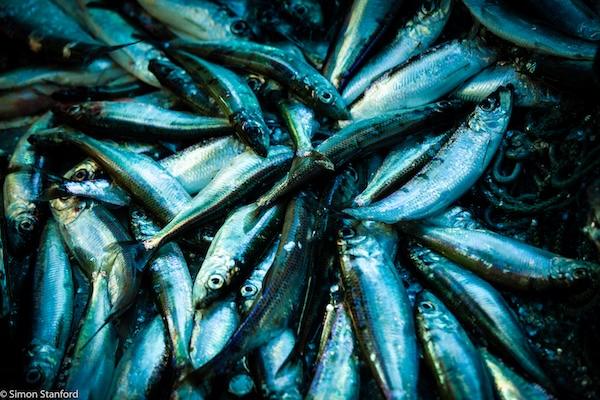
73 per cent want to ban large-scale fishing for fishmeal in the Baltic Sea.
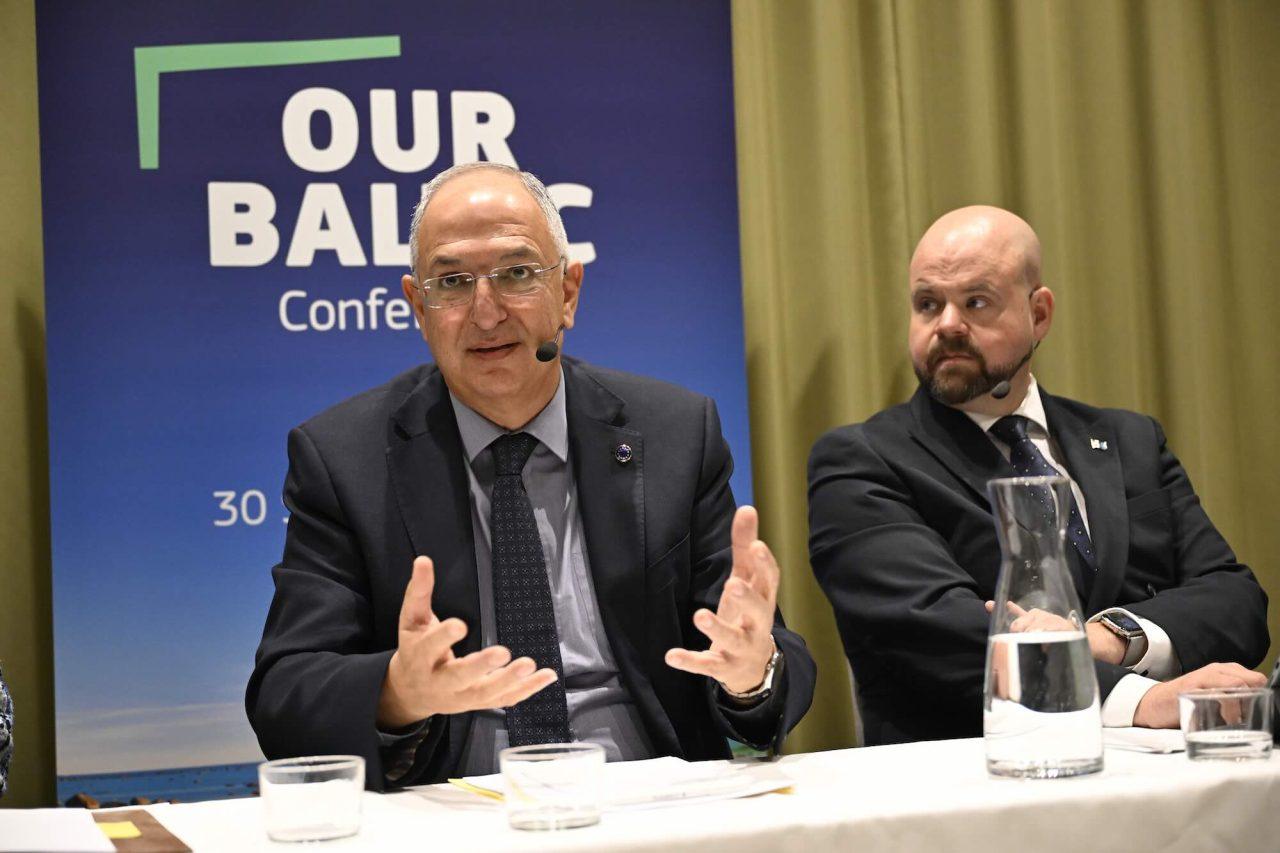
Despite constant warnings, the European Commission is proposing an increase in fishing in the Baltic Sea for next year.
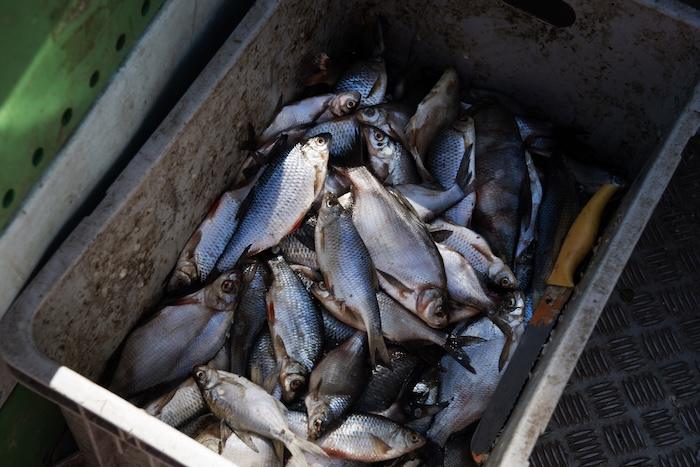
To help boost a fish stock in crisis in the Baltic Sea, CCTV is now being introduced on all fishing vessels over 24 metres, according to the organisation, Vi svenska fiskare. The initiative comes from both the Swedish and Danish fishing industries, which have observed how fish stocks are being affected by eutrophication, oxygen depletion […]
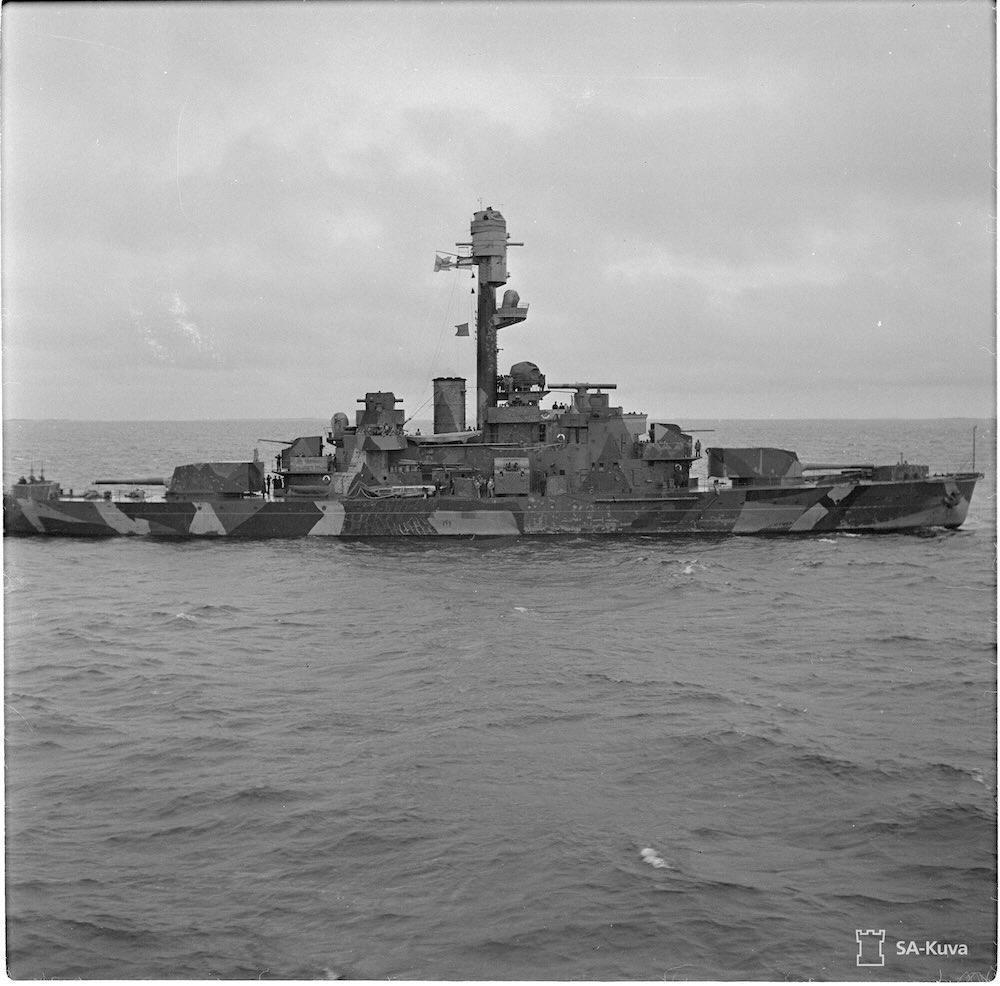
The removal of fuel from the tanks of the battleship Ilmarinen, which sank during the Continuation War in 1941, has been completed, reports Finnish broadcaster Yle. The operation, which began in mid-July, removed around 60,000 litres of oil from the wreck. An estimated 40,000 litres of oil remain in the Ilmarinen’s tanks. The plan is […]
Vibrio bacteria have become increasingly common in Swedish waters. However, it is not yet known exactly how common they are or where they are found. Sweden lacks an overall picture of where they are found and who is at risk of becoming seriously ill from them, says researcher Betty Collin. Infections caused by Vibrio bacteria […]
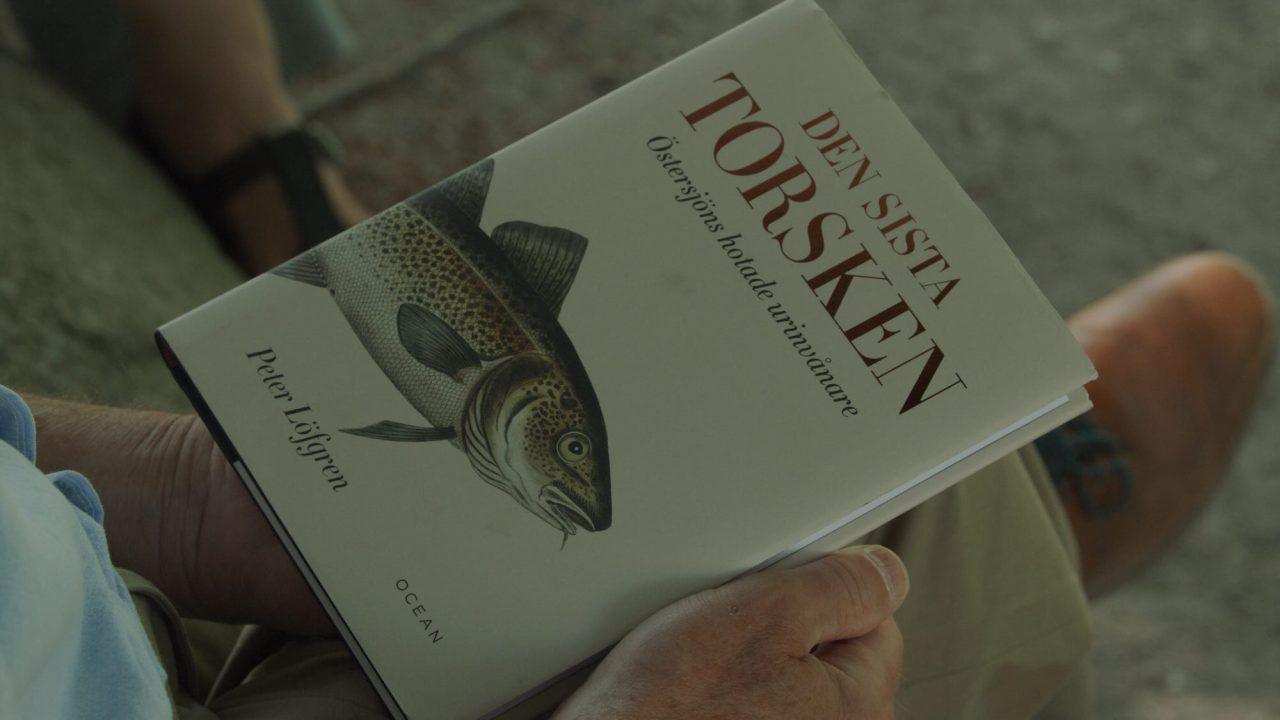
His writing stems from a deep love for cod and the sea, and a fierce anger at a political system that has favoured a select few at the expense of the public good.
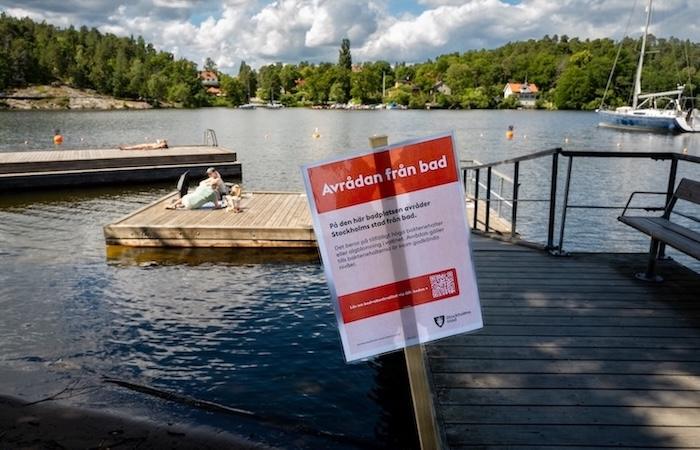
Värmeböljan har lockat svenskarna till stränderna – och algerna till kusten. Algblomningen är i full gång och på många badplatser sätter den nu stopp för ett dopp.
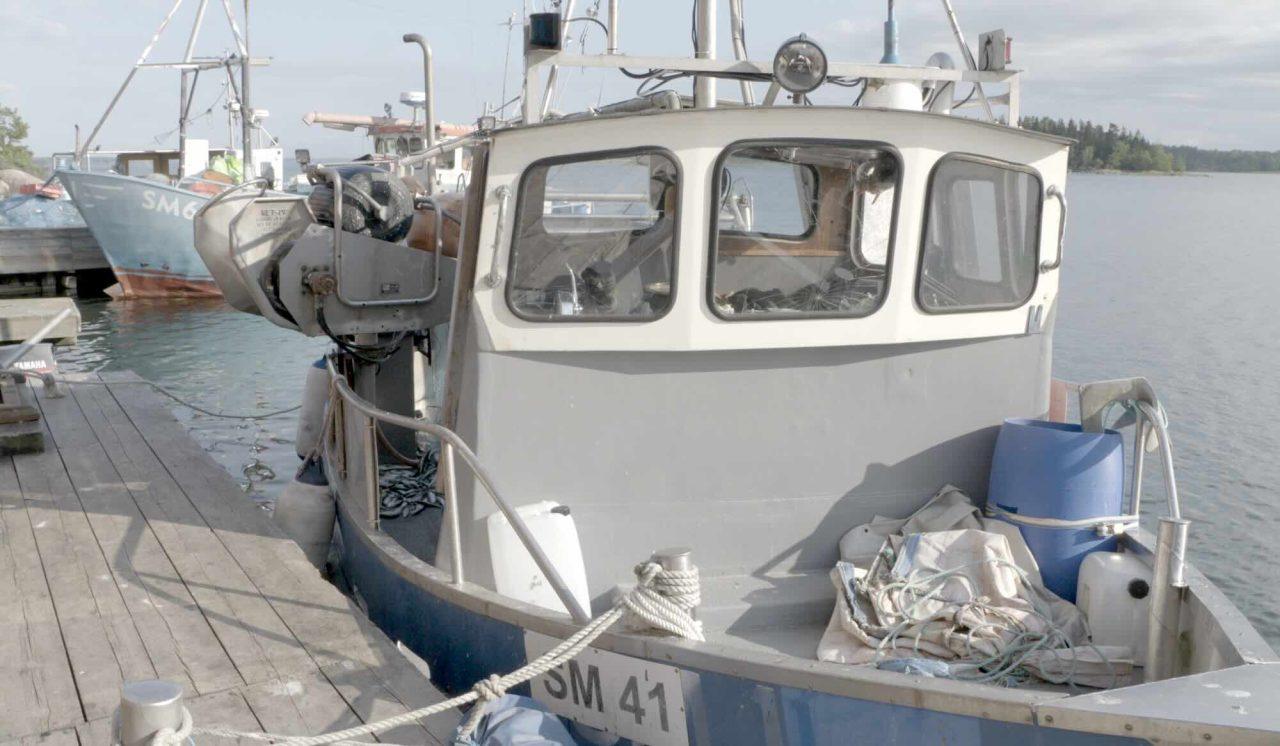
Herring stocks in the Baltic Sea have long been on the brink of collapse, but according to the International Council for the Exploration of the Sea (ICES), the stocks now appear to be increasing. ICES therefore believes that quotas can be increased – by up to 122 per cent
An entry ban on former Russian soldiers who served during the full-scale war of aggression against Ukraine. This is what the European Commission is proposing in its 21st package of sanctions against the Russian war economy.
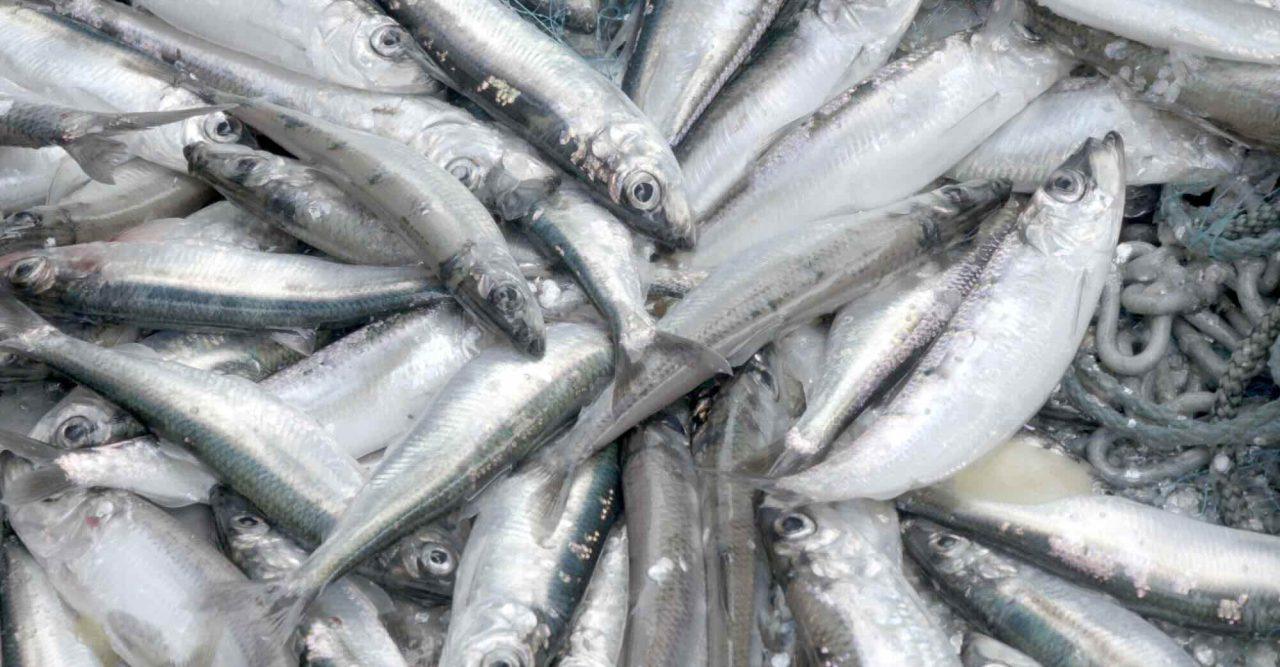
The International Council for the Exploration of the Sea (ICES) has presented its new recommendations for fishing in the Baltic Sea next year, which include significantly increased quotas for herring and sprat in the Baltic Sea.
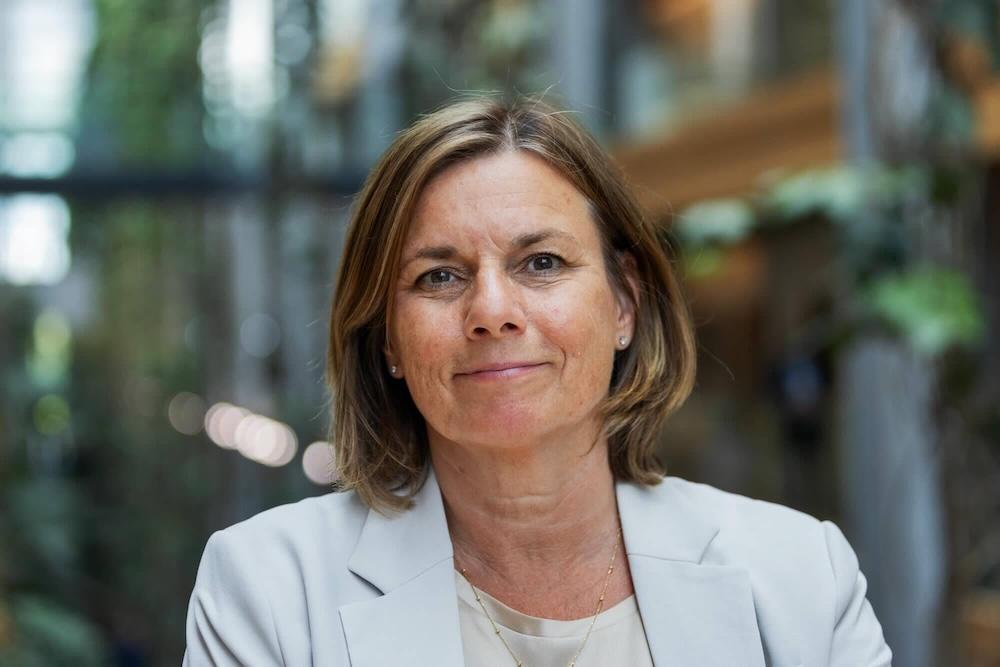
The European Parliament is pushing to ban industrial trawlers in the Baltic Sea. “A strong message,” says Isabella Lövin (the Swedish Green Party) following a vote in Strasbourg.
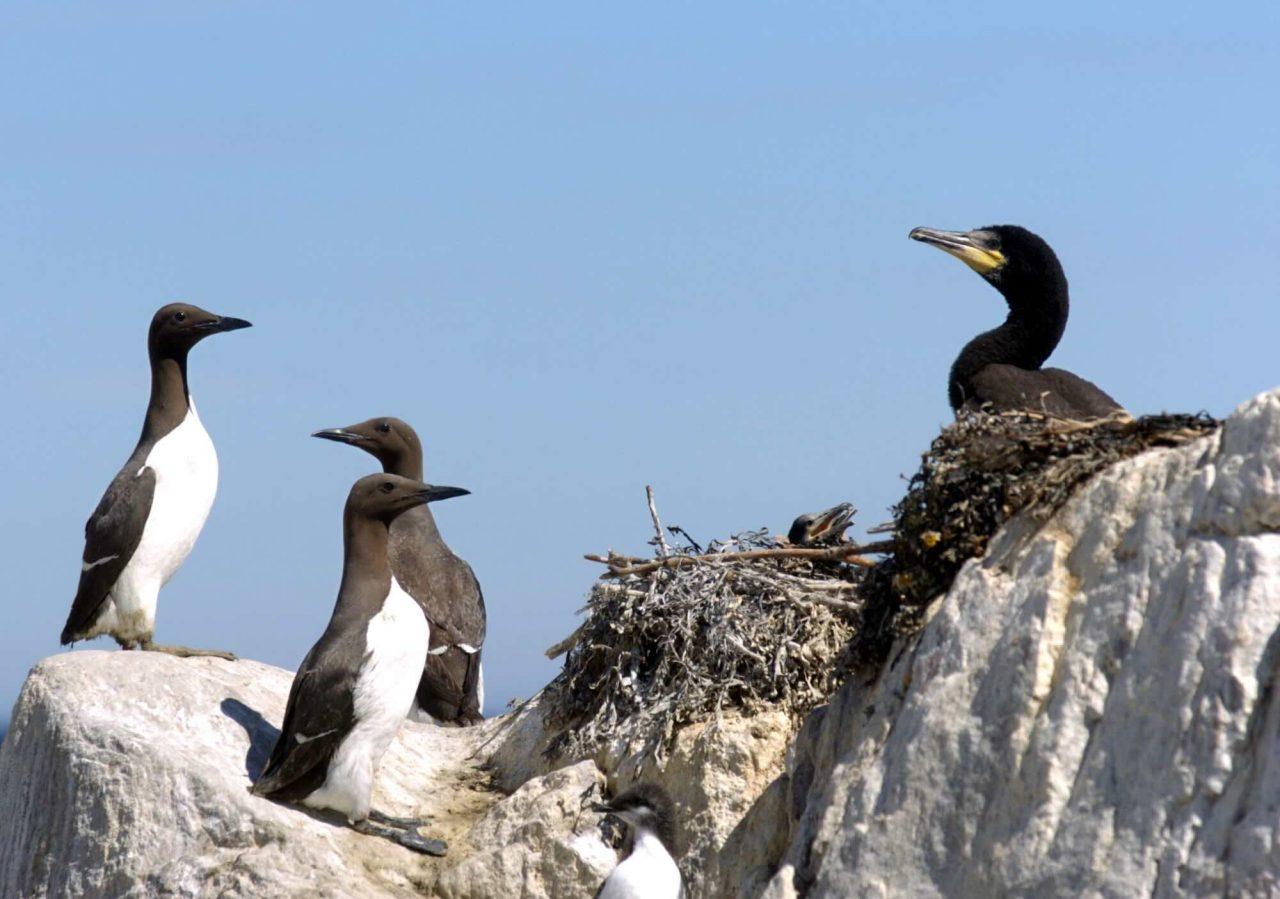
This year’s live broadcast tracking the breeding of the common murres at Stora Karlsö in the Baltic sea has now begun. New for this year is the option to listen to the seabirds as well. “It feels like we’ve only scratched the surface of the common murres’ soundscape,” according to a press release.
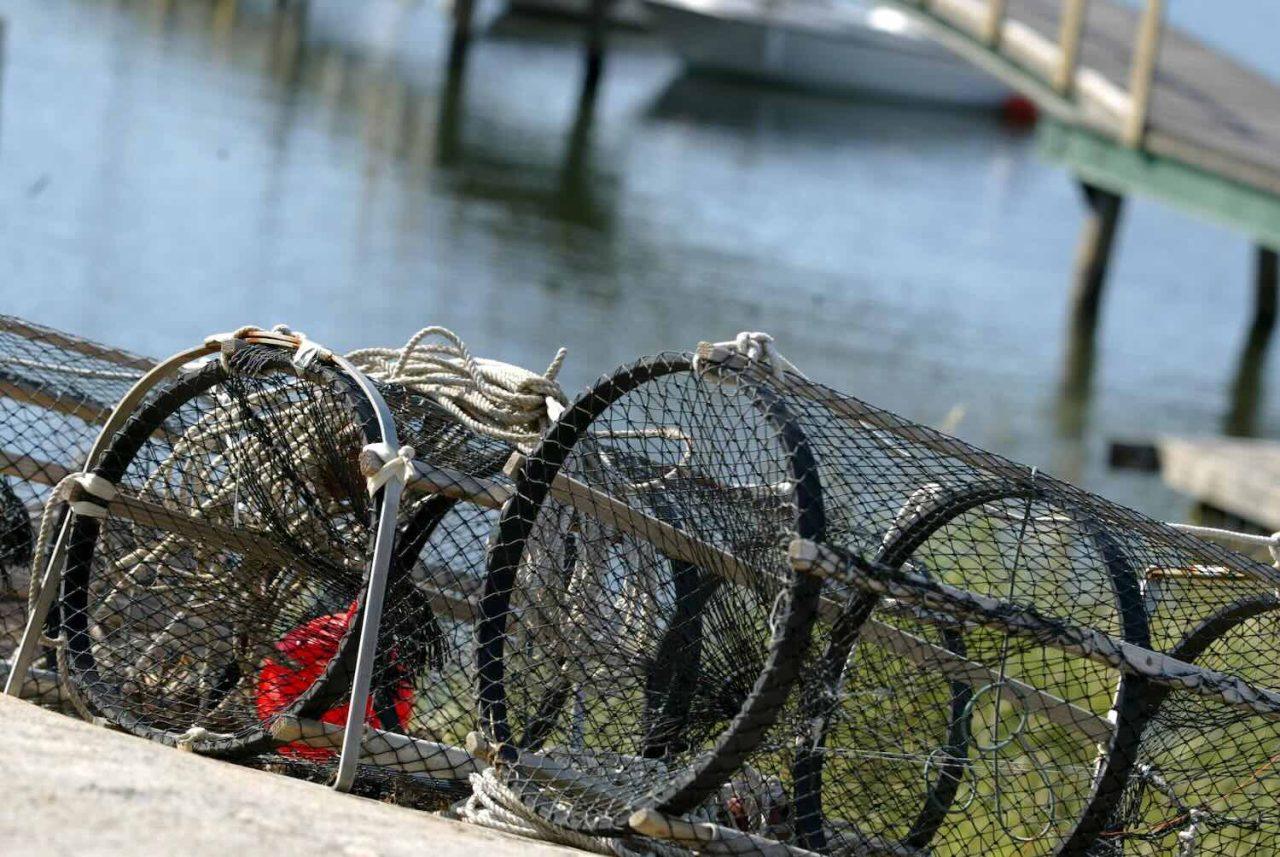
En ny kräftart med ursprung i Stilla havet har hittats utanför Husum i Örnsköldsviks kommun. Fyndet är det första i Sverige. Än så länge saknar den ett svenskt namn, men det latinska är Nippoleucon hinumensis.
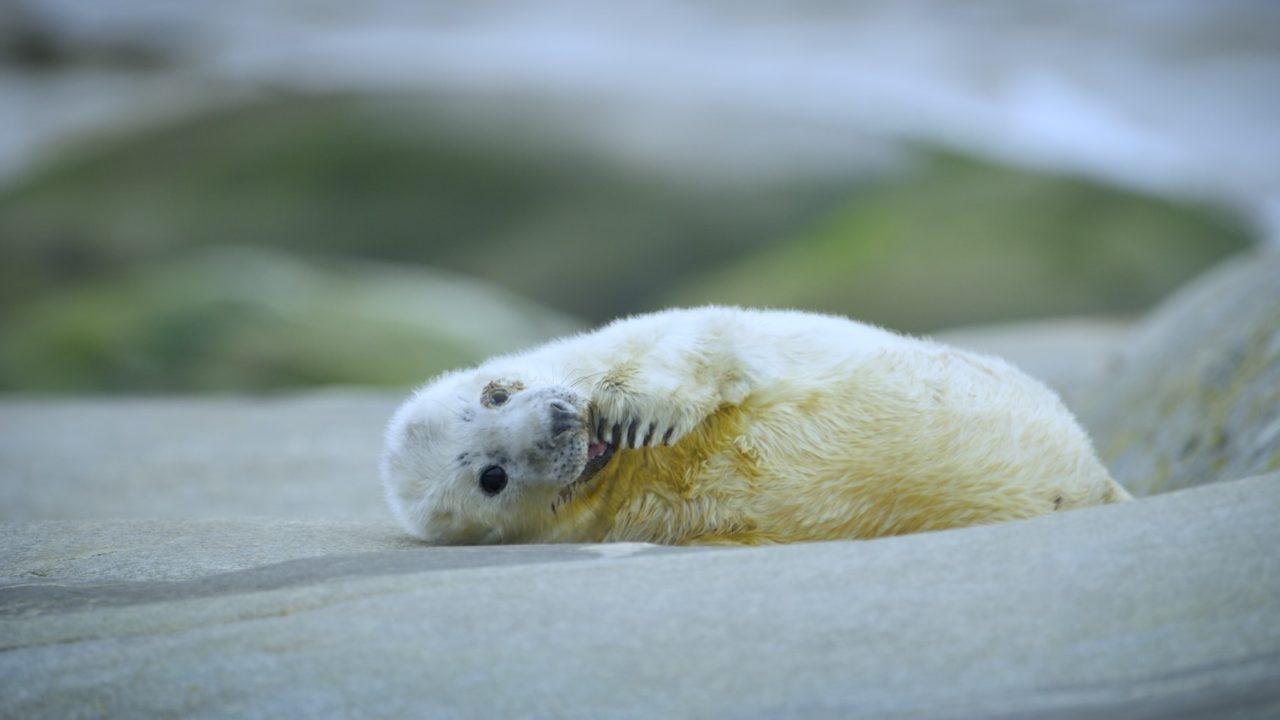
According to the Swedish Environmental Protection Agency, the goal for the gray seal population is for their impact on human interests to be positive or neutral. But how do seals actually affect our environment? And how are the gray seals in the Baltic Sea doing? We joined researchers from SLU and the Swedish Museum of Natural History to assess the seals’ health.
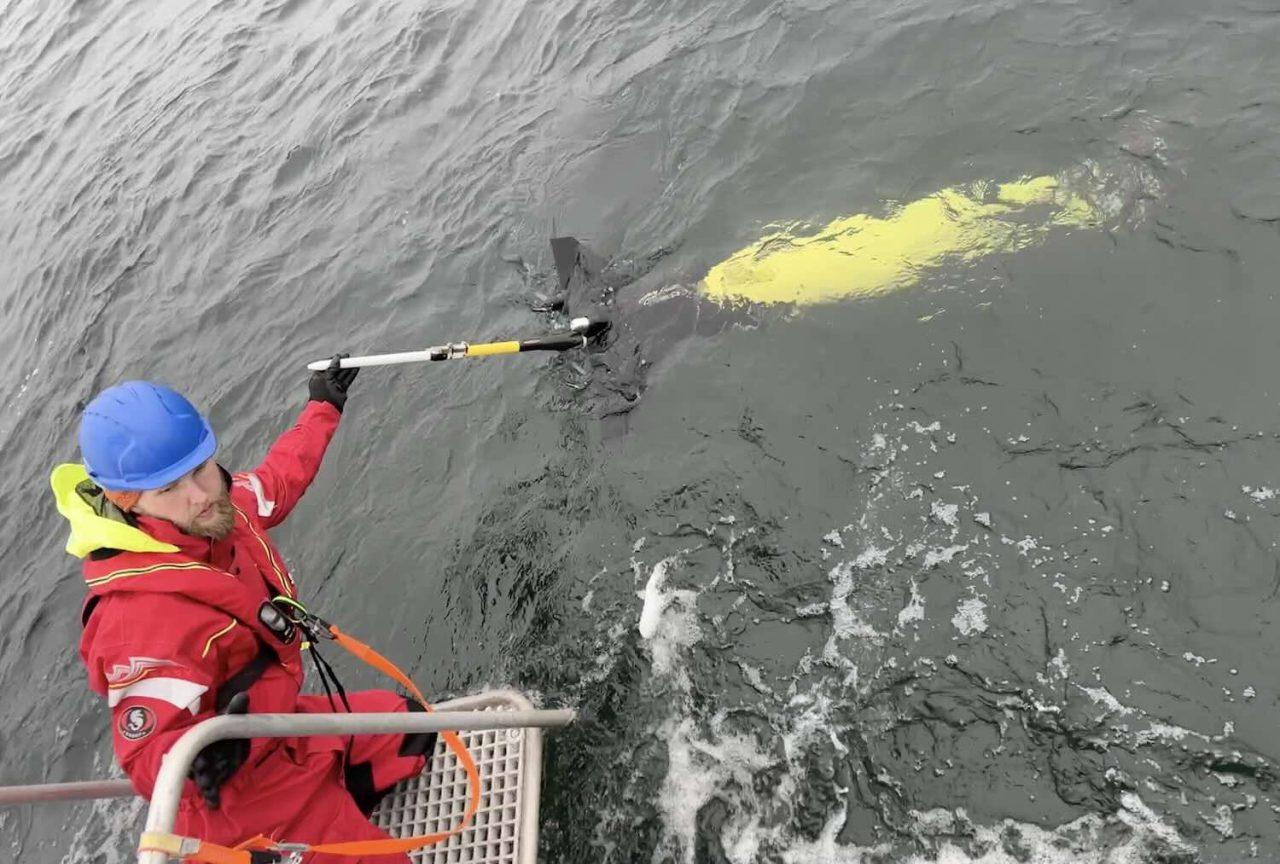
In February 2026, historically low water levels were recorded in the Baltic Sea, in some places, the lowest in almost 100 years. This was mainly due to a stable high-pressure system and strong easterly winds over Scandinavia, which pushed water out of the Baltic Sea. There was hope that fresh, oxygen-rich and salty water would flow in from the North Sea to the heavily tested inland sea and its oxygen-depleted seabed – but that did not happen. Find out why in the news report.

The UK and Norway have carried out a military operation to deter Russian submarines suspected of “hostile activities” in the North Atlantic.
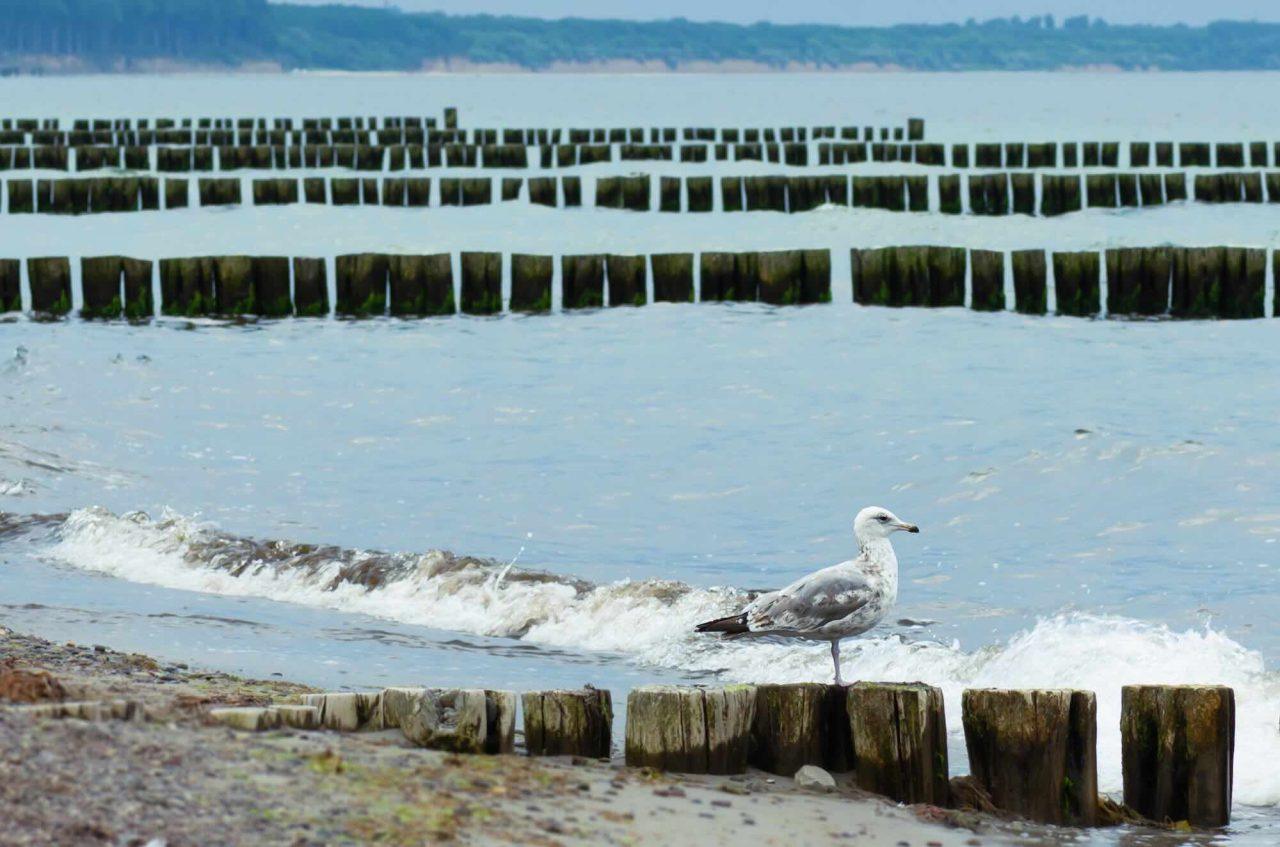
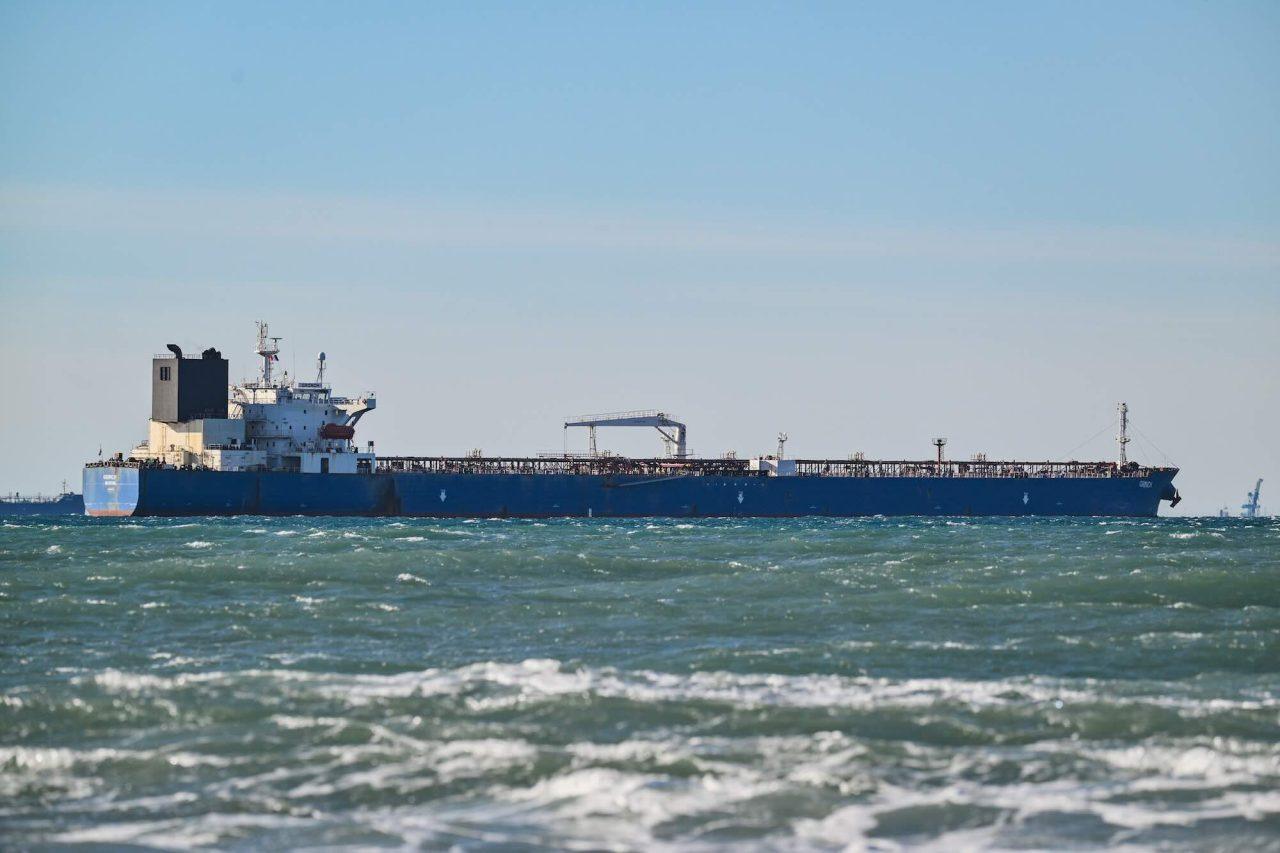
Two vessels suspected of belonging to the Russian shadow fleet remain off the coast of Trelleborg. In March 2026, the Swedish authorities boarded the vessels, which are believed to be transporting Russian oil under a false flag. Russia regards this type of action as piracy.
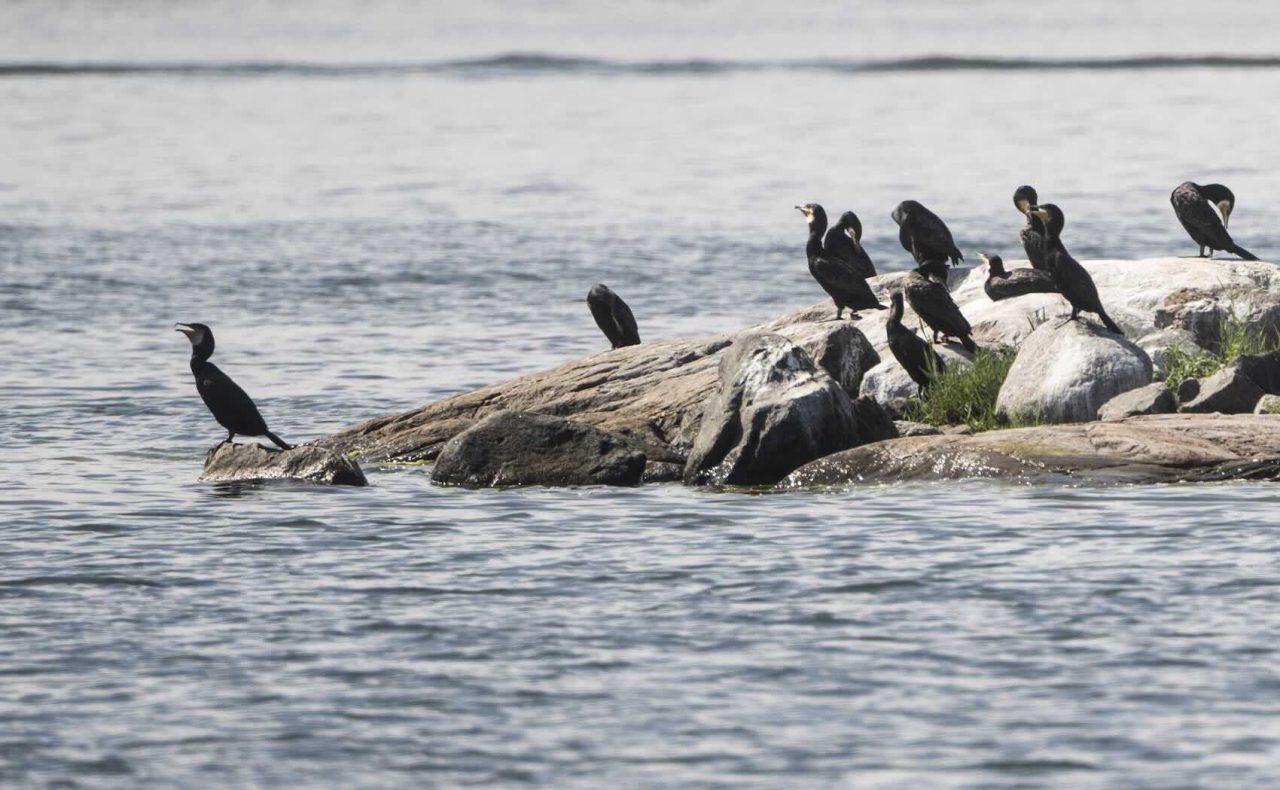
The European Commission is presenting new guidelines on how Sweden and other countries can tackle growing cormorant populations. “We are continuing to protect birds and fish, whilst providing farmers, fishermen, foresters and businesses with practical and balanced rules,” writes Environment Commissioner Jessika Roswall in a press release. ”Vi fortsätter att skydda fåglar och fisk och ger samtidigt bönder, fiskare, skogvaktare och företag fungerande och balanserade regler”, skriver miljökommissionären Jessika Roswall i ett pressmeddelande.
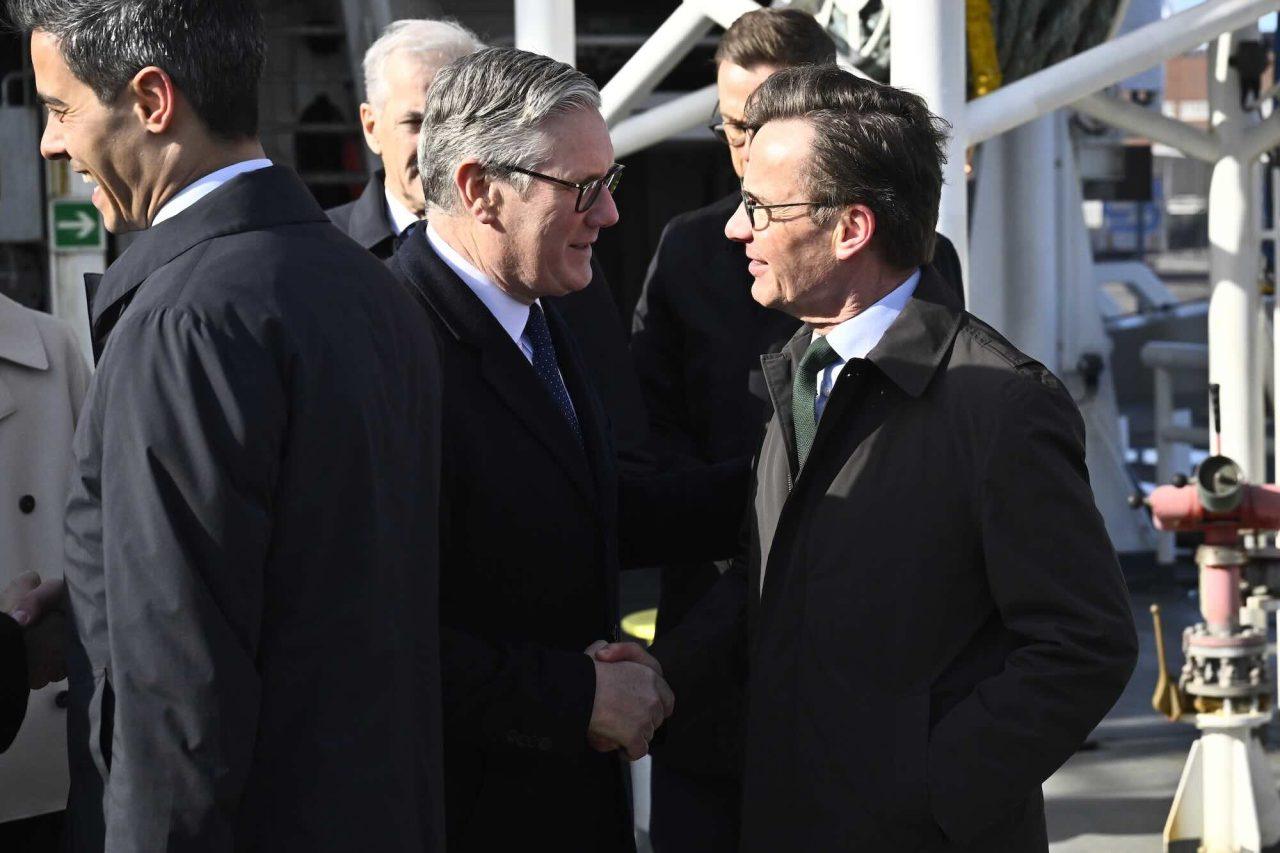
The Russian shadow fleet is a hot topic as the ten countries in the UK-led defence partnership JEF meet in Helsinki. ‘The shadow fleet must be tackled more rigorously,’ says British Prime Minister Keir Starmer as the meeting begins.

Keep Sweden Tidy has been working with various partners in Finland and Estonia to remove abandoned fishing gear from the Baltic Sea. At the same time, it has been raising awareness of the problem of ghost nets, amongst other things, among recreational anglers and the general public. Over the three years the project has been running, nearly 9,000 metres of ghost nets and over two tonnes of lost fishing gear have been retrieved from the sea.
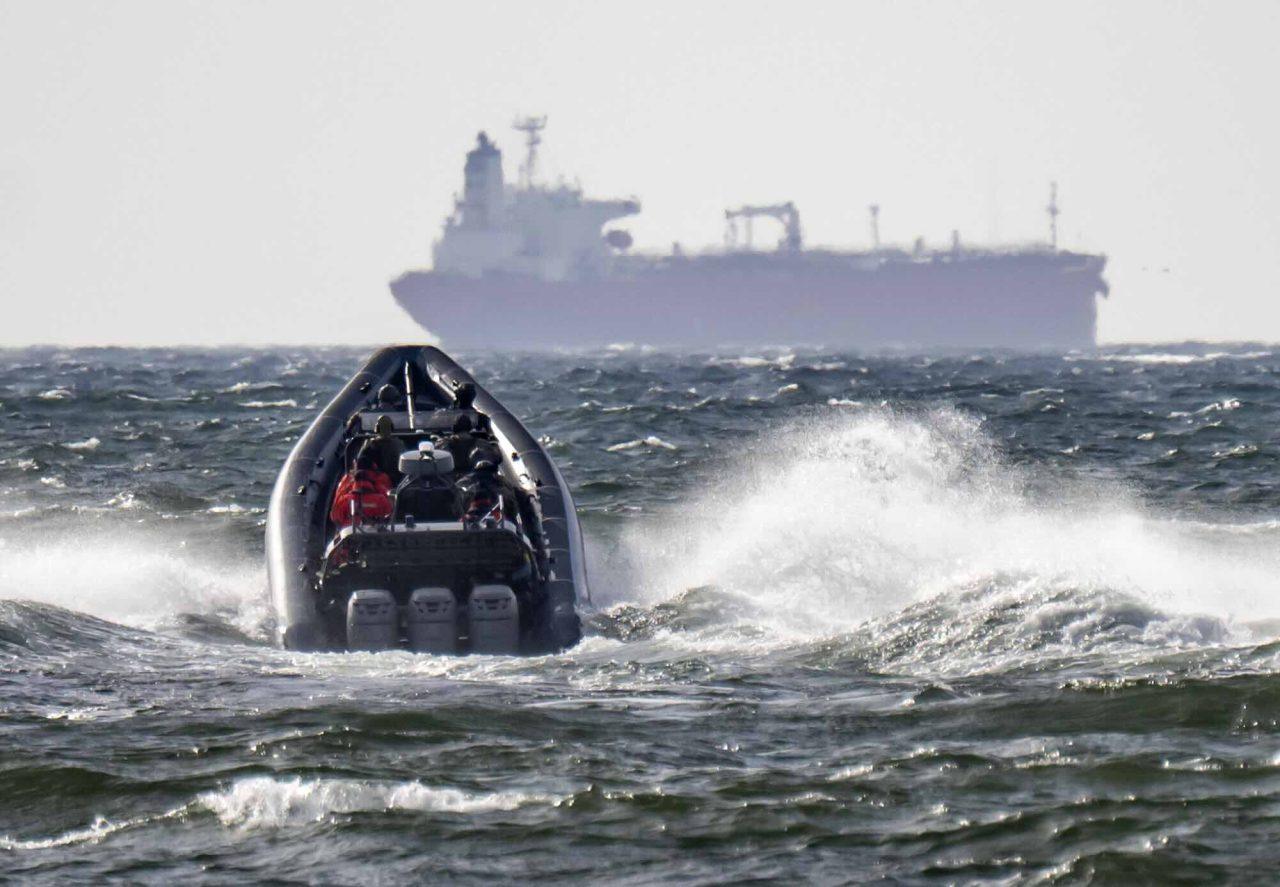
It may be some time before the two vessels, which are suspected of being part of the Russian shadow fleet, are able to leave Swedish waters. ‘It will probably not happen quickly,’ says Mattias Lindholm, press officer at the Swedish Coast Guard.

