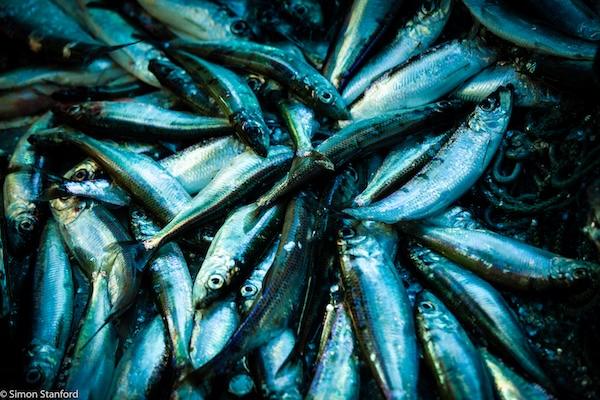
73 per cent want to ban large-scale fishing for fishmeal in the Baltic Sea.

Despite constant warnings, the European Commission is proposing an increase in fishing in the Baltic Sea for next year.
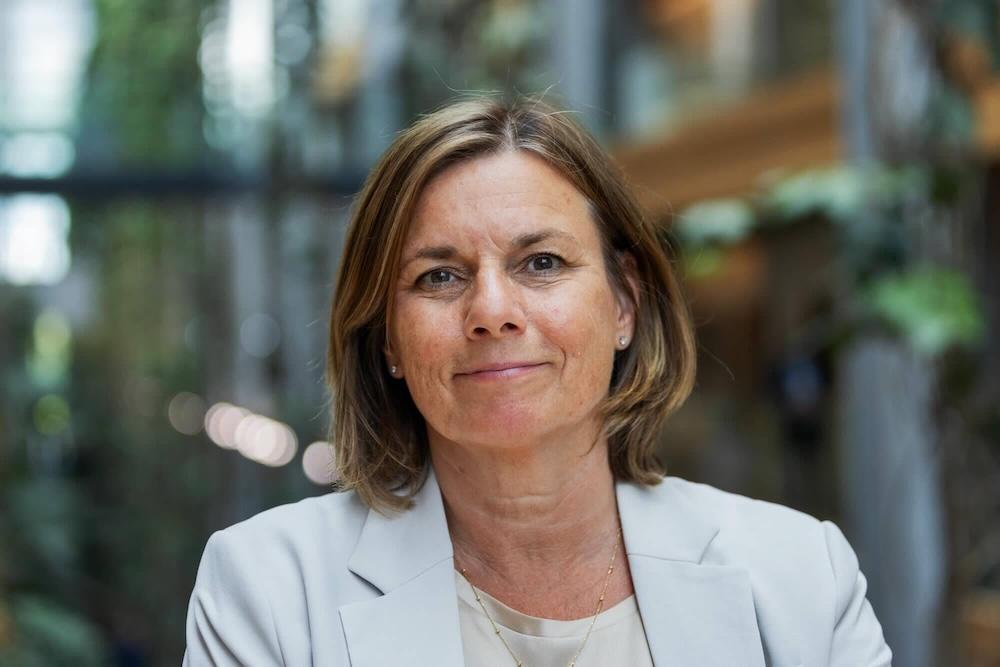
The European Parliament is pushing to ban industrial trawlers in the Baltic Sea. “A strong message,” says Isabella Lövin (the Swedish Green Party) following a vote in Strasbourg.

More than 20 migrants have died off the coast of Greece, reports AFP.

When I try to sum up the past year, I see how our reporting has spread in many different directions. From climate to overfishing, from ‘beautiful pictures’ to intelligent fish and dead seals on Swedish beaches. One might think that we should have focused more, or one might choose to see that we have succeeded in covering a range of issues that all concern the sea. Our most important hub – the foundation of all life.

More than 3,000 migrants died in 2025 while attempting to reach Spain, according to a report. According to the organisation behind the report, this is a sharp decrease compared to the previous year.

Laws alone are not enough to stop global overfishing. That is the view of researcher Frida Bengtsson, who has investigated what else is needed to create a sustainable fishing industry.

The International Council for the Exploration of the Sea (ICES) is the organisation that provides scientific advice to the EU when deciding how much fishing is allowed each year. A new study from ICES shows that their calculation method may result in advice that implies a greater risk of excessive fishing pressure than previously thought.

The European Commission proposes that the fishing quota for herring in the central Baltic Sea – which was doubled this year amid widespread criticism – be kept. At the same time, it wants to reduce herring fishing in the Gulf of Bothnia.

Everything we do in the high sea, risks causing damage that cannot be repaired. That's what a group of leading scientists say in a recent article published in the journal Nature. They say it's damaging biodiversity, affecting the climate, and creating huge inequalities in how resources are shared. It is time, they write, that we decide to save the ocean.

At 99 years old, Sir David Attenborough delivers the most important film of his career. The hope is that ‘Ocean’ will play a decisive role in saving biodiversity and protecting the planet from climate change.

Overfishing is when we catch more fish than can be born. This leads to a steady decline in populations. Overfishing is a threat to marine fish - but there may be a bigger threat. Listen to scientist Mark Erdmann talk about how climate change and overfishing are linked.

In Raja Ampat, Indonesia, marine life has made a remarkable recovery, thanks to the establishment of large marine protected areas. However, not all species have bounced back. It’s estimated that only 20 adult Indo-Pacific leopard sharks remain, severely impacted by overfishing. Can this species be saved? And why is that important?

More and more migrants are taking the so-called Atlantic route to the Spanish Canary Islands. Last year, a record 46 843 migrants arrived on the archipelago, according to official figures.

Daniel: The tragic tale of an Indonesian deckhand and his brutal voyage on a Chinese squid ship.

The Chinese fishing fleet is a great power on the sea. It fishes far out to sea where no country's laws reach, and it fishes more than any other nation right now. And it does so at a terrible human cost.

Fishing for herring and sprat in the central Baltic Sea can increase by 139 percent, according to ICES, the International Council for the Exploration of the Sea, which today published its recommendations to the EU for fishing in 2025.

The UK's Blue Marine Foundation, a marine charity, is taking the UK to court for allowing overfishing in British waters. And above all, that it happens opposite to the levels that science says is possible to raise.

The conflicts within Swedish fishing are very fierce. Small-scale coastal fishermen on the east and south coasts face a small number of giant trawlers from the West Coast. I was looking forward to tough discussions and fruitful exchanges at this year's Fishing Forum. But met with pleasant company in a luxurious mingling environment.

Overfishing and new hydroelectric dams are among the reasons why a fifth of the fish species in the Mekong River in Asia are threatened with extinction, according to a report from, among others, WWF.

On Sweden's west coast lies the Western Sea with Sweden's saltiest water and the largest marine biodiversity. The Western Sea includes both Kattegat, Skagerrak, and the Øresund and is home to species such as mackerel, kelp, octopus, sea stars, corals, dolphins, and a total of 17 species of sharks.

Since almost four years ago, we have license hunting on gray seals, since two years on harbor seals and protection hunts on ringed seals since several years ago. We hunt all three seal species along the Swedish coast and there are several reasons.

Researchers have now established that the harbor seals in the Kosterhavet area are becoming increasingly scarce. Last year, only half of the females gave birth to pups. This is according to research from the University of Gothenburg, following this year's seal count. – We were very surprised. These low numbers cannot be dismissed year after year, says Karin Hårding, professor of zoological ecology at the University of Gothenburg and the leader of the project.

In 2023, relatively many lobsters were caught in the Swedish and Norwegian waters, but this was not because the number of lobsters has increased, on the contrary.

