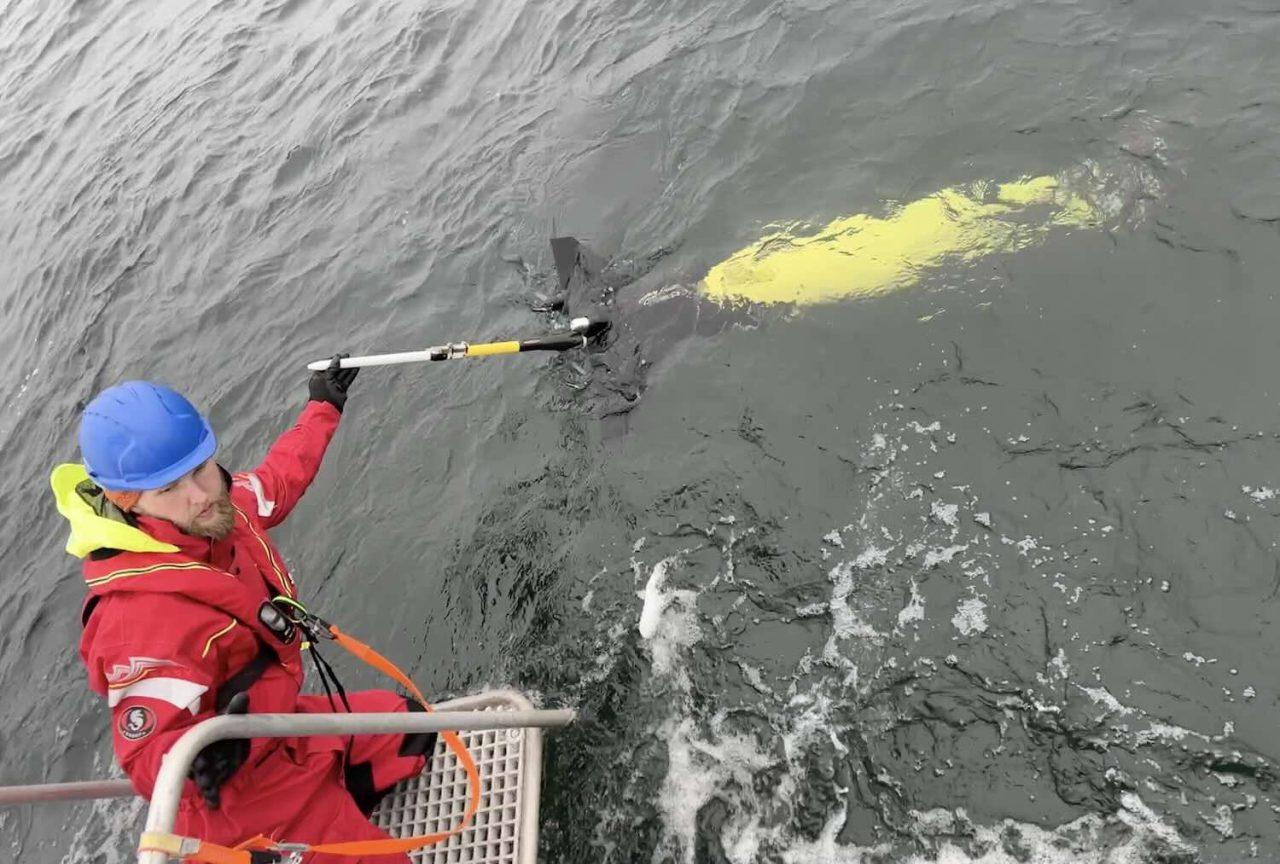
In February 2026, historically low water levels were recorded in the Baltic Sea, in some places, the lowest in almost 100 years. This was mainly due to a stable high-pressure system and strong easterly winds over Scandinavia, which pushed water out of the Baltic Sea. There was hope that fresh, oxygen-rich and salty water would flow in from the North Sea to the heavily tested inland sea and its oxygen-depleted seabed – but that did not happen. Find out why in the news report.

When researchers talk about ‘missing data,’ they are referring to replacing previously estimated values with actual, real values in various explanatory models. This can be particularly important in climate change models. Even though approximate values provide a good picture of future climate change, the more reliable the measurement points are, the more robust the model becomes.

Fish behavior, toxic algae, and the role of the sea in climate. These are some of the topics that marine research can address. Diverse subjects, but with a common goal: to better understand what happens beneath the surface.

On September 26th, both Nord Stream gas pipes ruptured, leading to enormous gas leaks outside of Bornholm in the Baltic Sea. Voice of the Ocean Foundation and University of Gothenburg quickly set up operations to monitor both what was happening from an oceanographic point of view, and also the methane directly. To see how it spread and how it remained over time.

For the first time, we will now find out what happens during the winter, with carbon dioxide uptake and salinity and thus get more accurate data to put into different climate models to get more accurate predictions about the future

