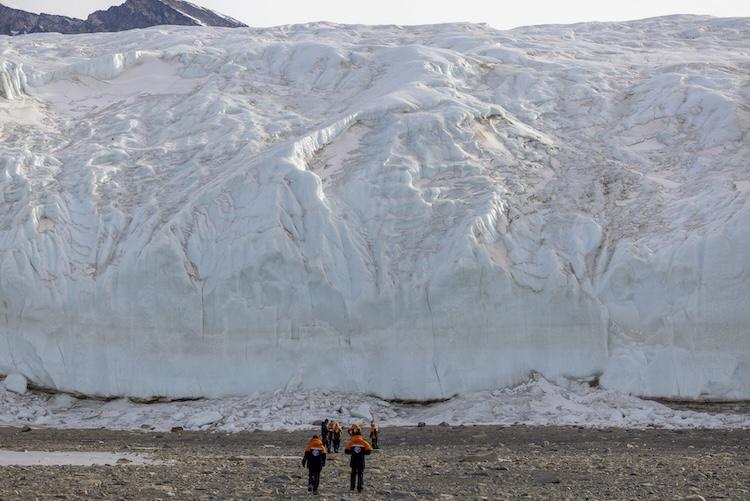
Greenland and Antarctica have lost 11.3 trillion tonnes of ice since the 1970s. This has raised global sea levels by more than three centimetres, according to a new study.
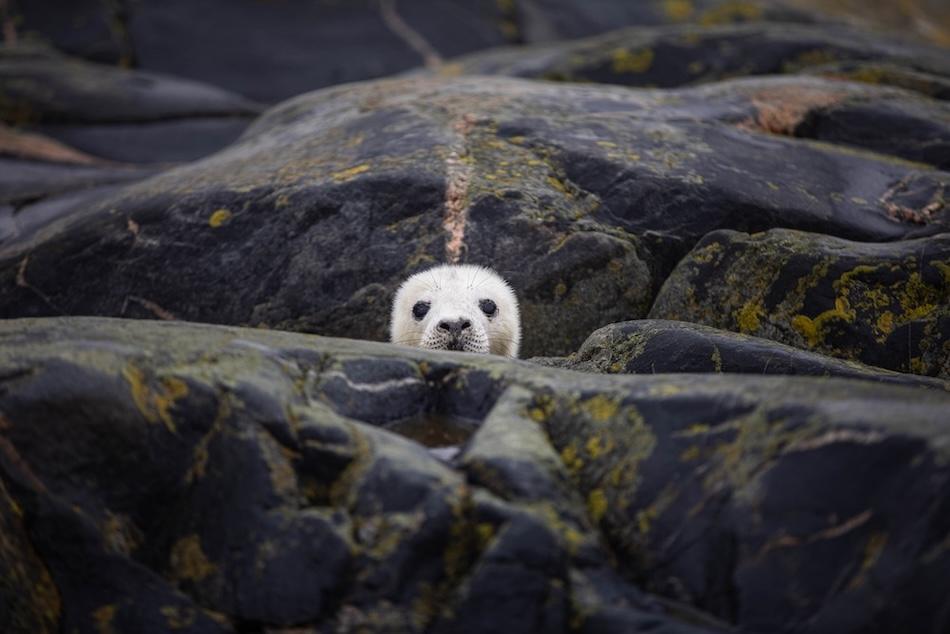
It is difficult to say at this stage how much weight issues relating to the oceans and climate change will carry during the next parliamentary term, but three parties with climate and environmental policies have seen their support grow: the Green Party, the Left Party and the Centre Party.
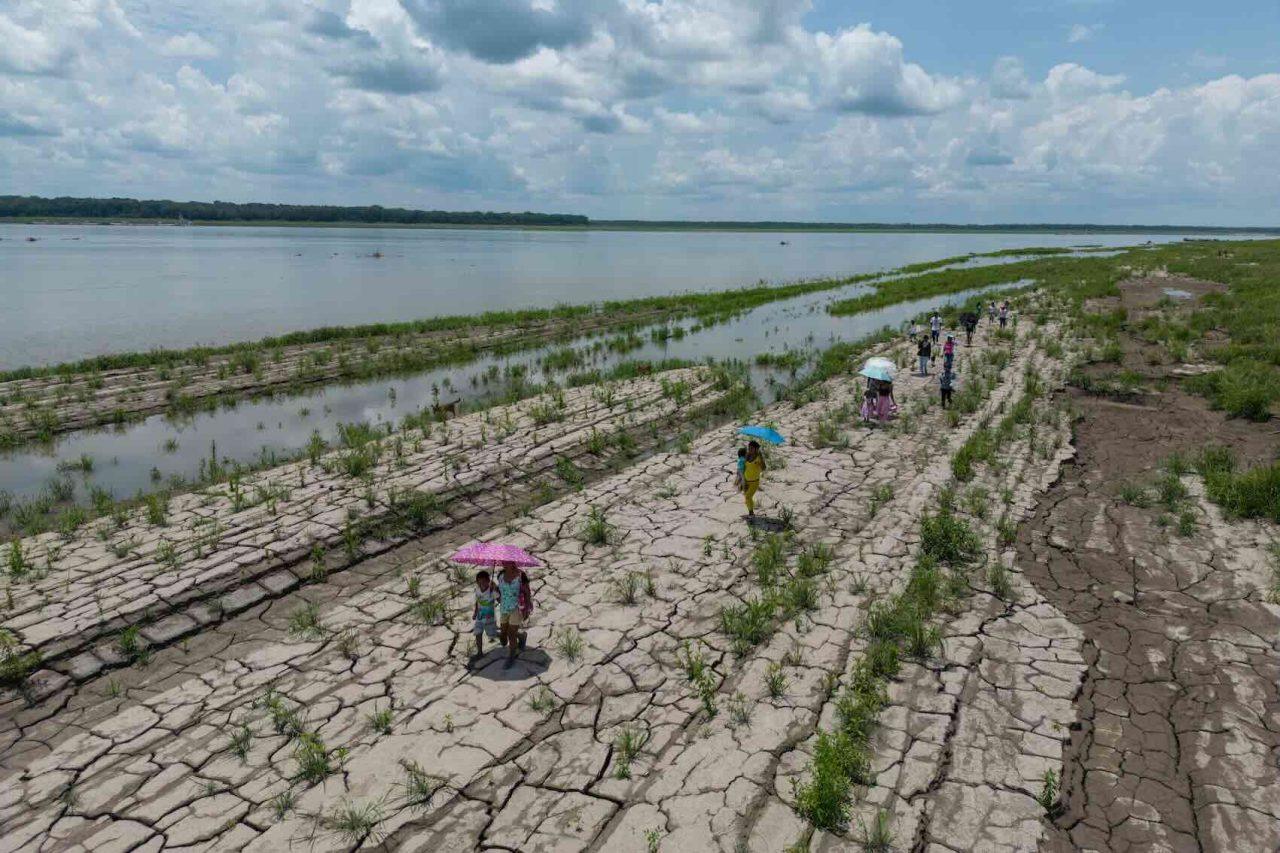
The El Niño weather phenomenon is in full swing and is expected to cause weather disturbances until at least February next year, according to the World Meteorological Organisation (WMO).
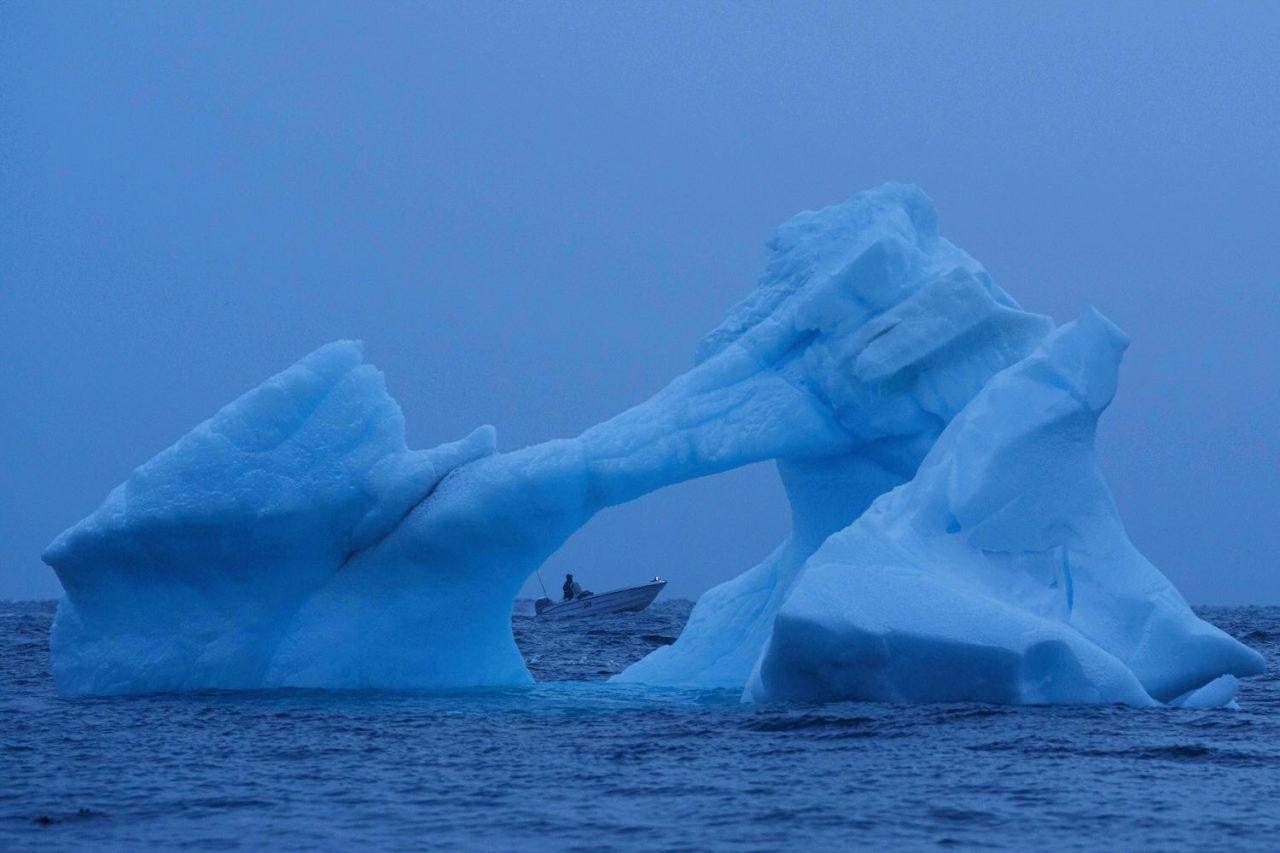
Is the Gulf Stream on the verge of collapsing and causing chaos in the Earth’s climate? Several high-profile reports have warned that this is about to happen. But this is one of the few climate issues on which the scientific community remains deeply divided. Men frågan är en av få klimatfrågor där forskarvärlden fortfarande är djupt oenig.
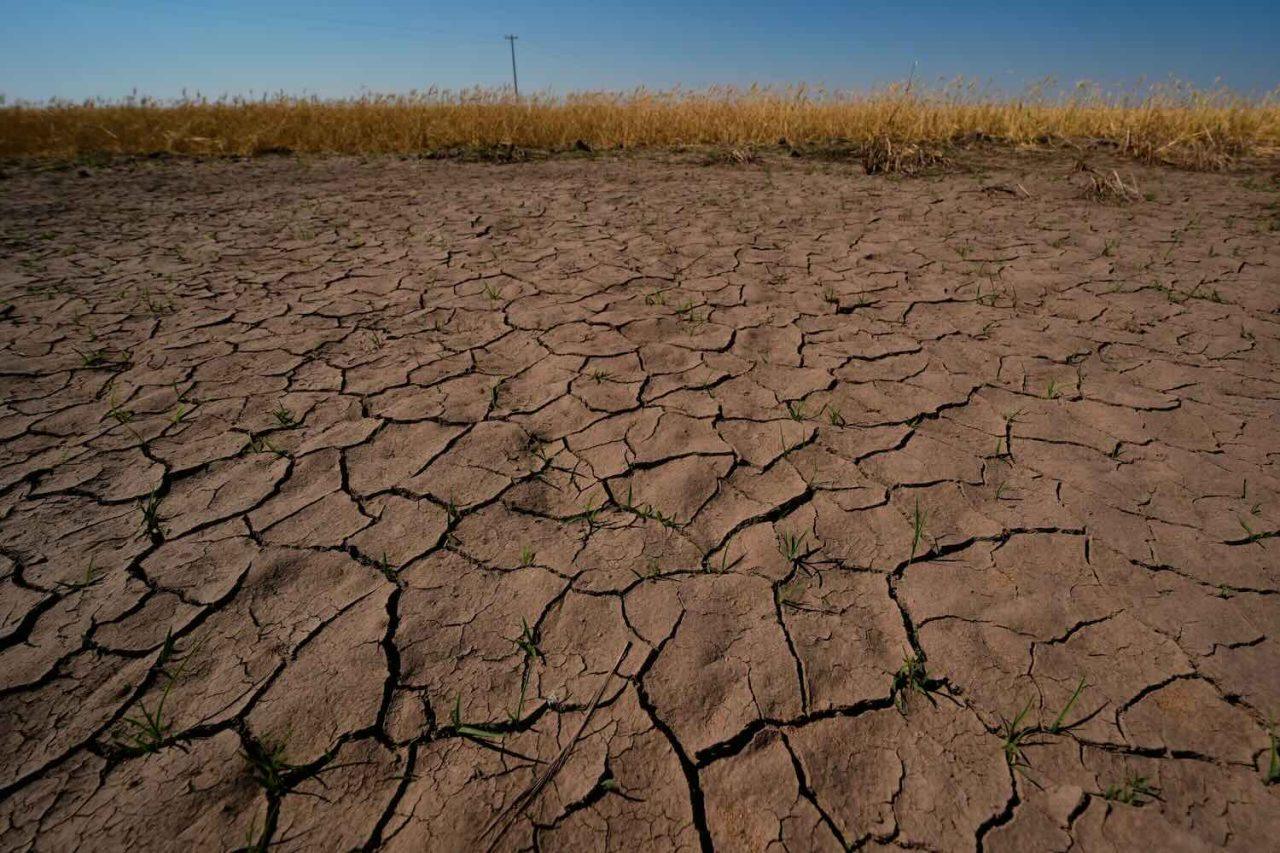
According to a new study, the El Niño weather phenomenon is becoming more intense as a result of climate change.
El Niño events are around 36 per cent more intense than they were before industrialisation. And this trend has accelerated over the last four decades.
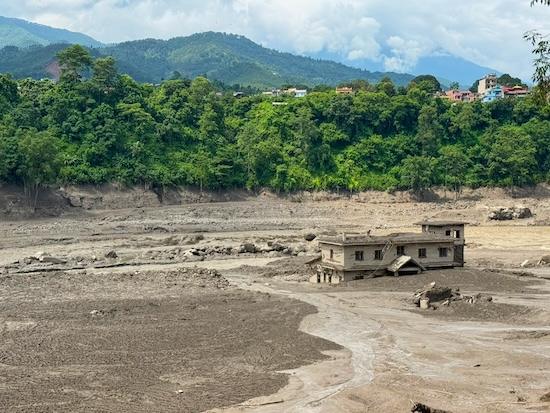
A collapsing glacier and a landslide are likely to have triggered the mudslide disaster in Nepal.
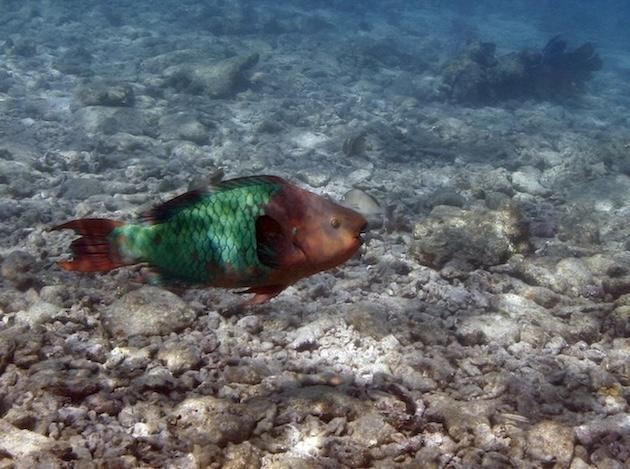
The average sea-surface temperature has exceeded 21.1 degrees. It has not been this warm for as long as records have been kept. The record was set on 21 August, according to the EU’s Copernicus Climate Change Service, whose data series outside the polar regions dates back to 1979. What stands out is that the temperature […]
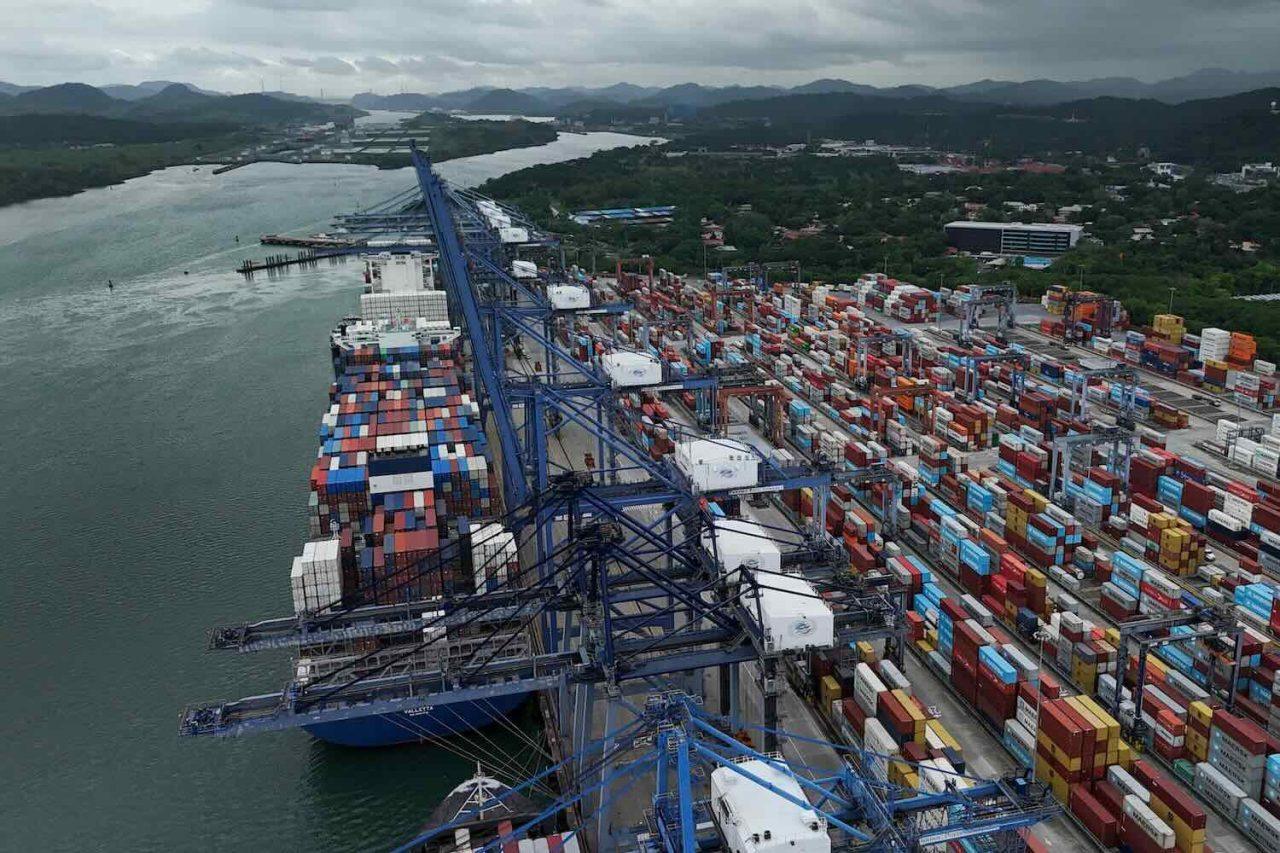
From next month, fewer ships will be allowed to pass through the Panama Canal. The reason is the drought, which has been made worse by the El Niño weather phenomenon.
The ocean’s remarkable ability to absorb almost all the excess heat we produce is beginning to wane. There are many reasons for this, and the ones that receive the most attention in the media and in research are global warming and the fact that the water is becoming increasingly acidic. But what is also happening is a rapid loss of dissolved oxygen. Put simply, the sea is running out of oxygen. And a sea that is gasping for breath is a cause for concern for the entire planet.
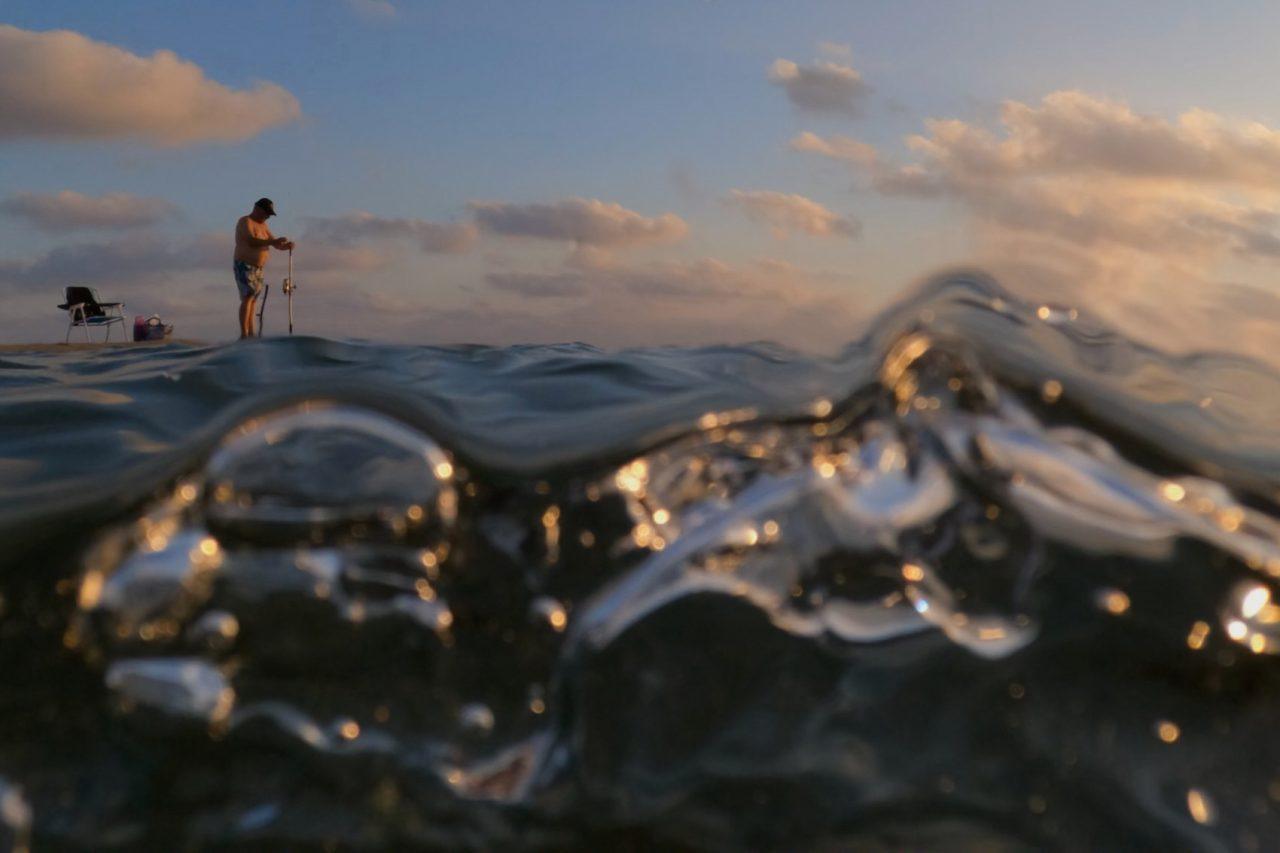
Octopuses appearing off the coast of Scotland and ‘paddling pool’ temperatures of 33 degrees off the coast of Mallorca. For two weeks in July, parts of the Mediterranean were warmer than ever before. The WWA research network has now calculated that such temperatures would have been impossible without human emissions.
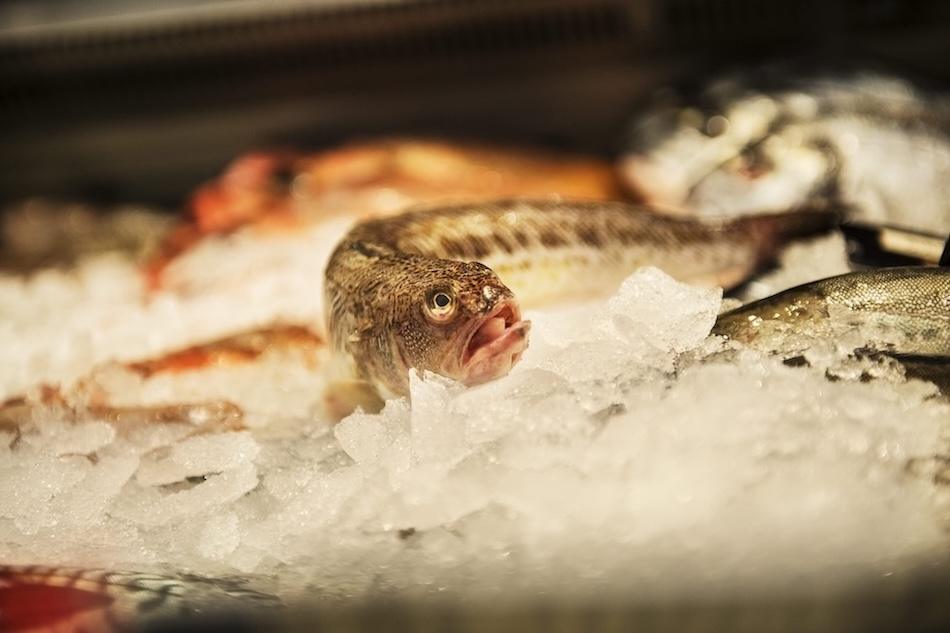
Never before have there been so many of the poisonous predatory fish known as the greater weever in the Kattegat. Commercial fishermen see commercial opportunities. But swimmers would rather avoid the creature that has been dubbed the ‘viper of the sea’. In just a few months this year, Danish fishermen have caught 800 tonnes of […]
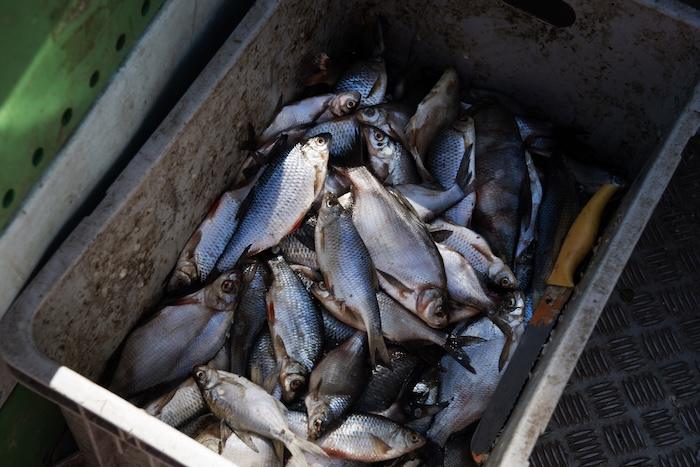
To help boost a fish stock in crisis in the Baltic Sea, CCTV is now being introduced on all fishing vessels over 24 metres, according to the organisation, Vi svenska fiskare. The initiative comes from both the Swedish and Danish fishing industries, which have observed how fish stocks are being affected by eutrophication, oxygen depletion […]
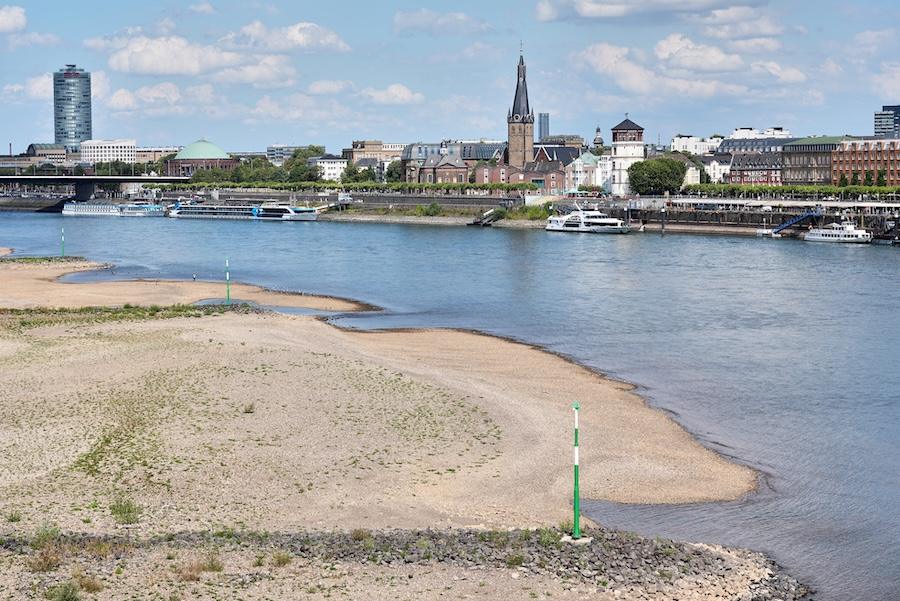
Western Europe is experiencing its hottest summer to date, and the sea has never been warmer during the month of July.In Western Europe, a persistent high-pressure system has made the period from June to July the hottest on record, according to the EU’s Copernicus Climate Change Service. The heat is exacerbated by dry ground, which […]
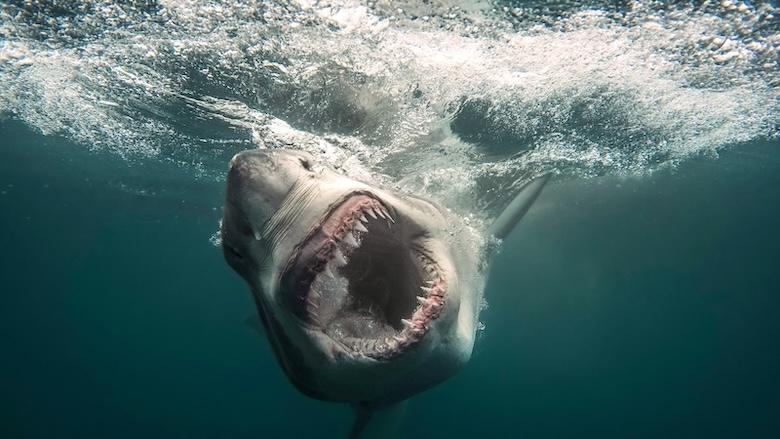
Large numbers of young great white sharks are expected off the Californian coast as the El Niño weather phenomenon intensifies, and researchers are warning of a ‘shark summer’. The sharks are not coming alone – the warm water from the south is also bringing with it stingrays and venomous sea snakes. Normally, colder, nutrient-rich water […]
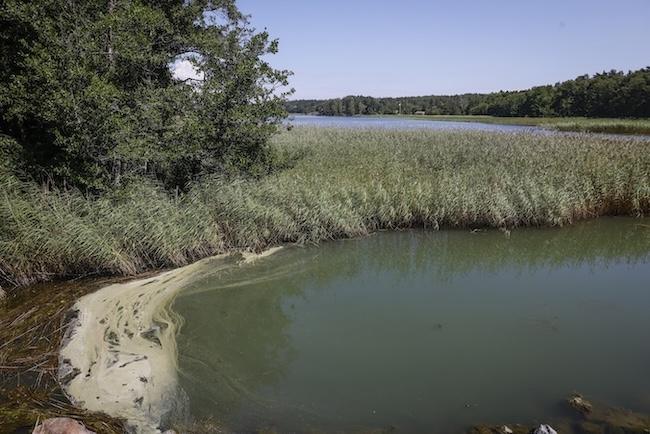
Vibrio bacteria have become increasingly common in Swedish waters. However, it is not yet known exactly how common they are or where they are found. Sweden lacks an overall picture of where they are found and who is at risk of becoming seriously ill from them, says researcher Betty Collin. Infections caused by Vibrio bacteria […]
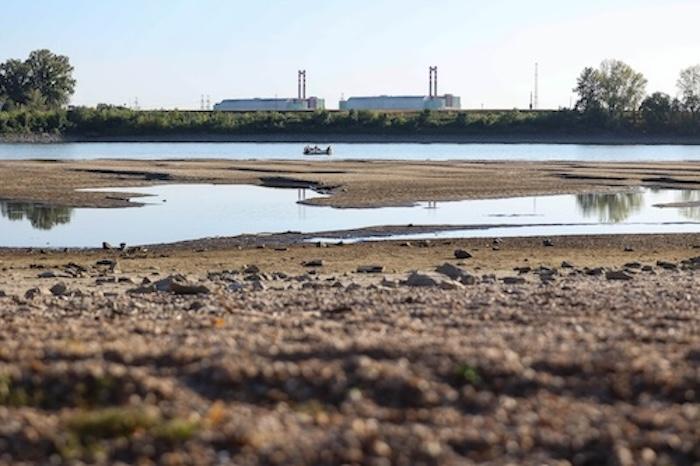
Nuclear reactors are being shut down, cargo barges are running aground and tourists keen to go swimming are met with mud. For the third time in a decade, water levels in the Danube, the Rhine and other major rivers are extremely low. ´The summer season is already over as far as boat trips are concerned,´ […]
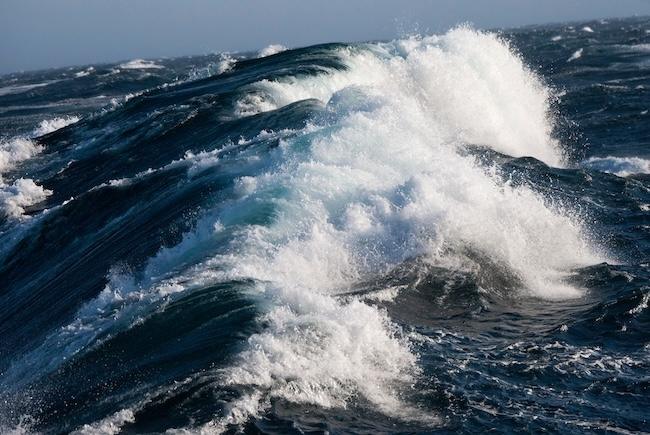
In an opinion piece recently published in the swedish daily newspaper, Svenska Dagbladet, Johan Rockström, Professor of Earth System Science, and his colleague Wendy Broadgate, PhD in Marine Chemistry, describe the importance of the Swedish Government drawing up a contingency plan as a matter of urgency in the event that the AMOC ocean current system […]
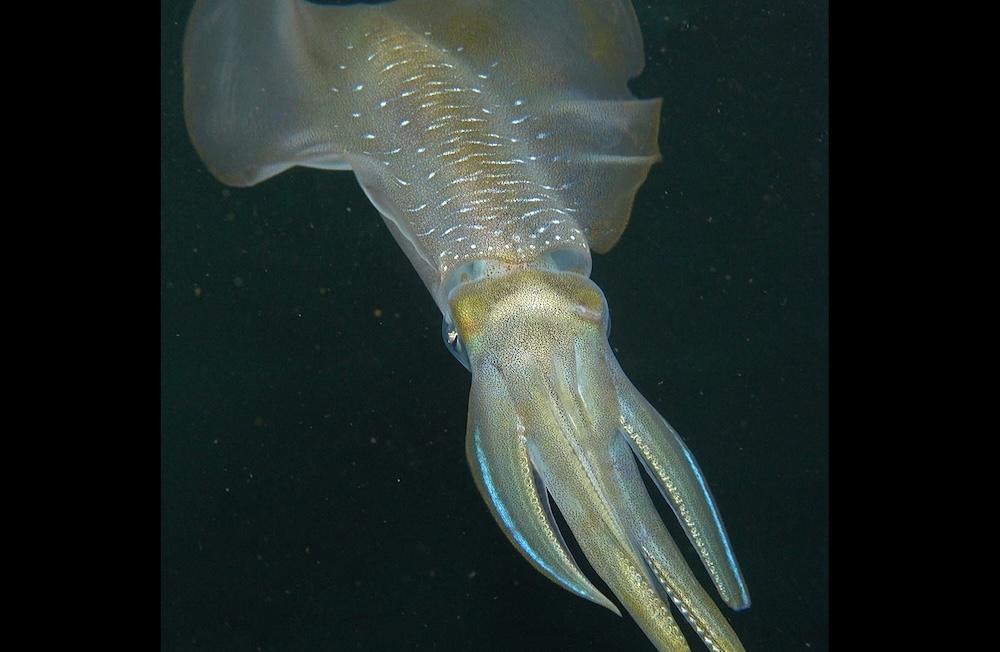
Our carbon dioxide emissions are causing the world’s oceans to become increasingly acidic. Researchers have now discovered unexpected side effects of this in octopuses – their brains are shrinking dramatically. It is well known that, in the long term, ocean acidification could lead to what are essentially catastrophic conditions for many marine organisms. At present, […]
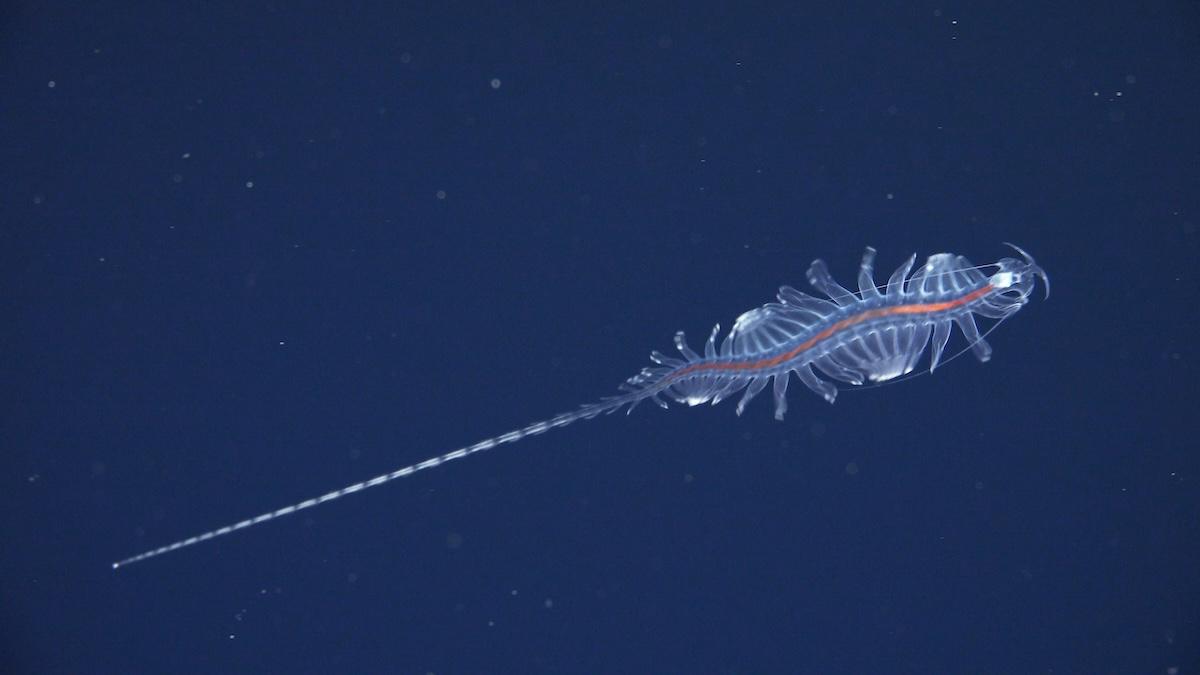
Using state-of-the-art imaging systems, an international research expedition has confirmed the existence of a host of new deep-sea species off the coast of Brazil. These were found in what is known as the ‘mesopelagic zone’ – the part of the ocean that boasts by far the greatest biodiversity on the entire planet but which is […]
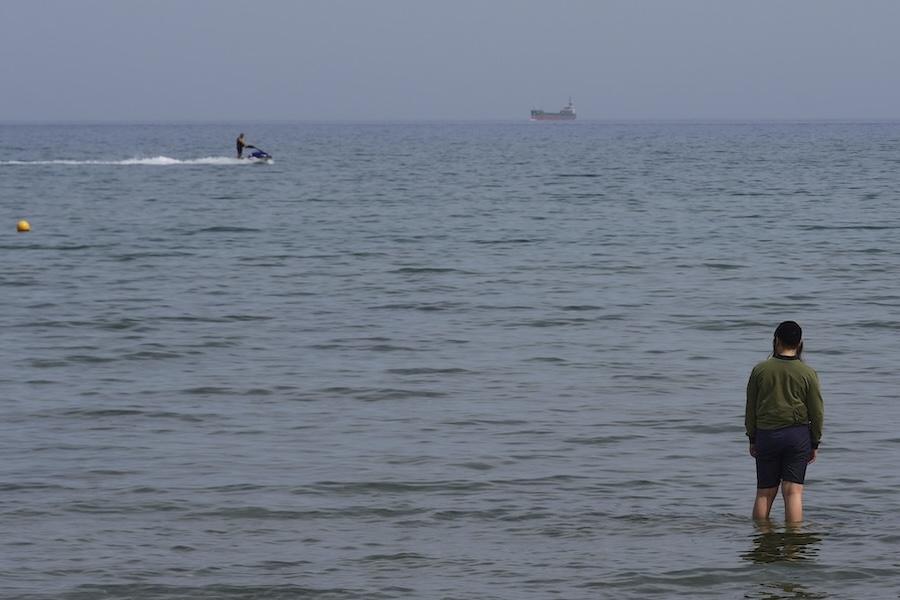
In June, the world’s oceans were warmer than ever before. According to researchers, temperatures may rise further in the coming months.
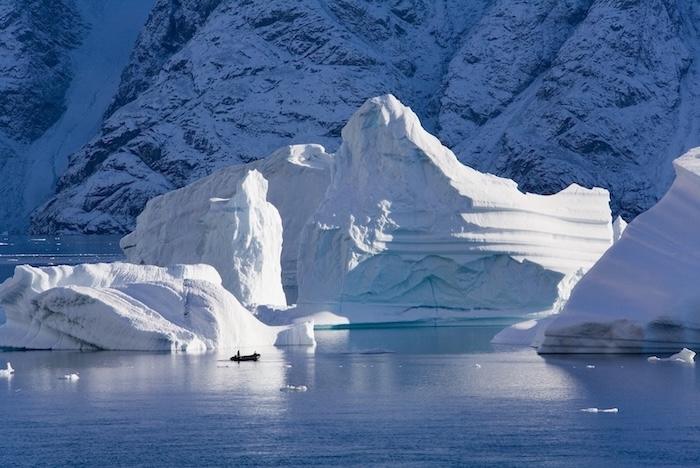
The information on the new platform http://www.climate.us is based on data from the formerly popular federal website Climate.gov, which was run by NOAA. (National Oceanic and Atmospheric Administration) One of the government agencies that has seen its budget drastically cut since Donald Trump returned to power in January 2025.
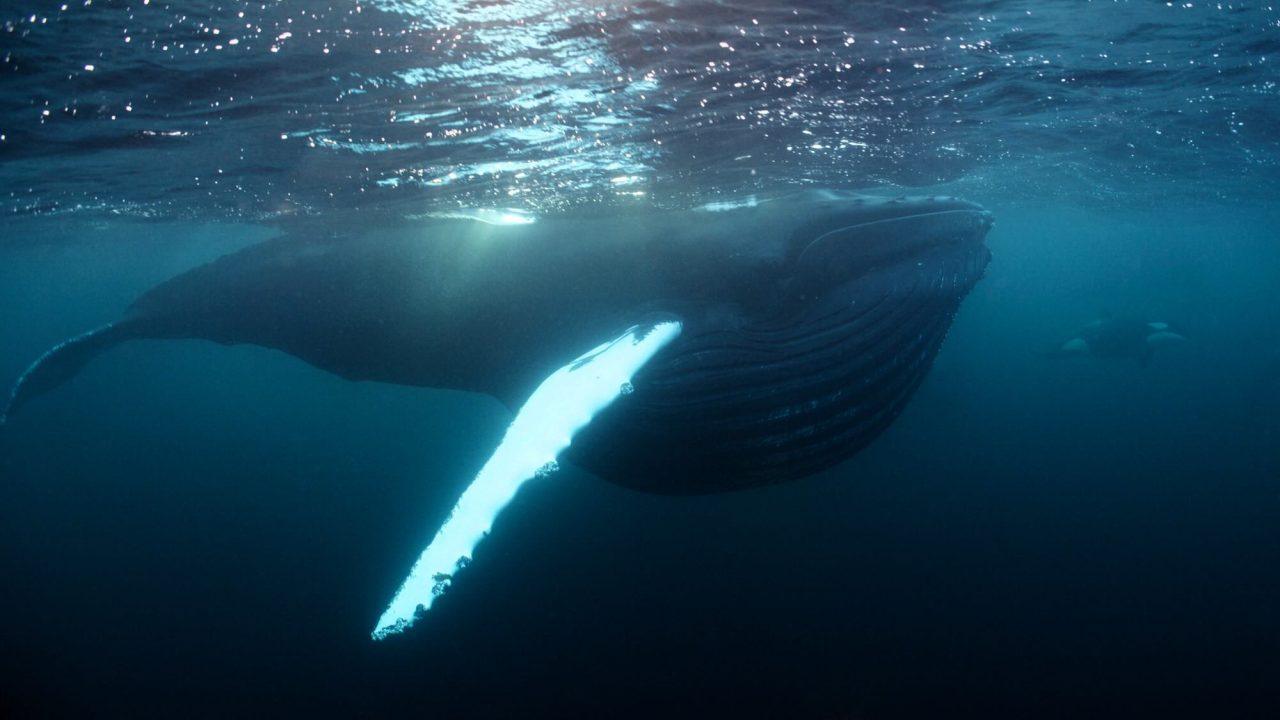
Sound is the whale’s most important tool for finding food, navigating and finding a mate. Now, global warming is wreaking havoc in the oceans. As the acoustic landscape changes, whales are forced to move, alter their mating calls – or fall completely silent when hunger takes over.
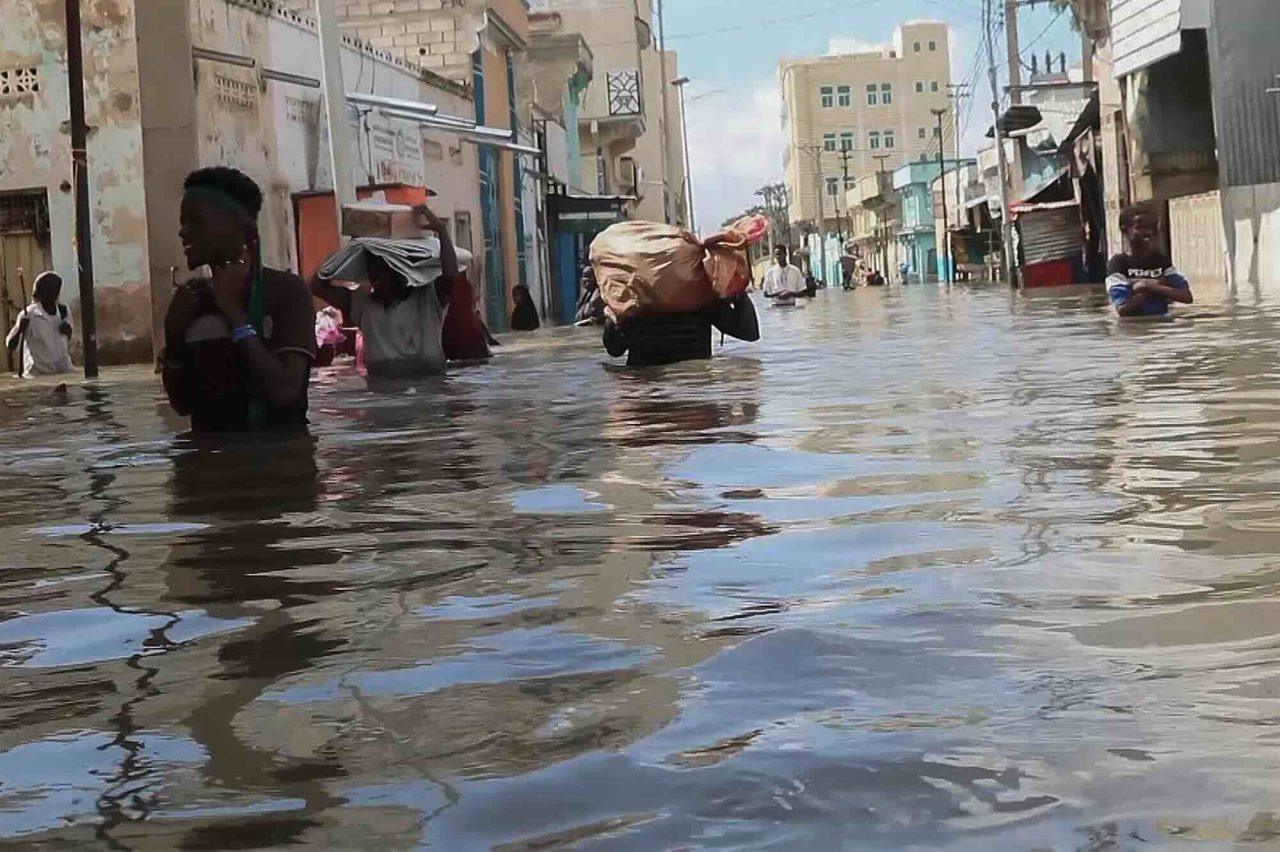
Scientists and government agencies are closely monitoring developments in the Pacific Ocean. A new El Niño could lead to sharply rising temperatures and global heat records in the coming year.

