The Sea Makes the Climate Crisis Twice as Expensive
The costs of climate change almost double if the impact on the oceans is also included in the calculations.
‘If we don’t put a price on the damage that climate change causes to the oceans, it will remain invisible to key decision-makers,’ says environmental economist Bernardo Bastien-Olvera.
Text: Lena Scherman
Researchers at the Scripps Institution of Oceanography at the University of California San Diego have calculated the true cost of the damage to the oceans caused by climate change. This includes, for example, how damage to coral reefs threatens their ability to cope with warmer waters, which in turn has enormous consequences for millions of people around the world. This results in major economic losses when fishing is affected or the tourism industry disappears.
‘If we don’t put a price on the damage that climate change causes to the oceans, it will be invisible to key decision-makers,’ says environmental economist Bernardo Bastien-Olvera, who led the study during a postdoctoral fellowship at Scripps Oceanography.
“Until now, many of these variables in the ocean have had no market value, so they have not been included in the calculations. This study is the first to assign monetary values to these overlooked effects on the ocean.
It is also the first time that researchers have included the impact of the ocean when calculating the cost of climate change, and the result was an almost doubling of the costs to society.
Communities depend on the sea
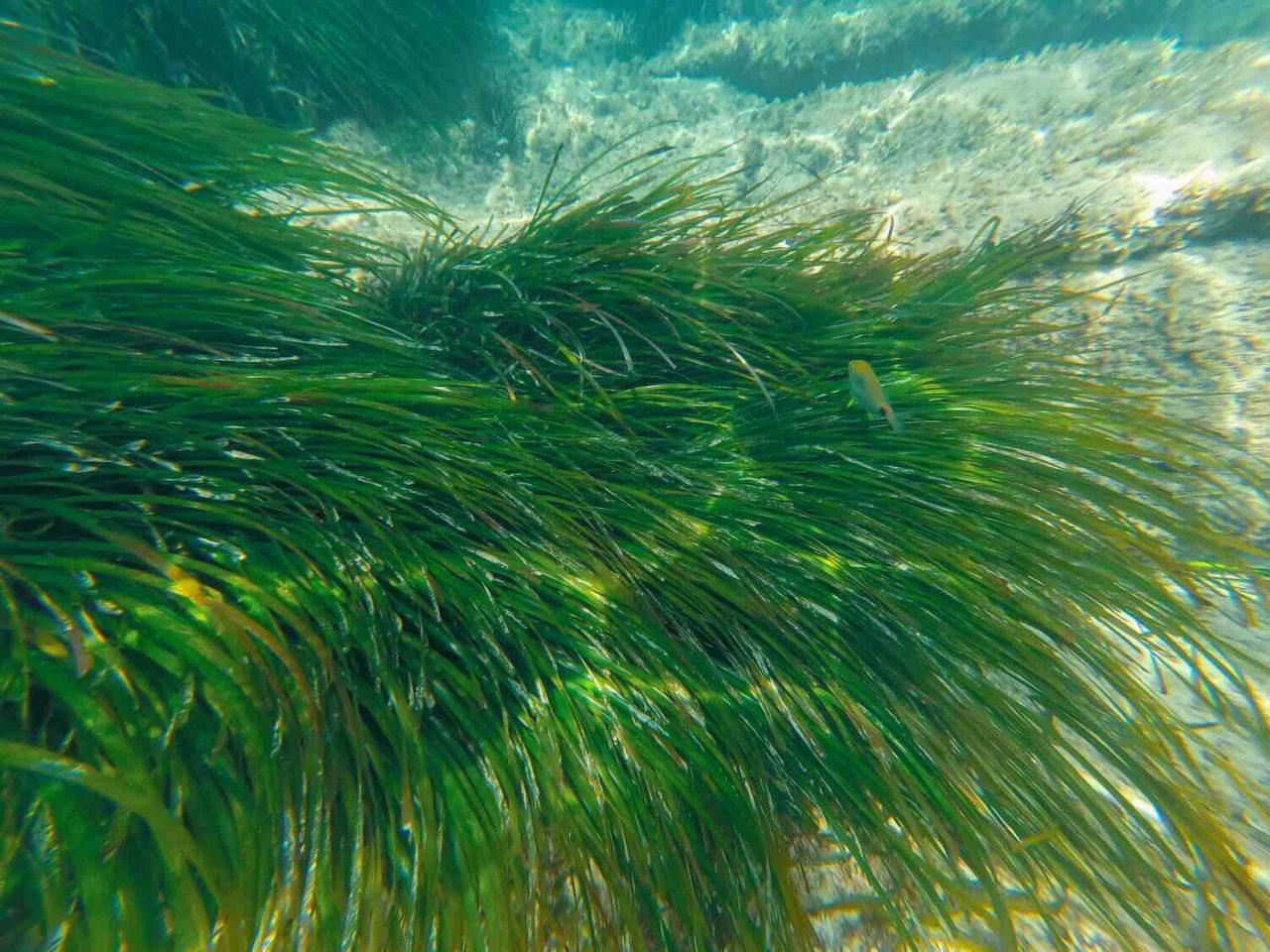
The carbon dioxide that humans release into the atmosphere warms up the sea temperature and causes changes in the chemical composition of the sea, reducing its ability to retain oxygen. Rising sea temperatures provide more energy that drives extreme weather. This has effects on ecosystems, specific species, sea grass and kelp forests, and infrastructure around the sea.
Although we humans depend on the sea for everything from trade and nutrition to leisure activities, the sea has not been included in previous models of climate costs. What the researchers did in this study was to look at the direct market values represented by reduced income from fishing and reduced trade. They also took into account non-market values such as the potential health effects of reduced access to nutrition from affected fishing areas or recreational opportunities by the sea. To this, they added intangible values such as the value people place on enjoying healthy ecosystems and biodiversity.
Important to look at the real costs
Knowing the true costs of climate change is particularly important for politicians and economists to be able to make relevant and accurate decisions.
‘Protecting the environment can involve high initial costs, so we need methods for considering the trade-offs we make as a society,’ says Kate Ricke, climate researcher and associate professor at Scripps Oceanography and the School of Global Policy and Strategy, and one of the authors of the study. Ricke also led a study in 2018 that estimated countries’ contributions to the social costs of carbon dioxide.
“There are things that people value and benefit from that cannot easily be converted into money, and the ocean is particularly difficult to assign monetary values to. The “blue” social costs of carbon dioxide are a new framework for recognising these values.
The research team’s findings were published on 15 January in the journal Nature Climate Change.
Read the full article here. ”Accounting for Ocean Impacts Nearly Doubles the Social Cost of Carbon”
About Deep Sea Reporter: Our ambition is to examine and report on issues related to the sea and the life that exists beneath its surface. We operate in the public interest and are independent of political, commercial, and other interests in society.