Our planet relies on the oceans as climate regulators. At the same time, the effects of our emissions are most evident in the oceans. Today, eutrophication, climate change, ocean acidification, and invasive species are some of the challenges the oceans face. The Ocean – A key player in climate
The oceans are already significantly impacted by human activity, making them sensitive to further influence from climate change. Habitats of species may disappear, shift, or shrink, while others gain access to new distribution areas. This can lead to a reduction in biodiversity, exacerbating the oceans’ resilience against, for example, climate change.
According to the International Panel on Climate Change (IPCC), over 90 percent of excess heat and between 20 and 30 percent of carbon dioxide emissions have been absorbed by the oceans. Carbon dioxide is absorbed by the oceans as the gas dissolves in water, and phytoplankton in surface waters take it up and bind it in organic material through photosynthesis. Phytoplankton are then consumed by zooplankton, which, along with other organisms, fall towards the ocean floor as marine snow when they die. This process allows large amounts of carbon from the upper layers of the ocean to reach deeper layers which is crucial for the organisms there. The transport of carbon to the bottom also ensures that it remains in the oceans much longer than if it were to stay in the surface layer, potentially leaking carbon dioxide back into the atmosphere.
One effect of increased emissions of greenhouse gases is ocean warming. When the oceans become warmer, the entire ecosystem is affected. Fish size may change, algal blooms and dead zones increase, and many species such as eelgrass, harbor seals, and mussels struggle to survive. Furthermore, as water becomes warmer, it becomes more challenging for the oceans to absorb carbon dioxide, potentially worsening climate change further.
The warming of the oceans is now the fastest in at least 11,000 years. Although it can be slowed down with powerful measures, the stored heat energy contributed so far will continue to warm our planet for hundreds or even thousands of years.
The oceans play a large role in how we experience the climate on our planet. Thanks to the Gulf Stream, Nordic countries for instance have a relatively mild climate in relation to their northern positions. Warming of the seawater leads to significant changes in ocean circulation and rising sea levels as the ice in the ocean’s melts. The decrease in ice is more pronounced in the northern hemisphere than in Antarctica, and research indicates that the ice will continue to melt for at least 100 years, regardless of the measures taken. However, the effects worsen with the more greenhouse gases we emit. Many scientists are concerned about how the Earth will be affected when the Arctic ice disappears, as it affects the climate by reflecting solar radiation.
Climate change will affect the salinity of the oceans. In areas near the equator, evaporation will increase, leading to an increase in salinity. In areas closer to the poles, such as the Swedish seas, salinity will decrease as precipitation and the influx of freshwater increase and polar ice melts.
Changes in salinity and temperature can, among other things, lead to increased oxygen deficiency. This is because the stratification of seawater in depth becomes clearer, preventing mixing and transport of oxygen-rich water to the bottom. Salinity and temperature also largely control the geographic distribution of species, meaning that climate change can have significant consequences for biodiversity.
The absorption of carbon dioxide by the oceans has almost doubled since the 1980s, but it has come at a cost. When carbon dioxide is mixed into the water column, the chemistry of the ocean changes. A higher concentration of carbon dioxide in the ocean increases acidity, a phenomenon called ocean acidification, sometimes referred to as the “evil twin of warming.” Like the effects of climate change, ocean acidification can lead to the extinction of species or shifts in ecosystems. Studies show that key species such as brittle stars in Gullmarsfjorden would not survive the acidification expected within a few decades. And since many species depend on them, it can have significant consequences for the entire ecosystem.
Ocean acidification affects various biological processes such as photosynthesis and calcification. Many marine organisms are affected by the fact that ocean acidification makes calcium less accessible, as they form shells and skeletons from calcium. Corals are affected by both calcium deficiency and increasing temperature. Coral reefs are one of the ecosystems with the highest biodiversity globally but are also most affected by climate change, leading to coral bleaching. Even the coral Lophelia in Kosterhavet National Park is affected by increased temperature and acidity.
Today, several marine areas, such as the Black Sea and the Baltic Sea, are affected by eutrophication. This is due to increased nutrient input, leading to the proliferation of fast-growing phytoplankton, cyanobacteria, and filamentous algae. This makes it difficult for other species to survive as much sunlight is blocked. When the algae sink to the bottom, bacteria use up the oxygen to break down the organic material. This has resulted in large dead zones in, for example, the Baltic Sea, where only bacteria and a few other microorganisms can survive in the oxygen-depleted environment. Eutrophication leads to overgrown bays, deteriorated water quality, and reduced biodiversity.
While some nutrient inputs occur naturally, human activities contribute significantly by adding extra nutrients in the form of nitrogen and phosphorus. Agriculture, sewage, industries, forestry, road traffic, and shipping all contribute to eutrophication. Because eutrophication in the Baltic Sea has been ongoing for so long, there are old sins in the form of nutrients bound in sediment. Internal loading is a process where these nutrients are released, mainly when there is limited oxygen at the bottom. Eutrophication thus creates a negative spiral where the system eventually feeds itself.
Although the eutrophication status is still poor in most parts of the Baltic Sea, improvements can be seen in the Gulf of Finland, Kattegat, and the Belts. According to the Helsinki Convention, HELCOM, nitrogen inputs have decreased by 19 percent, and phosphorus by 24 percent since the mid-1990s. To further reduce the impact of eutrophication, the main sources, namely agriculture and wastewater, should be controlled.
Many environmental toxins have decreased significantly since the 1970s. However, society’s extensive use of chemicals needs further reduction. History speaks clearly: actions make a difference.
Almost all toxic substances released into nature are considered environmental toxins. Some of these can harm animal and plant life even at low levels if they persist for an extended period. Environmental toxins often break down slowly, meaning their effects can be both long-lasting and spread over large areas. Some common environmental toxins include mercury, lead, cadmium, tributyltin (TBT), DDT, PCB, and dioxins.
Most organic environmental toxins are fat-soluble and therefore accumulate in the fat tissue of various organisms. Toxins accumulate to a greater extent the higher up the food chain you go. Therefore, top predators, often suffer more from environmental toxins than prey animals. When humans eat fish that have stored environmental toxins, they ingest these toxins. This has led to specific dietary recommendations for pregnant women, children, and young people when it comes to fatty fish.
White-tailed eagles and seals were heavily affected by environmental toxins during the 1960s and 70s because they are long-lived animals high up in the food chain. The white-tailed eagle was close to extinction because the chicks did not survive. Seals in the Baltic Sea struggled to reproduce, and in combination with hunting, environmental toxins led to only a few thousand seals remaining. After measures were taken to reduce the levels of environmental toxins, white-tailed eagles and seals in Sweden increased.
But despite the prohibition of PCB and many measures aiming at reducing the spread of environmental toxins, the levels are still relatively high. Some dioxins are considered some of the most dangerous environmental toxins as they can affect the development of our brain, immune system, nervous system, and the ability to have children. This is due to their long-lasting nature and the existence of emission sources that Baltic Sea countries have not yet addressed. Additionally, humans constantly introduce new chemicals that risk reaching the oceans.
A common pollution in the oceans today is plastic. In the oceans, more than around 150 million tons of plastic float, increasing by 5 to 13 million tons each year. Estimates show that 80–85 percent of marine litter in the EU consists of plastic. Of this, 50 percent are single-use products, and 27 percent are fishing-related items. Lost fishing gear, such as nylon nets, often float around as death traps for animals, known as ghost nets. Whales, seals, seabirds, and other animals can get entangled in these and die.
To try to reduce the problems of plastic waste in the oceans, the EU introduced a directive against single-use plastics in 2021, prohibiting the sale of plastic straws, among other items. Since it takes several hundred years for plastic to break down in the ocean, it instead slowly disintegrates into smaller parts, eventually becoming microplastics. Microplastics are also flushed into the oceans from wastewater treatment plants, often originating from fabrics made of synthetic materials and additives in hygiene products and cosmetics. About 10–30 percent of plastic particles elude capture by wastewater treatment plants and end up in the oceans. If animals ingest microplastics, they can be harmed or poisoned. Additionally, when they consume plastic, a false sense of being full occurs, leading to malnutrition. In water, plastic particles act as magnets for bacteria and environmental toxins, which animals ingest.
Although no significant risks for the environment and health have been found with current concentrations of plastics, knowledge gaps are significant. This currently prevents any conclusive statements about the risks of microplastics.
TEXT: Lina Mattsson
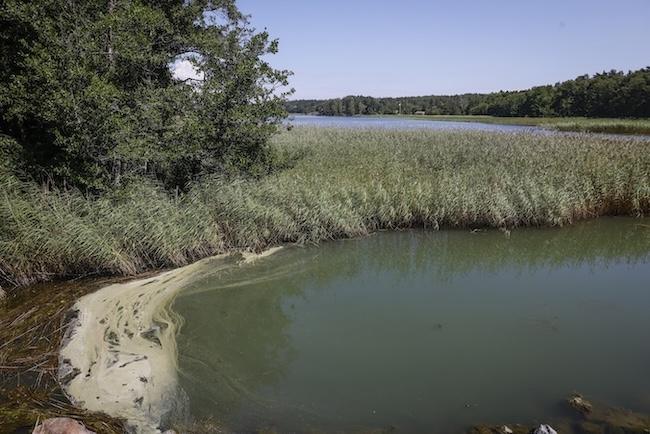
Vibrio bacteria have become increasingly common in Swedish waters. However, it is not yet known exactly how common they are or where they are found. Sweden lacks an overall picture of where they are found and who is at risk of becoming seriously ill from them, says researcher Betty Collin. Infections caused by Vibrio bacteria […]
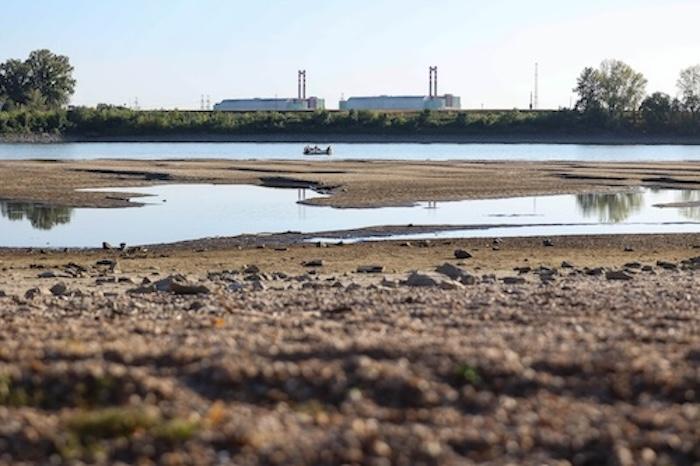
Nuclear reactors are being shut down, cargo barges are running aground and tourists keen to go swimming are met with mud. For the third time in a decade, water levels in the Danube, the Rhine and other major rivers are extremely low. ´The summer season is already over as far as boat trips are concerned,´ […]
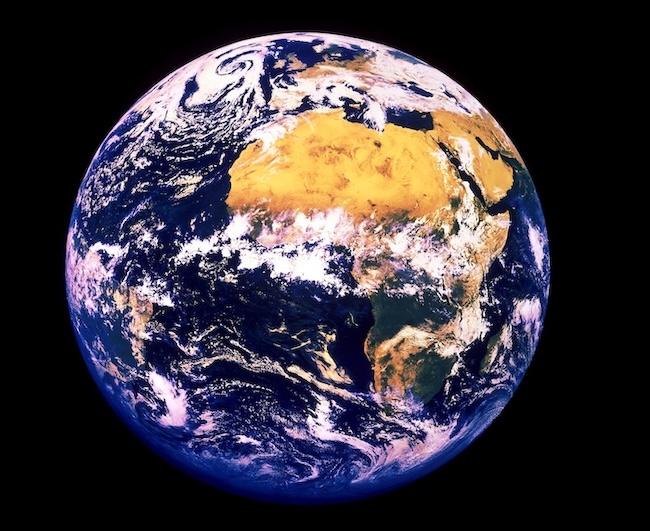
Humanity has now used up the Earth’s renewable resources for this year. 30 July marks this year’s ‘Earth Overshoot Day’. We are currently using nature’s resources 73 per cent faster than the Earth’s ecosystems can recover – a rate that would require us to have 1.73 Earths, according to the Global Footprint Network, which carries […]
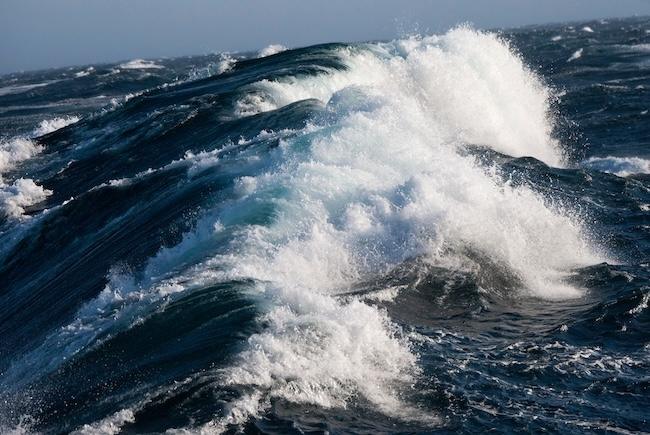
In an opinion piece recently published in the swedish daily newspaper, Svenska Dagbladet, Johan Rockström, Professor of Earth System Science, and his colleague Wendy Broadgate, PhD in Marine Chemistry, describe the importance of the Swedish Government drawing up a contingency plan as a matter of urgency in the event that the AMOC ocean current system […]
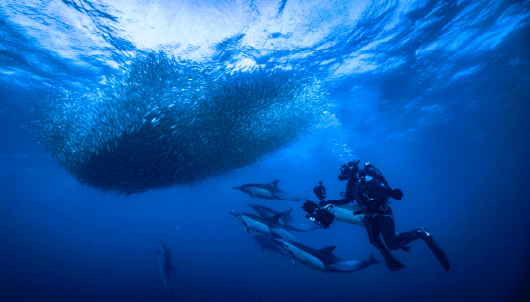
‘Diving in Action’ takes us behind the scenes as the team behind the documentary ‘Ocean Dreams’ travelled to South Africa to film ‘The Sardine Run’.
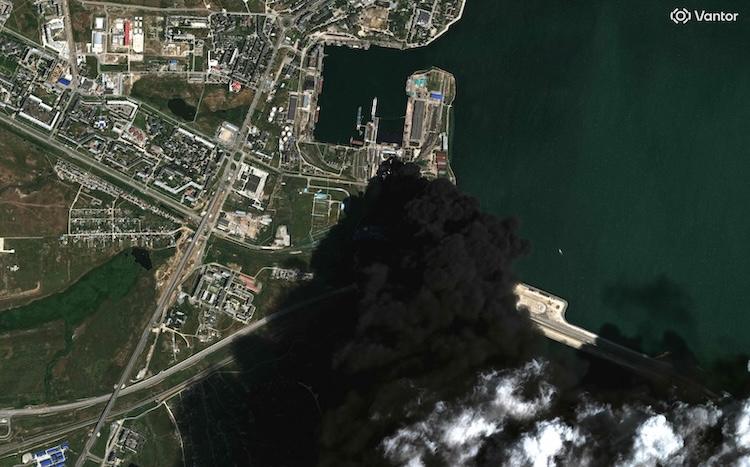
Overnight alone, Ukraine claims to have attacked around 20 Russian oil and gas vessels in the Black Sea. The new strategy involves extending an intensive offensive from the Sea of Azov. ´ The first round of the naval battle is over. Now we’re taking the Black Sea,´ explains Ukraine’s drone commander Robert “Majdar” Brovdi, according […]
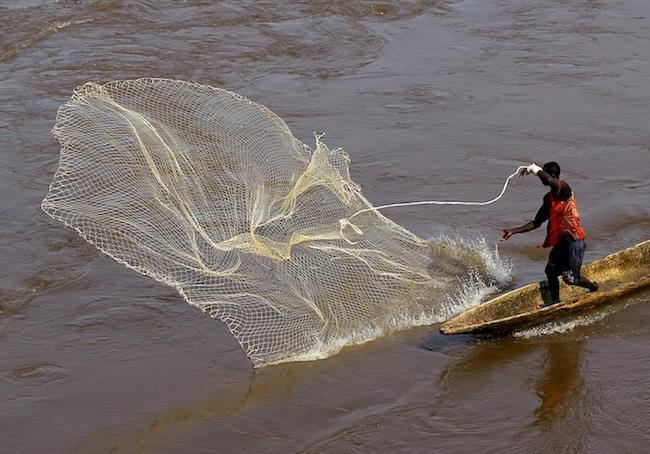
Some fish get caught in the nets, but they are small and few in number. However, there seems to be an endless supply of plastic waste in the Congo River, and fishermen see it as their new livelihood. Charles Moluwa Nzeni Masela, 71, is one of many in Kinshasa, the capital of the Democratic Republic […]
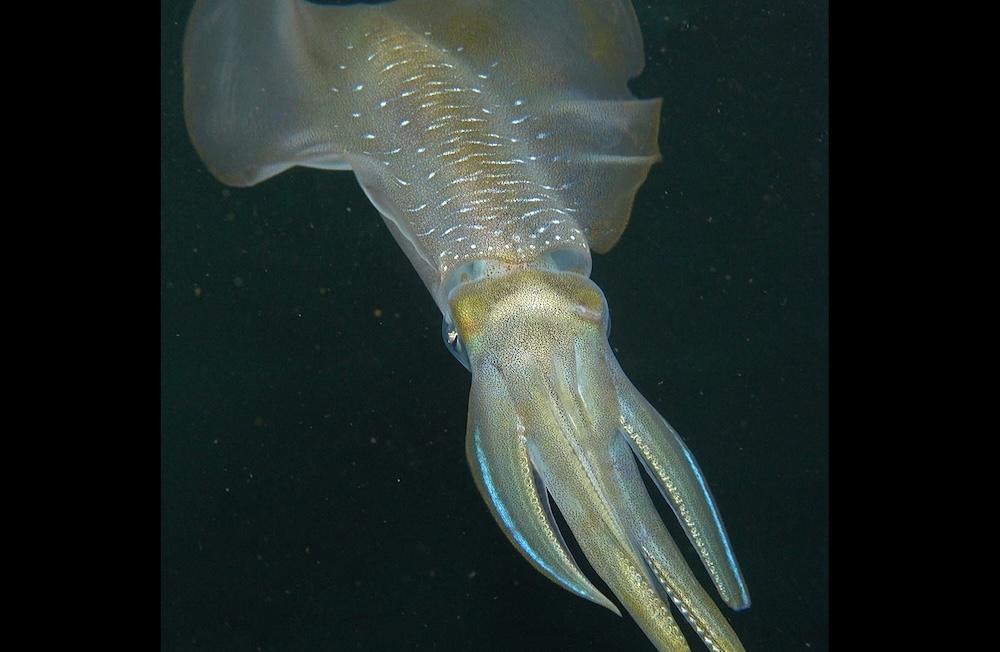
Our carbon dioxide emissions are causing the world’s oceans to become increasingly acidic. Researchers have now discovered unexpected side effects of this in octopuses – their brains are shrinking dramatically. It is well known that, in the long term, ocean acidification could lead to what are essentially catastrophic conditions for many marine organisms. At present, […]
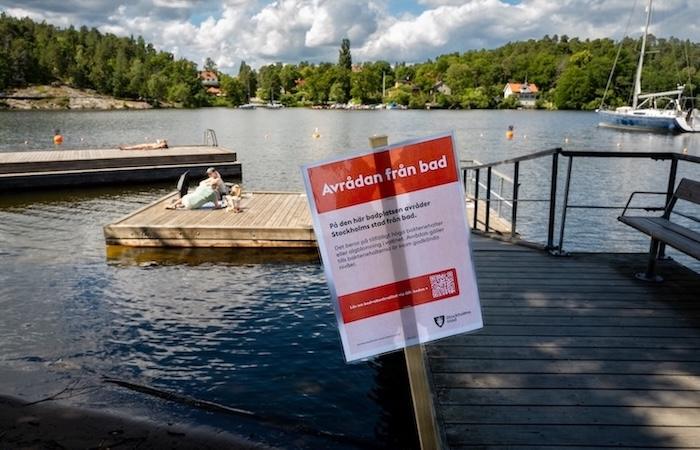
Värmeböljan har lockat svenskarna till stränderna – och algerna till kusten. Algblomningen är i full gång och på många badplatser sätter den nu stopp för ett dopp.
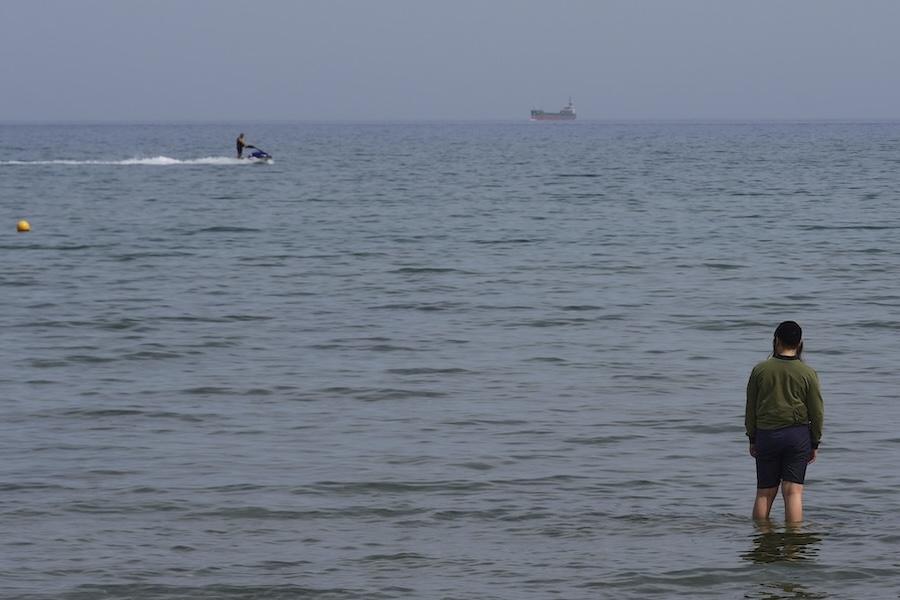
In June, the world’s oceans were warmer than ever before. According to researchers, temperatures may rise further in the coming months.
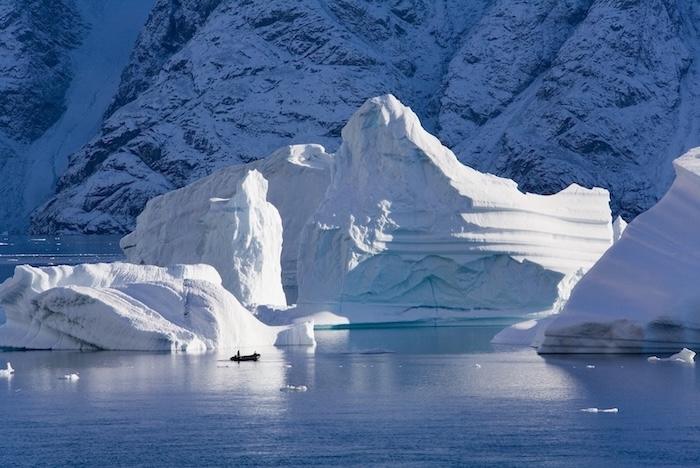
The information on the new platform http://www.climate.us is based on data from the formerly popular federal website Climate.gov, which was run by NOAA. (National Oceanic and Atmospheric Administration) One of the government agencies that has seen its budget drastically cut since Donald Trump returned to power in January 2025.
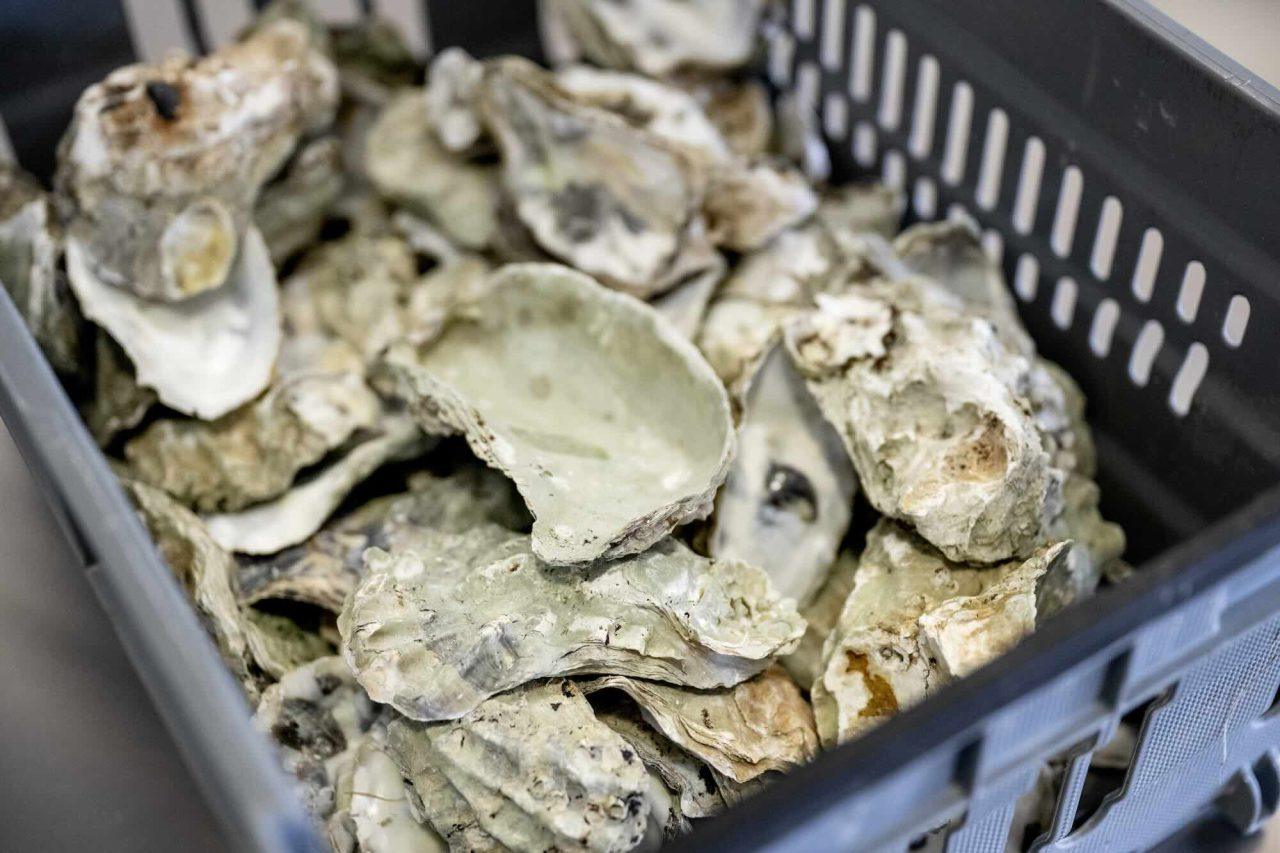
Do not move oysters in Bohuslän and do not throw away the remains of them in the sea. This is the appeal the Swedish Board of Agriculture is making to the public following the discovery of a parasite on the west coast.
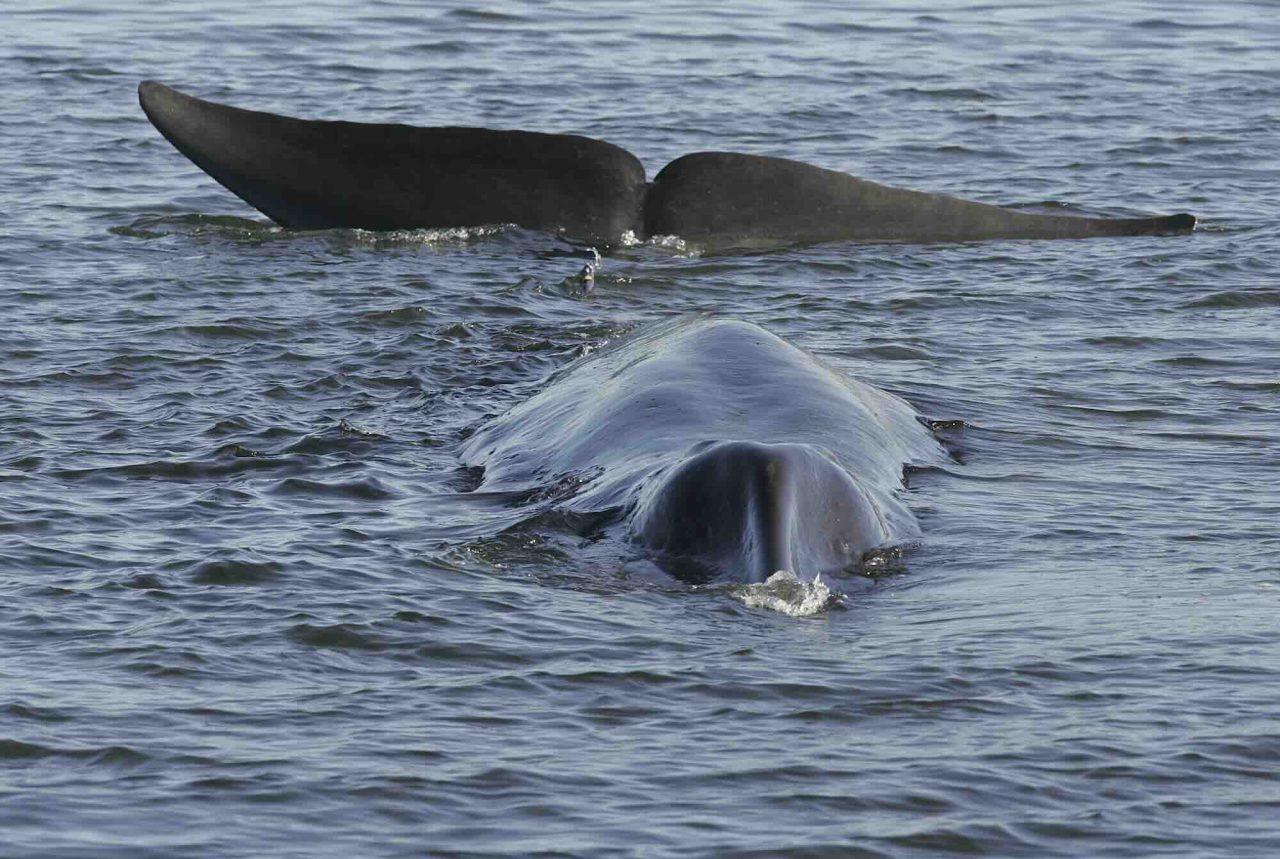
Two whales have been killed off the coast of Iceland during a commercial whaling expedition, according to local media reports.
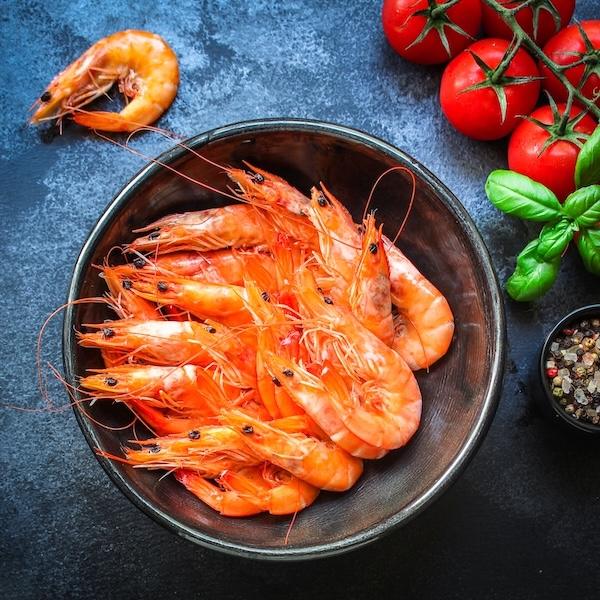
Following a decline in prawn fishing over the past few years, catches are now on the rise again. New quotas have been negotiated between the EU (Sweden and Denmark) and Norway, meaning that catches in the Skagerrak, the Kattegat and the North Sea may increase by 15 per cent.
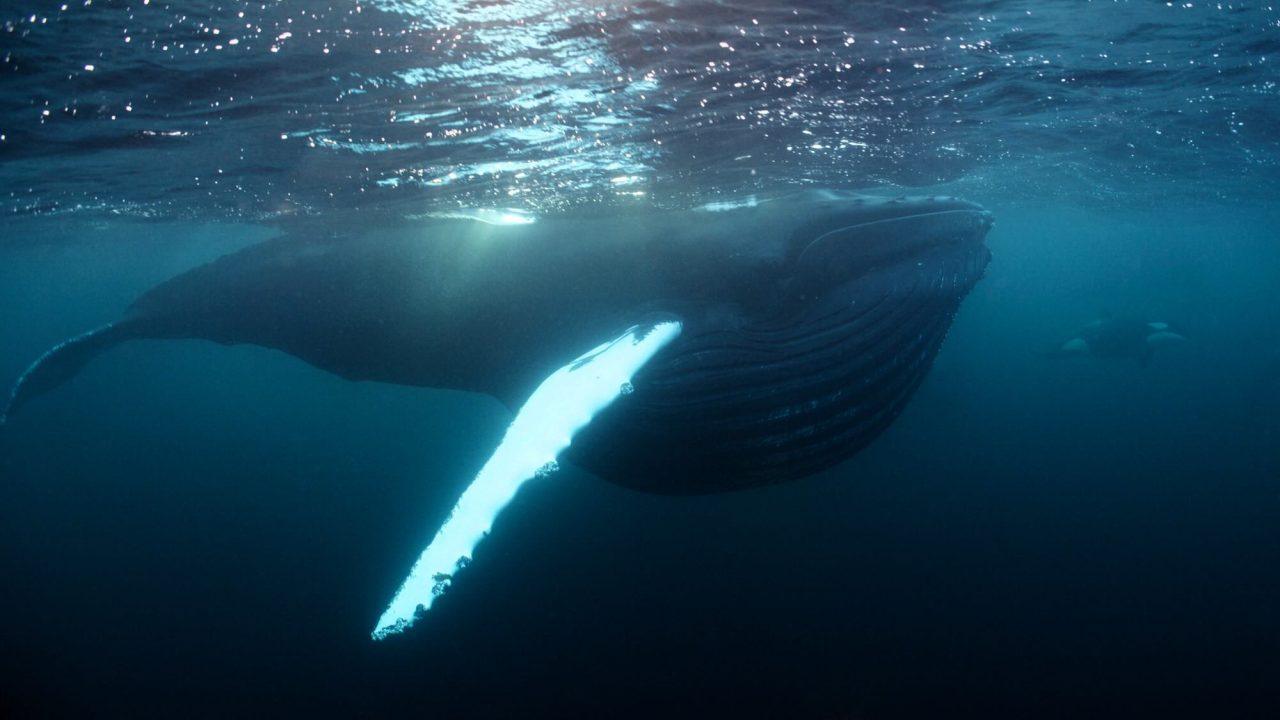
Sound is the whale’s most important tool for finding food, navigating and finding a mate. Now, global warming is wreaking havoc in the oceans. As the acoustic landscape changes, whales are forced to move, alter their mating calls – or fall completely silent when hunger takes over.
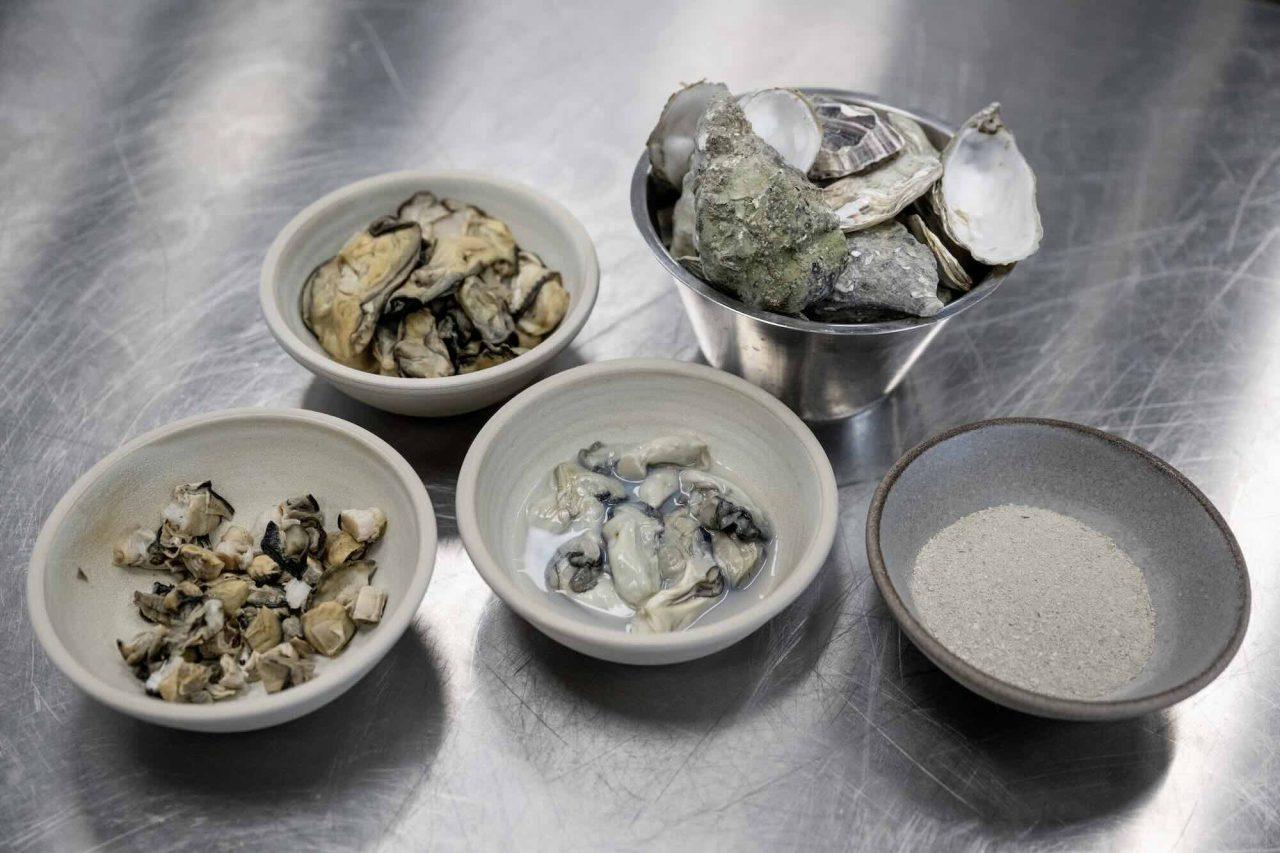
They are sharp and are spreading rapidly along the Swedish west coast. The invasive Pacific oyster is altering the ecosystem and spoiling the experience for beachgoers. Now, major efforts are underway to make use of this controversial mollusk. “They’re like the bolonga sausage – in swedish – falukorv – of the sea,” says Åsa Strand, […]
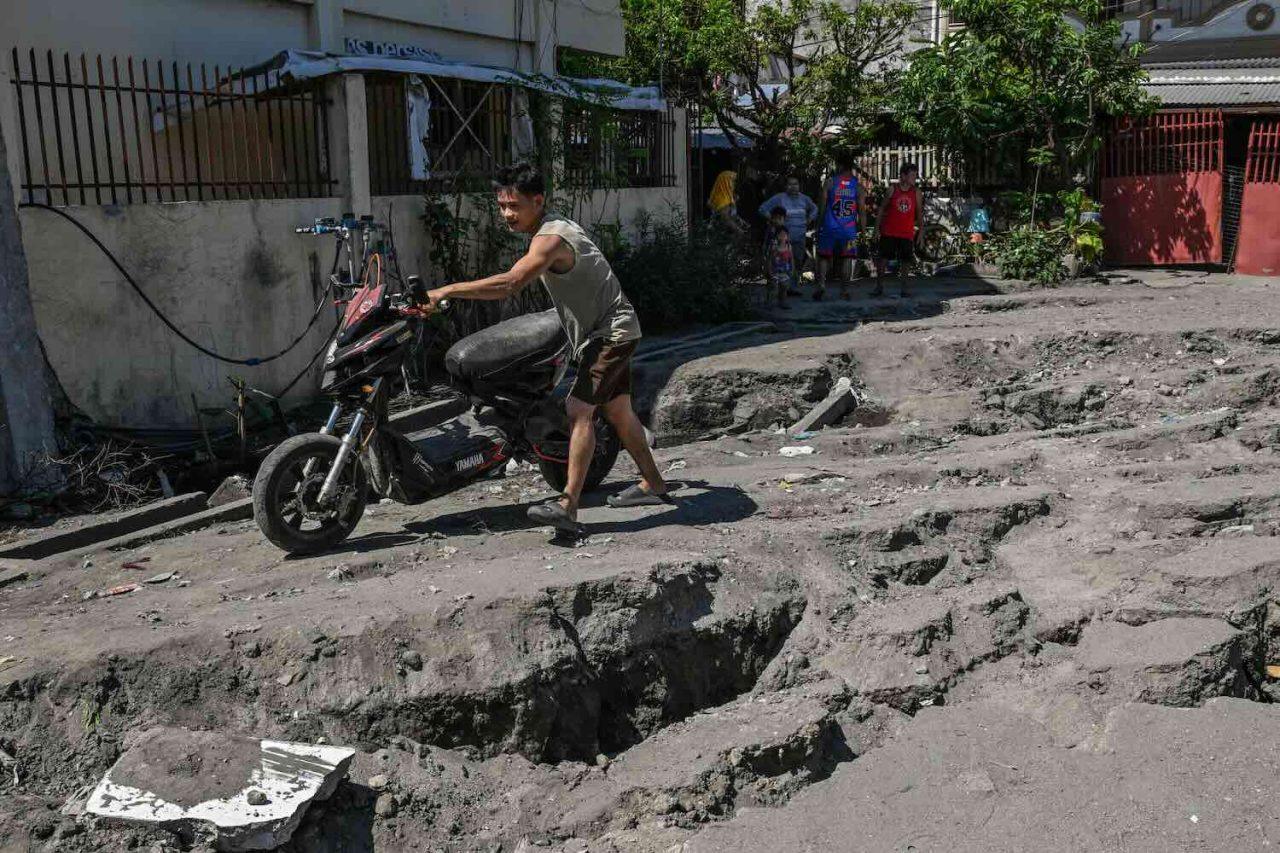
A powerful earthquake that killed over 60 people in the Philippines also caused the land to rise by two metres, damaging the marine ecosystem, according to the country’s Department of Environment.
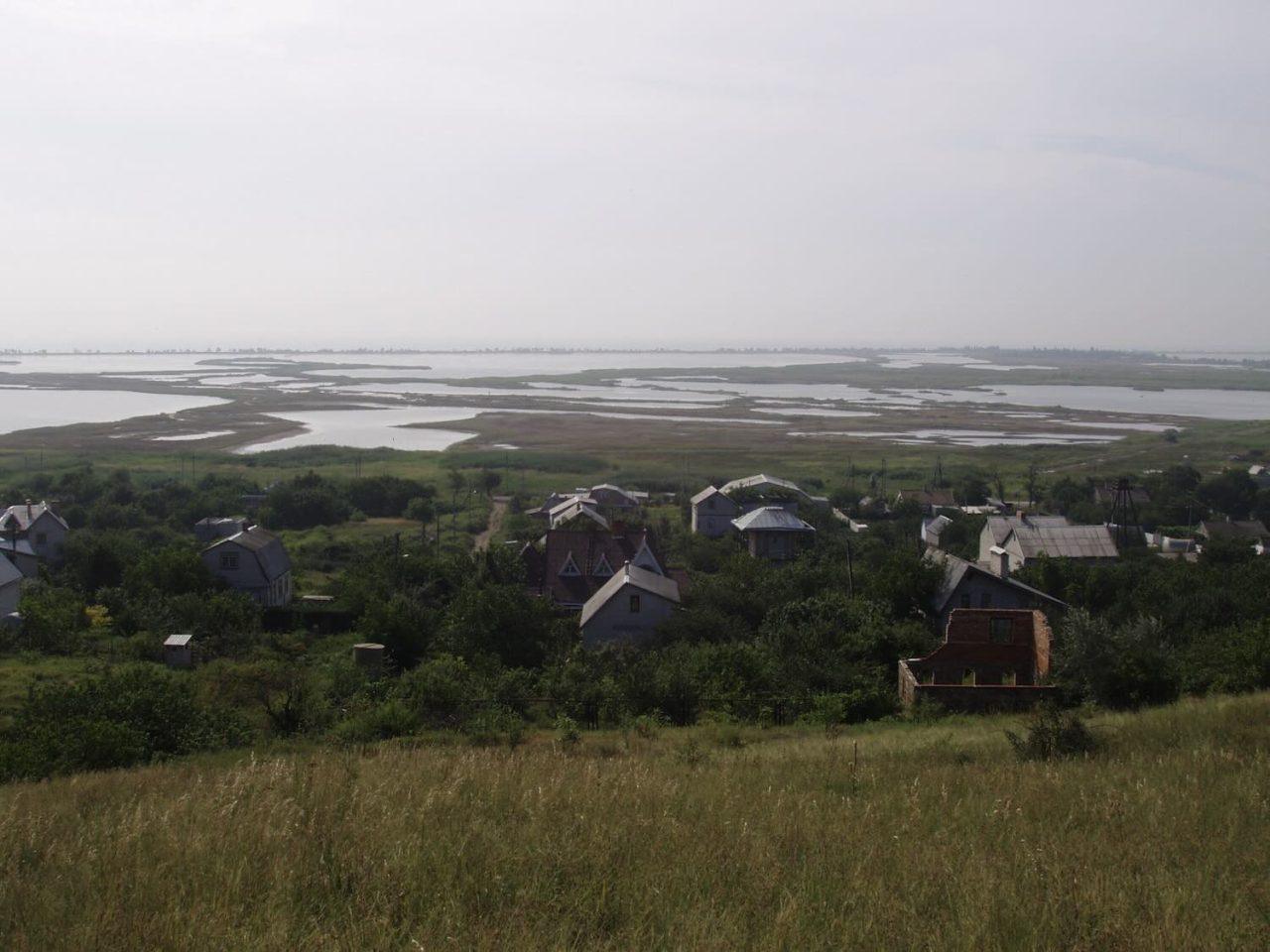
Deep in the Eurasian continent, the Sea of Azov is a stepping stone between freshwater and saltwater. Like no other sea in the world, it sits at the far end of a chain of water bodies: the Black, Marmara, Aegean, and Mediterranean Seas, and all the straits that connect them.
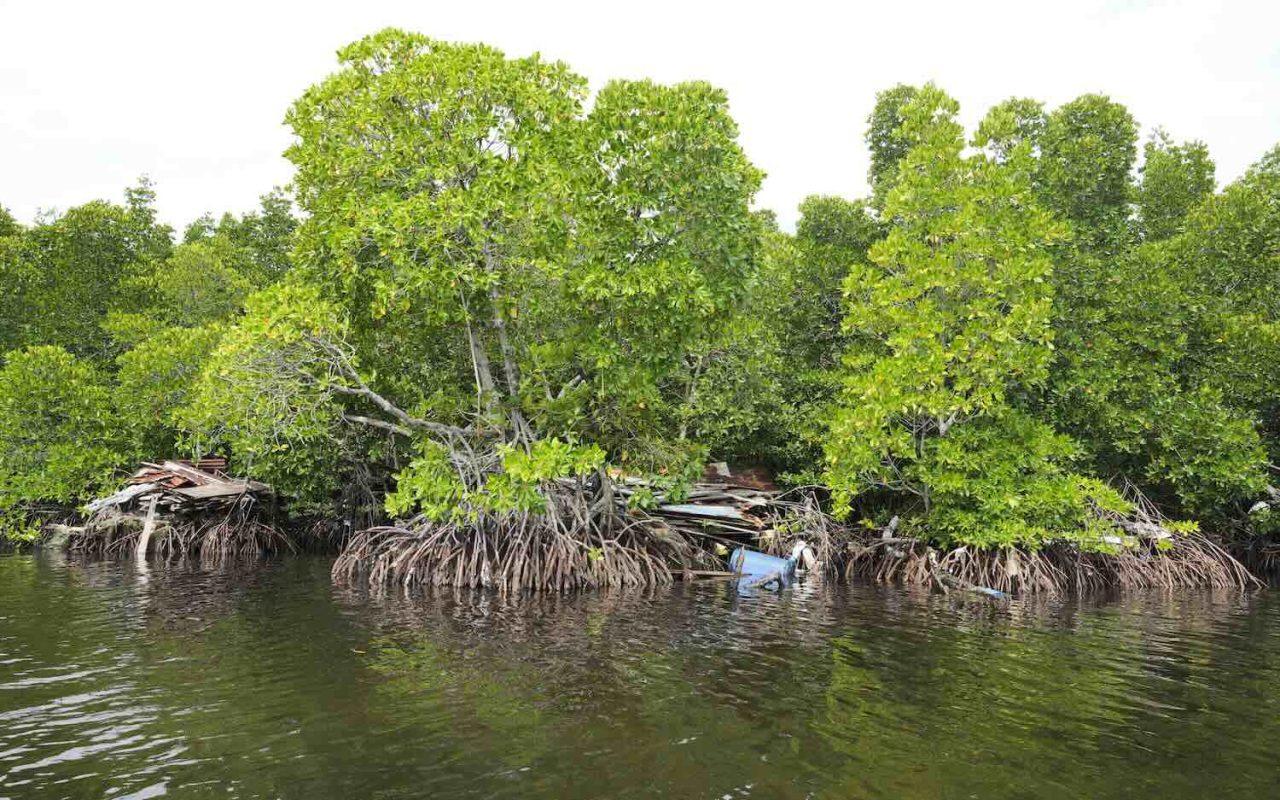
For decades, the world’s mangrove forests have been shrinking rapidly due to human activity. Now they are making a comeback, according to a new study. Following conservation efforts in recent years, the forests have begun to heal themselves.
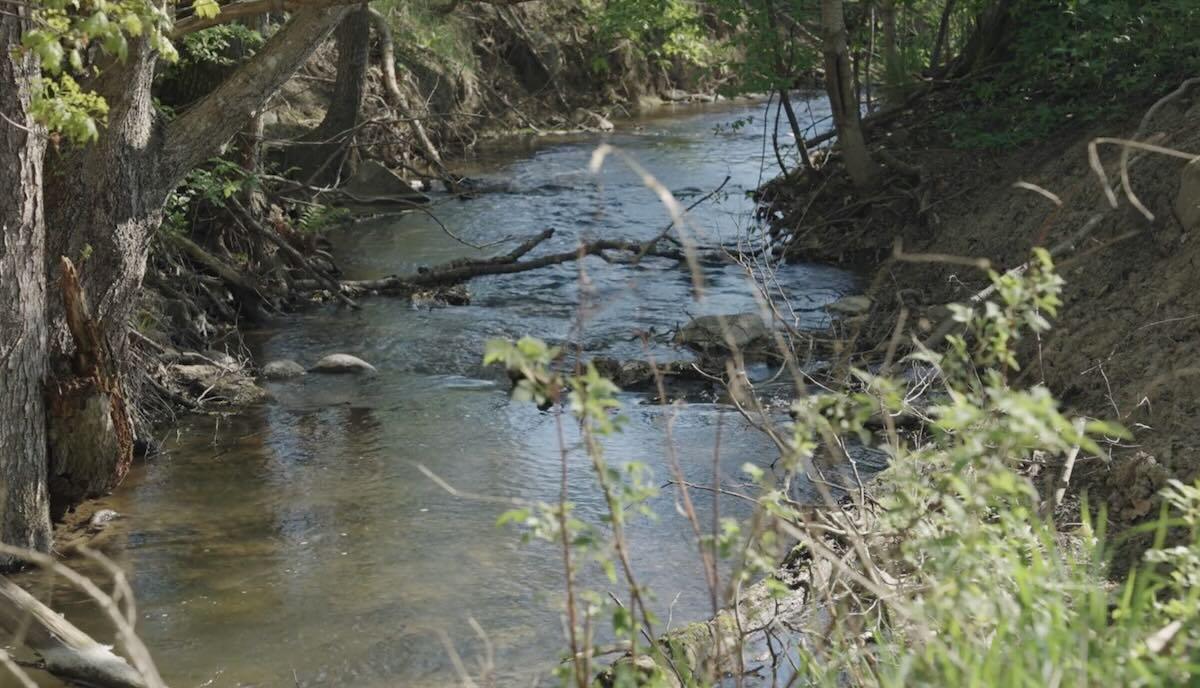
Four years ago, Pontus Lindberg and his brother Tim discovered that there were sea trout in the small stream near their home. But the stream was in poor condition. So they decided to restore it themselves. “We’ve spent many hours by the stream,” says Pontus.
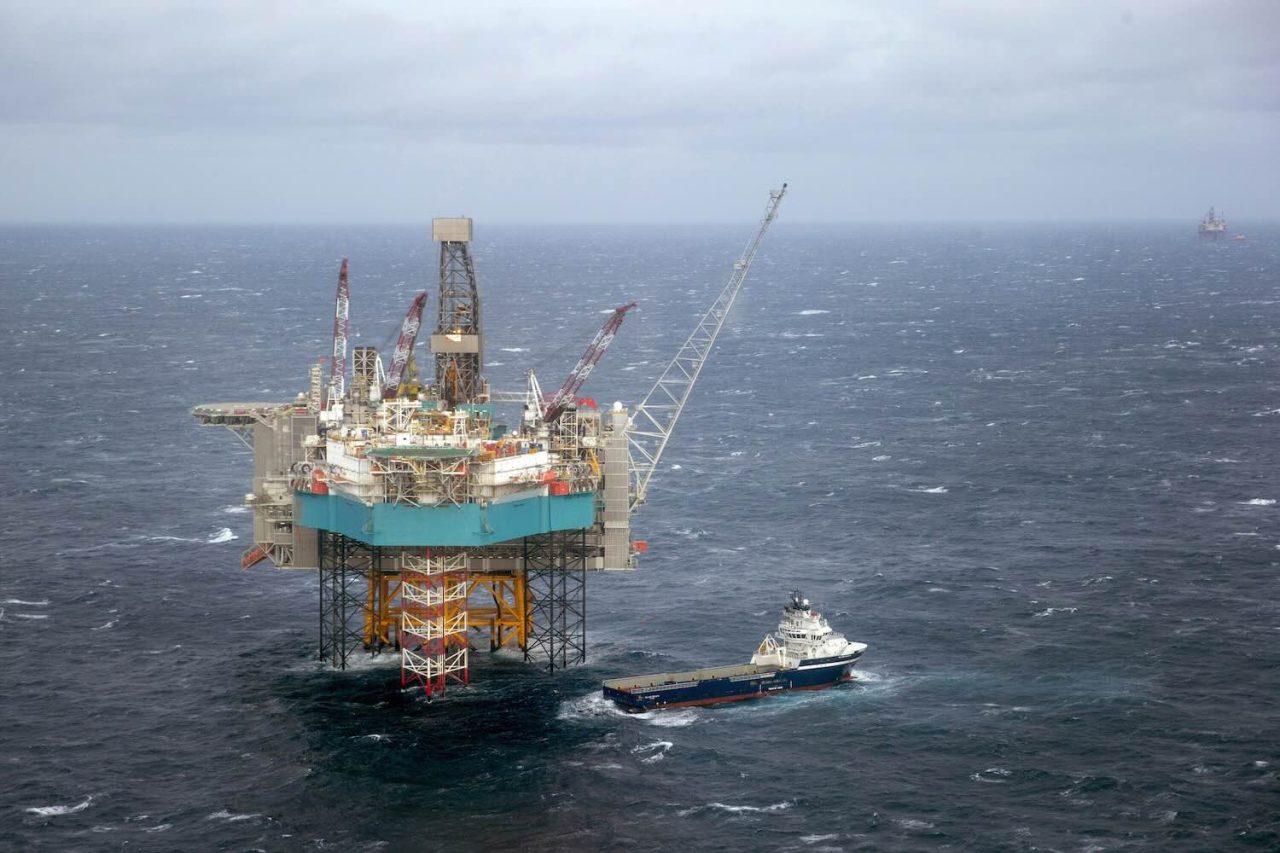
Norwegian politicians, officials and lobbyists are pushing to have the EU’s ban on new oil and gas exploration in the Arctic lifted, reports Bloomberg. This pressure comes ahead of the EU’s adoption of new guidelines for the Arctic at the end of September.
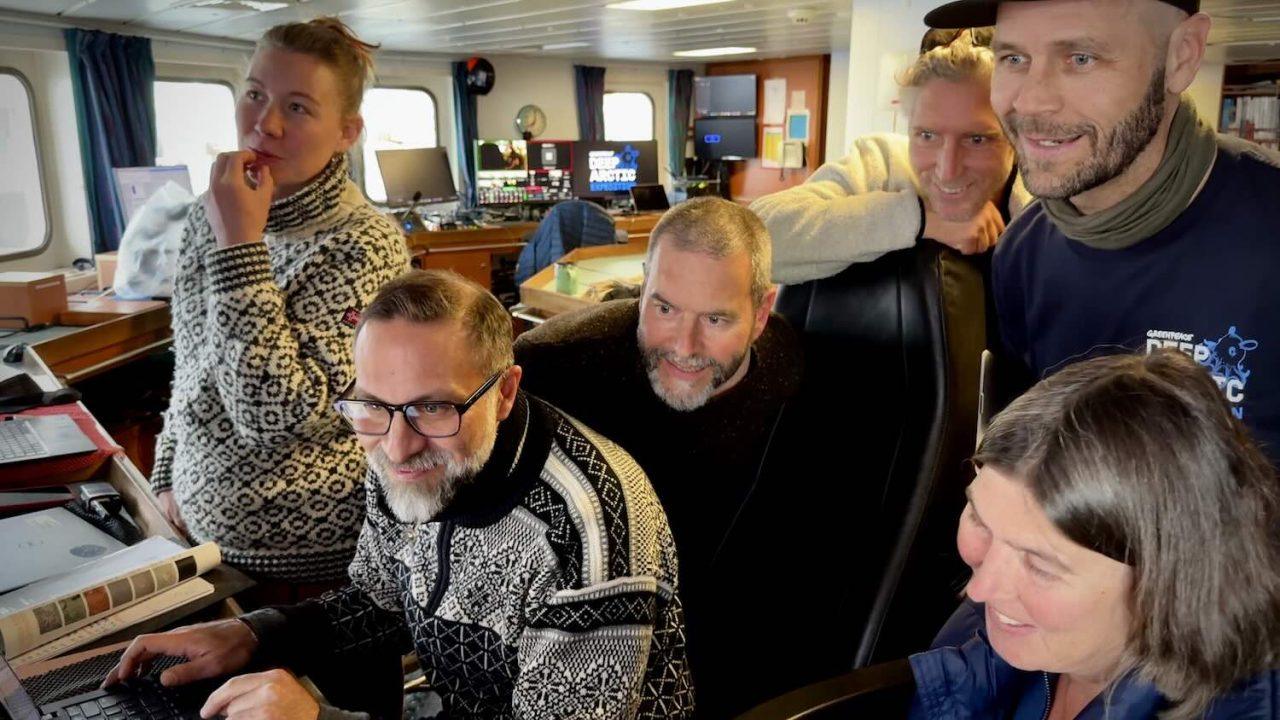
During an ongoing deep-sea expedition, researchers have discovered several previously unknown species in the Arctic deep sea. Paco Cardenas is a taxonomist and expert on tunicates at Uppsala University, and in just a few days has identified at least three species that have yet to be named.
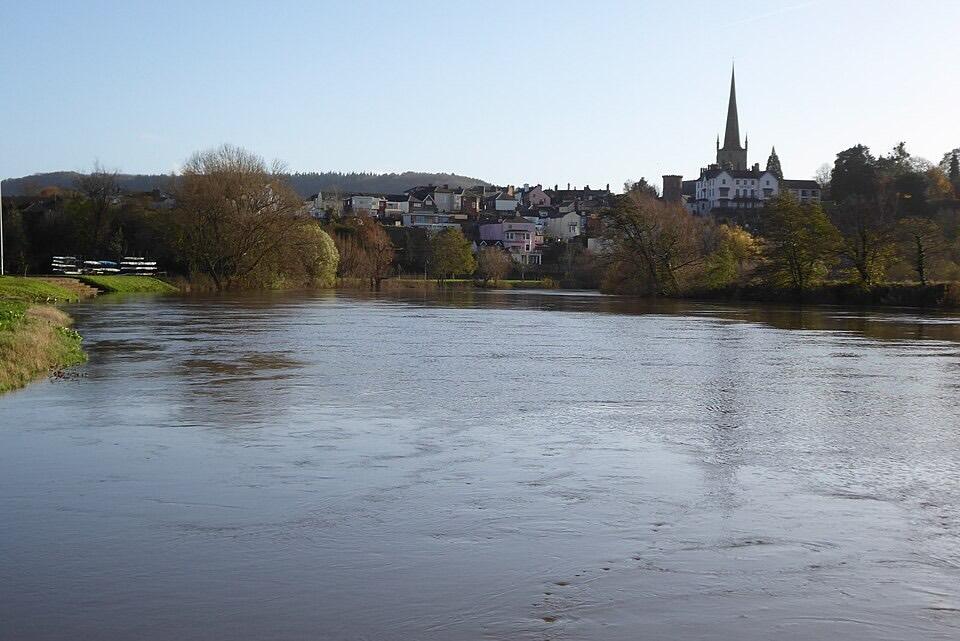
The River Wye is the first river in the UK to be granted its own legal rights, covering its entire course from source to sea.