More than 70 percent of the Earth’s surface is covered by water and it is sometimes referred to as “the blue planet.” Most original life forms evolved in the ocean, and to this day, the marine environment maintains a biodiversity not found in any other ecosystem. Humans are highly dependent on the ocean.
The expression “the seven seas” was used in the past by sailors who sailed across all the world’s oceans. These include the North Pacific Ocean, South Pacific Ocean, North Atlantic Ocean, South Atlantic Ocean, Arctic Ocean (Northern Ocean), Southern Ocean (Antarctic Ocean), and the Indian Ocean. The world ocean, also known as the oceans, is defined as the interconnected water area surrounding the Earth’s continents. The world ocean is divided into three oceans: the Pacific Ocean, the Atlantic Ocean, and the Indian Ocean, with the Pacific Ocean being the largest, covering over 30 percent of the Earth’s surface. Sometimes, the Antarctic Ocean is also considered a separate ocean. The three oceans include delimited seas or sub-seas. A sub-sea or semi-enclosed sea is a delimited part of an ocean. For example, the North Sea, the Arctic Ocean, and the Mediterranean Sea are sub-seas of the Atlantic Ocean.
Several of the world’s seas are relatively warm, but the average temperature of the world’s oceans is only around 3.5 degrees Celsius. This is because the large deep-water basins consist of cold polar water.
A large portion of the open sea areas does not belong to any individual country and is often referred to as the “high seas” or deep sea. These areas constitute almost half of the Earth’s surface, two-thirds of the world’s ocean area, and 95 percent of the world’s ocean volume. The deep sea is not subject to national laws and, in practice, belongs to everyone. The United Nations has long negotiated how these areas should be managed. After more than ten years of intense negotiations, the UN adopted a new binding treaty for the sustainable use of biodiversity in areas beyond national jurisdiction in 2023. This is a step towards fulfilling the global commitments of the international biodiversity agreement from 2022, where the goal is to protect at least 30 percent of the ocean by 2030.
Despite the ocean being a place where various organisms thrive, there are many extreme environments in the sea. From temperatures below freezing to near boiling points in hot underwater springs. Where the sea meets the land, the waves are powerful, UV radiation is high, and it is home to a large biodiversity. Some organisms utilize a wide range of habitats, while others specialize in a single type of environment.
The deep sea is a hostile environment for us humans. At a depth of 30 meters, most light is gone, at 70 to 80 meters, most of the oxygen disappears, and the pressure at the bottom is high. Therefore, very little of the deep sea has been explored. In fact, barely five percent of the ocean’s depths have been explored by humans. Researchers also know less than they would like about the organisms that can live in the deep sea. Moreover, they cannot be brought up and studied in aquariums or laboratories because they are adapted to withstand the high pressure in the depths of the sea.
To live in the depths of the oceans, where light does not reach, animals must adapt to life in darkness. Many have large mouths, light organs, or large and extra light-sensitive eyes. There is also a diversity of microorganisms living in this challenging environment. The fact that life can exist under such extreme conditions without oxygen or sunlight has led researchers to consider that there might be life on other planets that we have previously thought to be lifeless.
Although we still know very little about the organisms of the deep, it is known that overfishing and bottom trawling can also affect deep-sea animals. Many organisms are still undiscovered and therefore at risk of disappearing if fishing continues as it has done so far.
The Mariana Trench in the Pacific Ocean is the world’s deepest place in the sea. The maximum depth is Challenger Deep, which is approximately eleven kilometers below the sea surface. At the same time, the average depth of the world’s oceans is about 3700 meters. Sweden’s deepest point is 560 meters in Bratten in Skagerrak, and the Baltic Sea’s deepest point, Landsort Deep at 459 meters, is west of Gotland.
Ecosystem services
The world’s oceans and seas are a significant asset for us humans. The oceans provide us with a multitude of services. To remind us of the importance of the oceans and the need to protect them, June 8th has been designated as World Oceans Day by the United Nations. But there are more reminders of how important the ocean is in our daily lives.
World oceans give us more than just food. They produce more than half of all the oxygen in the atmosphere through photosynthesis, absorb greenhouse gases, and contribute to tourism. Some well-visited tourist destinations at sea include Gotland, the Koster Islands, and other archipelago areas.
Additionally, hundreds of millions of people depend on fish and other resources from the sea. More than 38 million people are employed in the fishing industry worldwide. The oceans are also widely used as transportation routes.
Coastal ecosystems such as coral reefs, seagrass beds, and mangrove forests are crucial places for the young. They are also significant for people living on the coast as they act as a protection zone against floods, storms, and can serve as wave breakers and erosion protection.
TEXT: Lina Mattsson
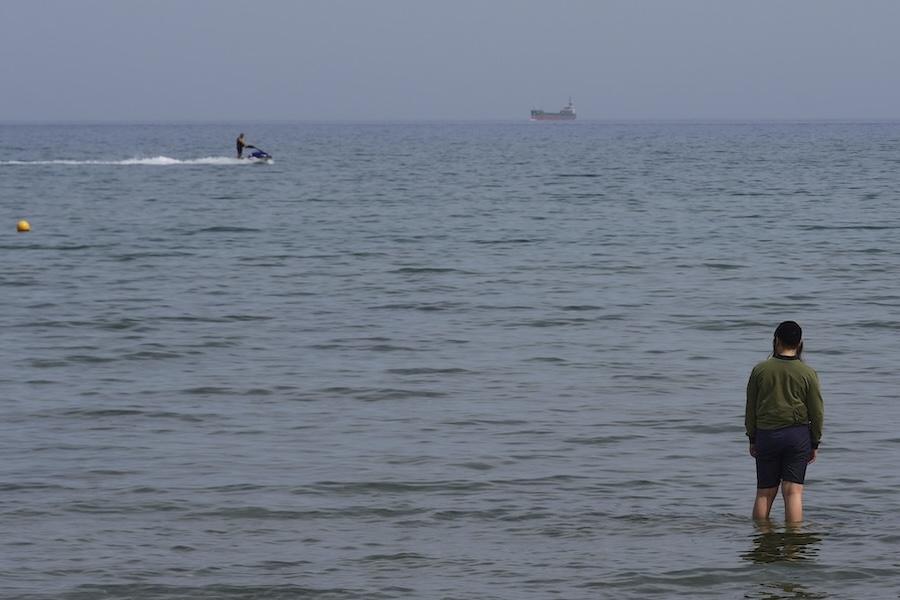
In June, the world’s oceans were warmer than ever before. According to researchers, temperatures may rise further in the coming months.
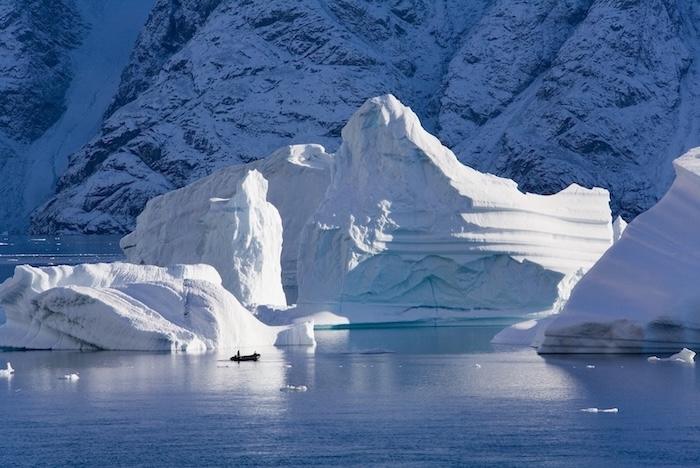
The information on the new platform http://www.climate.us is based on data from the formerly popular federal website Climate.gov, which was run by NOAA. (National Oceanic and Atmospheric Administration) One of the government agencies that has seen its budget drastically cut since Donald Trump returned to power in January 2025.
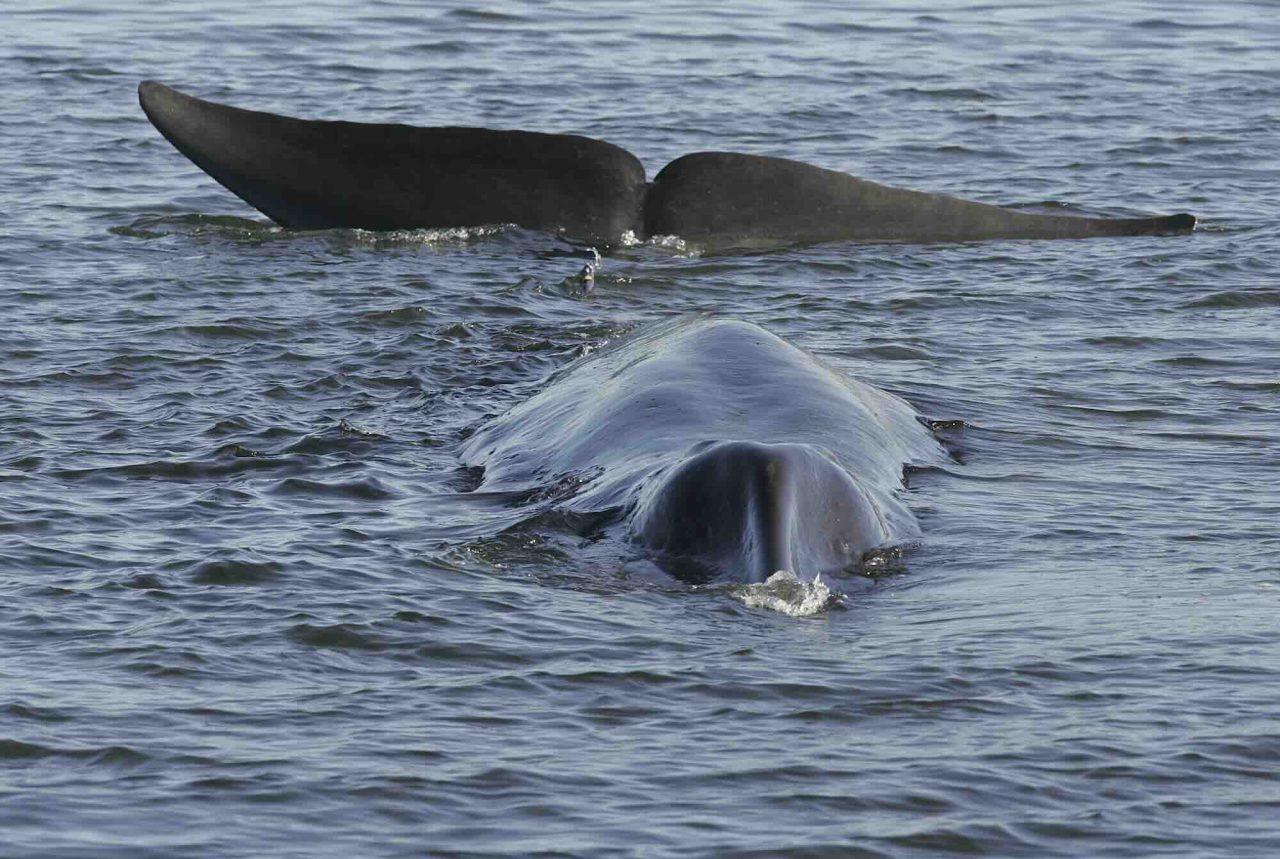
Two whales have been killed off the coast of Iceland during a commercial whaling expedition, according to local media reports.
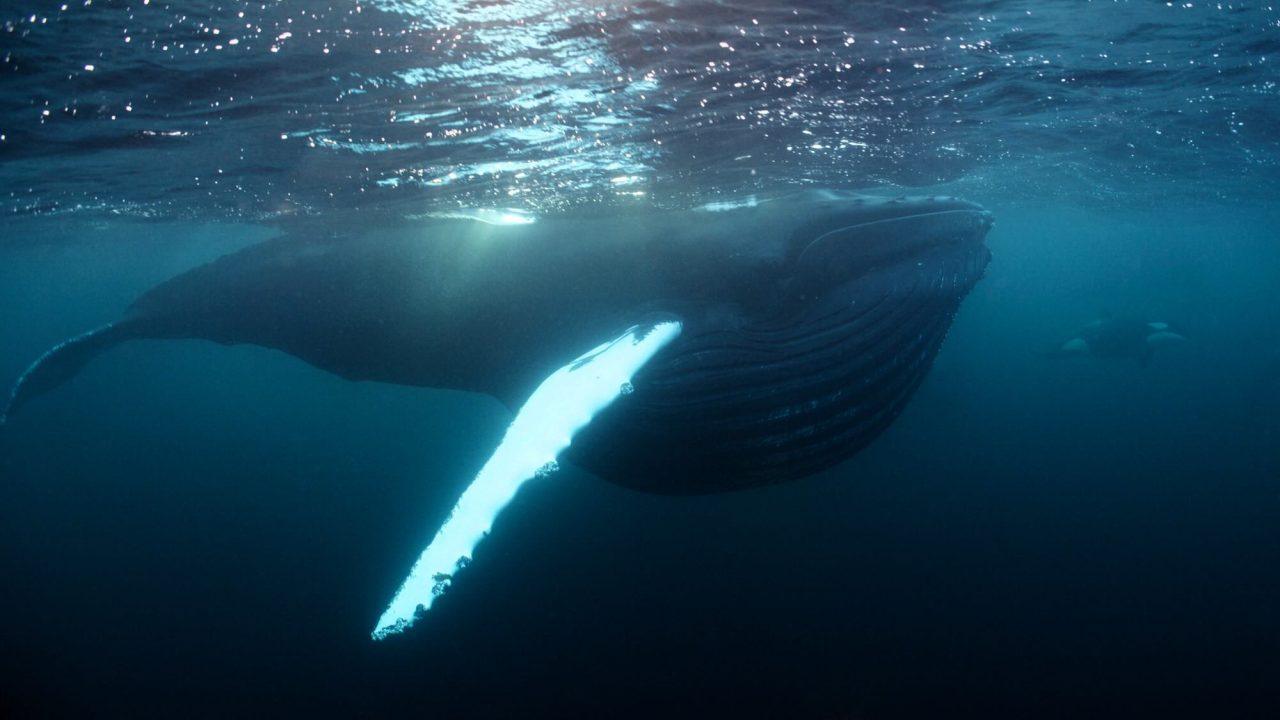
Sound is the whale’s most important tool for finding food, navigating and finding a mate. Now, global warming is wreaking havoc in the oceans. As the acoustic landscape changes, whales are forced to move, alter their mating calls – or fall completely silent when hunger takes over.
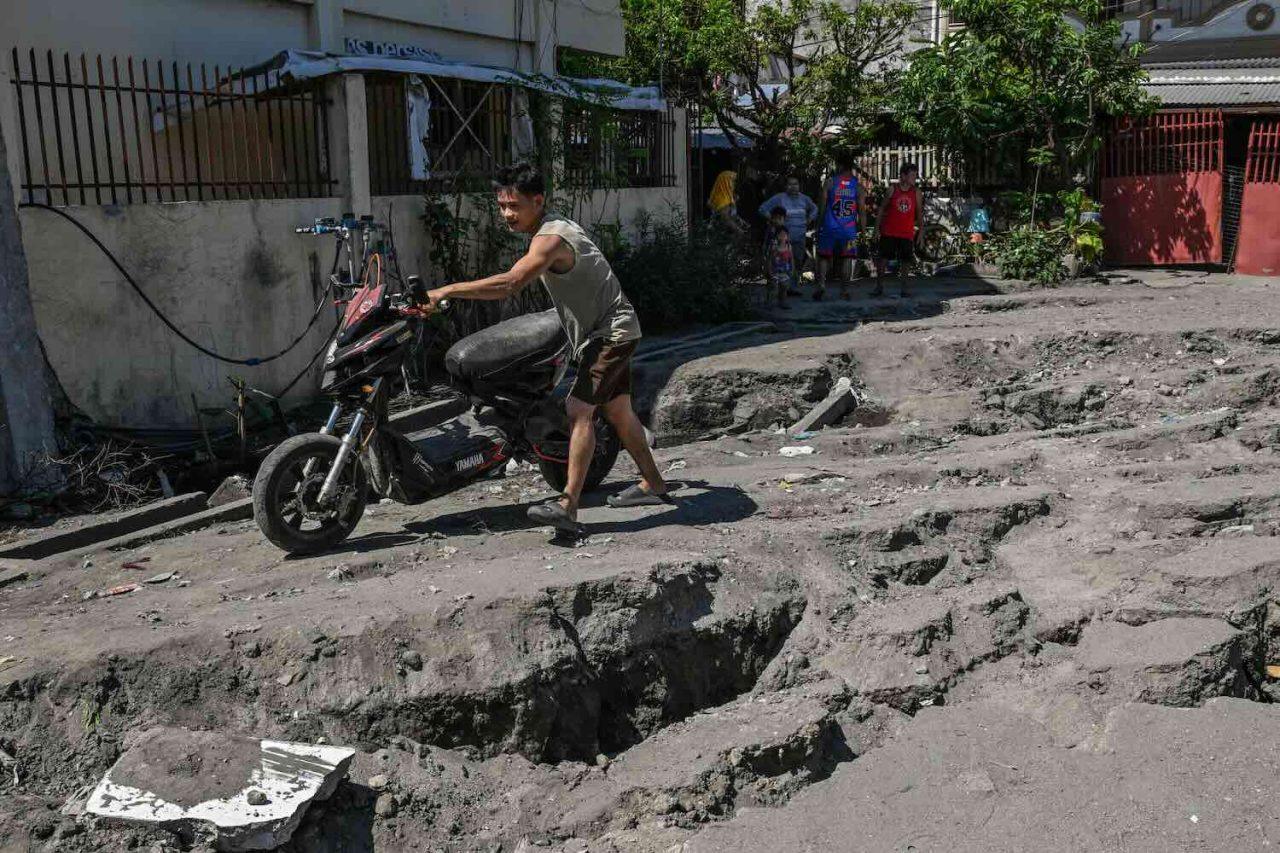
A powerful earthquake that killed over 60 people in the Philippines also caused the land to rise by two metres, damaging the marine ecosystem, according to the country’s Department of Environment.
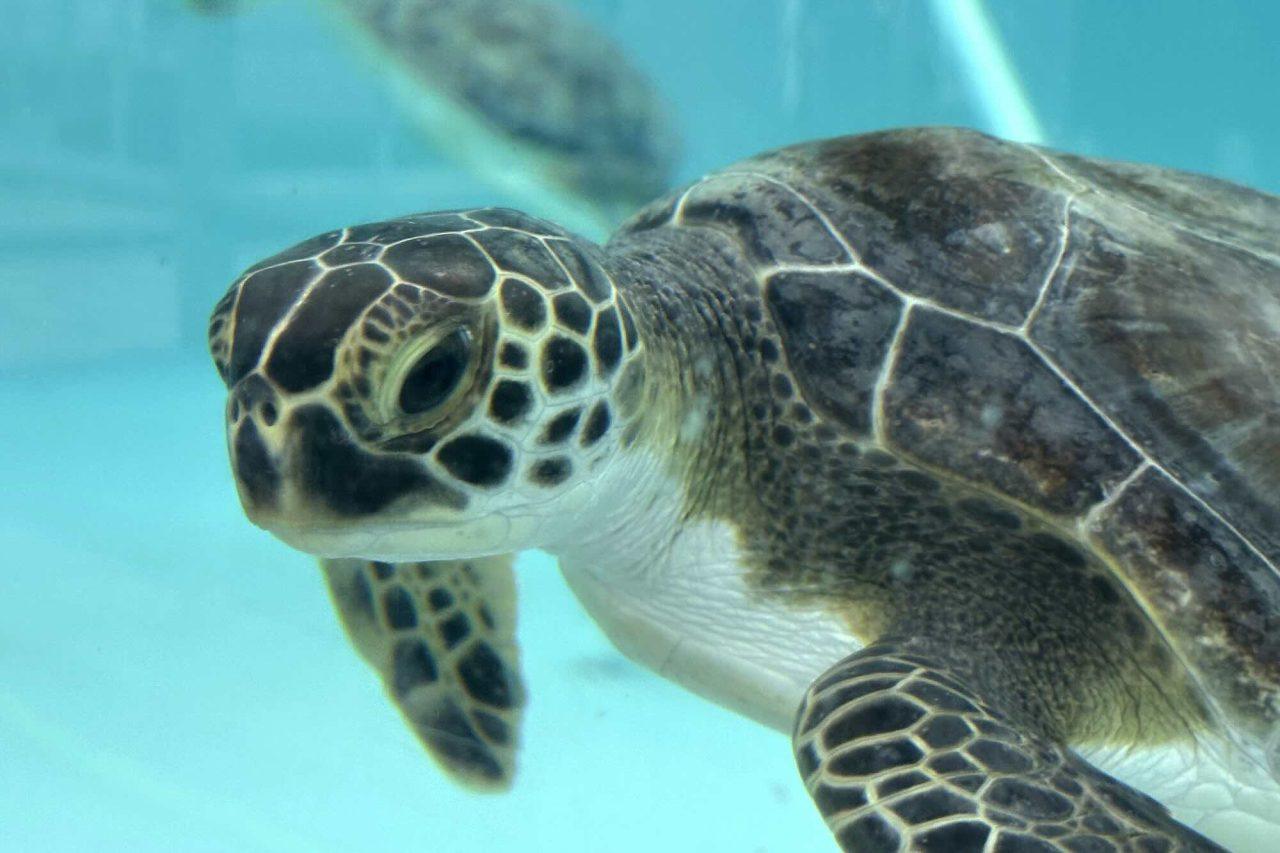
Foreign spies are fitting turtles and fish with sensors to create underwater maps of China’s coastline, warns Beijing. “Beneath the deep waters, underwater currents surge.” Photo: Cody Jackson/AP/TT
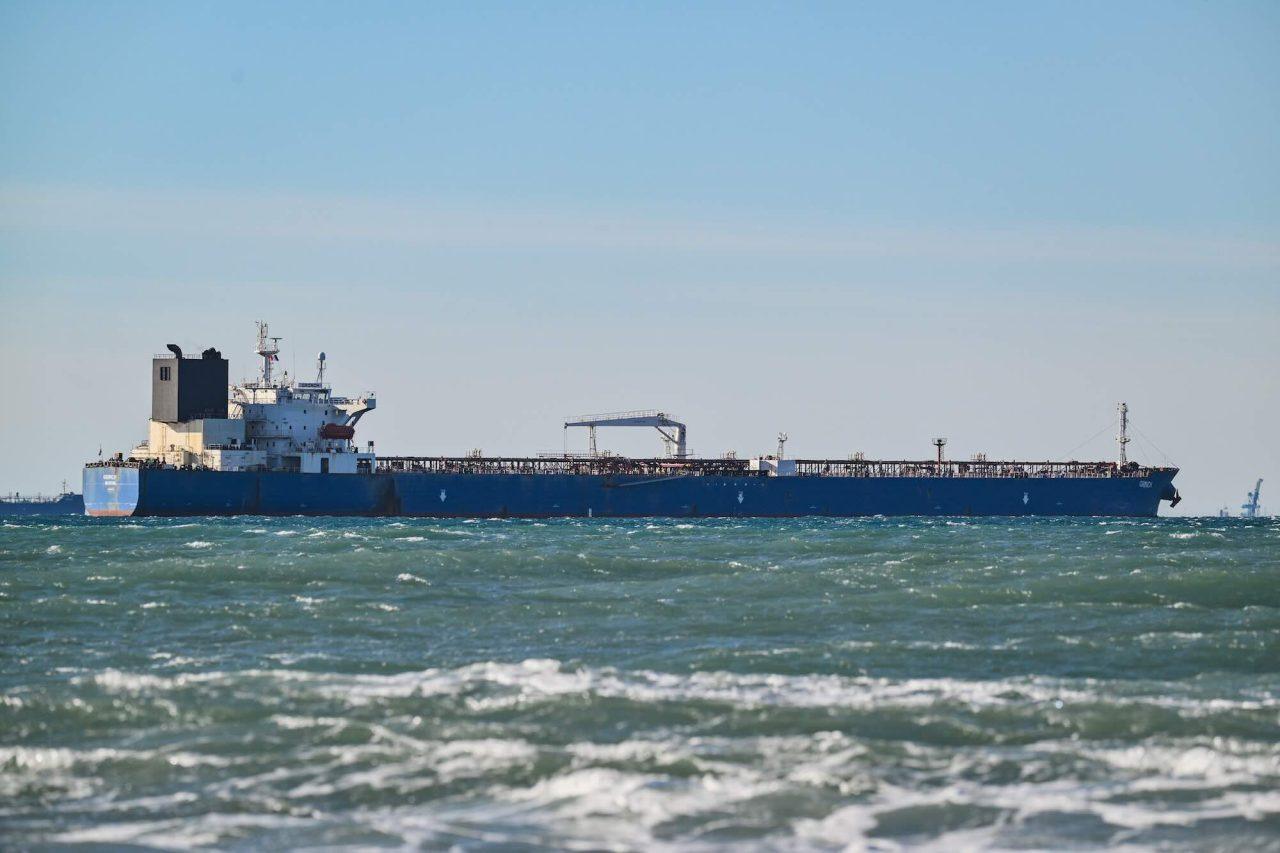
An entry ban on former Russian soldiers who served during the full-scale war of aggression against Ukraine. This is what the European Commission is proposing in its 21st package of sanctions against the Russian war economy.
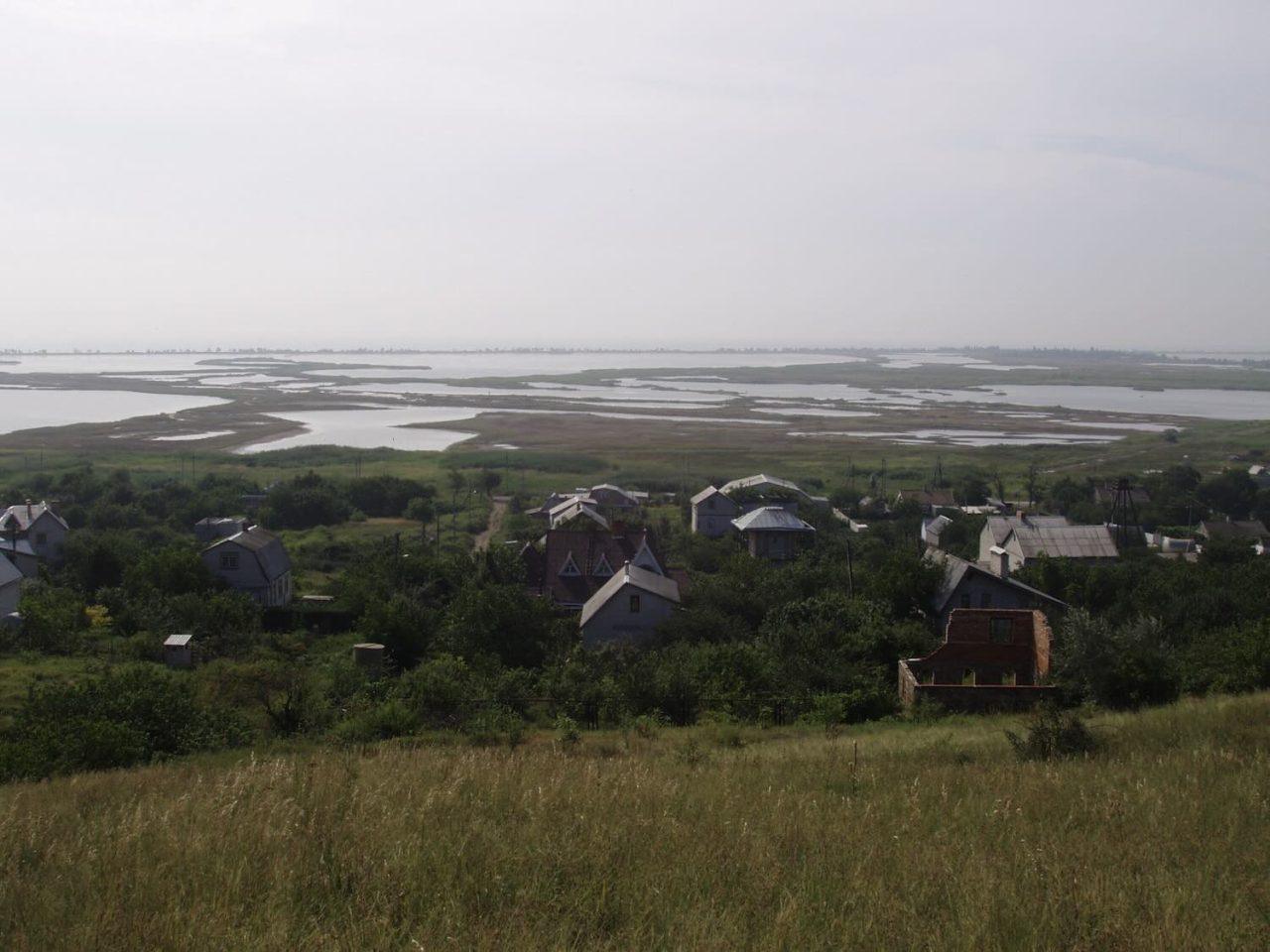
Deep in the Eurasian continent, the Sea of Azov is a stepping stone between freshwater and saltwater. Like no other sea in the world, it sits at the far end of a chain of water bodies: the Black, Marmara, Aegean, and Mediterranean Seas, and all the straits that connect them.
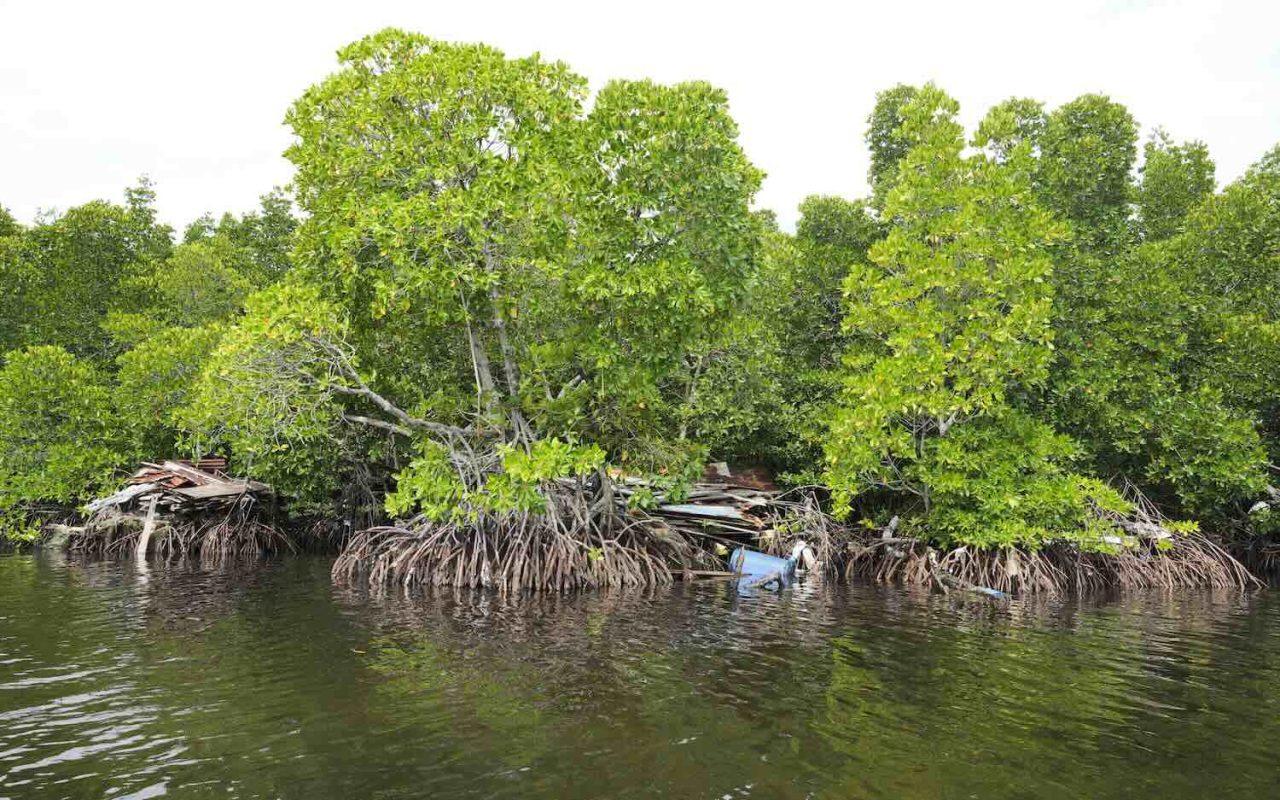
For decades, the world’s mangrove forests have been shrinking rapidly due to human activity. Now they are making a comeback, according to a new study. Following conservation efforts in recent years, the forests have begun to heal themselves.
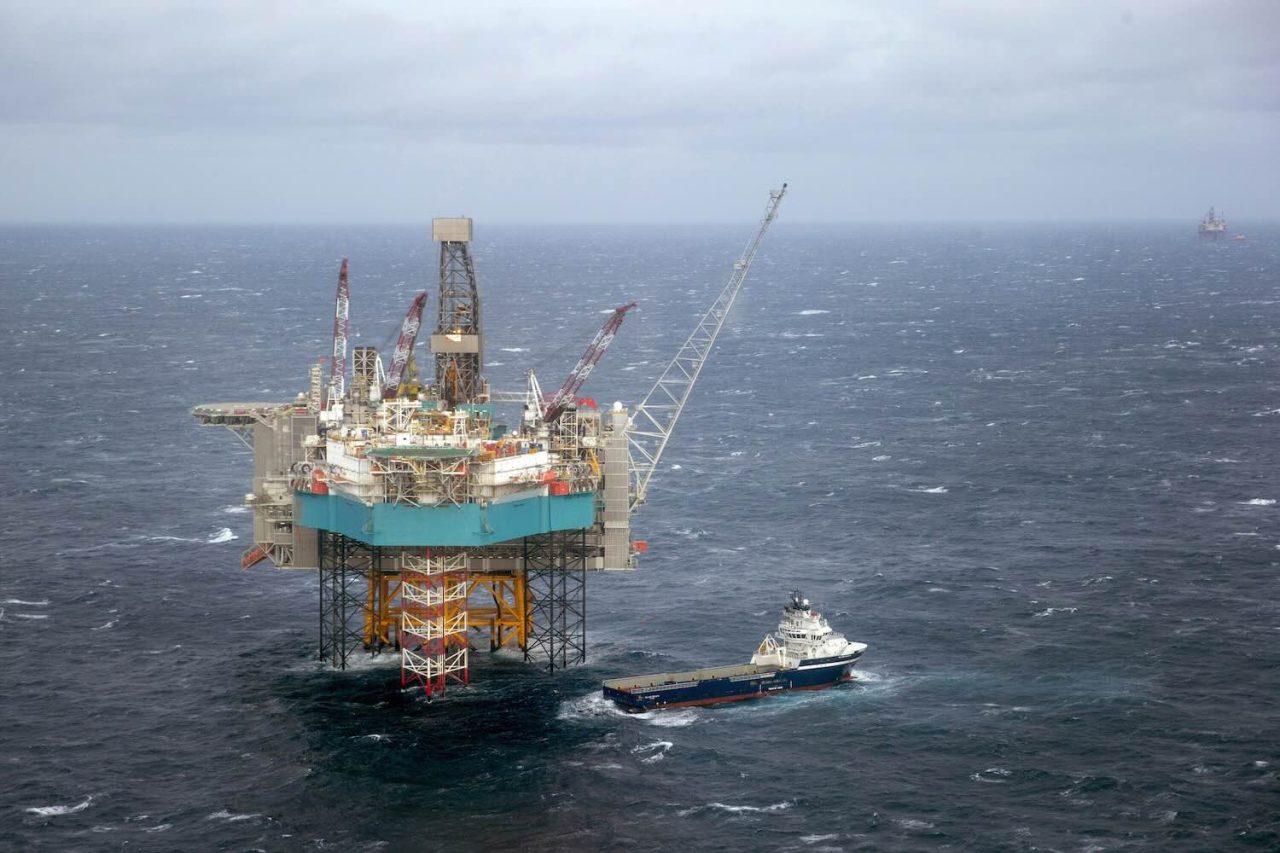
Norwegian politicians, officials and lobbyists are pushing to have the EU’s ban on new oil and gas exploration in the Arctic lifted, reports Bloomberg. This pressure comes ahead of the EU’s adoption of new guidelines for the Arctic at the end of September.
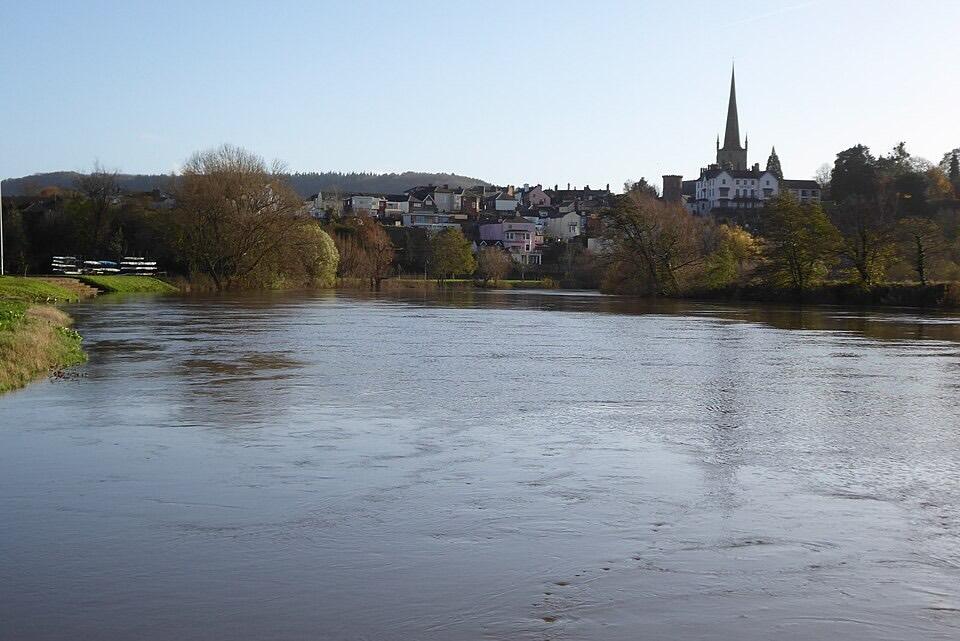
The River Wye is the first river in the UK to be granted its own legal rights, covering its entire course from source to sea.
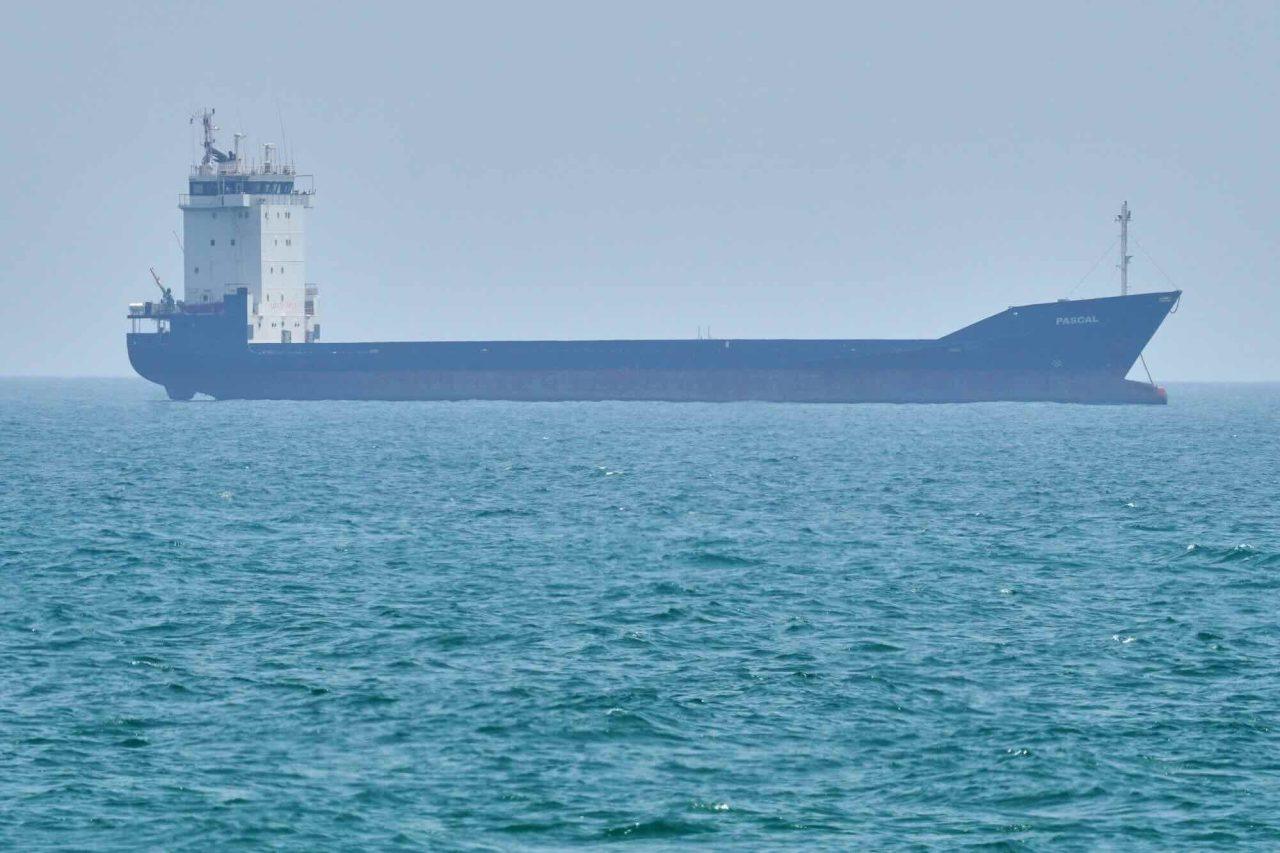
A tanker has been damaged in an explosion off the coast of Oman, according to the UK Maritime Trade Operations (UKMTO).
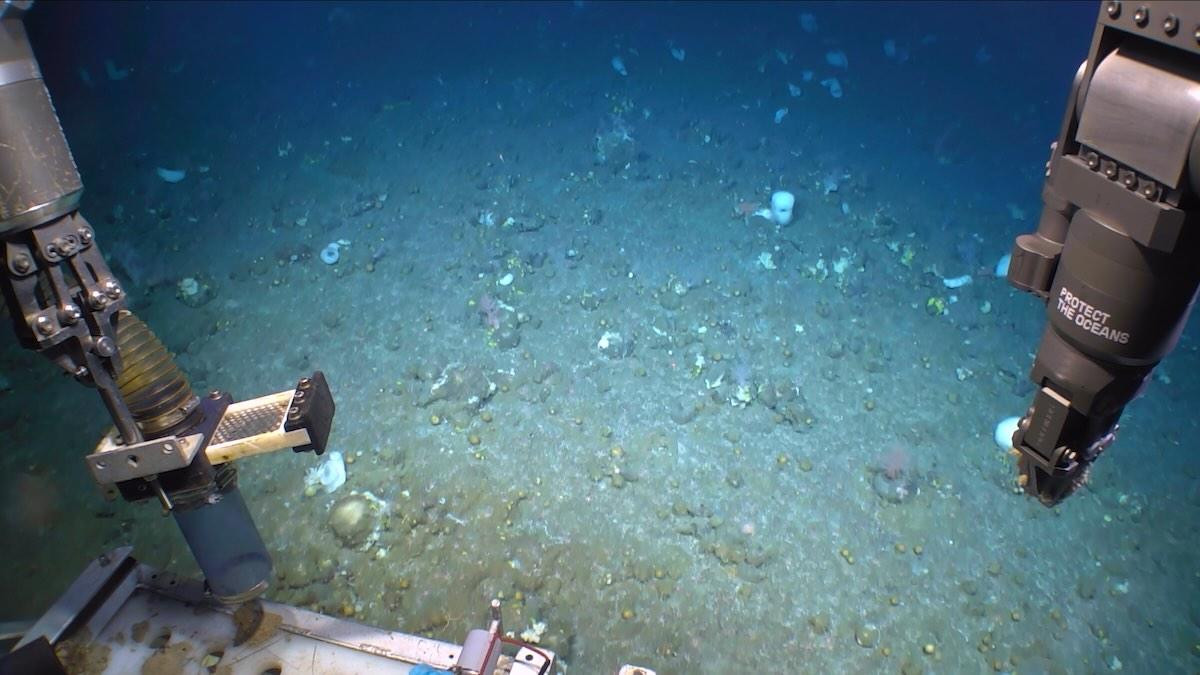
A month-long deep-sea expedition will investigate the unexplored life hidden at depths of more than 1,000 meters in the Arctic. The expedition is being carried out by the environmental organization Greenpeace, which aims to prevent the area from being opened up for mining.
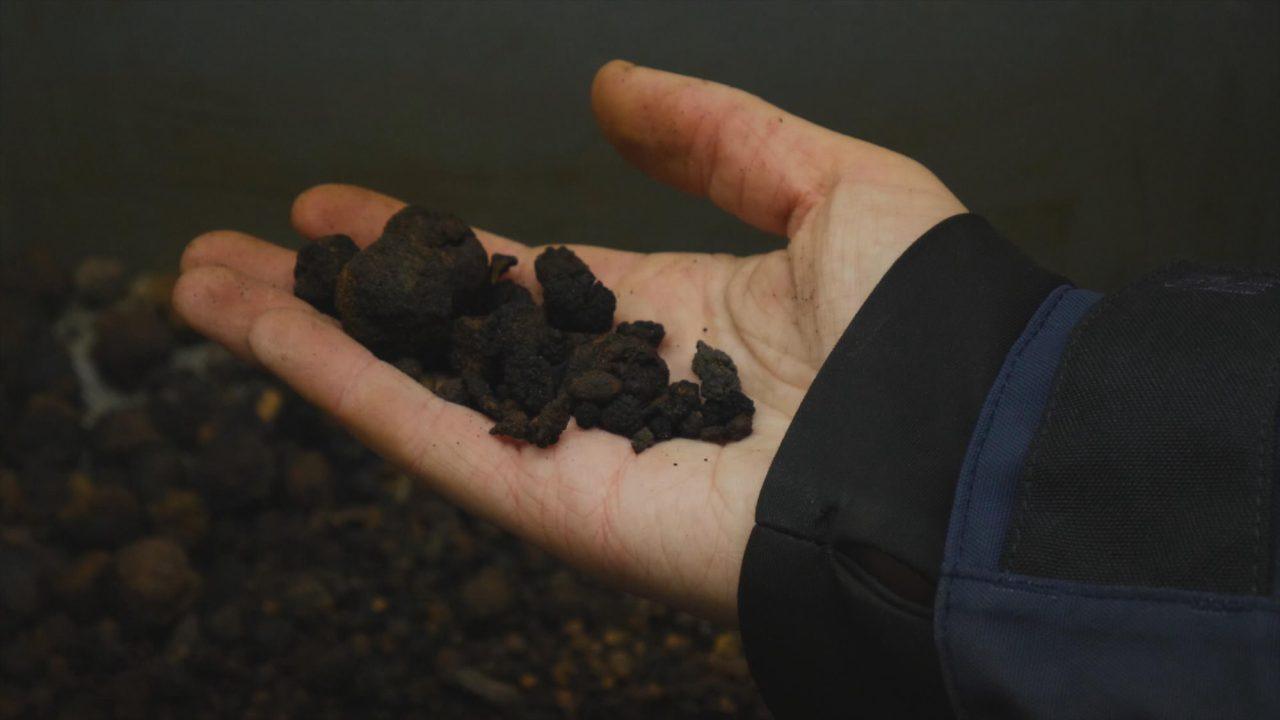
The deep sea is a living ecosystem, not a lifeless abyss. If disturbed, it may not be able to recover within a human timescale. This realisation is beginning to reshape the debate on large-scale deep-sea mining for rare earth minerals and metals.
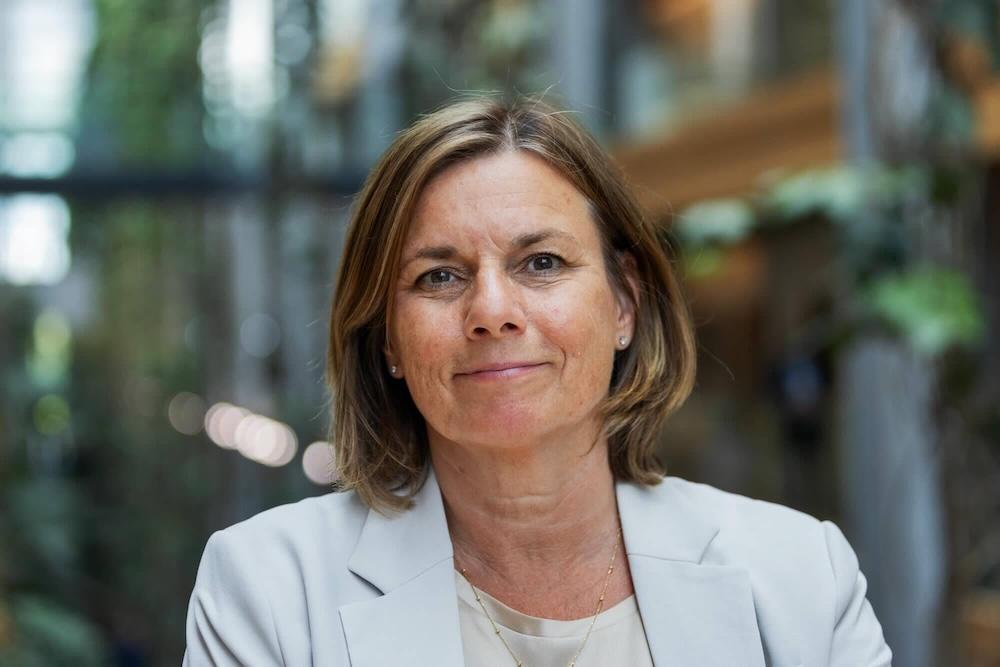
The European Parliament is pushing to ban industrial trawlers in the Baltic Sea. “A strong message,” says Isabella Lövin (the Swedish Green Party) following a vote in Strasbourg.
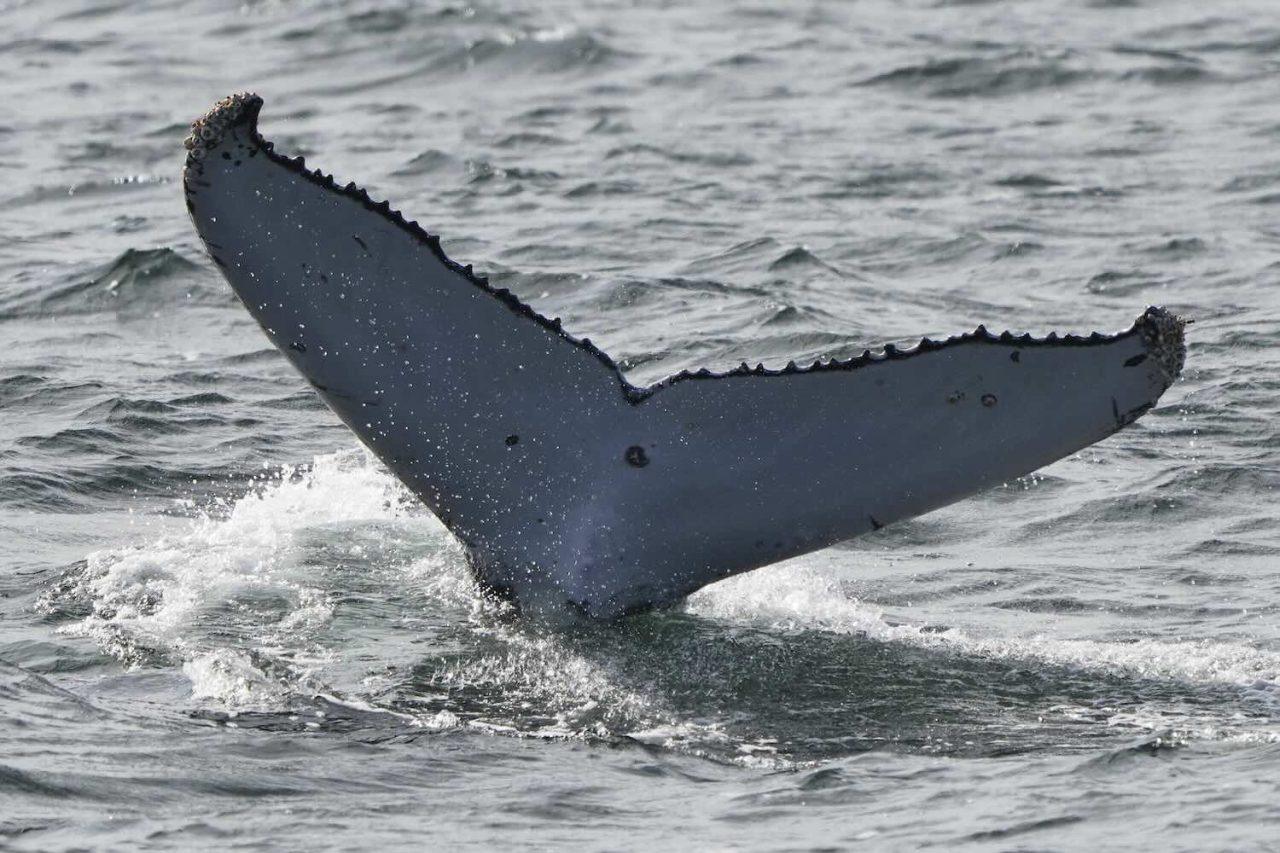
Two humpback whales have proven that these enormous mammals can travel from one side of the globe to the other—if given enough time.
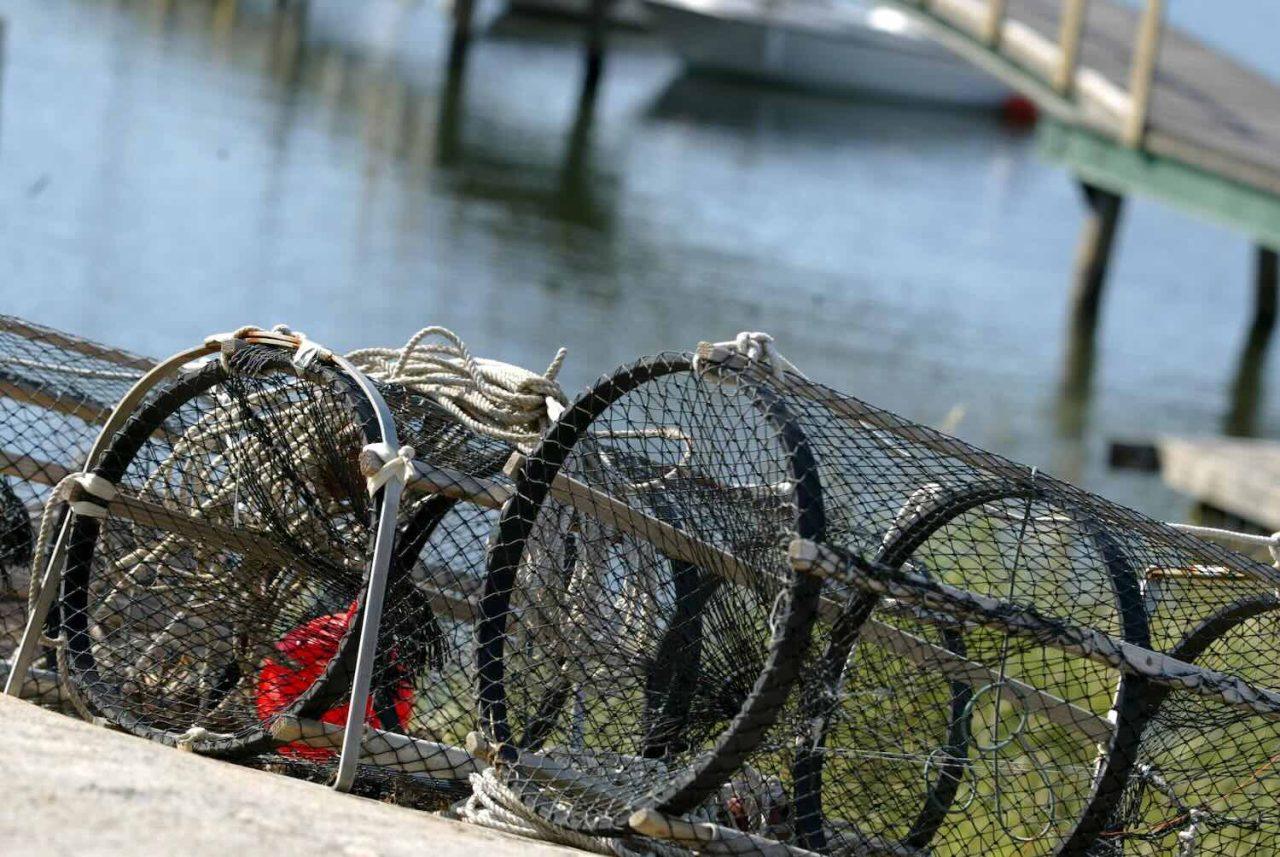
En ny kräftart med ursprung i Stilla havet har hittats utanför Husum i Örnsköldsviks kommun. Fyndet är det första i Sverige. Än så länge saknar den ett svenskt namn, men det latinska är Nippoleucon hinumensis.
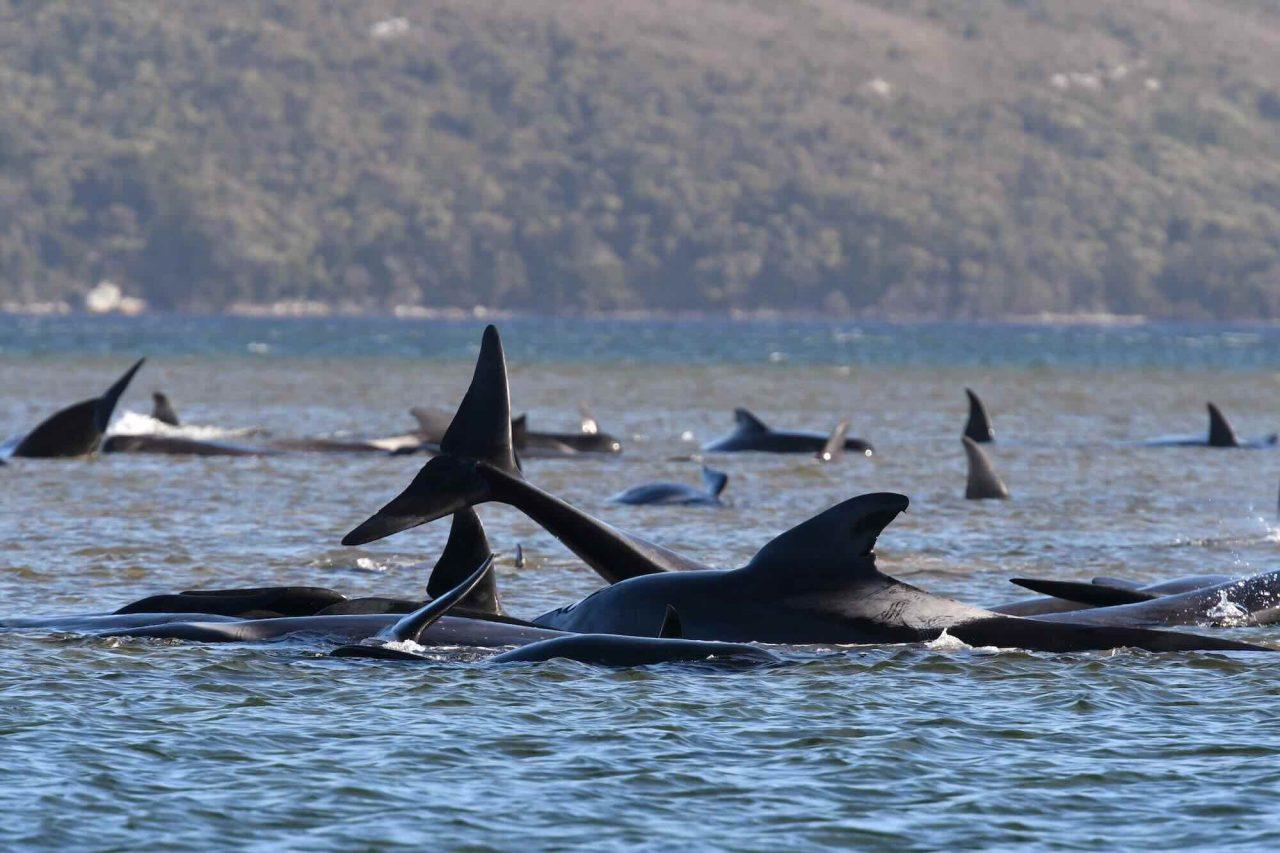
The noise level beneath the surface of the Strait of Gibraltar is comparable to standing next to a vacuum cleaner. The noise from maritime traffic affects marine life. A study shows that the pilot whales in the strait raise their voices to try to drown out the constant noise.
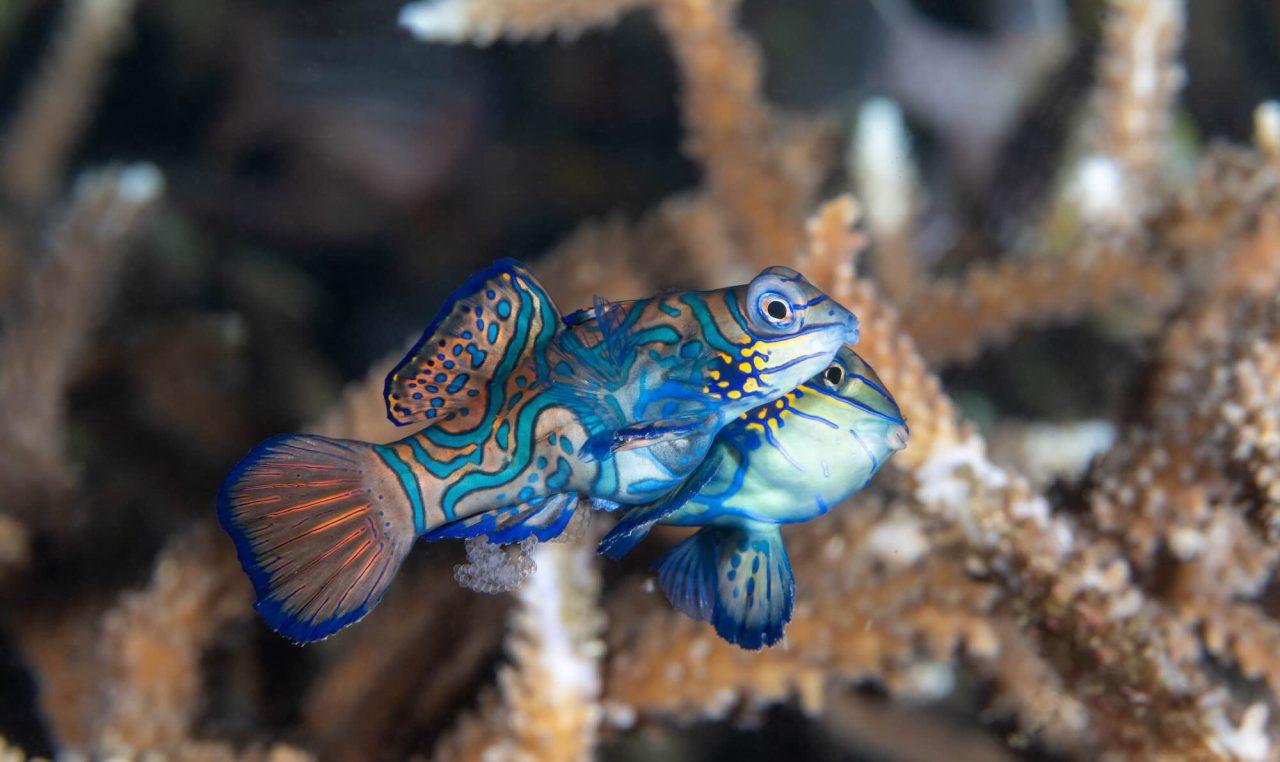
Octopuses as small as a thumbnail and mandarin fish so fast they can only be captured with a still camera. Underwater photographer Kimmo Hagman has been diving in the Lembeh Strait in Indonesia to capture the ocean’s tiniest creatures on film and in photos.
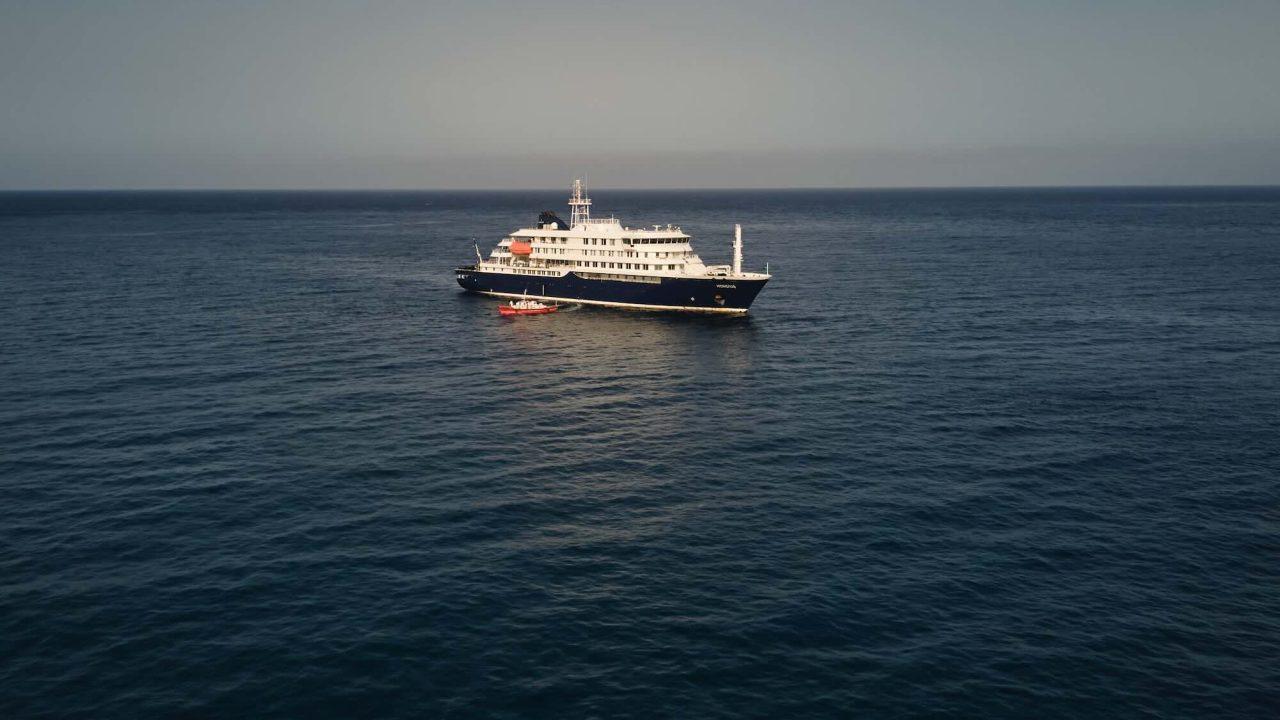
A former passenger on the cruise ship MV Hondius has fallen ill in Switzerland, Swiss authorities report. South Africa confirms that the virus on board is the Andes virus, the only strain of hantavirus that is transmissible between humans. Meanwhile, three passengers are being evacuated.
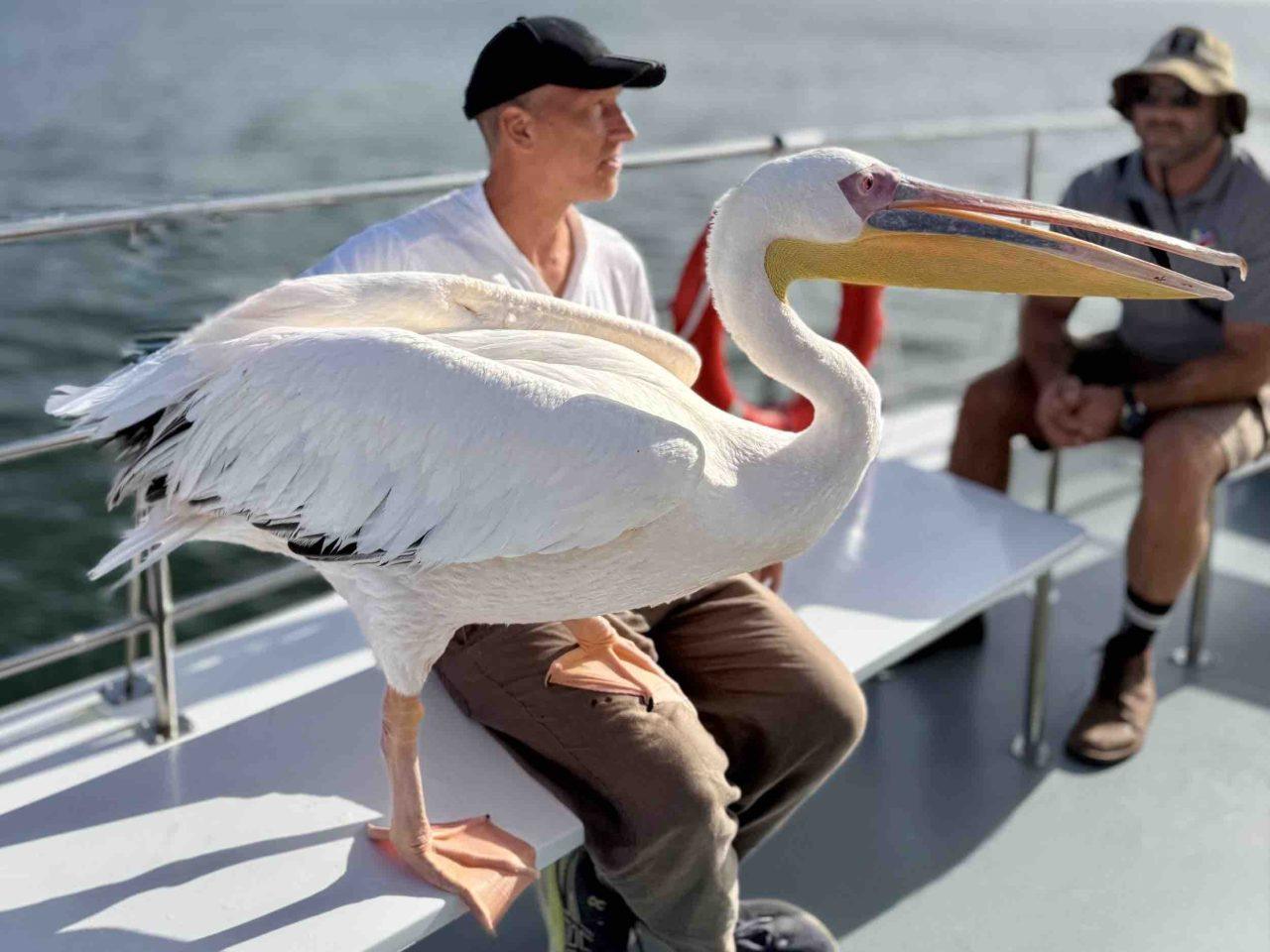
One hundred thousand seals lie lazily along the shores of Pelican Point — a sandspit stretching out into the ocean just outside Walvis Bay in Namibia. A jackal prowls along the edge of the seal colony, waiting for an unattended pup, to grab a meal. Charles, the wildlife guide on our boat, tells us about the life of the Cape fur seal, which doesn’t seem very different from that of grey seals in the Baltic Sea.
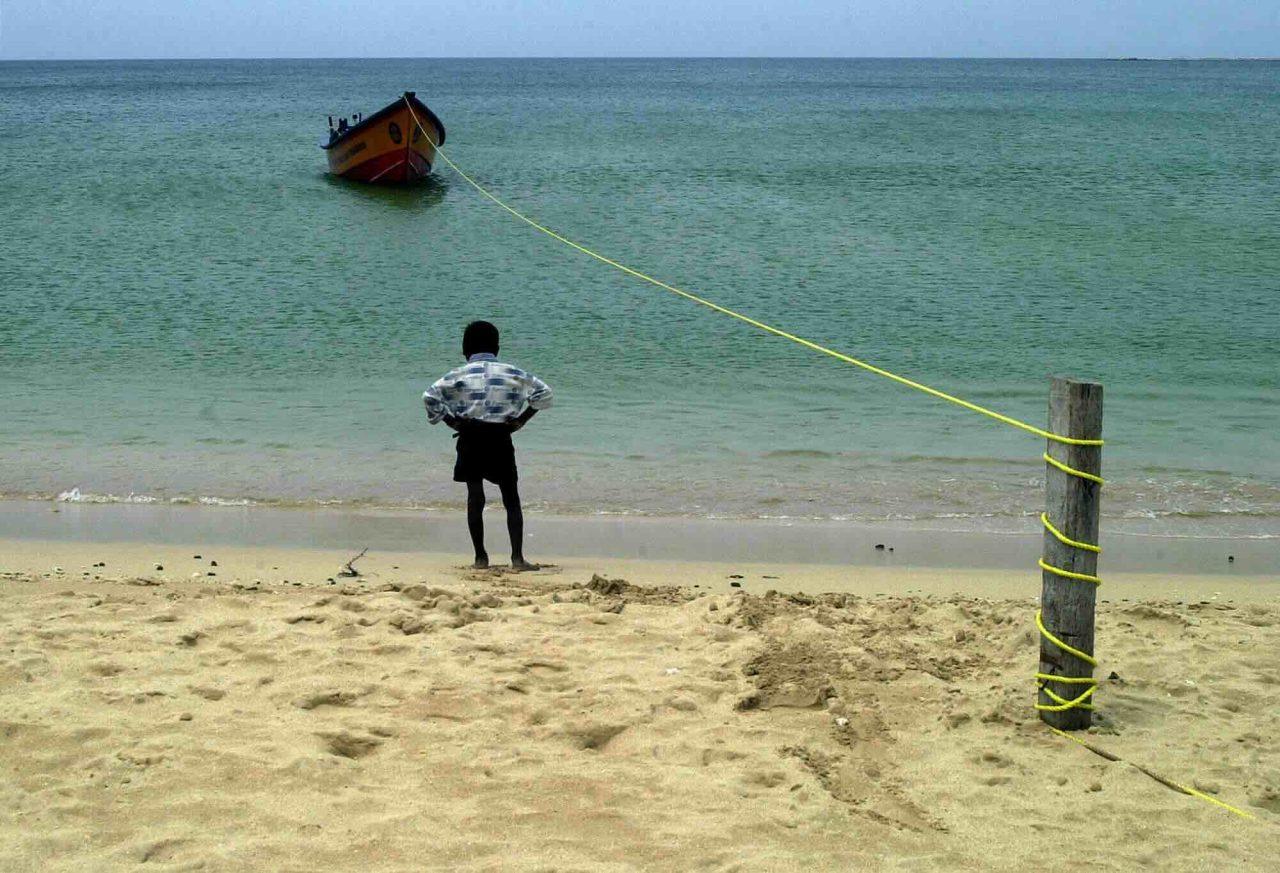
The plans are ambitious: a mega-port and associated urban development project on the largely untouched Nicobar Islands. In light of the threats to global shipping, India aims to create its own hub for trade and defense. Critics are outraged, calling it destruction disguised as development.