Coastal Communities Mapped Plastic Bottle on Beaches – Oldest from 2001
A research project has engaged more than a thousand volunteers in a large-scale survey of plastic bottles on beaches along the Central and South American Pacific coast, as first reported by Mongabay. The researchers behind the study advocate the introduction of a deposit system.
Tex: Arvid Wiclander Mellgren
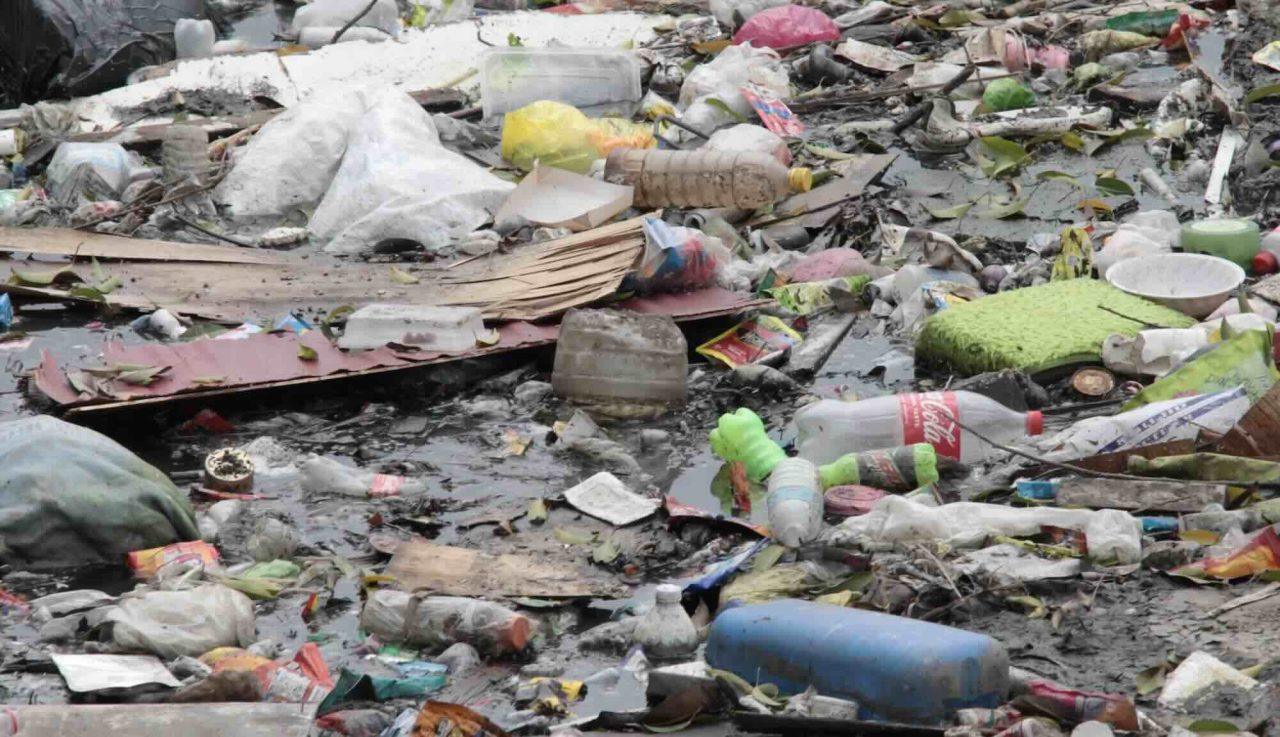
There are over 150 million tonnes of plastic in the ocean, and that figure is increasing by millions of tonnes every year. The most common type of plastic waste in the ocean is beverage bottles. A new study has collected and mapped plastic bottles on beaches and islands along the Pacific coast of South America and Central America. The researchers enlisted the help of locals at 145 locations in ten countries to collect bottles for identification. The Chile-based network Científicos de la Basura (rubbish scientists) administered the huge citizen science project.

Twenty-six per cent of the bottles collected came from the Coca-Cola Group, the world’s largest soft drink company. The oldest bottle was from 2001 and once contained the sports drink Powerade. The bottle was found on a beach in Peru.
‘A bottle that is more than 20 years old shows how durable plastic can be in marine ecosystems. In this case, the date was still visible on an intact bottle, which allowed us to estimate its age, but over time these objects will break down into smaller fragments that can no longer be seen, but which will remain in the environment indefinitely‘, says Ostin Garcés Ordóñez, head of the study, to Deep Sea Reporter.
Another discovery was the large number of bottles from Asia. They are believed to have been transported by ship and currents across the world’s largest oceans. On the islands included in the study, including Robinson Crusoe Island and the Galapagos Islands, the number of Asian bottles was particularly high. A few European bottles were also found.
Most bottles were found in Central America, probably because of the higher population density, but also because of commercial traffic in the Panama Canal. In Panama, the majority of bottles found were foreign.
‘Beach cleaning is not enough’
The researchers behind the study believe that a functioning recycling system, with deposit money as an incentive, would significantly improve the situation. There are small recycling initiatives in the region, but none that operate on a large scale.
‘Soft drink companies have an important responsibility. These companies are heavily dependent on single-use plastics. They should work to reduce plastic production, expand refillable and returnable bottle systems across the region, create more opportunities for consumers to access plastic-free alternatives, and support policies that prevent waste from entering the environment,’ says Ostin Garcés Ordóñez.
The response from citizen scientists who have helped collect the bottles has been positive, but they also express concern about the pollution. In some places, the plastic waste on the beaches comes from completely different parts of the world. This means that the local population cannot completely get rid of the beach plastic on their own.
‘Many local residents are expressing concern. The coastal communities note that much of the plastic bottles come from places outside their shores. The coastal communities realise that inadequate waste management contributes to local pollution. They emphasise that beach clean-ups are not enough and that the problem must be tackled at source by reducing single-use plastics‘, says Ostin Garcés Ordóñez.
About Deep Sea Reporter: Our ambition is to examine and report on issues related to the sea and the life that exists beneath its surface. We operate in the public interest and are independent of political, commercial, and other interests in society.