More than 70 percent of the Earth’s surface is covered by water and it is sometimes referred to as “the blue planet.” Most original life forms evolved in the ocean, and to this day, the marine environment maintains a biodiversity not found in any other ecosystem. Humans are highly dependent on the ocean.
The expression “the seven seas” was used in the past by sailors who sailed across all the world’s oceans. These include the North Pacific Ocean, South Pacific Ocean, North Atlantic Ocean, South Atlantic Ocean, Arctic Ocean (Northern Ocean), Southern Ocean (Antarctic Ocean), and the Indian Ocean. The world ocean, also known as the oceans, is defined as the interconnected water area surrounding the Earth’s continents. The world ocean is divided into three oceans: the Pacific Ocean, the Atlantic Ocean, and the Indian Ocean, with the Pacific Ocean being the largest, covering over 30 percent of the Earth’s surface. Sometimes, the Antarctic Ocean is also considered a separate ocean. The three oceans include delimited seas or sub-seas. A sub-sea or semi-enclosed sea is a delimited part of an ocean. For example, the North Sea, the Arctic Ocean, and the Mediterranean Sea are sub-seas of the Atlantic Ocean.
Several of the world’s seas are relatively warm, but the average temperature of the world’s oceans is only around 3.5 degrees Celsius. This is because the large deep-water basins consist of cold polar water.
A large portion of the open sea areas does not belong to any individual country and is often referred to as the “high seas” or deep sea. These areas constitute almost half of the Earth’s surface, two-thirds of the world’s ocean area, and 95 percent of the world’s ocean volume. The deep sea is not subject to national laws and, in practice, belongs to everyone. The United Nations has long negotiated how these areas should be managed. After more than ten years of intense negotiations, the UN adopted a new binding treaty for the sustainable use of biodiversity in areas beyond national jurisdiction in 2023. This is a step towards fulfilling the global commitments of the international biodiversity agreement from 2022, where the goal is to protect at least 30 percent of the ocean by 2030.
Despite the ocean being a place where various organisms thrive, there are many extreme environments in the sea. From temperatures below freezing to near boiling points in hot underwater springs. Where the sea meets the land, the waves are powerful, UV radiation is high, and it is home to a large biodiversity. Some organisms utilize a wide range of habitats, while others specialize in a single type of environment.
The deep sea is a hostile environment for us humans. At a depth of 30 meters, most light is gone, at 70 to 80 meters, most of the oxygen disappears, and the pressure at the bottom is high. Therefore, very little of the deep sea has been explored. In fact, barely five percent of the ocean’s depths have been explored by humans. Researchers also know less than they would like about the organisms that can live in the deep sea. Moreover, they cannot be brought up and studied in aquariums or laboratories because they are adapted to withstand the high pressure in the depths of the sea.
To live in the depths of the oceans, where light does not reach, animals must adapt to life in darkness. Many have large mouths, light organs, or large and extra light-sensitive eyes. There is also a diversity of microorganisms living in this challenging environment. The fact that life can exist under such extreme conditions without oxygen or sunlight has led researchers to consider that there might be life on other planets that we have previously thought to be lifeless.
Although we still know very little about the organisms of the deep, it is known that overfishing and bottom trawling can also affect deep-sea animals. Many organisms are still undiscovered and therefore at risk of disappearing if fishing continues as it has done so far.
The Mariana Trench in the Pacific Ocean is the world’s deepest place in the sea. The maximum depth is Challenger Deep, which is approximately eleven kilometers below the sea surface. At the same time, the average depth of the world’s oceans is about 3700 meters. Sweden’s deepest point is 560 meters in Bratten in Skagerrak, and the Baltic Sea’s deepest point, Landsort Deep at 459 meters, is west of Gotland.
Ecosystem services
The world’s oceans and seas are a significant asset for us humans. The oceans provide us with a multitude of services. To remind us of the importance of the oceans and the need to protect them, June 8th has been designated as World Oceans Day by the United Nations. But there are more reminders of how important the ocean is in our daily lives.
World oceans give us more than just food. They produce more than half of all the oxygen in the atmosphere through photosynthesis, absorb greenhouse gases, and contribute to tourism. Some well-visited tourist destinations at sea include Gotland, the Koster Islands, and other archipelago areas.
Additionally, hundreds of millions of people depend on fish and other resources from the sea. More than 38 million people are employed in the fishing industry worldwide. The oceans are also widely used as transportation routes.
Coastal ecosystems such as coral reefs, seagrass beds, and mangrove forests are crucial places for the young. They are also significant for people living on the coast as they act as a protection zone against floods, storms, and can serve as wave breakers and erosion protection.
TEXT: Lina Mattsson
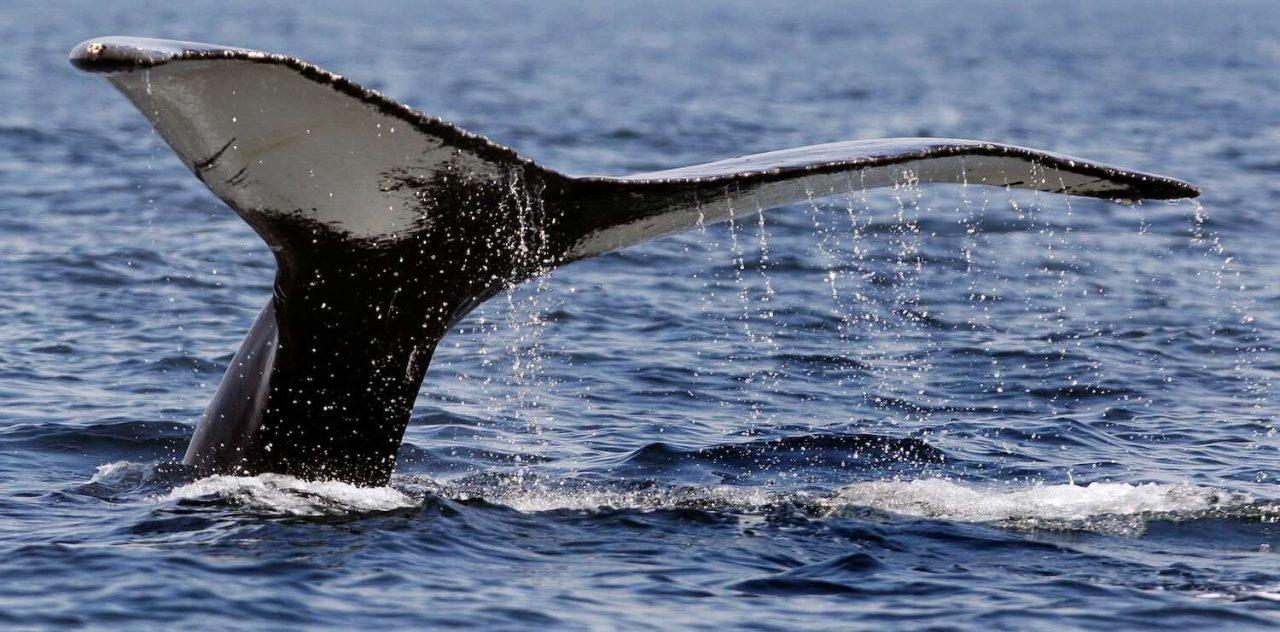
She stayed close by and remained with her dead calf for a long time. A rare observation of a female killer whale that had lost her calf provides new insight into how whales grieve. Unlike toothed whales, where females have been seen lifting their dead calves to the surface, the female killer whale remained beneath the surface with her calf.
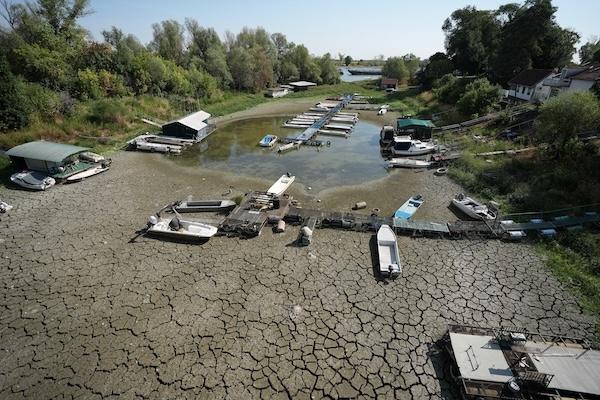
The Earth’s water system is out of balance. Freshwater reserves are dwindling and most rivers have not flowed normally over the past seven years, according to a new UN report. ´The main message is that water availability has declined in recent years,´says SMHI hydrologist Yeshewatesfa Hundecha.
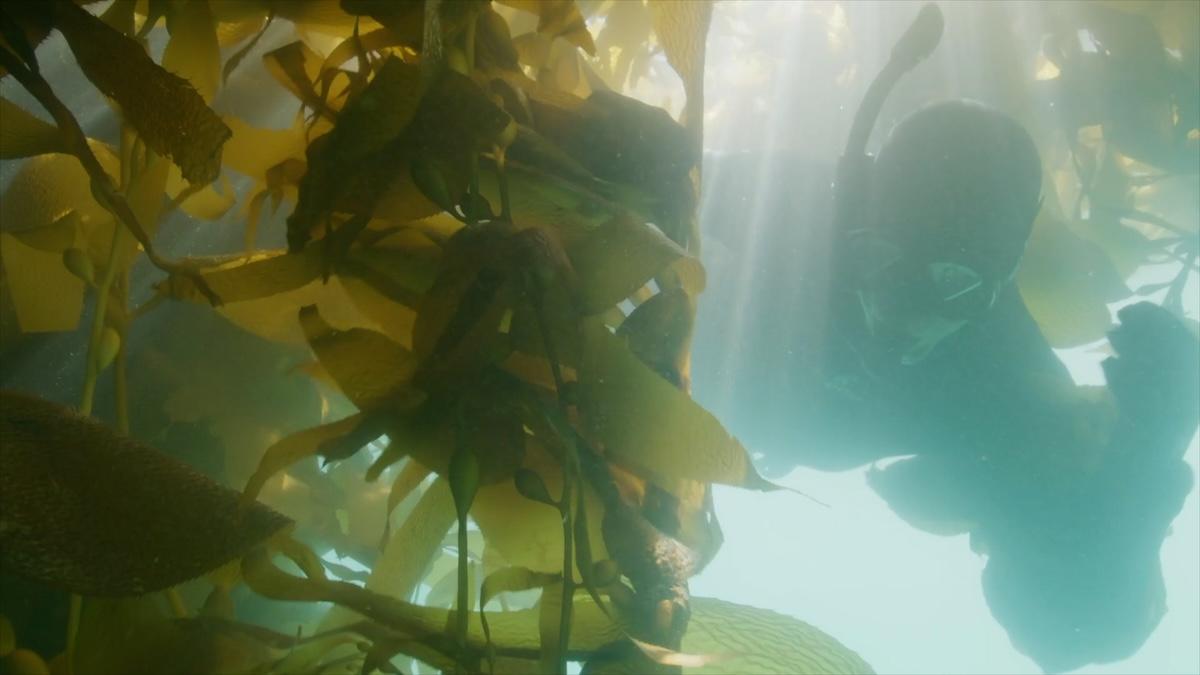
The desert nation of Namibia, located on the Atlantic coast of southern Africa, has literally plunged into the so-called “blue economy.” With massive farms of giant kelp, Macrocystis pyrifera, the country is on its way to becoming a major exporter of seaweed-derived products. The industry provides jobs and also serves as a carbon sink.
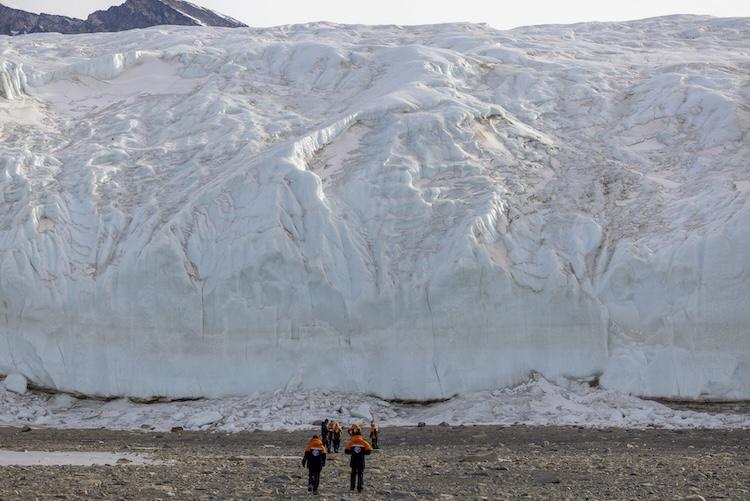
Greenland and Antarctica have lost 11.3 trillion tonnes of ice since the 1970s. This has raised global sea levels by more than three centimetres, according to a new study.
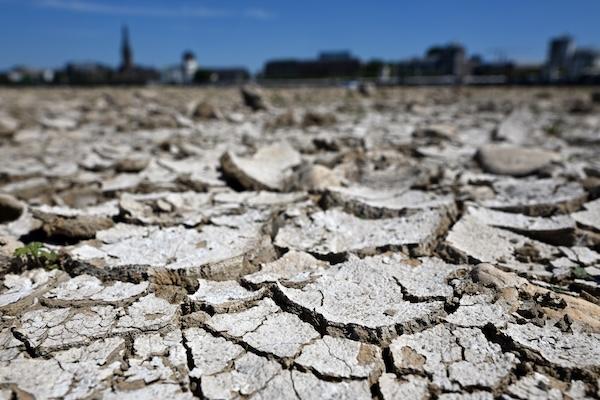
A hot summer is followed by a heated autumn in the EU, as climate measures clash with demands for cheaper energy for households and industry. ´We must wake up,´ says EU Environment Commissioner Jessika Roswall.

The Finnish Government is proposing that the Border Guard be granted extended powers to prevent damage to submarine cables.
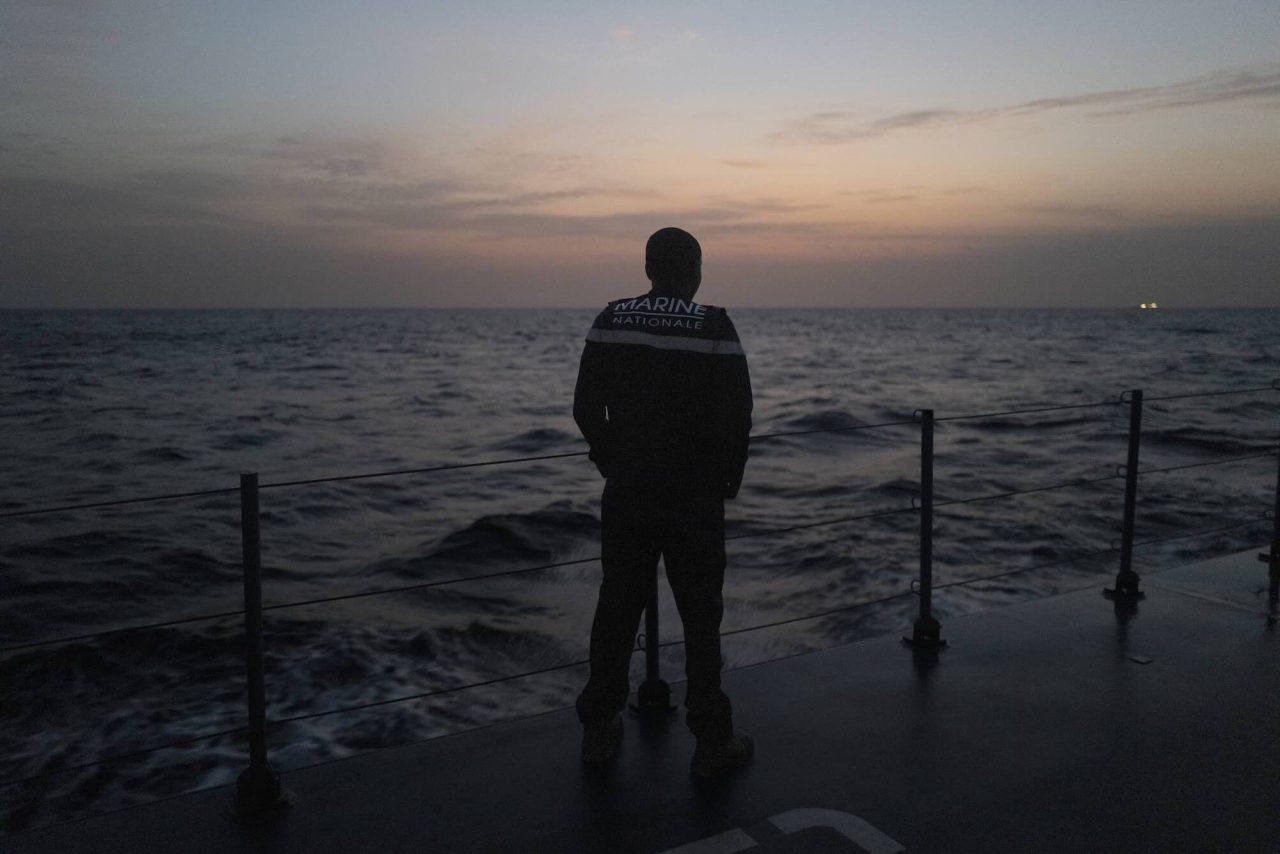
More than 1,000 migrants have been rescued off the coast of West Africa in the space of a week, according to Médecins Sans Frontières (MSF).
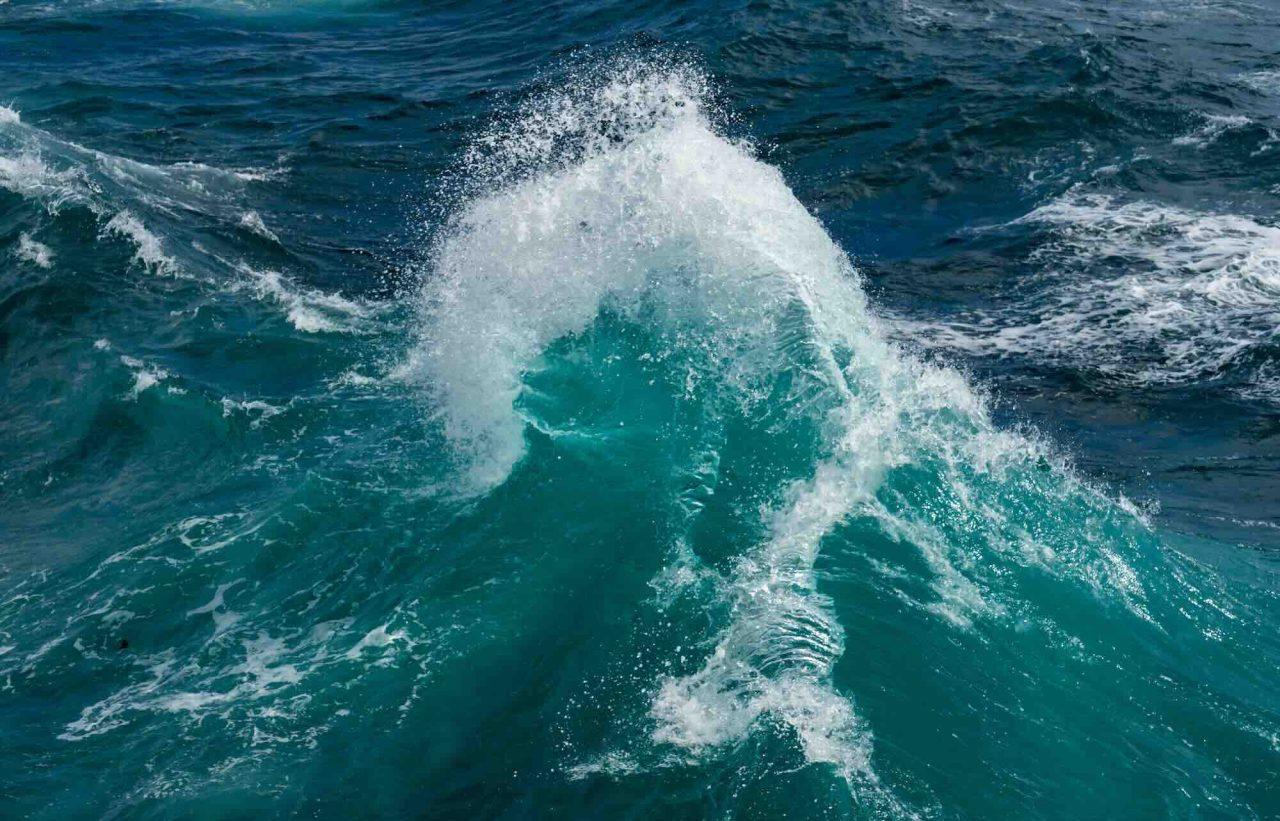
Since Sweden signed the global ocean treaty BBNJ, the government has said it is working swiftly to ratify it, with the goal of completing the process during 2026. A legislative council referral has now been submitted. But critics argue the matter has still been handled too slowly, and that the target risks being missed.
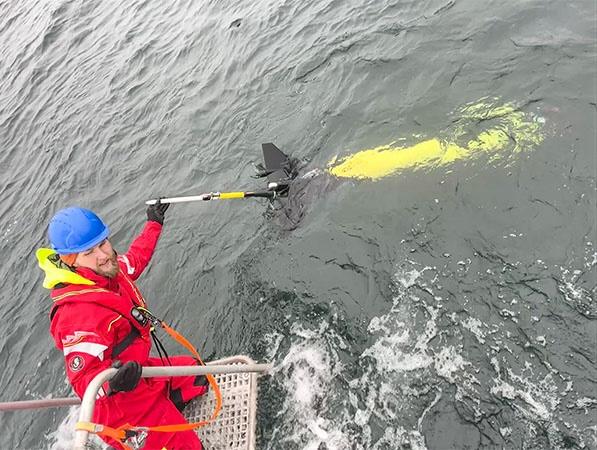
The ocean tells us about the state of our planet - today and in the future. The EU has now decided to allocate more funds to improve coordination and data collection. The so-called Ocean Eye initiative, with an initial budget of €50 million, aims both to safeguard Europe’s independence and to invite international partners to participate in the vital work of gathering observations above and below the surface.
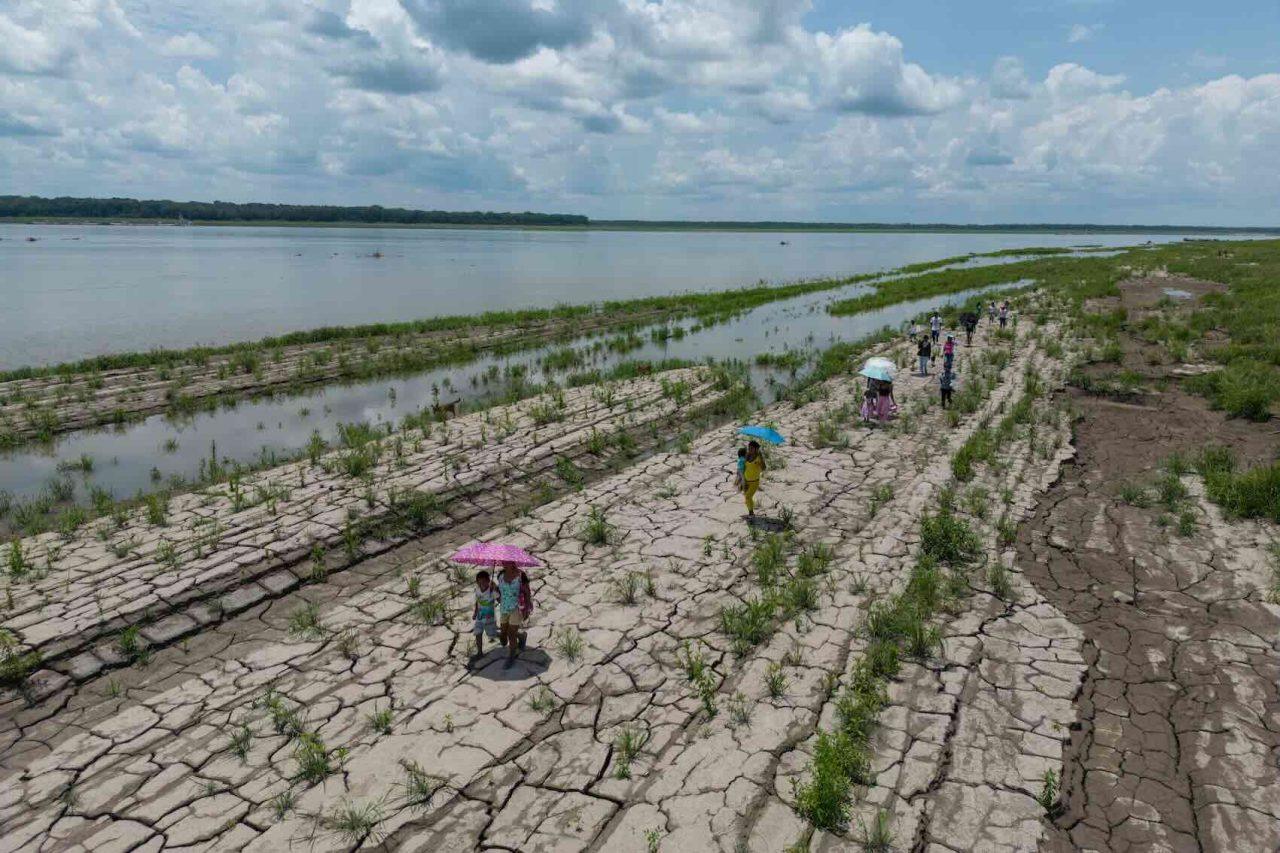
The El Niño weather phenomenon is in full swing and is expected to cause weather disturbances until at least February next year, according to the World Meteorological Organisation (WMO).
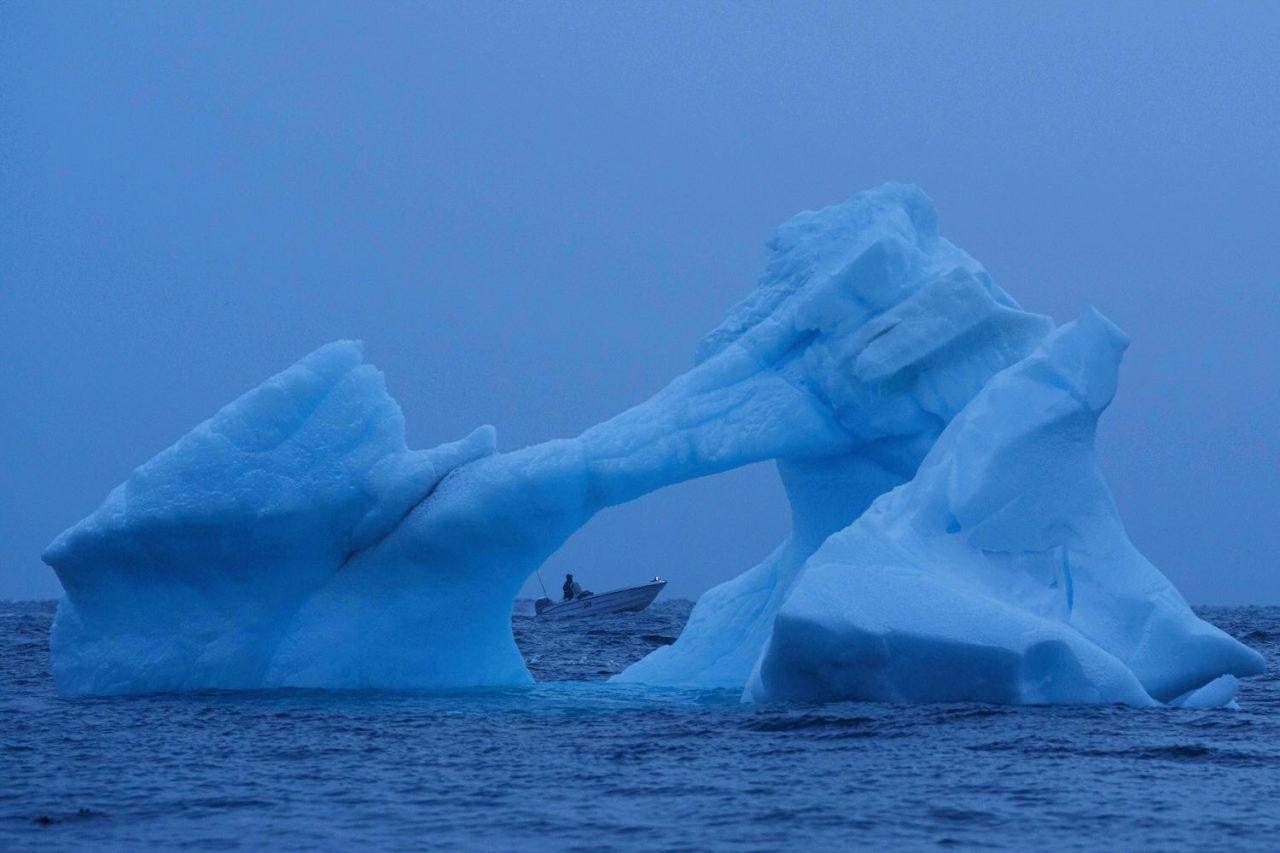
Is the Gulf Stream on the verge of collapsing and causing chaos in the Earth’s climate? Several high-profile reports have warned that this is about to happen. But this is one of the few climate issues on which the scientific community remains deeply divided. Men frågan är en av få klimatfrågor där forskarvärlden fortfarande är djupt oenig.
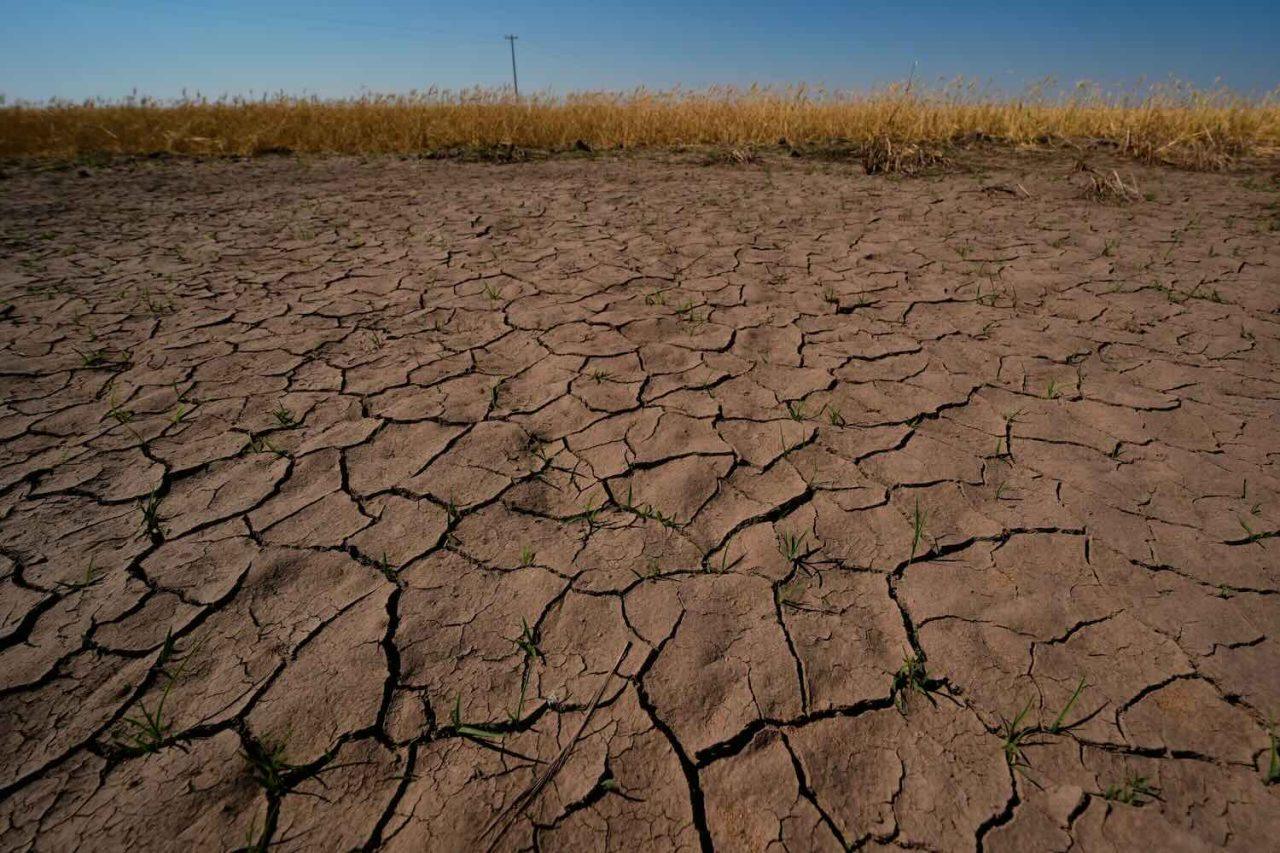
According to a new study, the El Niño weather phenomenon is becoming more intense as a result of climate change.
El Niño events are around 36 per cent more intense than they were before industrialisation. And this trend has accelerated over the last four decades.
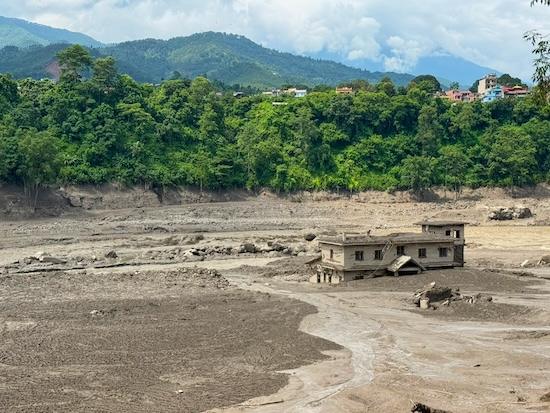
A collapsing glacier and a landslide are likely to have triggered the mudslide disaster in Nepal.
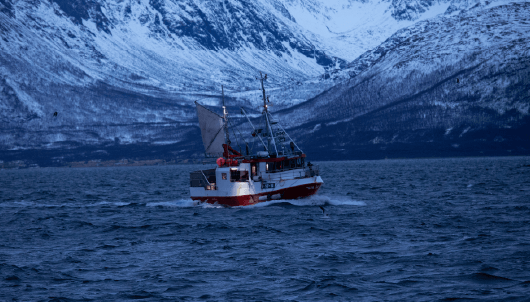
The herring and cod off the coast of Northern Norway almost disappeared completely when new methods made it possible to catch ever-increasing quantities. But when the sea had been almost depleted, fishing was halted, and since then the fish have slowly returned.

Despite constant warnings, the European Commission is proposing an increase in fishing in the Baltic Sea for next year.
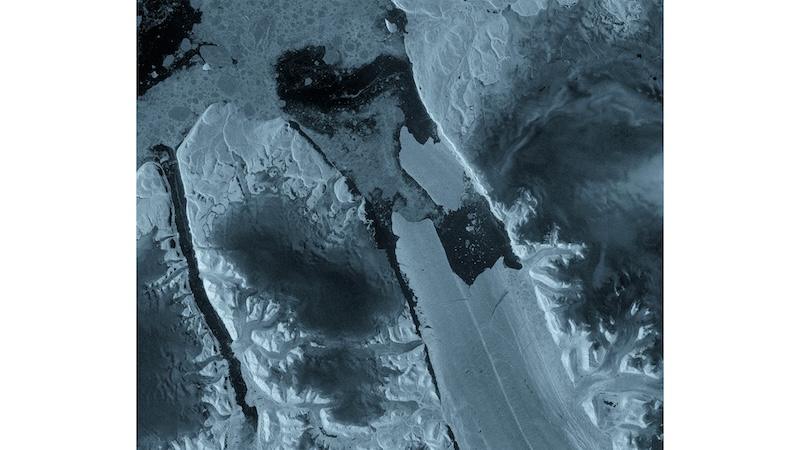
An iceberg larger than Manhattan has broken away from the Petermann Glacier. The iceberg, which broke away on 4 August, measures 76 square kilometres and is 150 metres thick – the largest in the Arctic since 2020. The European Space Agency (ESA) compares its size to the New York island of Manhattan. From a Swedish […]
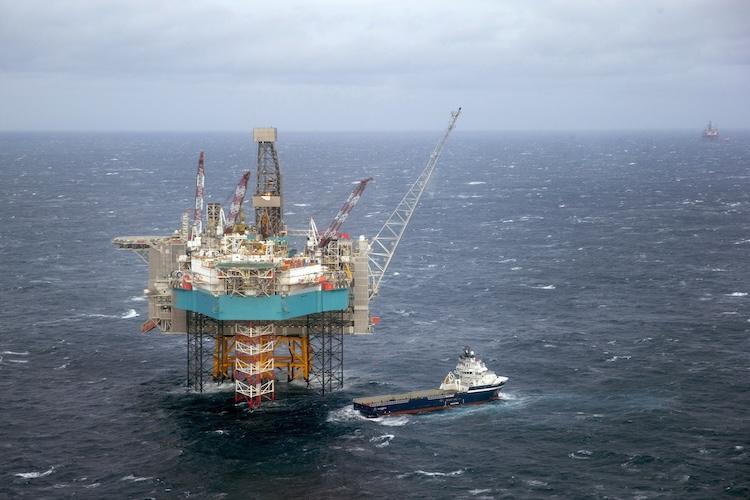
Norway will continue to drill for oil in the Barents Sea even if the EU extends its moratorium on such activities, according to Norway’s Energy Minister Terje Aasland (Labour Party). Continued activity in the Barents Sea benefits both Norwegian and European interests, says Terje Aasland in an interview with the Reuters news agency ahead of […]
The average sea-surface temperature has exceeded 21.1 degrees. It has not been this warm for as long as records have been kept. The record was set on 21 August, according to the EU’s Copernicus Climate Change Service, whose data series outside the polar regions dates back to 1979. What stands out is that the temperature […]
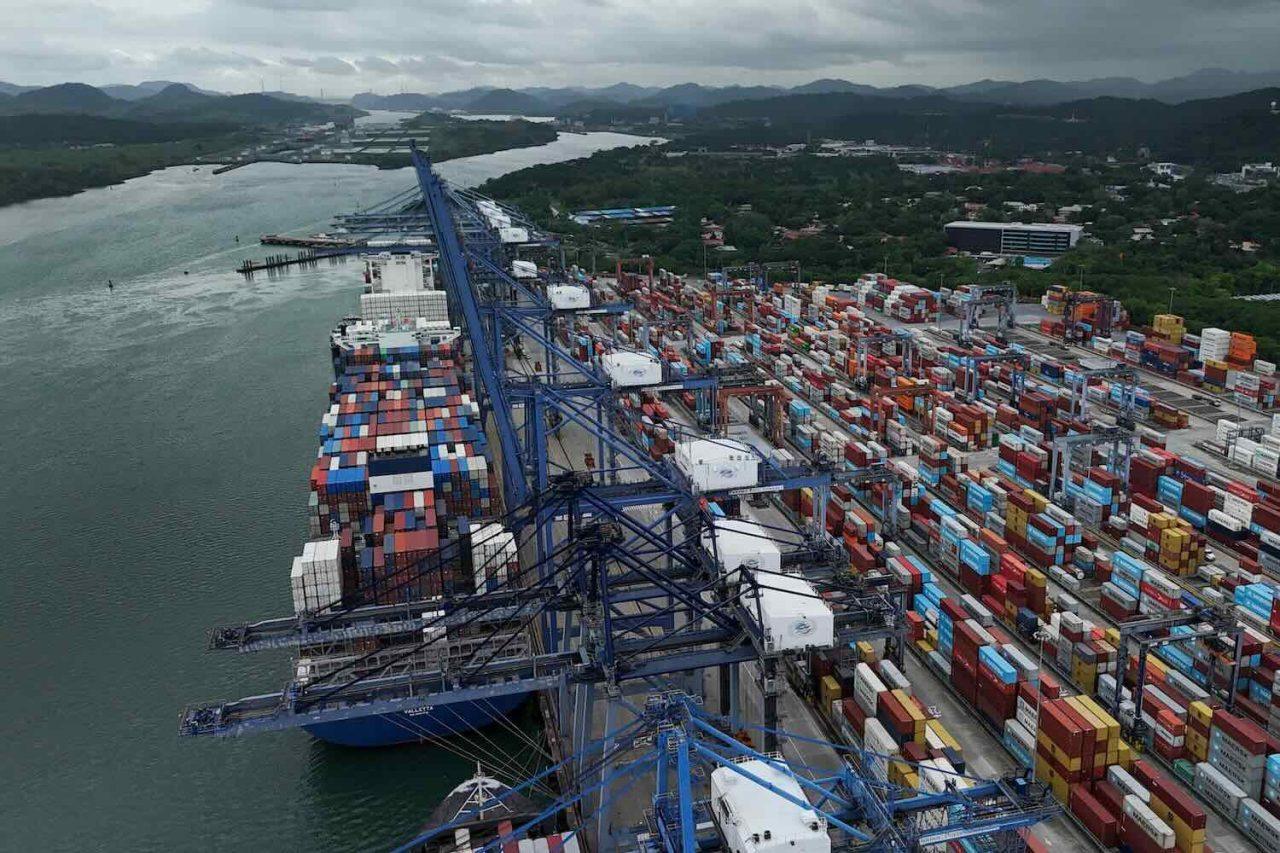
From next month, fewer ships will be allowed to pass through the Panama Canal. The reason is the drought, which has been made worse by the El Niño weather phenomenon.
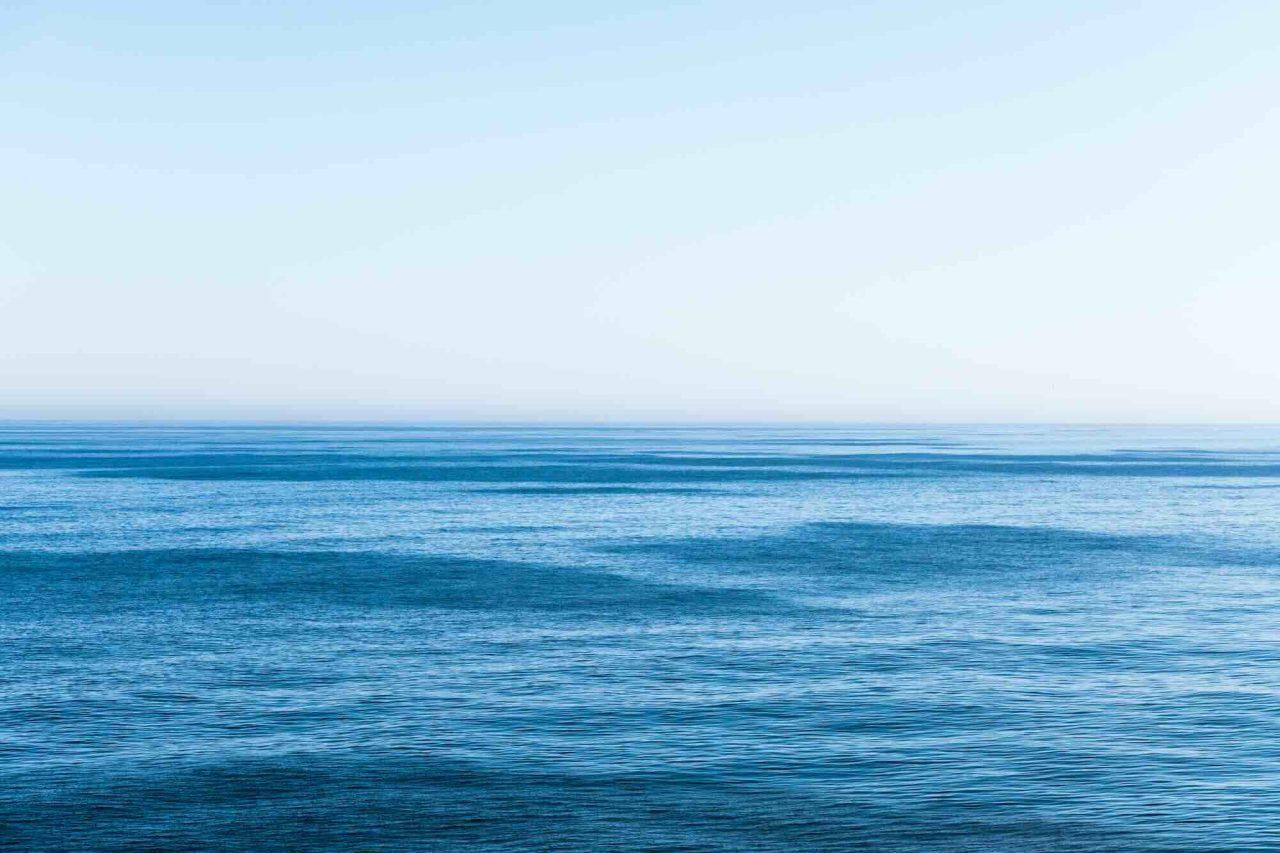
The ocean’s remarkable ability to absorb almost all the excess heat we produce is beginning to wane. There are many reasons for this, and the ones that receive the most attention in the media and in research are global warming and the fact that the water is becoming increasingly acidic. But what is also happening is a rapid loss of dissolved oxygen. Put simply, the sea is running out of oxygen. And a sea that is gasping for breath is a cause for concern for the entire planet.
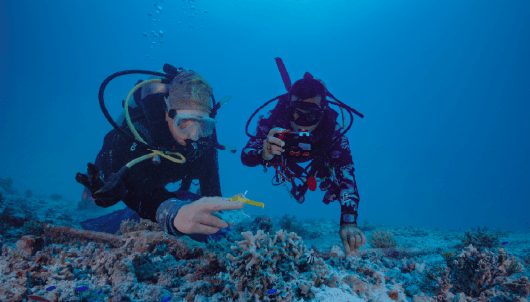
‘Bikini Reborn’ is a follow-up to the documentary “Ocean Dreams”, a film about the ocean’s resilience when we leave it alone. When it is given a chance to heal, life can return. In ‘Bikini Reborn’, you can follow coral researchers Sylvia Jagerroos and Didier Zoccola as they dive at the Bikini Atoll in search of surviving corals.
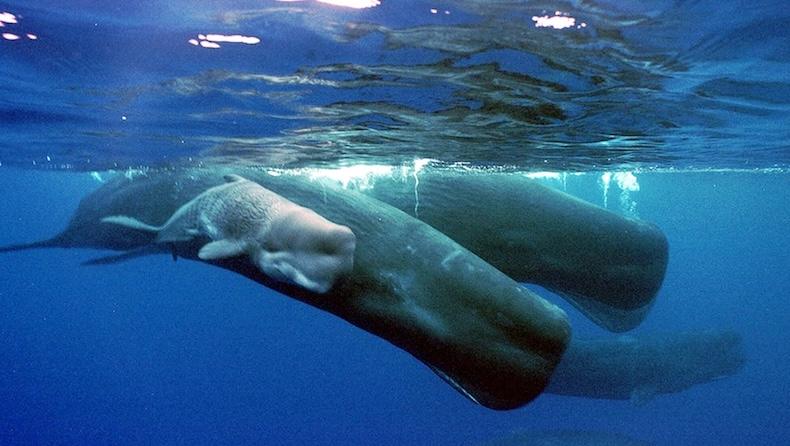
The sperm whale, the world’s largest toothed whale, has the largest brain on Earth. It also produces complex clicks which, according to a new study, resemble human speech. The study, published in the *Proceedings of the Royal Society*, is based on analyses of recordings made of sperm whales in the waters off the island of […]
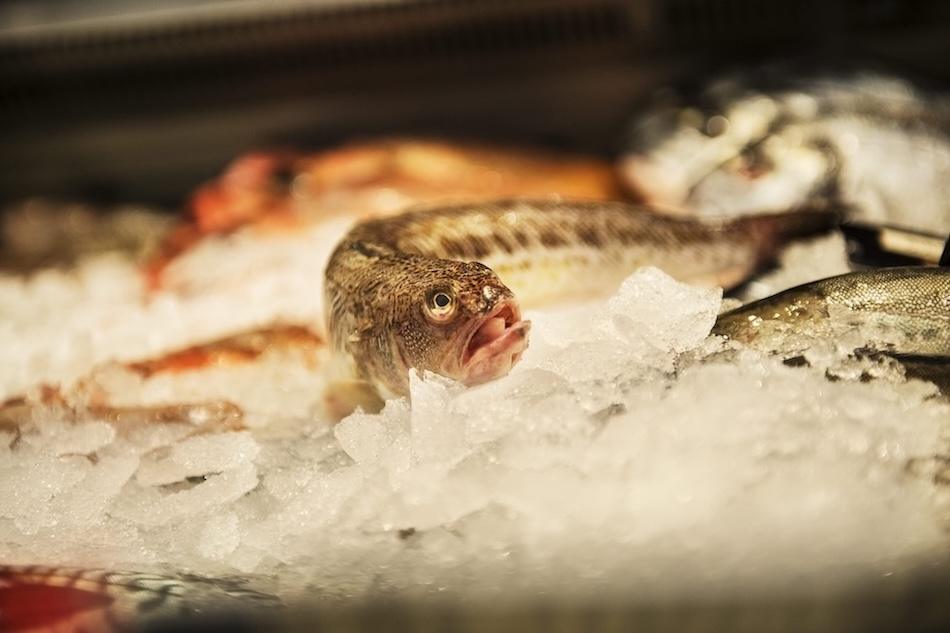
Never before have there been so many of the poisonous predatory fish known as the greater weever in the Kattegat. Commercial fishermen see commercial opportunities. But swimmers would rather avoid the creature that has been dubbed the ‘viper of the sea’. In just a few months this year, Danish fishermen have caught 800 tonnes of […]

