More than 70 percent of the Earth’s surface is covered by water and it is sometimes referred to as “the blue planet.” Most original life forms evolved in the ocean, and to this day, the marine environment maintains a biodiversity not found in any other ecosystem. Humans are highly dependent on the ocean.
The expression “the seven seas” was used in the past by sailors who sailed across all the world’s oceans. These include the North Pacific Ocean, South Pacific Ocean, North Atlantic Ocean, South Atlantic Ocean, Arctic Ocean (Northern Ocean), Southern Ocean (Antarctic Ocean), and the Indian Ocean. The world ocean, also known as the oceans, is defined as the interconnected water area surrounding the Earth’s continents. The world ocean is divided into three oceans: the Pacific Ocean, the Atlantic Ocean, and the Indian Ocean, with the Pacific Ocean being the largest, covering over 30 percent of the Earth’s surface. Sometimes, the Antarctic Ocean is also considered a separate ocean. The three oceans include delimited seas or sub-seas. A sub-sea or semi-enclosed sea is a delimited part of an ocean. For example, the North Sea, the Arctic Ocean, and the Mediterranean Sea are sub-seas of the Atlantic Ocean.
Several of the world’s seas are relatively warm, but the average temperature of the world’s oceans is only around 3.5 degrees Celsius. This is because the large deep-water basins consist of cold polar water.
A large portion of the open sea areas does not belong to any individual country and is often referred to as the “high seas” or deep sea. These areas constitute almost half of the Earth’s surface, two-thirds of the world’s ocean area, and 95 percent of the world’s ocean volume. The deep sea is not subject to national laws and, in practice, belongs to everyone. The United Nations has long negotiated how these areas should be managed. After more than ten years of intense negotiations, the UN adopted a new binding treaty for the sustainable use of biodiversity in areas beyond national jurisdiction in 2023. This is a step towards fulfilling the global commitments of the international biodiversity agreement from 2022, where the goal is to protect at least 30 percent of the ocean by 2030.
Despite the ocean being a place where various organisms thrive, there are many extreme environments in the sea. From temperatures below freezing to near boiling points in hot underwater springs. Where the sea meets the land, the waves are powerful, UV radiation is high, and it is home to a large biodiversity. Some organisms utilize a wide range of habitats, while others specialize in a single type of environment.
The deep sea is a hostile environment for us humans. At a depth of 30 meters, most light is gone, at 70 to 80 meters, most of the oxygen disappears, and the pressure at the bottom is high. Therefore, very little of the deep sea has been explored. In fact, barely five percent of the ocean’s depths have been explored by humans. Researchers also know less than they would like about the organisms that can live in the deep sea. Moreover, they cannot be brought up and studied in aquariums or laboratories because they are adapted to withstand the high pressure in the depths of the sea.
To live in the depths of the oceans, where light does not reach, animals must adapt to life in darkness. Many have large mouths, light organs, or large and extra light-sensitive eyes. There is also a diversity of microorganisms living in this challenging environment. The fact that life can exist under such extreme conditions without oxygen or sunlight has led researchers to consider that there might be life on other planets that we have previously thought to be lifeless.
Although we still know very little about the organisms of the deep, it is known that overfishing and bottom trawling can also affect deep-sea animals. Many organisms are still undiscovered and therefore at risk of disappearing if fishing continues as it has done so far.
The Mariana Trench in the Pacific Ocean is the world’s deepest place in the sea. The maximum depth is Challenger Deep, which is approximately eleven kilometers below the sea surface. At the same time, the average depth of the world’s oceans is about 3700 meters. Sweden’s deepest point is 560 meters in Bratten in Skagerrak, and the Baltic Sea’s deepest point, Landsort Deep at 459 meters, is west of Gotland.
Ecosystem services
The world’s oceans and seas are a significant asset for us humans. The oceans provide us with a multitude of services. To remind us of the importance of the oceans and the need to protect them, June 8th has been designated as World Oceans Day by the United Nations. But there are more reminders of how important the ocean is in our daily lives.
World oceans give us more than just food. They produce more than half of all the oxygen in the atmosphere through photosynthesis, absorb greenhouse gases, and contribute to tourism. Some well-visited tourist destinations at sea include Gotland, the Koster Islands, and other archipelago areas.
Additionally, hundreds of millions of people depend on fish and other resources from the sea. More than 38 million people are employed in the fishing industry worldwide. The oceans are also widely used as transportation routes.
Coastal ecosystems such as coral reefs, seagrass beds, and mangrove forests are crucial places for the young. They are also significant for people living on the coast as they act as a protection zone against floods, storms, and can serve as wave breakers and erosion protection.
TEXT: Lina Mattsson
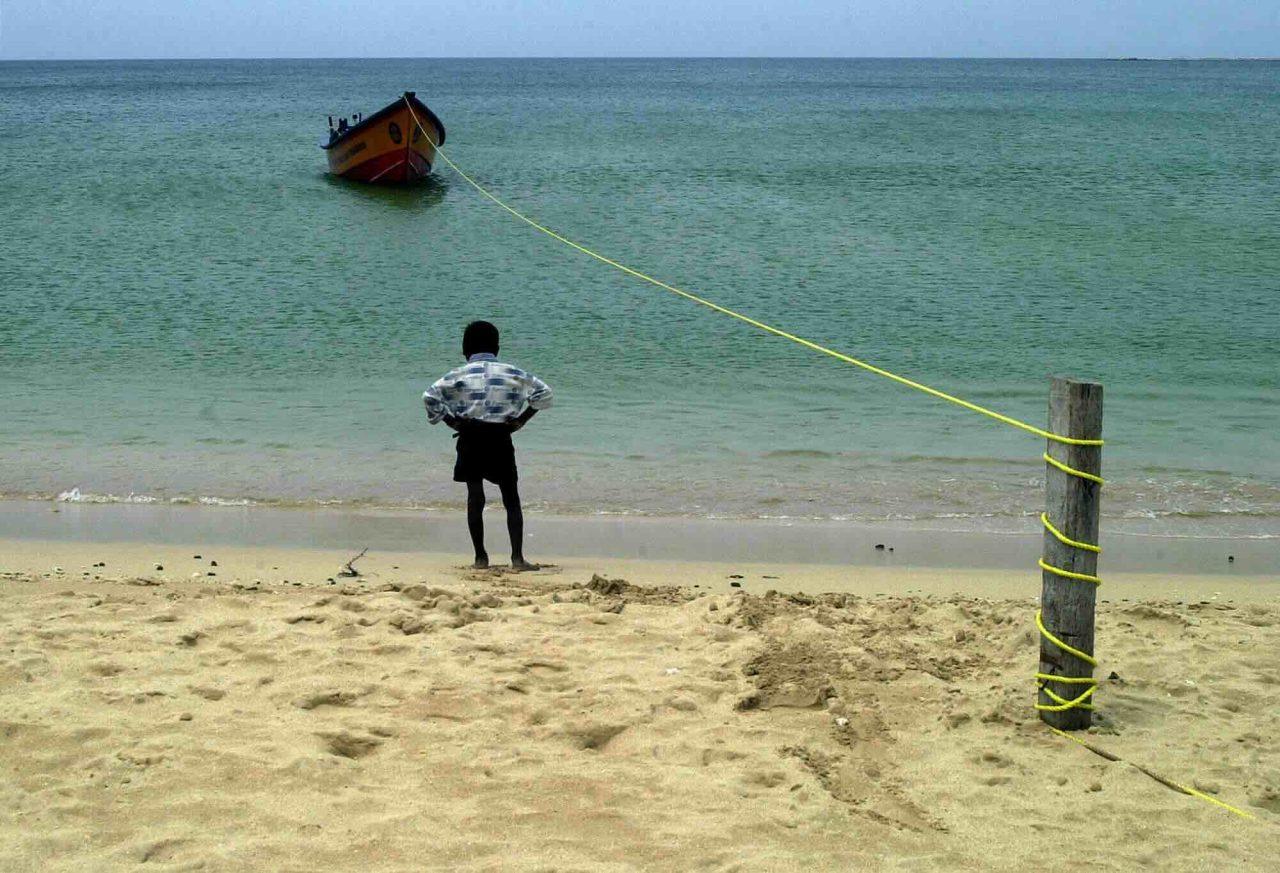
The plans are ambitious: a mega-port and associated urban development project on the largely untouched Nicobar Islands. In light of the threats to global shipping, India aims to create its own hub for trade and defense. Critics are outraged, calling it destruction disguised as development.
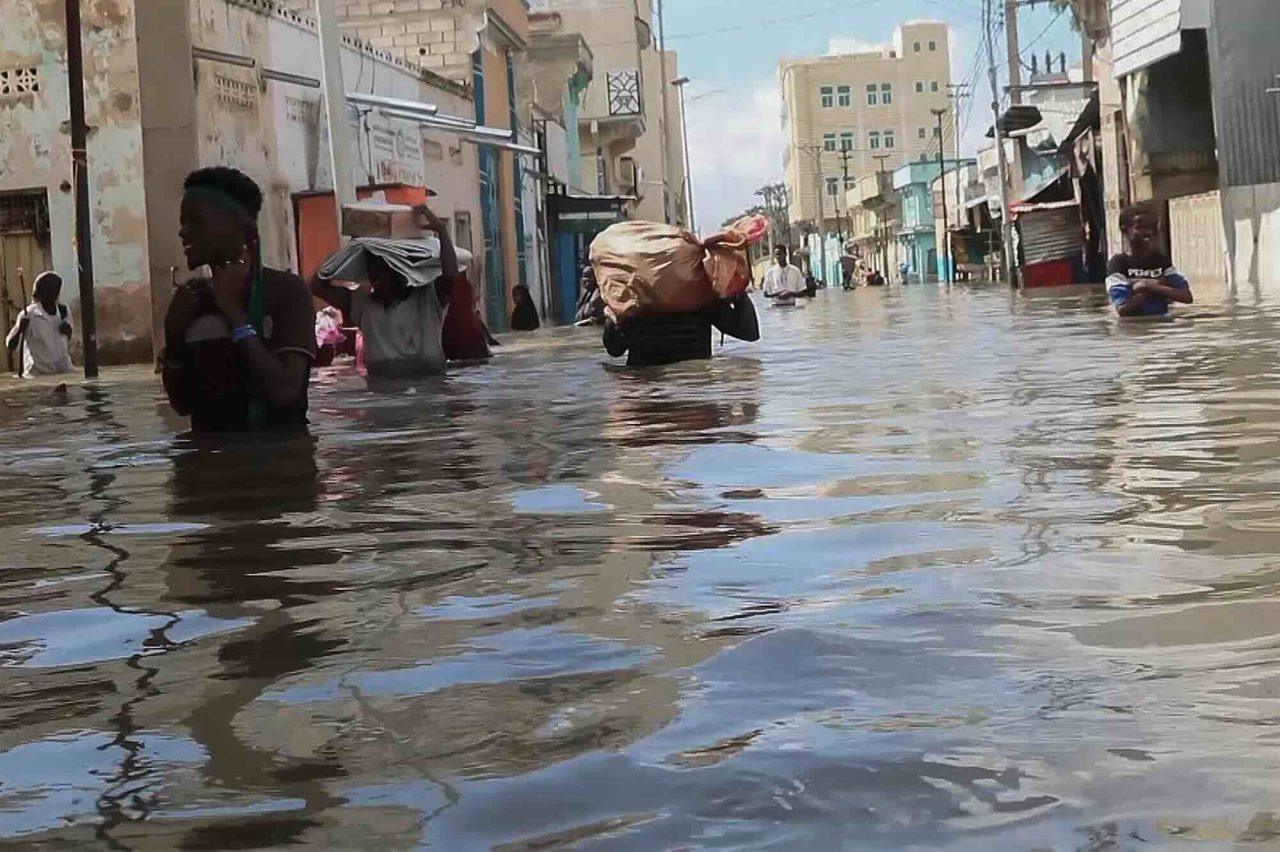
Scientists and government agencies are closely monitoring developments in the Pacific Ocean. A new El Niño could lead to sharply rising temperatures and global heat records in the coming year.
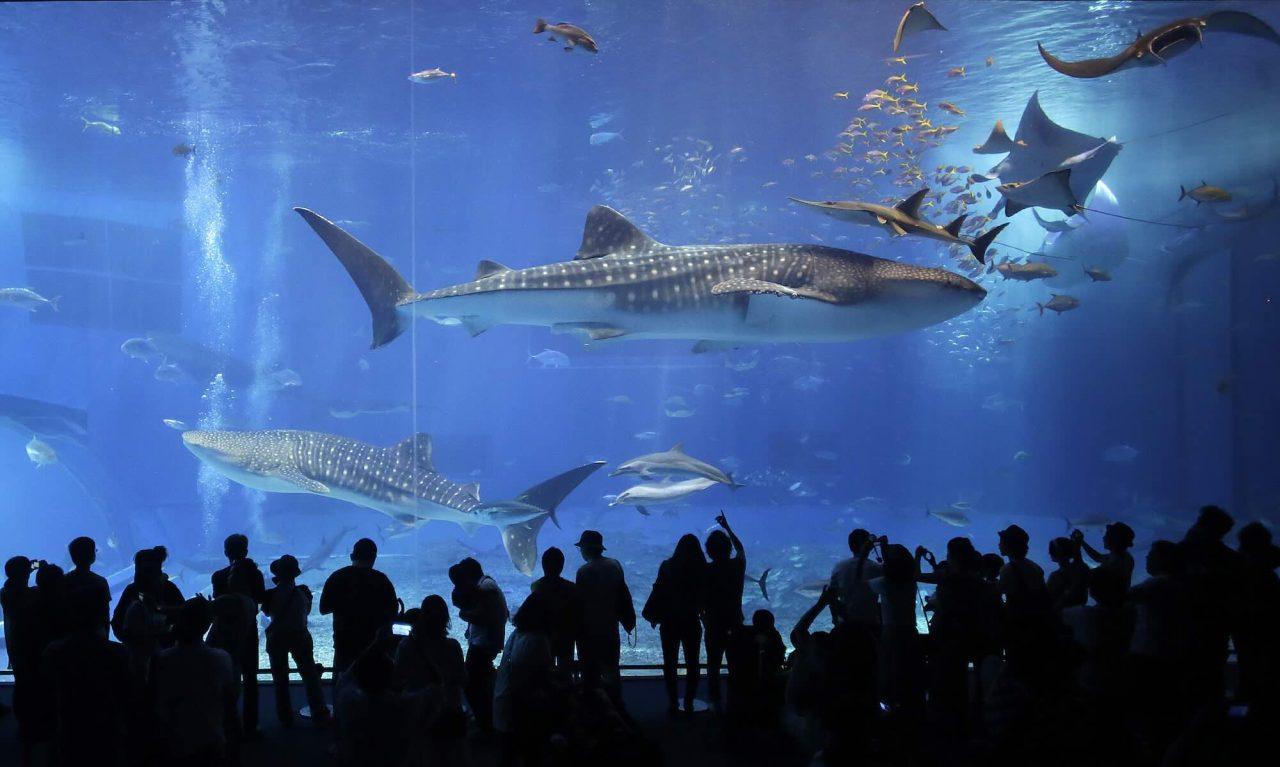
An Indonesian study has now revealed the previously unknown migratory patterns of whale sharks in the world’s oceans. These giant fish are found in the waters of 13 countries, but have two bays in Indonesia “that are like home to them.”

Ninety-nine percent of virgin plastic is made from chemicals sourced from fossil fuels, exceeding 400 million tons a year. That’s equivalent to about 350 large sports stadiums, filled to the top with plastic. According to the Organisation for Economic Co-operation and Development (OECD), the plastics and petrochemical industries plan to triple plastics production by 2060.

It all began with a series of articles that sparked strong reactions in Norway. The two journalists and authors, Kjetil Østli and Simen Sætre, had investigated the consequences of large-scale salmon farming in Norway, which in just a few decades had grown into one of the country’s leading and most profitable industries.
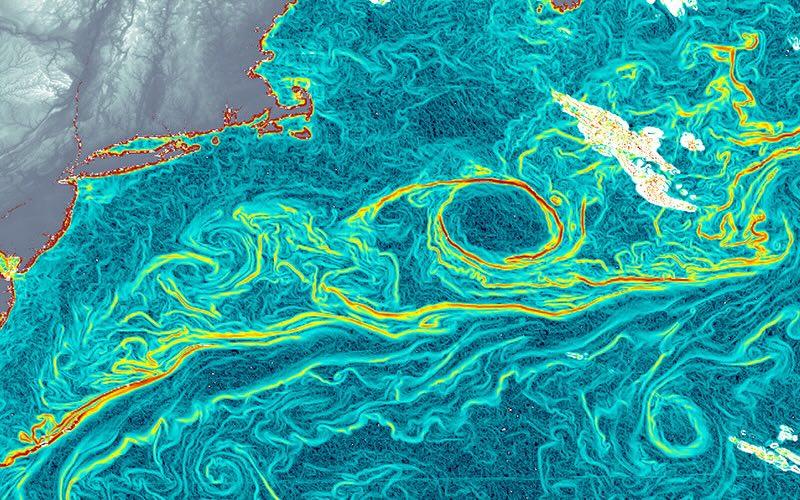
Using AI technology, researchers have been able to track ocean currents that were previously hidden and that reveal movements that shape the Earth’s climate.
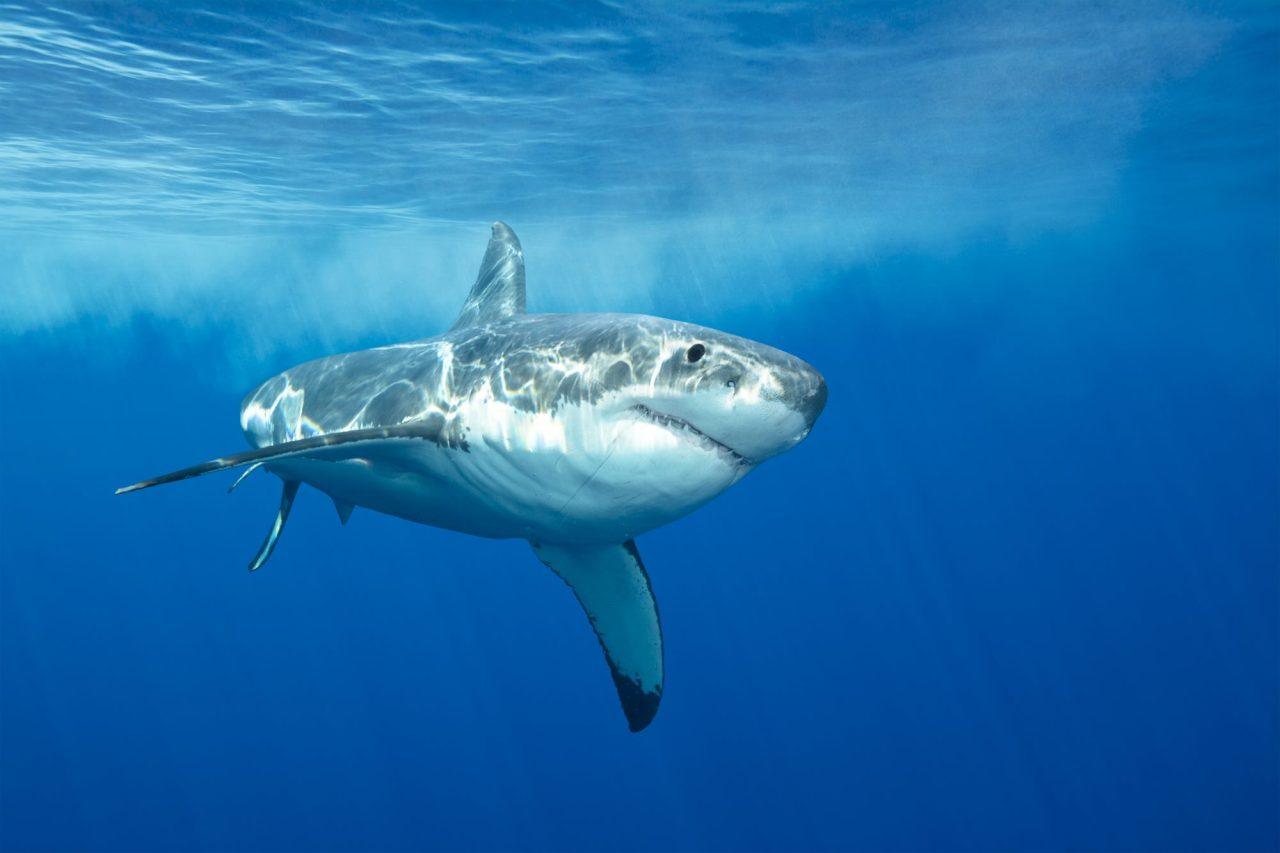
New research shows that larger warm-blooded fish species, such as sharks and tuna—known as mesotherms—are at risk of overheating as sea temperatures rise.
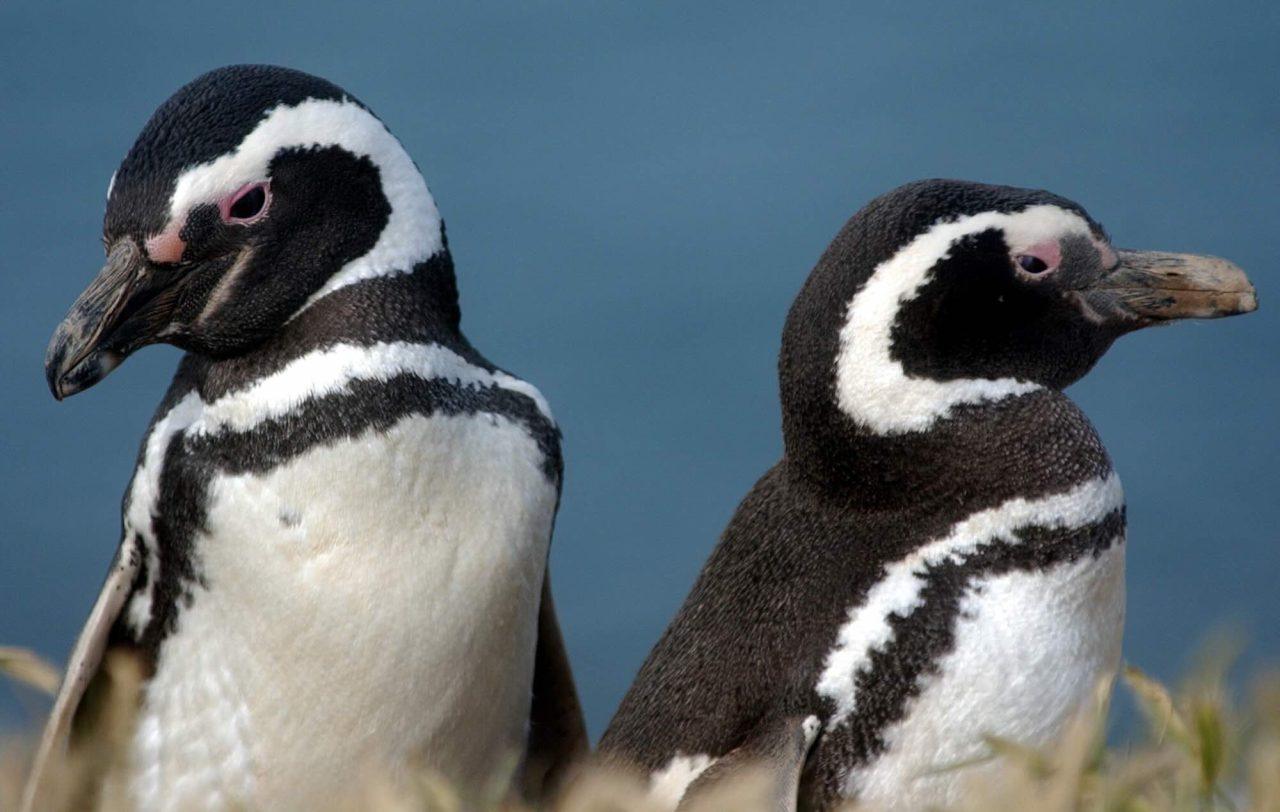
Penguins in Argentine Patagonia can act as environmental monitors. In this way, researchers have discovered that PFAS – so-called ‘forever chemicals’ – are present even in this remote region.
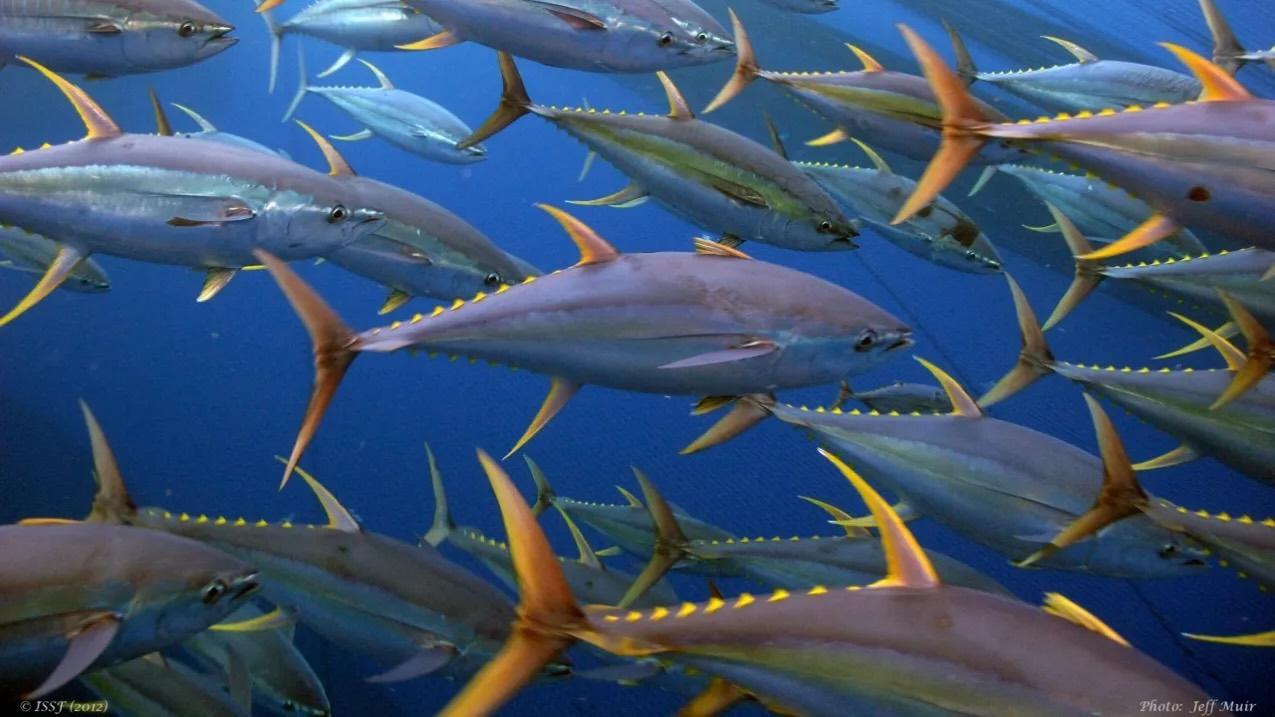
From 3 April this year, commercial fishing is permitted within the Northeast Canyons and Seamounts Marine National Monument. The area, which covers a surface area as big as Connecticut, is located in the Atlantic Ocean off the US east coast and was established to protect and preserve these unique and pristine marine environments for future generations.

The UK and Norway have carried out a military operation to deter Russian submarines suspected of “hostile activities” in the North Atlantic.
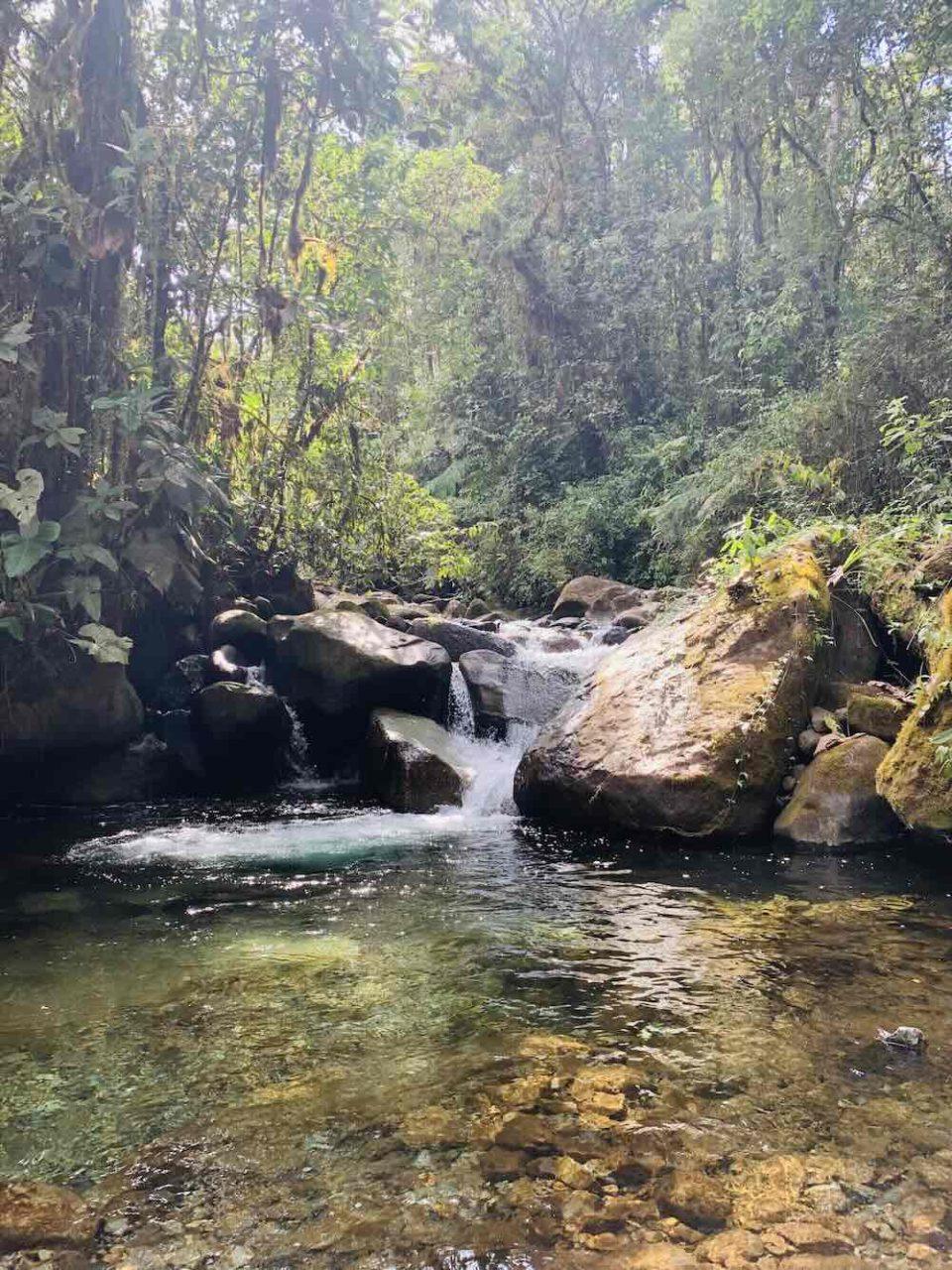
As far as we know, our planet is unique. Amongst other celestial bodies, a beautiful ‘blue ball’ floats there, where we – you and I and all living things on Earth – get to spend a short while. In the coming days, we will see beautiful new images sent back by the Artemis II lunar spacecraft. Artemis is, among other things, considered the protector of the wilderness in Greek mythology.
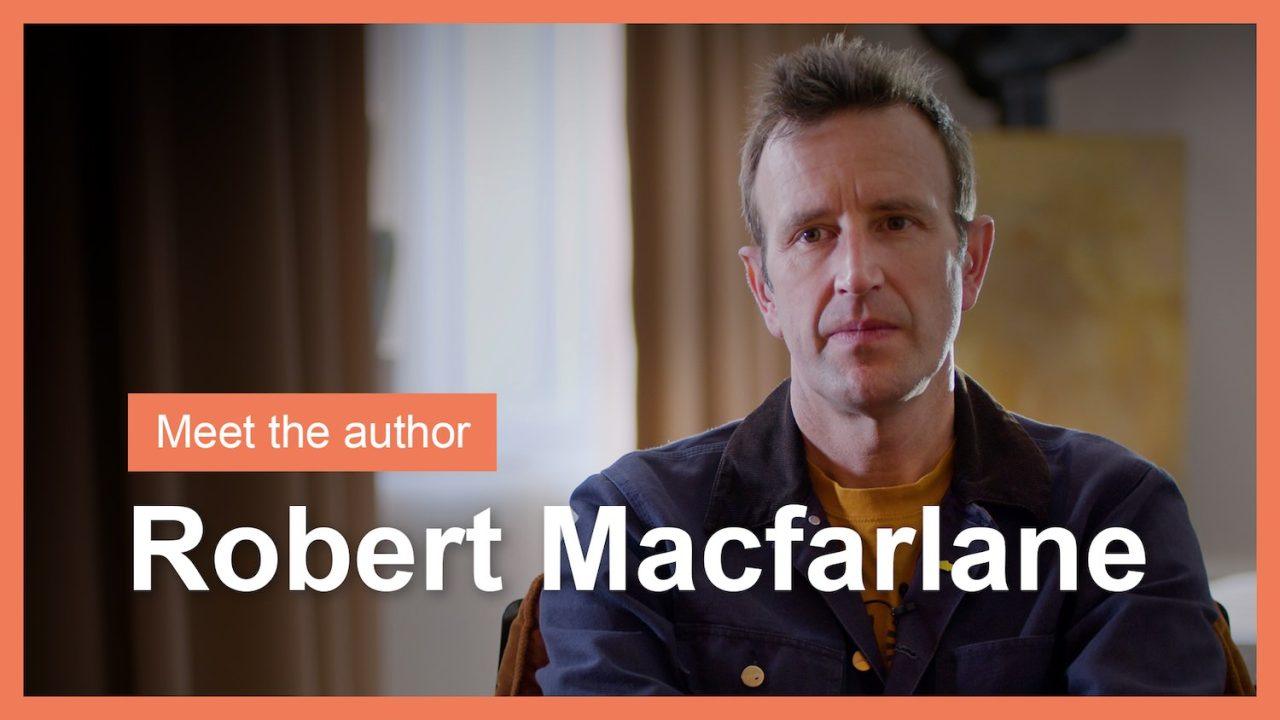
This is the extended version of the author talk with British writer Robert Macfarlane, who is described as the foremost nature writer of our time. In his latest international bestseller, *The River’s Life*, he urges us to fundamentally rethink our way of thinking. What happens if we shift our focus away from the prevailing anthropocentric view – that the Earth’s resources exist solely for our benefit?

The British author Robert Macfarlane is described as the foremost nature writer of our time.
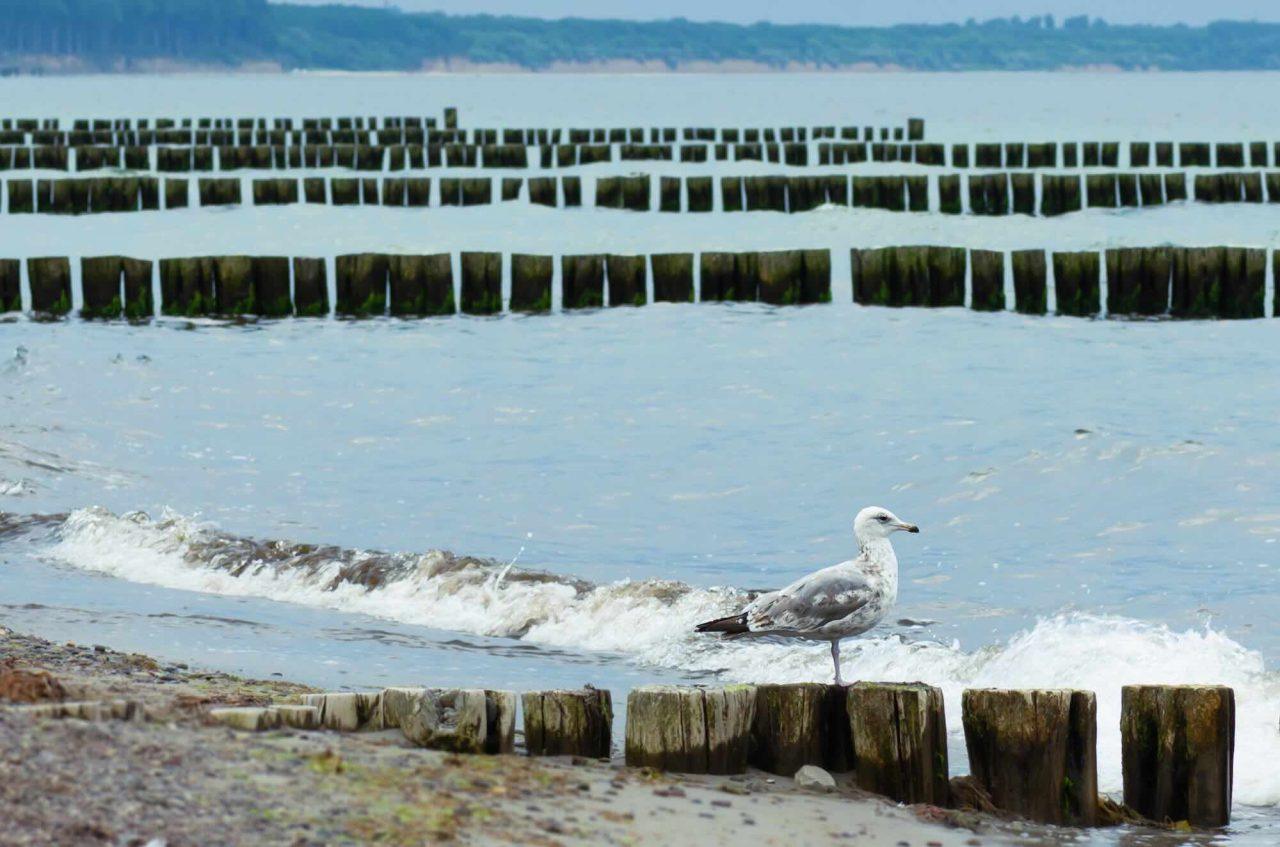
Two vessels suspected of belonging to the Russian shadow fleet remain off the coast of Trelleborg. In March 2026, the Swedish authorities boarded the vessels, which are believed to be transporting Russian oil under a false flag. Russia regards this type of action as piracy.
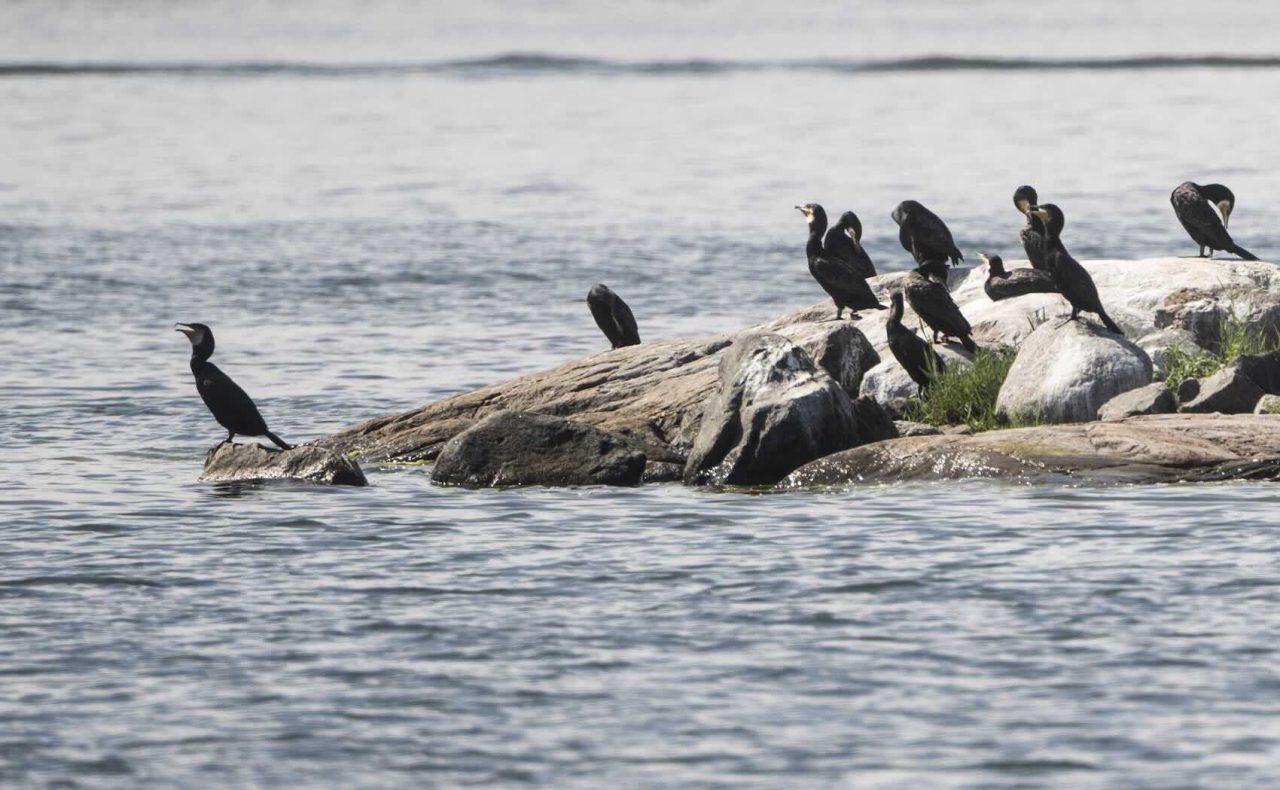
The European Commission is presenting new guidelines on how Sweden and other countries can tackle growing cormorant populations. “We are continuing to protect birds and fish, whilst providing farmers, fishermen, foresters and businesses with practical and balanced rules,” writes Environment Commissioner Jessika Roswall in a press release. ”Vi fortsätter att skydda fåglar och fisk och ger samtidigt bönder, fiskare, skogvaktare och företag fungerande och balanserade regler”, skriver miljökommissionären Jessika Roswall i ett pressmeddelande.
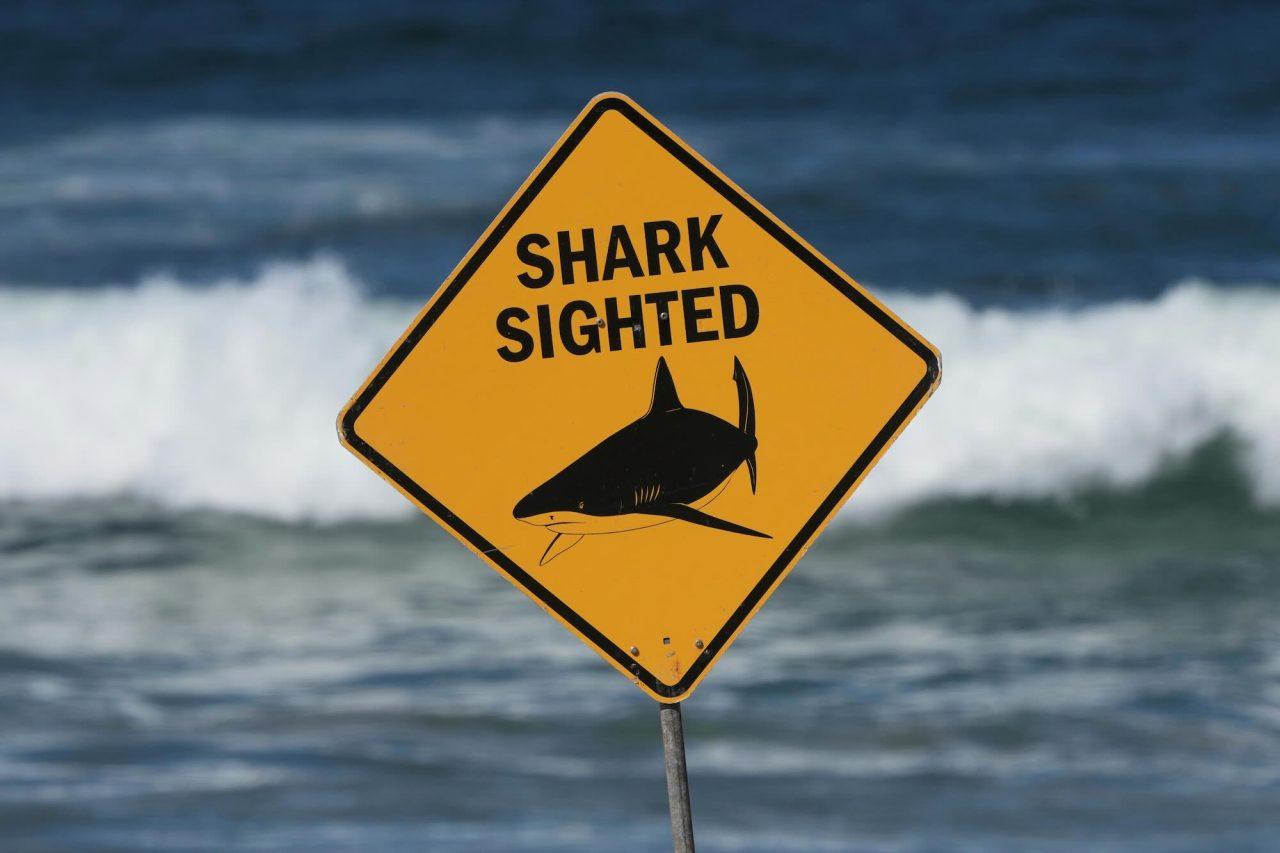
Sharks off the coast of the Bahamas have tested positive for caffeine, painkillers and even cocaine, according to a new study.

More than 20 migrants have died off the coast of Greece, reports AFP.

The Russian shadow fleet is a hot topic as the ten countries in the UK-led defence partnership JEF meet in Helsinki. ‘The shadow fleet must be tackled more rigorously,’ says British Prime Minister Keir Starmer as the meeting begins.

Few would say there is anything beautiful about an oil platform far out at sea. But if you dive beneath the surface, the picture is often quite different. Reefs may have formed around the platform’s foundations, teeming with soft corals, fish and other marine life. In 2018, two marine biologists from California, Amber Sparks and Emily Hazelwood, founded the Blue Latitudes Foundation to save these soft coral reefs.
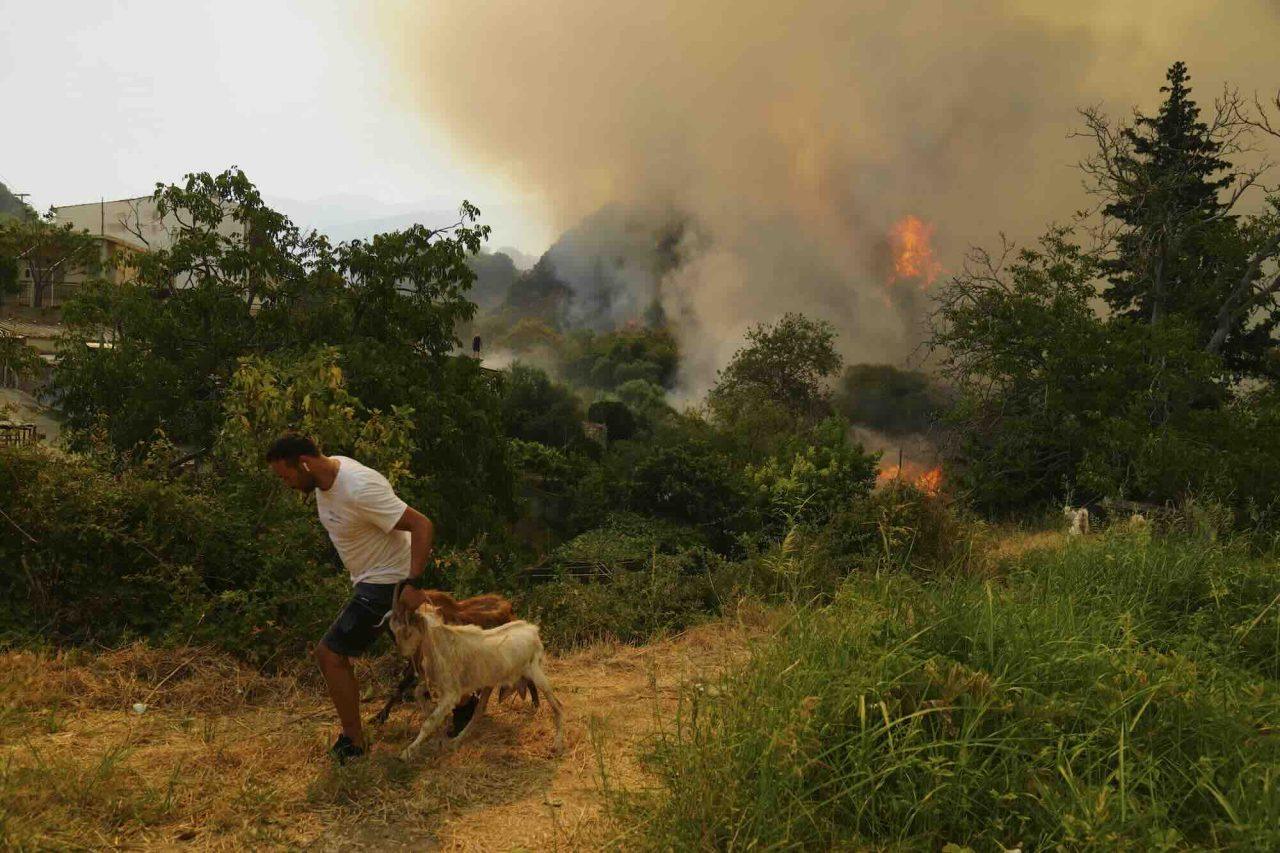
Everything points in the wrong direction. Never before has the Earth’s climate been so out of balance, warns the World Meteorological Organisation (WMO).

Every year, a climate barometer is commissioned by WWF to present the views of different social groups on specific election issues. An ongoing study in Lund and Örebro shows preliminary figures suggesting that young people have put the climate issue behind them. Deep Sea Reporter spoke to young adults in Stockholm about their thoughts on the ocean and climate.
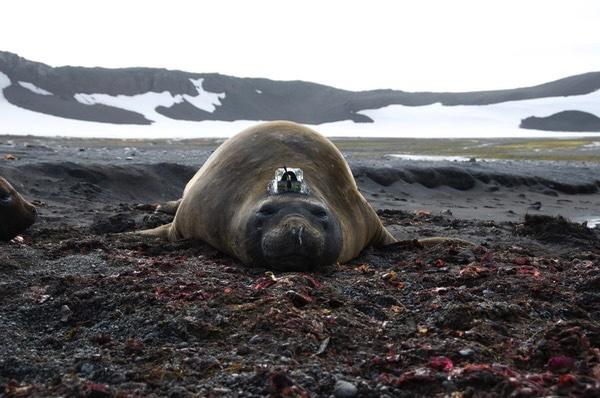
For decades, the sea ice around Antarctica expanded every winter, only to shrink rapidly in 2015. Now, a study reveals what has caused this drastic change. Elephant seals have helped with the measurements.

As the oceans warm, it becomes harder for fish in mangrove forests to breathe. This is shown by a unique new study from researchers at the University of Gothenburg. ‘In some systems, conditions will become so extreme that only the most adapted species will survive,’ says the study’s lead author, marine chemist Gloria Reithmaier.

The oldest recording of whale song to date has been discovered. This could open up new avenues of research into changes in whale behaviour, reports The Guardian.

