The sea gets warmer – the species die.
It’s not just coral reefs and fish that are threatened as the oceans warm – it’s all life.
Not since an asteroid wiped out the dinosaurs – along with at least half of all other creatures on Earth – has marine life been so vulnerable.
As the oceans get warmer, all habitats are threatened. There are species that do better than others, but all are affected. Biodiversity, the diversity of species, is threatened which in turn will affect us all.
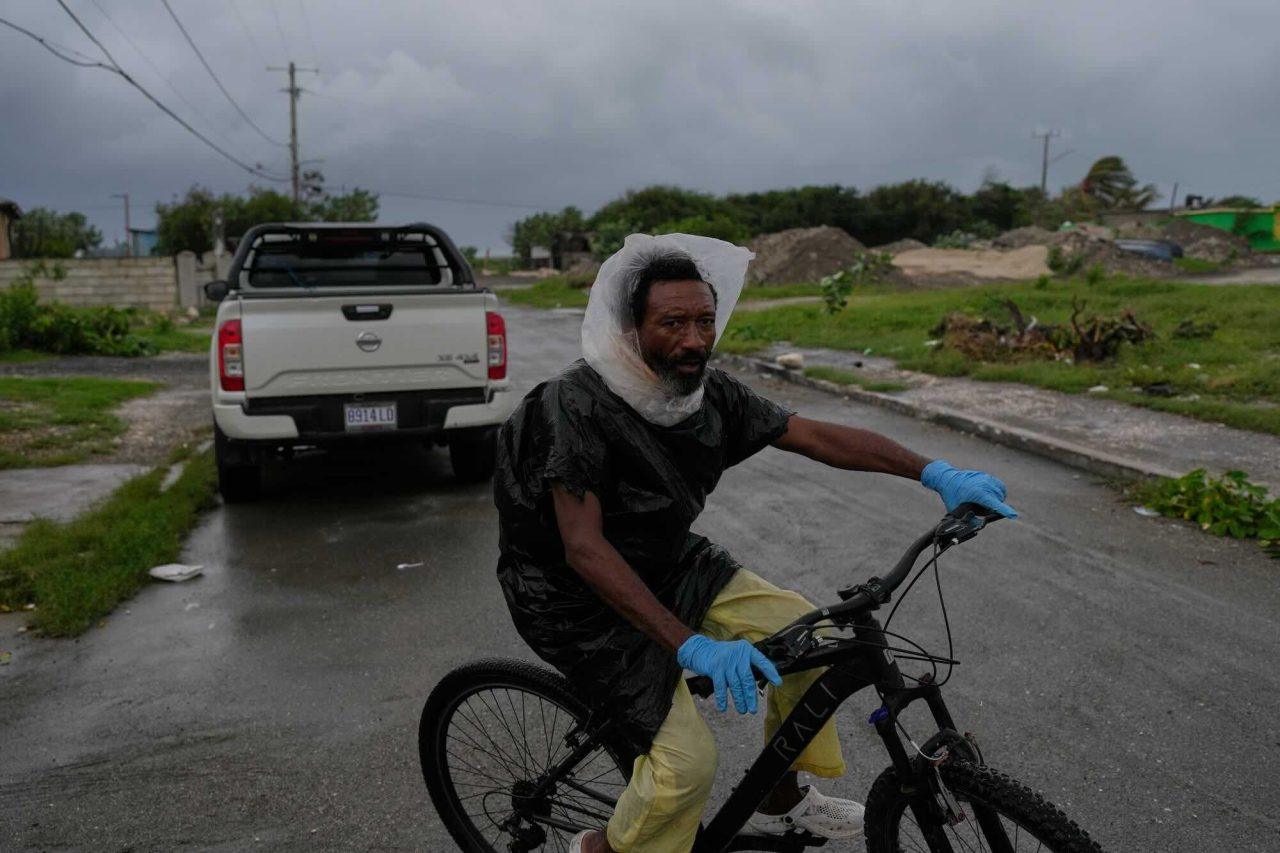
Catastrophic and life-threatening floods loom as Category 5 Hurricane Melissa reaches Jamaica. The storm is the strongest on the globe this year – and among the 20 strongest ever to form over the Atlantic.
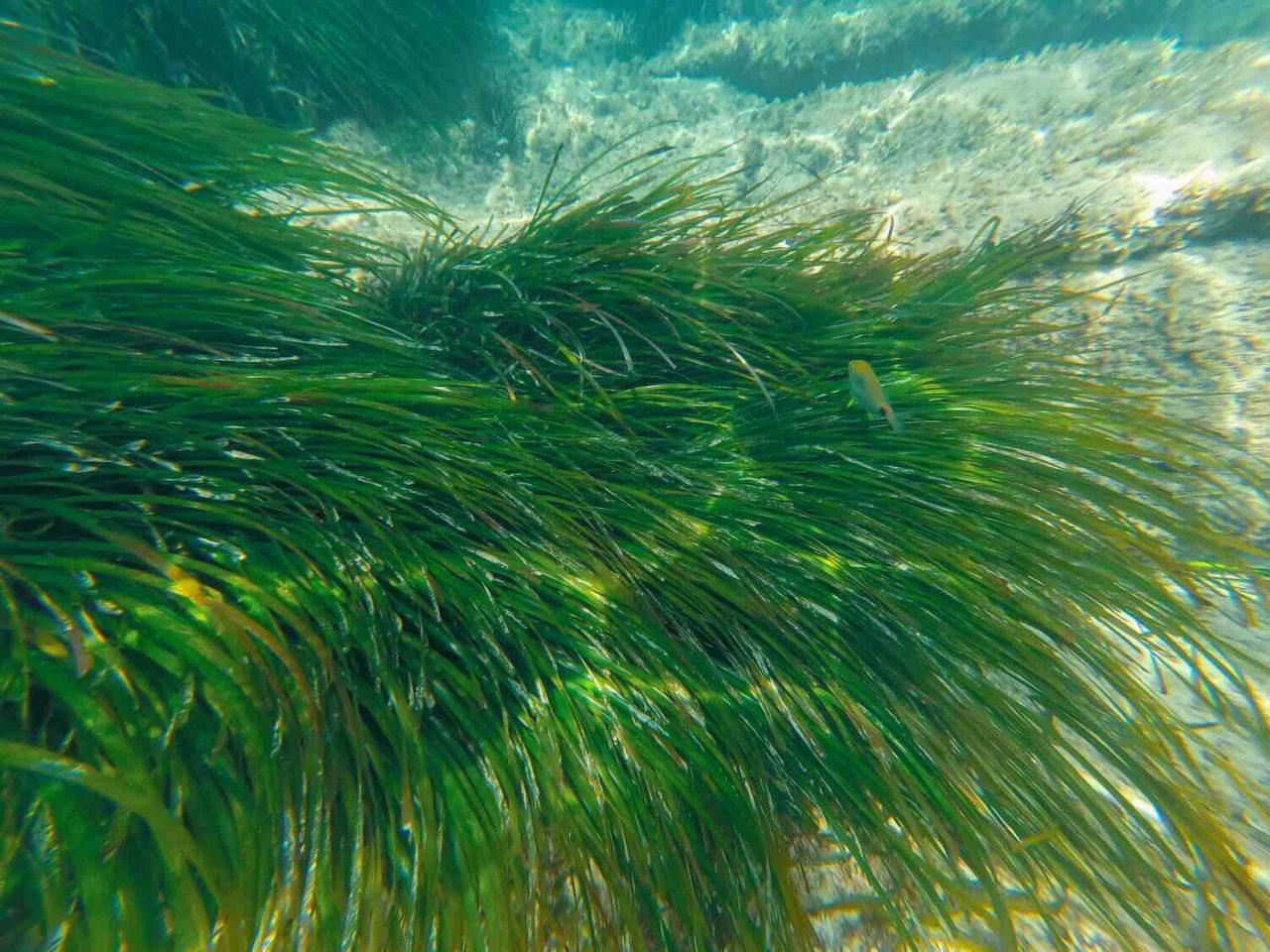
They have been called a ‘secret weapon’ in the fight against climate change – eelgrass beds and kelp forests in the sea. They can be likened to trees in the sea that bind carbon dioxide 35 times faster than the Amazon rainforest. But they are under threat from human presence, environmental pollution and emissions.
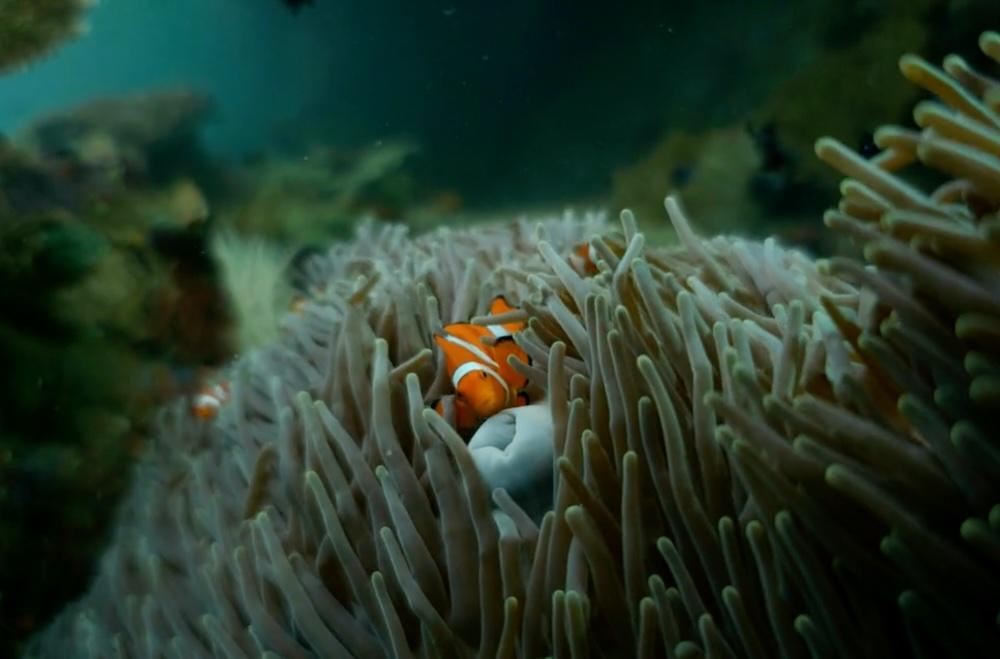
Coral reefs have reached their limit. This is the conclusion of a new global report, which warns that most reefs will likely disappear unless powerful climate measures are taken. But in the midst of this crisis, there are places that show that recovery is possible—if nature is given a chance.
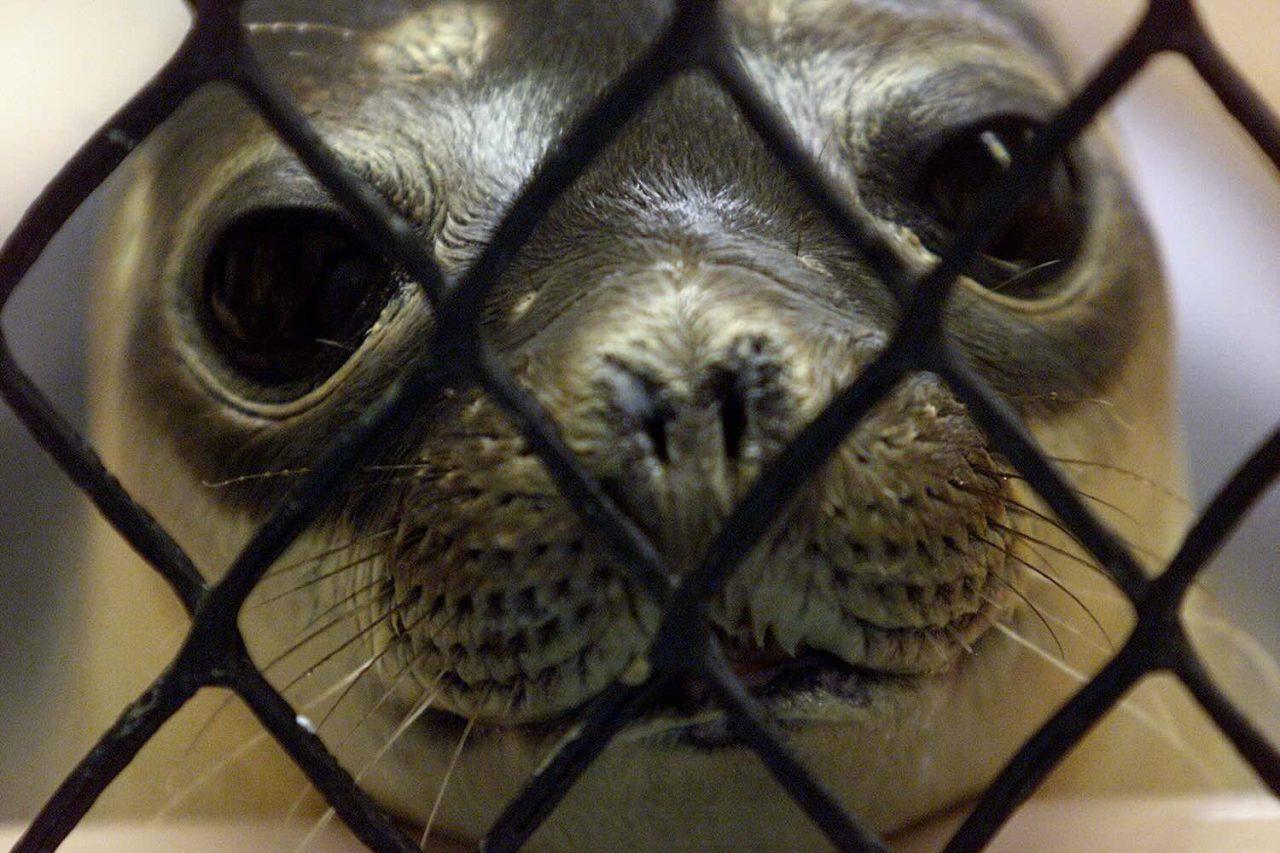
Arctic seals are threatened with extinction, mainly due to climate change and human activity, according to an updated list from the International Union for Conservation of Nature (IUCN).
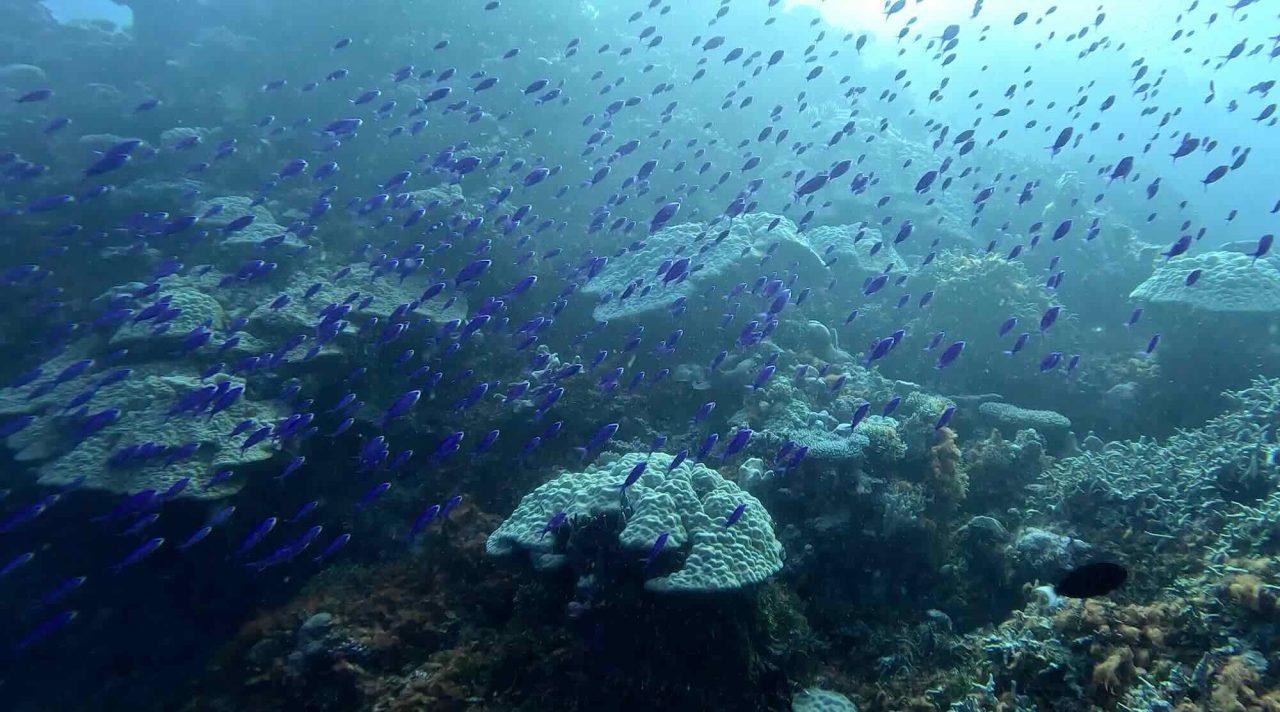
Greenhouse gas emissions have made the oceans increasingly acidic. Now, according to a new report, ocean acidification has exceeded the limit considered safe for marine life for the first time. ‘The consequences could be really serious,’ says Albert Norström, associate professor at the Stockholm Resilience Centre.
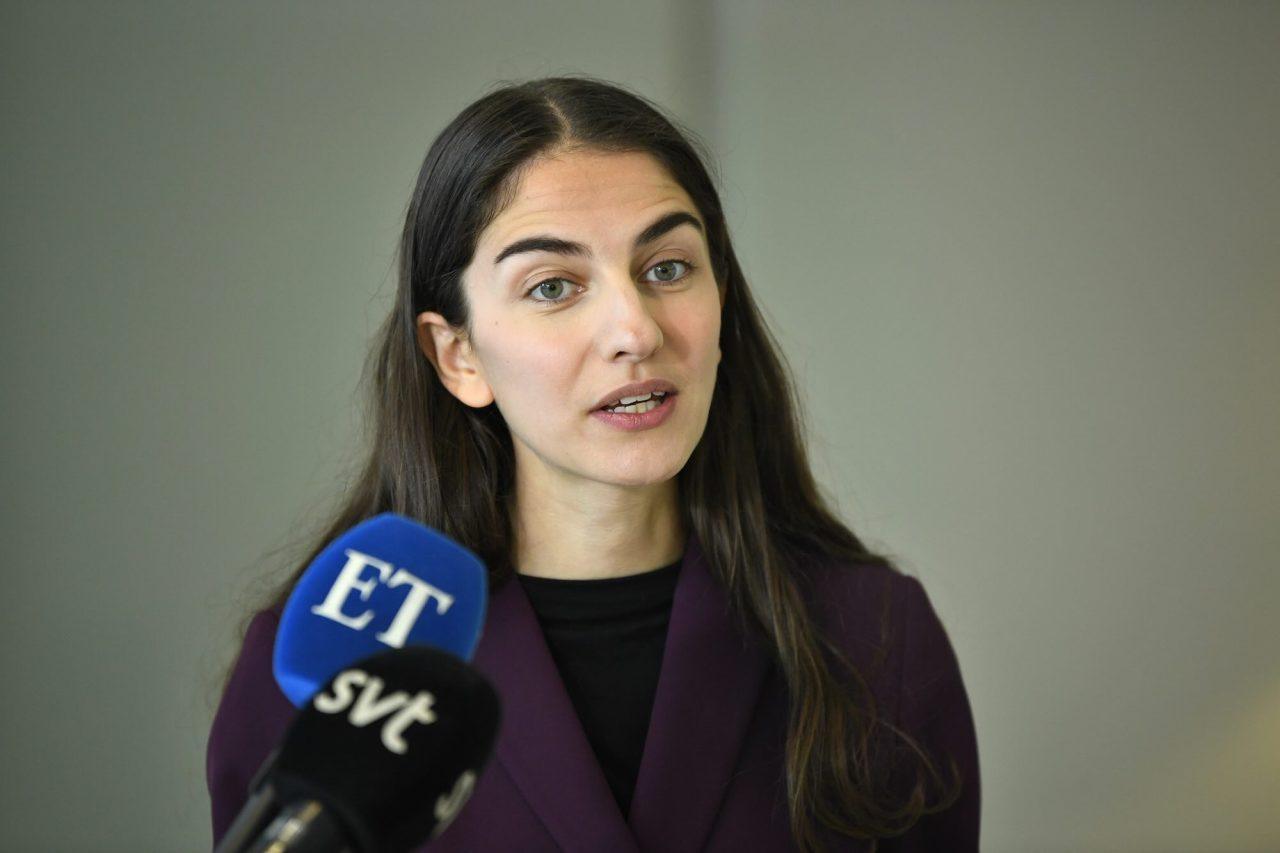
The government wants to remove the Environmental Code's ban on nuclear power in virtually all Swedish archipelagos. This would open the way for nuclear power plants in Bohuslän, Öland, Gotland, and the Stockholm archipelago, among other places.
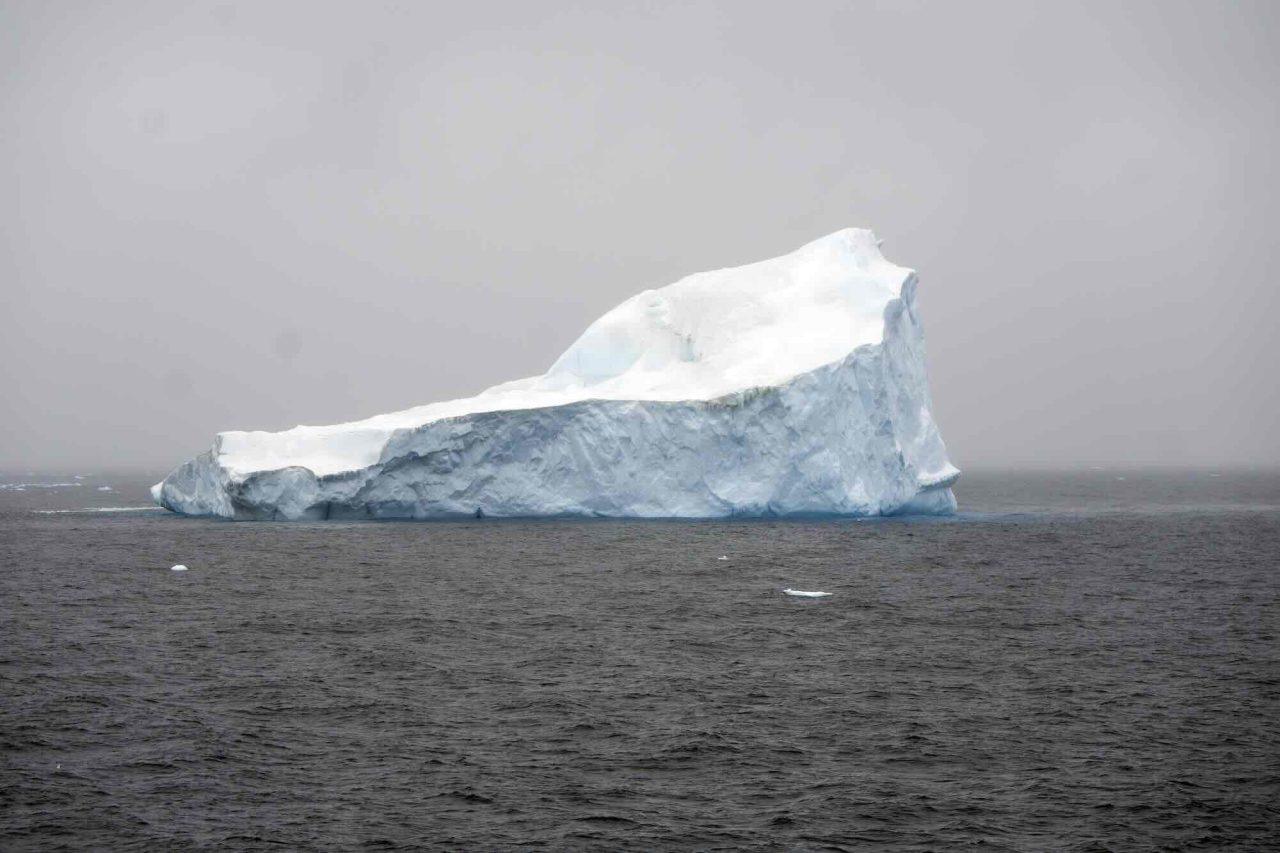
Antarctica has been relatively unaffected by climate change. However, according to a recent study, the situation on the continent is beginning to resemble that of Greenland.
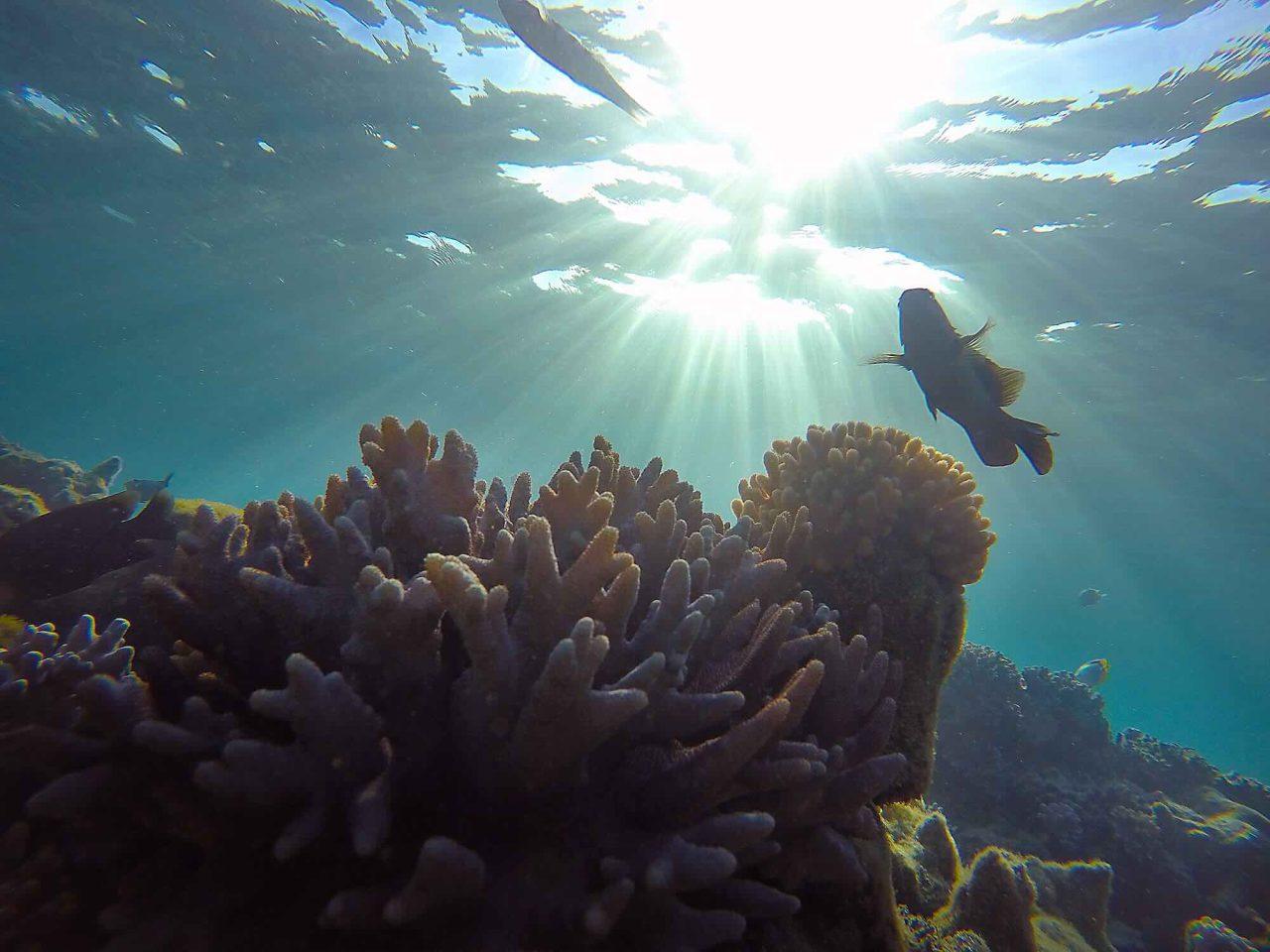
All parts of the oceans are under triple attack, according to the EU's Copernicus Climate Service's major annual ocean report. ‘These changes affect us all – ecosystems, society and the economy,’ says oceanographer Karina von Schuckmann.

One of the world's most common organisms is threatened by rising sea temperatures. The amount of the most common type of cyanobacteria (prochlorococcus) is at risk of being halved unless climate change is slowed down.
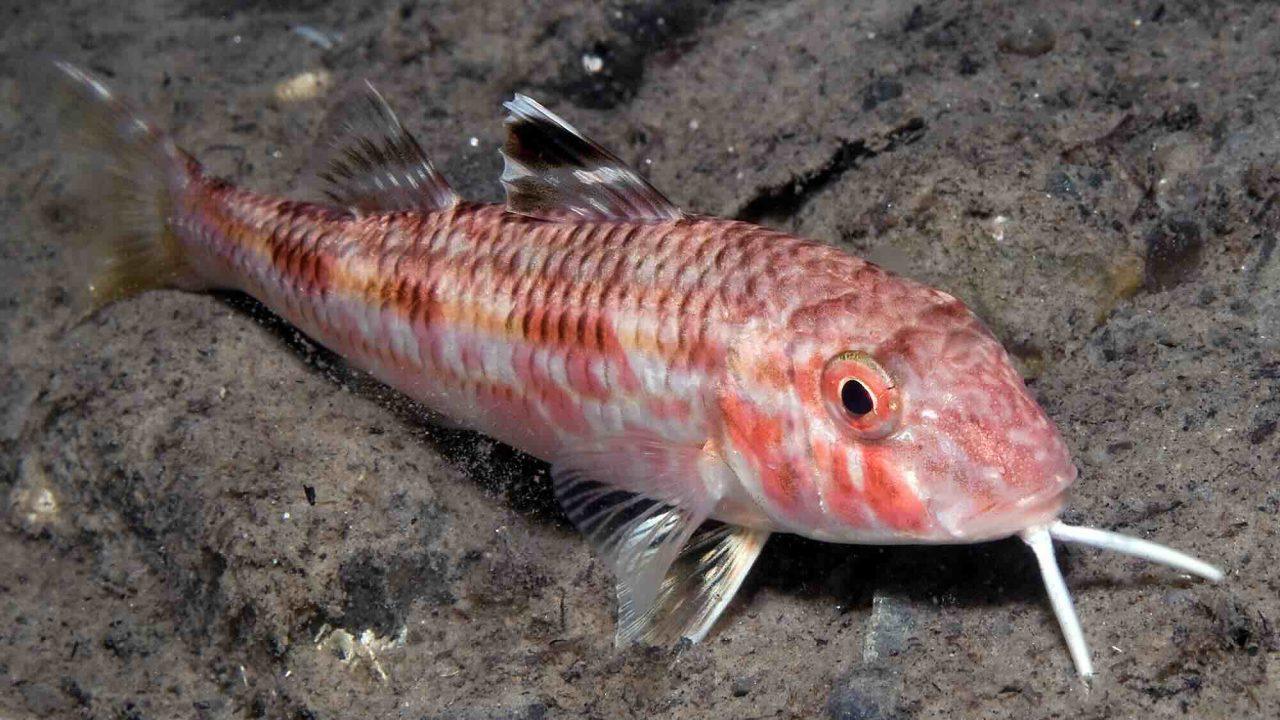
Even the ancient Greeks held the yellow-striped mullus – or, in short, the mullus – in high regard. With rising sea temperatures, it has been appearing on the Swedish west coast in autumn for several years now. However, spawning and reproduction have never been recorded in Swedish waters. But there are many indications that the mullet can now be considered a resident and reproducing species. Many shallow bays along the west coast have been swarming with its fry this summer.

You can't see it above the surface, and that's a big problem, because what's happening below the surface is like an ongoing disaster. Until now, the ocean has been our great savior, absorbing almost all the excess energy we've released. But there's a limit to what the ocean can absorb, and it seems like we've exceeded it now.

A huge area of the ocean – four times the size of Europe – was hit last year by an unprecedented marine heatwave.

Plastic, overfishing, global warming and fighting over resources. Despite several urgent problems, oceans and marine resources are the most underfunded of the UN's sustainability goals. At the ocean conference in Nice, countries will now try to agree and find funding to protect and preserve the world's oceans.

If the Gulf Stream changes direction or stops completely, it will have devastating consequences for us in northern Europe. Perhaps these areas will become uninhabitable. But will this really happen? Danish researcher Jonas Teilmann and his team are attaching tracking devices to whales off Greenland to find out what is happening in the ocean right now.

More than 3,500 animal species are threatened by climate change, according to a new analysis. - We are at the beginning of an existential crisis for the Earth's wildlife, says Professor William Ripple, one of the researchers behind the study.

Sea ice at the poles, which helps cool the Earth, is at its lowest levels recorded this time of year, according to new satellite measurements, reports the BBC.

Over the past decade, sea temperatures in the Great Barrier Reef off the coast of Australia have been the warmest in 400 years, according to a recent study published in the prestigious journal Nature.

Warmer seawater combined with acidification could pose a major threat to ocean sharks. Their eggs develop much more poorly, leading to the death of the embryo, according to a new study.

The Intergovernmental Oceanographic Commission of the United Nations Educational, Scientific and Cultural Organisation (UNESCO) has published this year's State of the Ocean Report, which describes the state of the ocean and marine life.

When we talk about climate change, it is usually about warming the atmosphere and changing weather systems, but the oceans are also affected and perhaps even worse.

The situation for fish, birds and seals in the Swedish seas remains critical. We fish too much and release too many harmful substances, says Mats Svensson at the Norwegian Sea and Water Authority.

The sea ice around Antarctica is decreasing and is significantly less than what is normal for the month of September.

The fish in the oceans have shrunk - but at the same time have become more numerous, shows a new global study. This suggests that nature compensates so that the weight of all life is kept stable, the researchers believe. Both warmer seas and our hunger for large fish are thought to contribute.

An international team of scientists has measured the temperature and salinity of the ocean, and the measurements show that the oceans continue to break records - year after year. And last year was by far the warmest so far. And that has consequences for us on land.

