Fish behavior, toxic algae, and the role of the sea in climate. These are some of the topics that marine research can address. Diverse subjects, but with a common goal: to better understand what happens beneath the surface.
The oceans cover more than 70 percent of the Earth’s surface. Despite this, we know less about what happens in the ocean than in space. Marine research is about trying to fill these knowledge gaps. Increasing the fundamental knowledge about the ocean without directly pointing to any application is usually called basic research. But sometimes, basic research sparks thoughts on how the knowledge could be applied in society. Then, basic research becomes the foundation for so-called applied research that aims to solve a problem with direct benefits for society. Since the connection between humans and the sea is so significant, it is not uncommon for research projects to shift between basic and applied research.
The oceans are studied by a multitude of researchers in physics, chemistry, biology, and geology. All these subjects can be linked to oceanography, which is the study of the movements and properties of the sea. This is usually done through observations from expeditions, satellites, and the creation of models. Understanding the movement of water is crucial because it affects the climate worldwide.
Many oceanographers work on environmental, energy, and climate issues in government or the private sector. As an oceanographer, one can also engage in research. Oceanography is a science with a broad spectrum of topics such as ecosystem dynamics, ocean currents, and the flow of various substances in the sea. One who has dedicated her life to the sea is the oceanographer Sylvia Earle, who has become one of the internationally known forces for protecting and restoring the world’s oceans.
Oceanography differs from marine biology because it does not always involve studying what lives in the sea. A marine biologist focuses on living organisms in all parts of the ocean and seeks to understand dynamic interactions on different scales, from a specific location to global.
To understand the complexity of the ocean, oceanographers and marine biologists often combine several fields such as biology and chemistry. Weighing in multiple disciplines is particularly important today to create a comprehensive picture that can contribute to the efforts against climate change, pollution, and other factors threatening the oceans and marine life.
Since many places in the ocean are relatively inaccessible to researchers, technological measuring aids are often used today to study these areas. They can remain in the sea and keep measuring the water’s characteristics around the clock. This makes it easier to obtain more measurement values than if researchers had to travel to the measurement site for each reading.
Oceanographic measurement stations at sea are sometimes called ocean observatories where relevant data is collected for researchers. This can include temperature, salinity, and oxygen levels, as well as wind and waves. The Voice of the Ocean (VOTO) Foundation, for example, works to facilitate data collection for researchers. The team working on research and data collection at VOTO consists of oceanographic technicians and researchers. They use so-called gliders to collect data from five locations along the coast of Sweden, and this information can be closely followed through their observation portal.
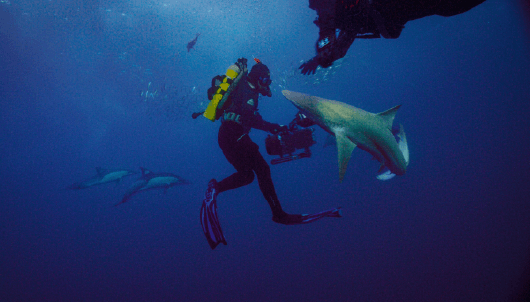
‘Shark Guard’ is a follow-up to the documentary ‘Ocean Dreams’, a film about the ocean’s resilience when we leave it in peace. Here, we get a glimpse behind the scenes as the team encounters a group of sharks.
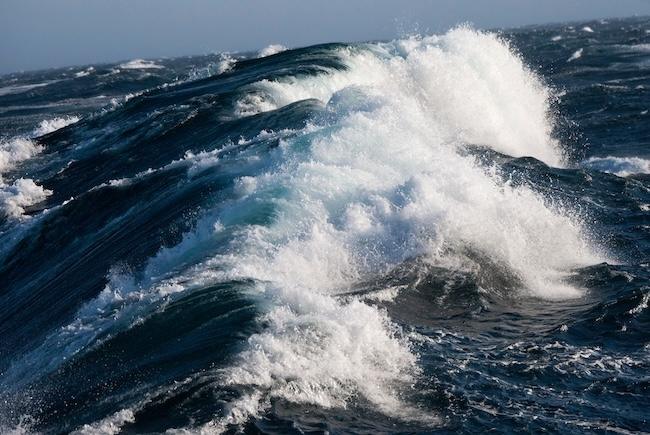
In an opinion piece recently published in the swedish daily newspaper, Svenska Dagbladet, Johan Rockström, Professor of Earth System Science, and his colleague Wendy Broadgate, PhD in Marine Chemistry, describe the importance of the Swedish Government drawing up a contingency plan as a matter of urgency in the event that the AMOC ocean current system […]
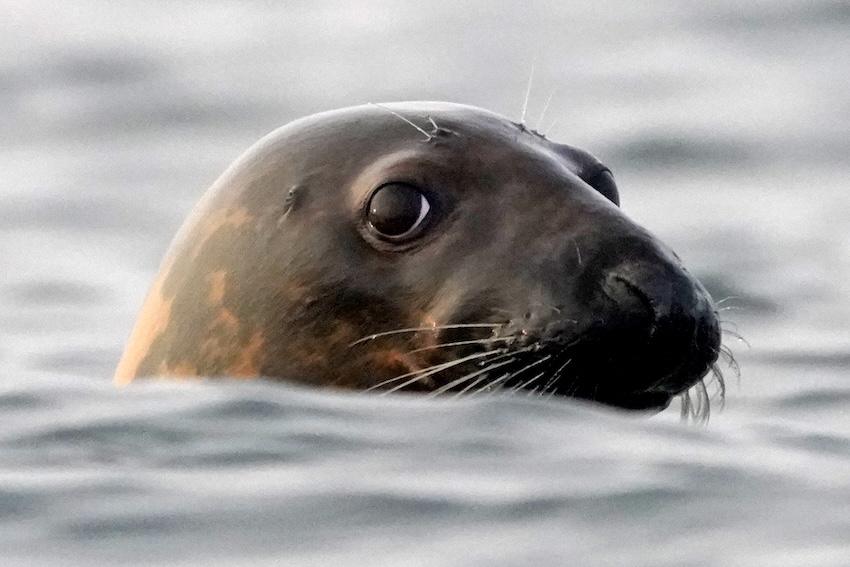
Seals, sea lions and walruses have unique hearing abilities – they are the only mammals that can hear well both in water and in air. How this works has been clarified in a study that also reveals when this ability first emerged. The study, published in Proceedings of the Royal Society, was carried out by […]
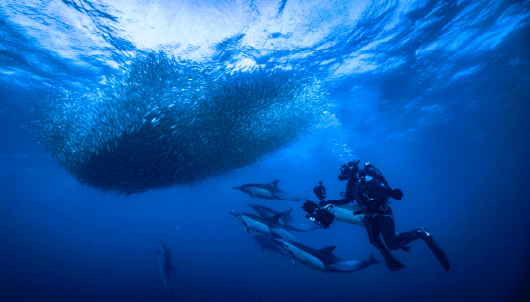
‘Diving in Action’ takes us behind the scenes as the team behind the documentary ‘Ocean Dreams’ travelled to South Africa to film ‘The Sardine Run’.
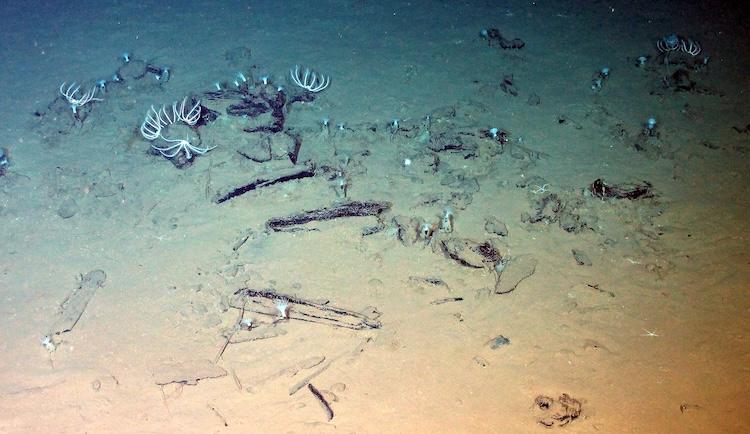
7,000 metres down in the Indian Ocean, where no sunlight reaches, there are ecosystems unlike anything else. The main players? Whale carcasses. ´It is an exceptional discovery,´ says Björn Källström, a marine biologist and researcher at the Maritime Museum and Aquarium. A spectacular whale graveyard has been discovered on the seabed of the Indian Ocean […]
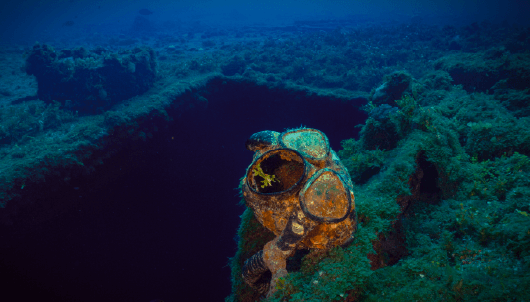
The Saratoga is one of the world’s largest shipwrecks; it was sunk during what was known as ‘Operation Crossroads’. Twenty-three atomic bombs were test-detonated over and within the Bikini Atoll shortly after the end of the Second World War. It is a story of total destruction, but also a story of how life returns.
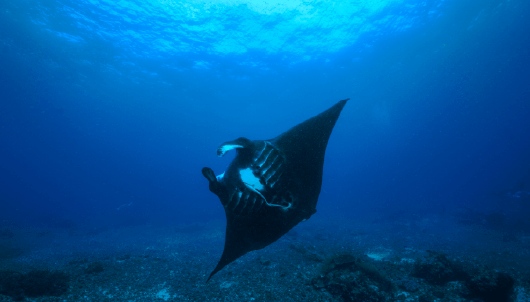
‘The Intelligence of Manta Rays’ is a follow-up to the documentary “Ocean Dreams”, a film about the ocean’s resilience when we leave it in peace. When it is given a chance to heal, life can return. In this feature, Mark Erdman, an ecologist specialising in coral reefs, shares his knowledge of manta rays.
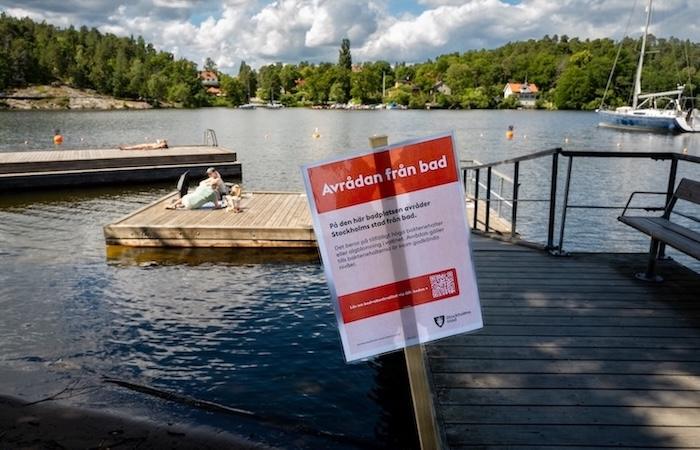
Värmeböljan har lockat svenskarna till stränderna – och algerna till kusten. Algblomningen är i full gång och på många badplatser sätter den nu stopp för ett dopp.
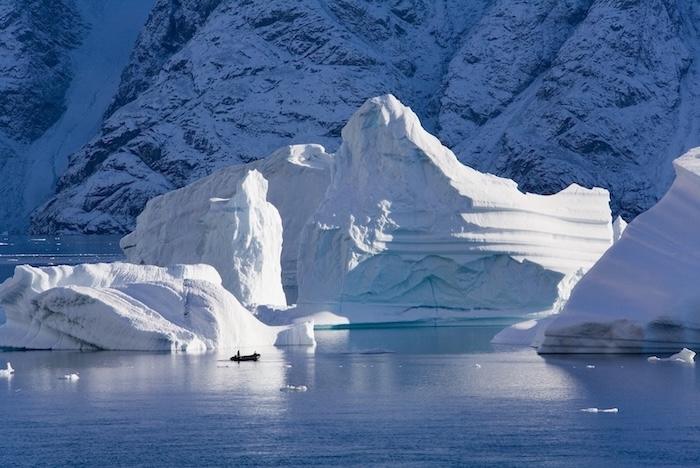
The information on the new platform http://www.climate.us is based on data from the formerly popular federal website Climate.gov, which was run by NOAA. (National Oceanic and Atmospheric Administration) One of the government agencies that has seen its budget drastically cut since Donald Trump returned to power in January 2025.
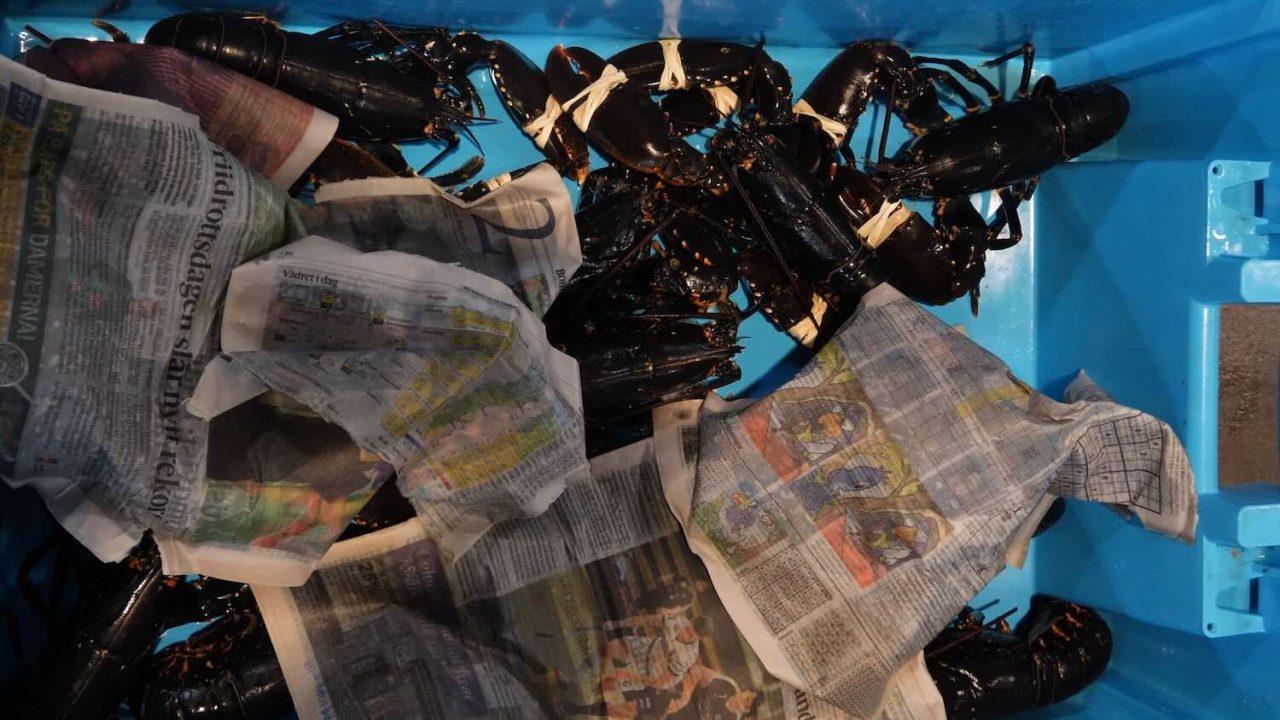
Although the Swedish law states that animals kept in captivity must be treated well, protected from unnecessary suffering and kept in a suitable environment that promotes their welfare and natural behaviour, we treat crayfish, lobsters and crabs in a completely different way.
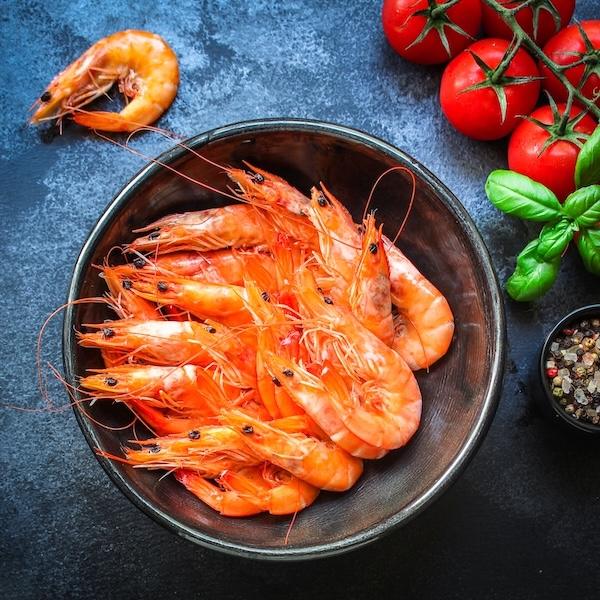
Following a decline in prawn fishing over the past few years, catches are now on the rise again. New quotas have been negotiated between the EU (Sweden and Denmark) and Norway, meaning that catches in the Skagerrak, the Kattegat and the North Sea may increase by 15 per cent.
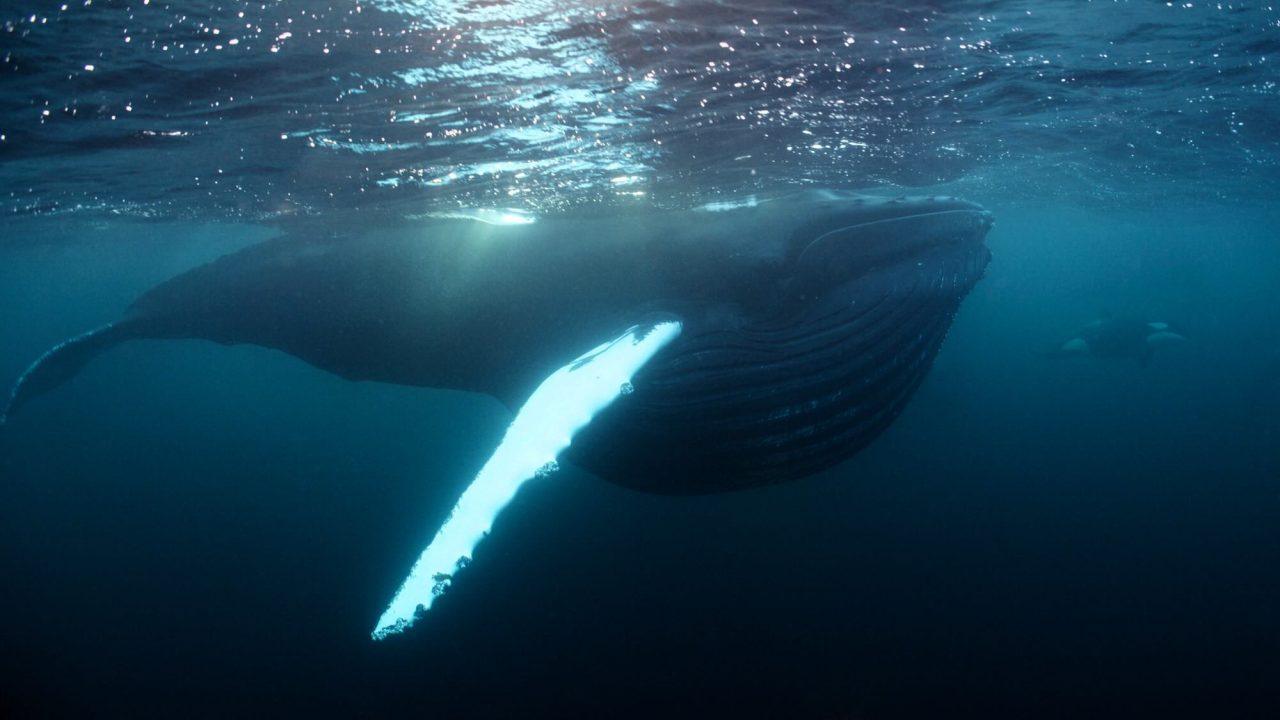
Sound is the whale’s most important tool for finding food, navigating and finding a mate. Now, global warming is wreaking havoc in the oceans. As the acoustic landscape changes, whales are forced to move, alter their mating calls – or fall completely silent when hunger takes over.

Deep in the Eurasian continent, the Sea of Azov is a stepping stone between freshwater and saltwater. Like no other sea in the world, it sits at the far end of a chain of water bodies: the Black, Marmara, Aegean, and Mediterranean Seas, and all the straits that connect them.
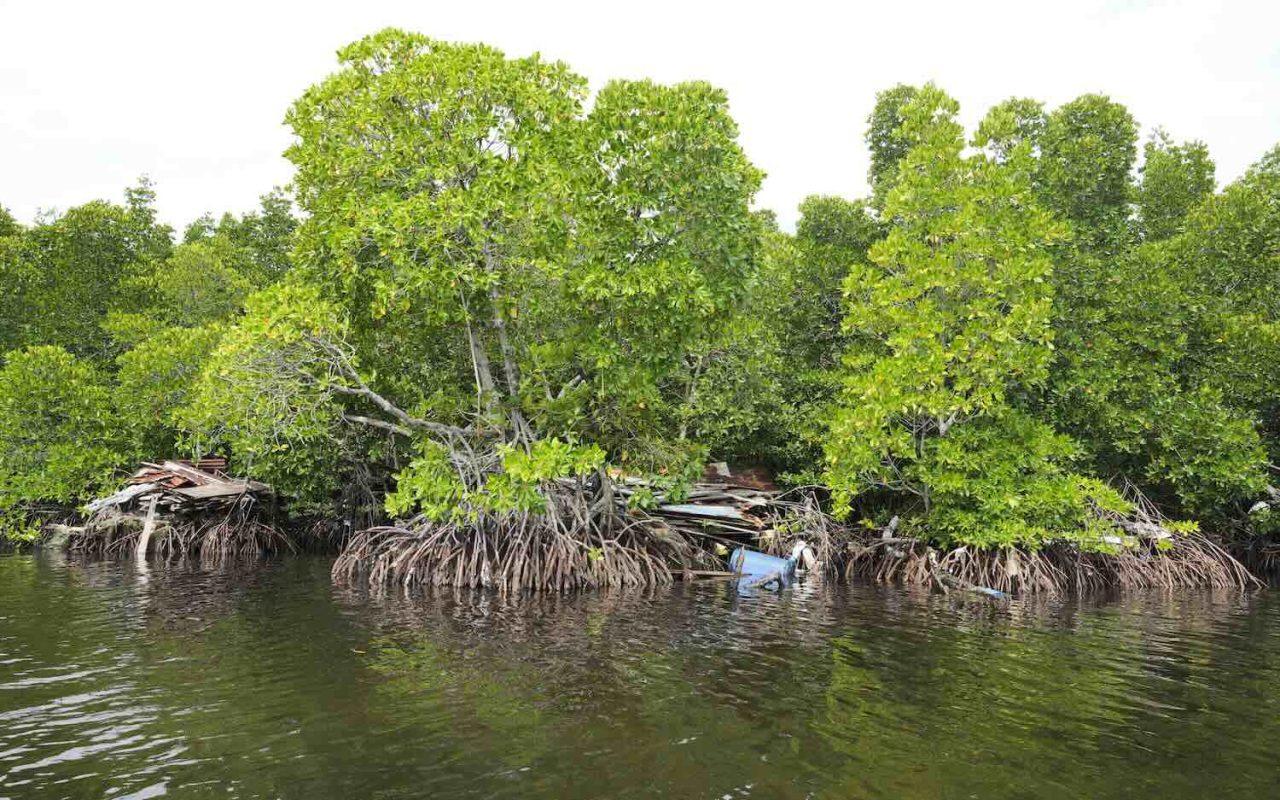
For decades, the world’s mangrove forests have been shrinking rapidly due to human activity. Now they are making a comeback, according to a new study. Following conservation efforts in recent years, the forests have begun to heal themselves.
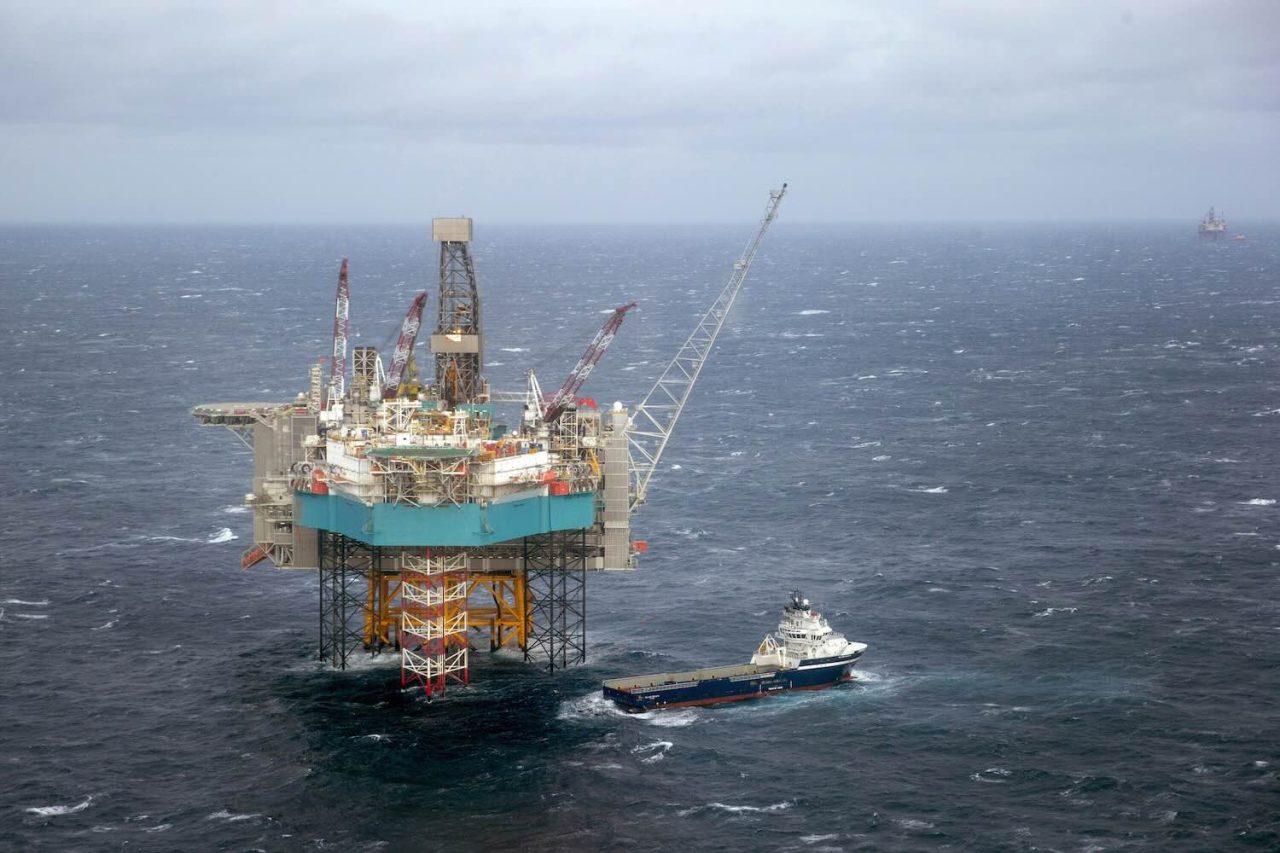
Norwegian politicians, officials and lobbyists are pushing to have the EU’s ban on new oil and gas exploration in the Arctic lifted, reports Bloomberg. This pressure comes ahead of the EU’s adoption of new guidelines for the Arctic at the end of September.
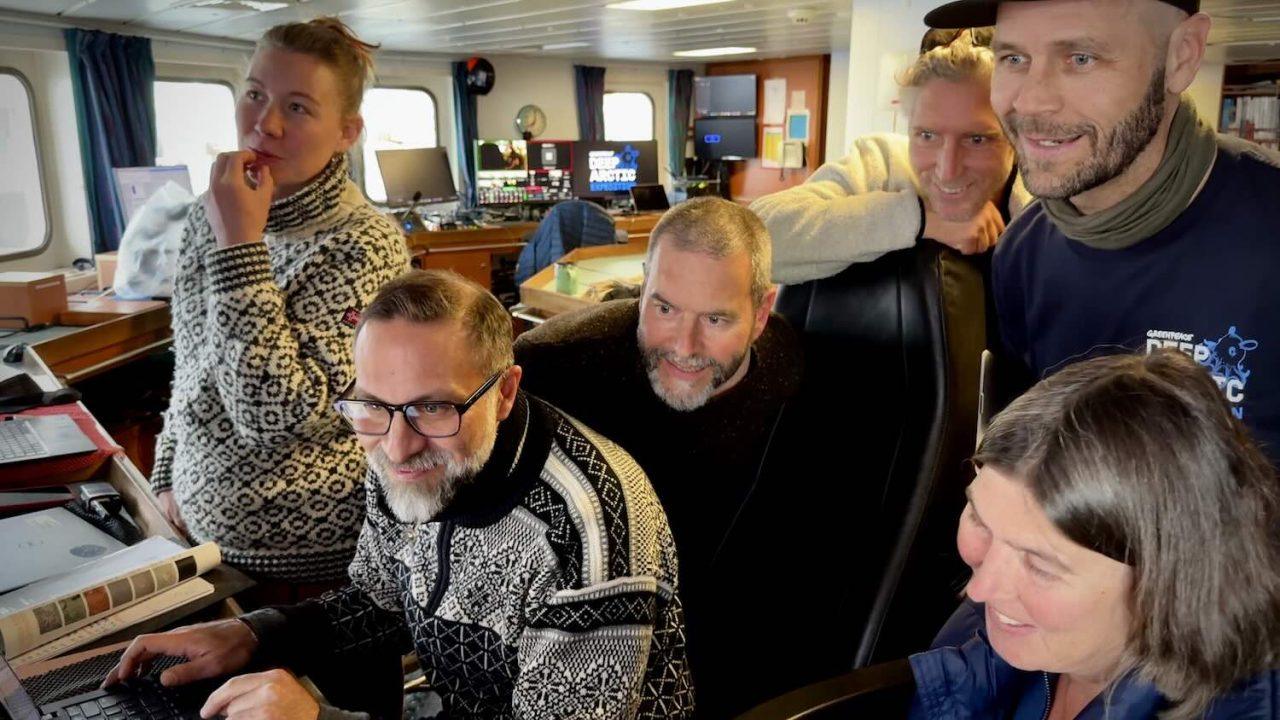
During an ongoing deep-sea expedition, researchers have discovered several previously unknown species in the Arctic deep sea. Paco Cardenas is a taxonomist and expert on tunicates at Uppsala University, and in just a few days has identified at least three species that have yet to be named.
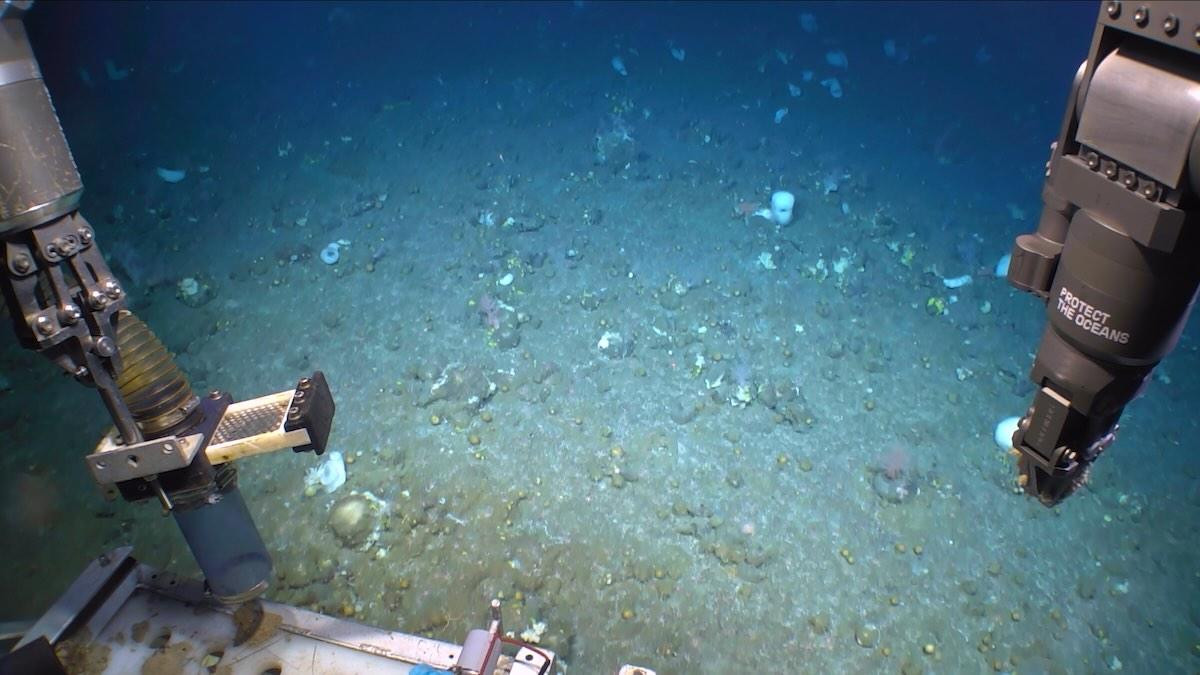
A month-long deep-sea expedition will investigate the unexplored life hidden at depths of more than 1,000 meters in the Arctic. The expedition is being carried out by the environmental organization Greenpeace, which aims to prevent the area from being opened up for mining.
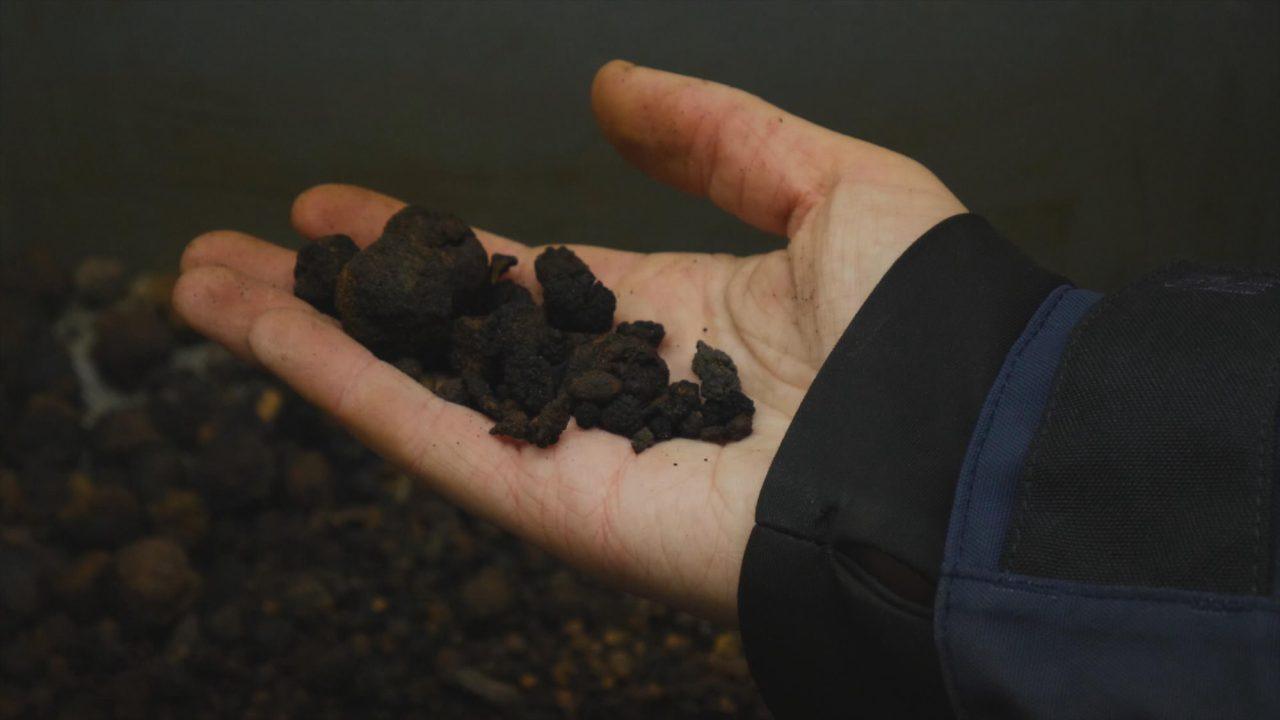
The deep sea is a living ecosystem, not a lifeless abyss. If disturbed, it may not be able to recover within a human timescale. This realisation is beginning to reshape the debate on large-scale deep-sea mining for rare earth minerals and metals.
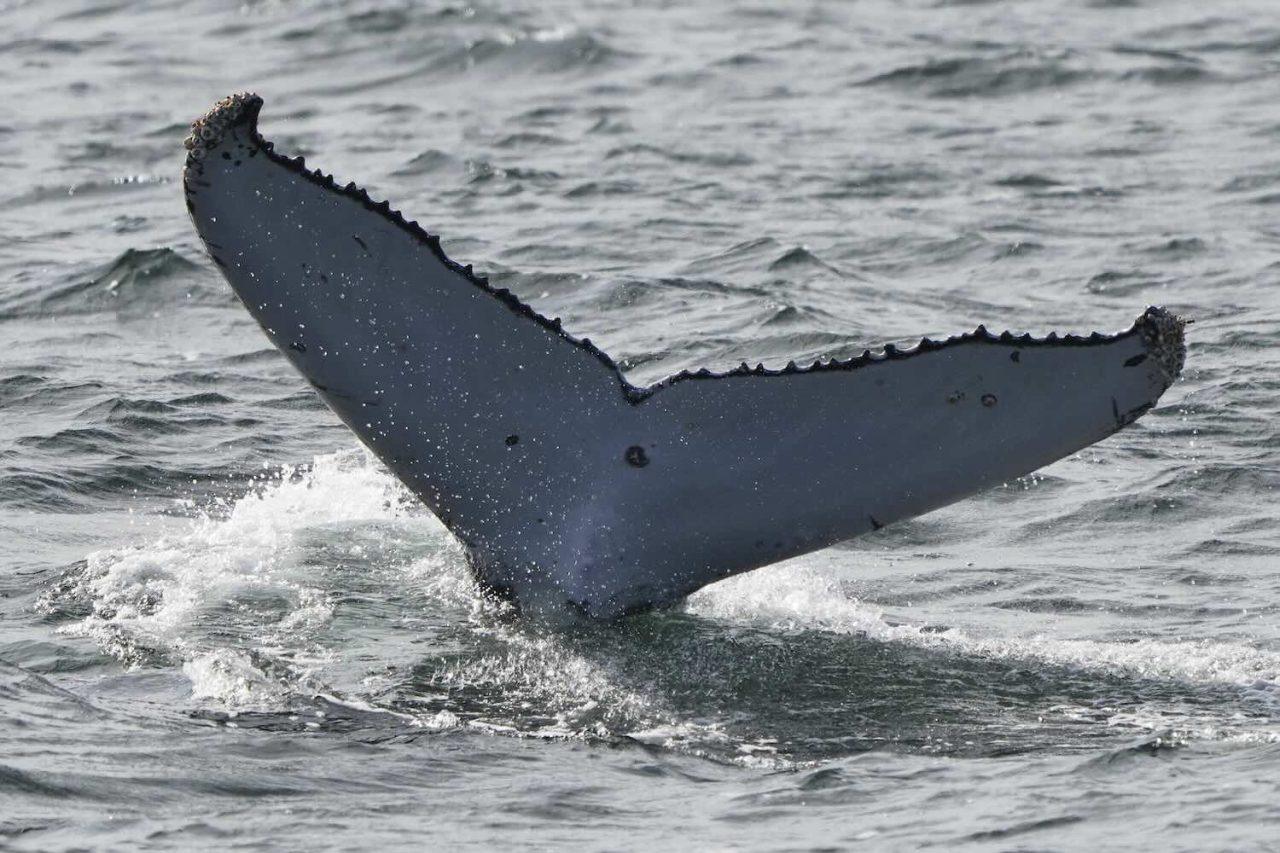
Two humpback whales have proven that these enormous mammals can travel from one side of the globe to the other—if given enough time.
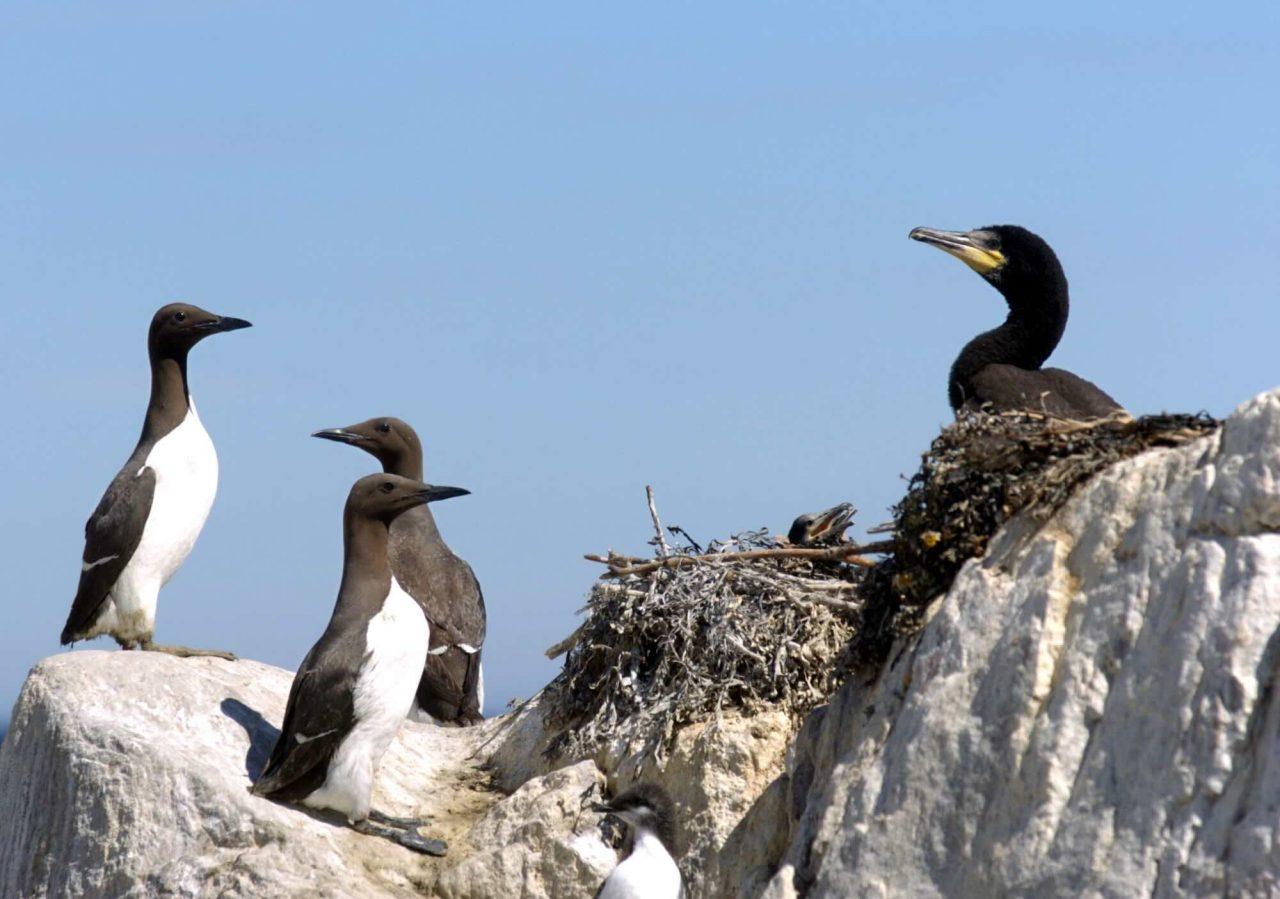
This year’s live broadcast tracking the breeding of the common murres at Stora Karlsö in the Baltic sea has now begun. New for this year is the option to listen to the seabirds as well. “It feels like we’ve only scratched the surface of the common murres’ soundscape,” according to a press release.
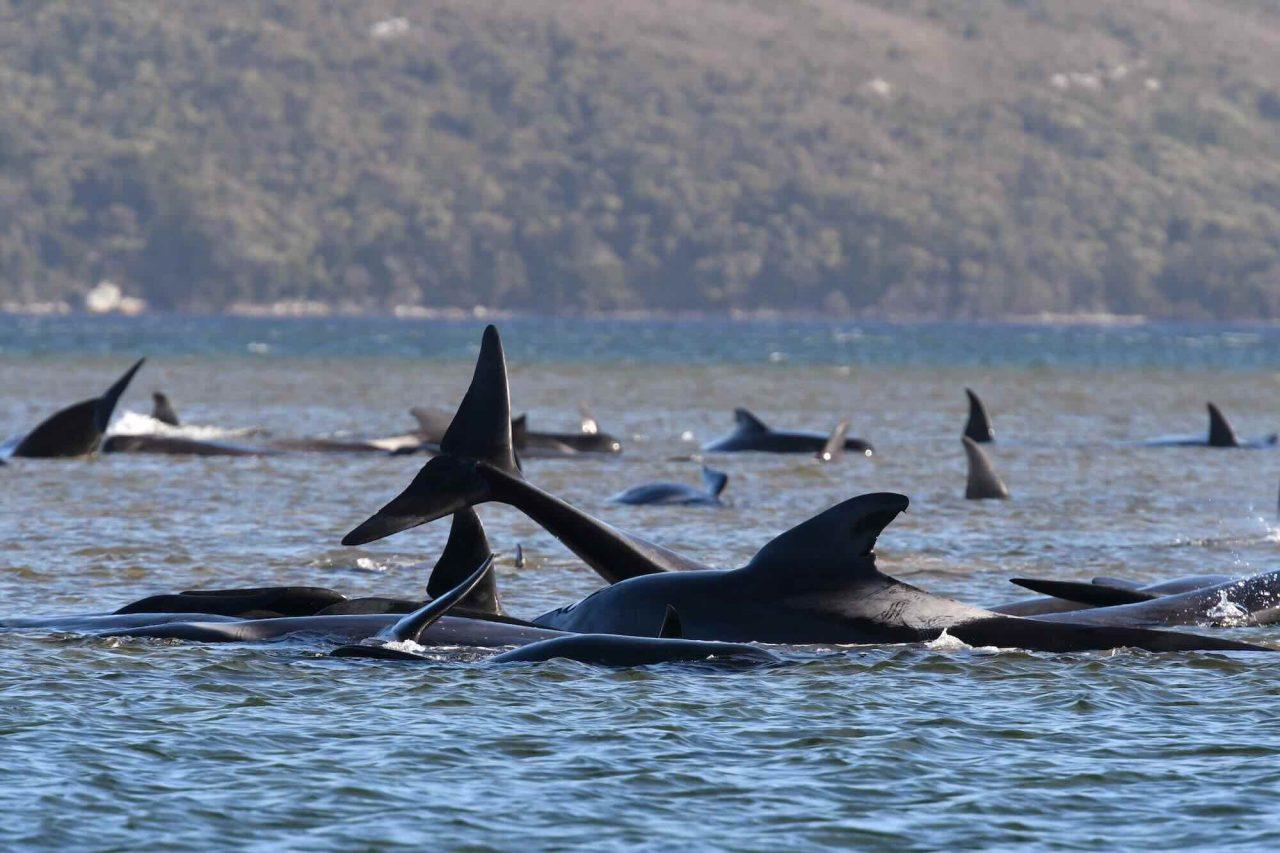
The noise level beneath the surface of the Strait of Gibraltar is comparable to standing next to a vacuum cleaner. The noise from maritime traffic affects marine life. A study shows that the pilot whales in the strait raise their voices to try to drown out the constant noise.
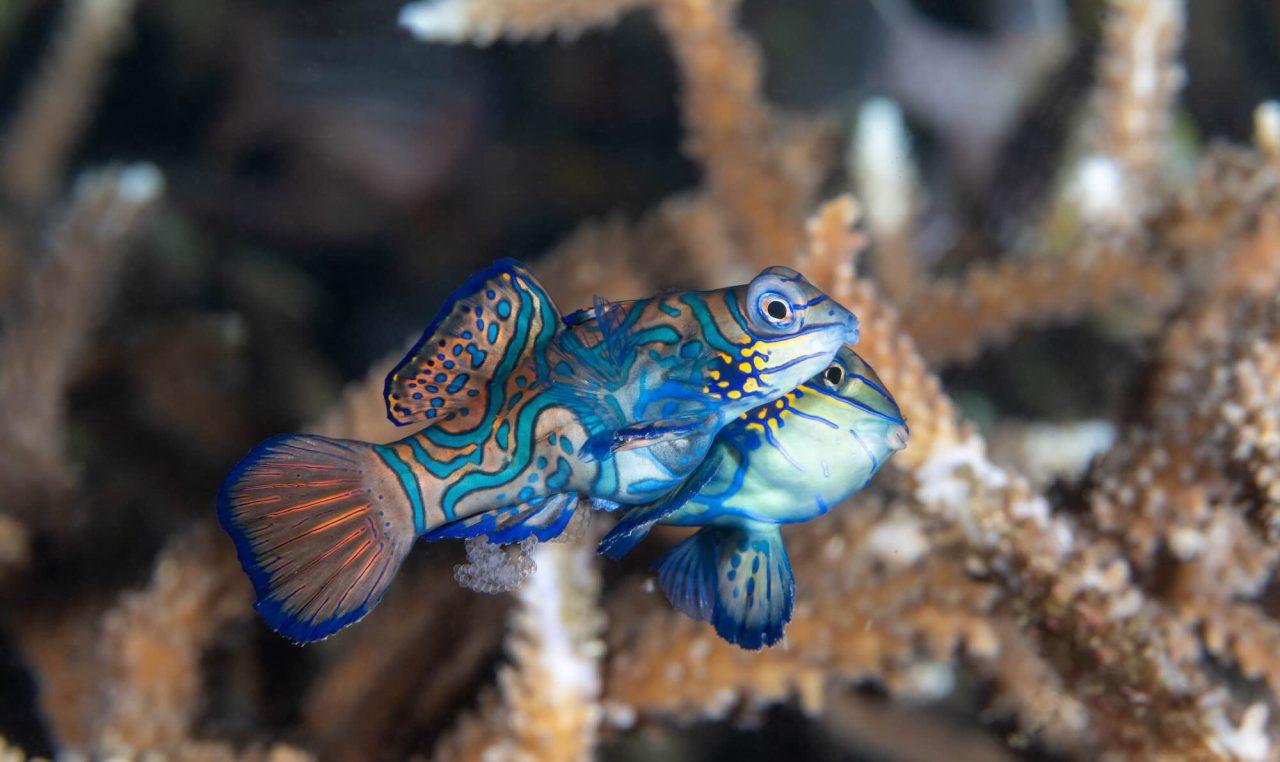
Octopuses as small as a thumbnail and mandarin fish so fast they can only be captured with a still camera. Underwater photographer Kimmo Hagman has been diving in the Lembeh Strait in Indonesia to capture the ocean’s tiniest creatures on film and in photos.

At first, it seemed like a brilliant solution to the problem of salmon lice in Norwegian salmon farms, but then it turned into a near-disaster.