Ship Noise Forces Pilot Whales to “Scream”
The noise level beneath the surface of the Strait of Gibraltar is comparable to standing next to a vacuum cleaner. The noise from maritime traffic affects marine life. A study shows that the pilot whales in the strait raise their voices to try to drown out the constant noise.
The Strait of Gibraltar, located between Spain and Morocco, connects the Atlantic Ocean with the Mediterranean Sea. Here, along one of the world’s busiest shipping lanes, lives a small, critically endangered population of long-finned pilot whales.
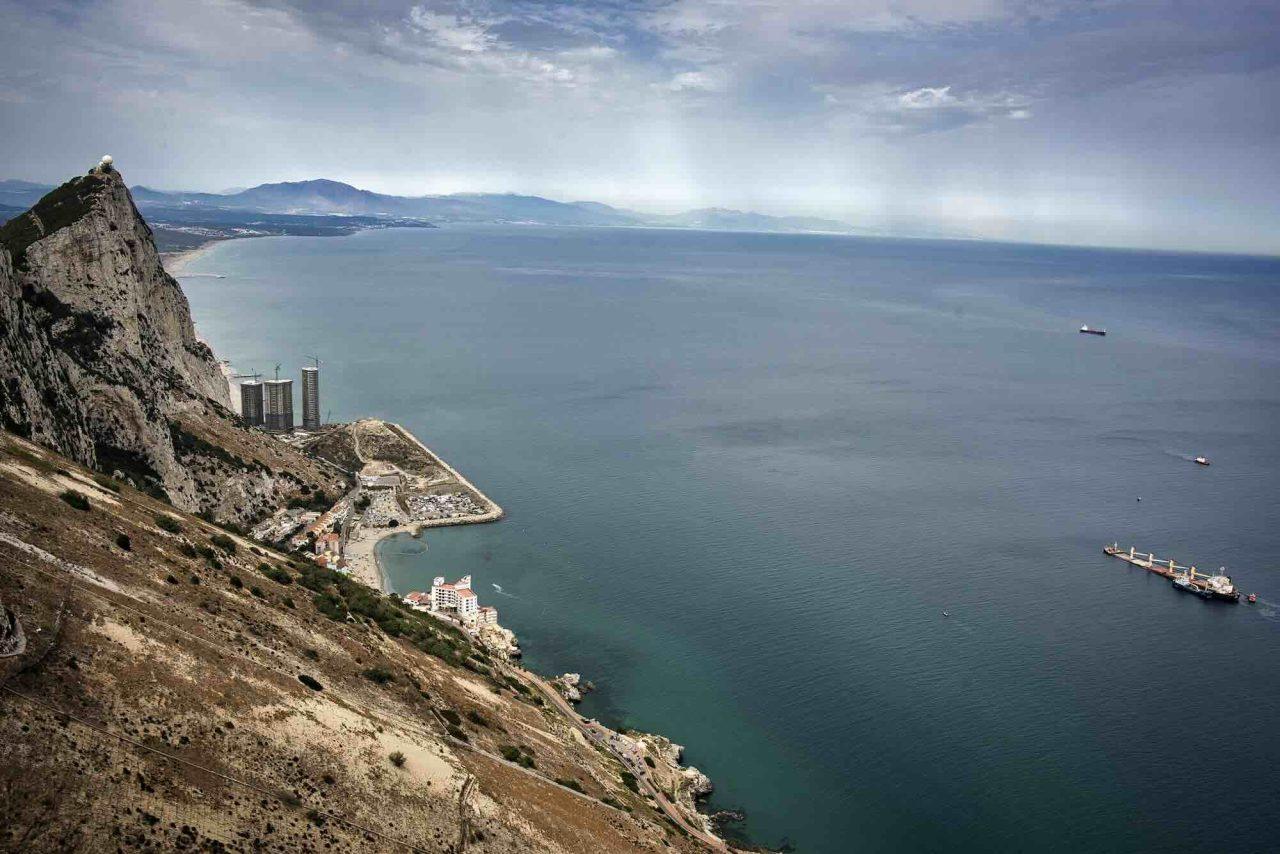
View of the Bay of Gibraltar in 2022, when a cargo ship collided with an LNG tanker in the bay, causing a spill.
Despite their name, pilot whales are technically large dolphins, and just like other dolphin species, they live in pods that use high-frequency sounds to communicate. These clicks and squeaks travel shorter distances than, for example, the more melodic songs of humpback whales.
Now, researchers have been able to show that pilot whales are forced to adapt their communication in response to the noise from maritime traffic. The study, led by Milou Hegeman and Frants Jensen at the University of Aarhus in Denmark and reported on by Der Spiegel, among others, shows that the dolphins raise their “voices” to try to drown out the constant background noise.
Not all sounds
To study the animals’ communication and behavior, the researchers attached recording devices—similar to small transmitters—with suction cups between the dorsal fin and the blowhole.
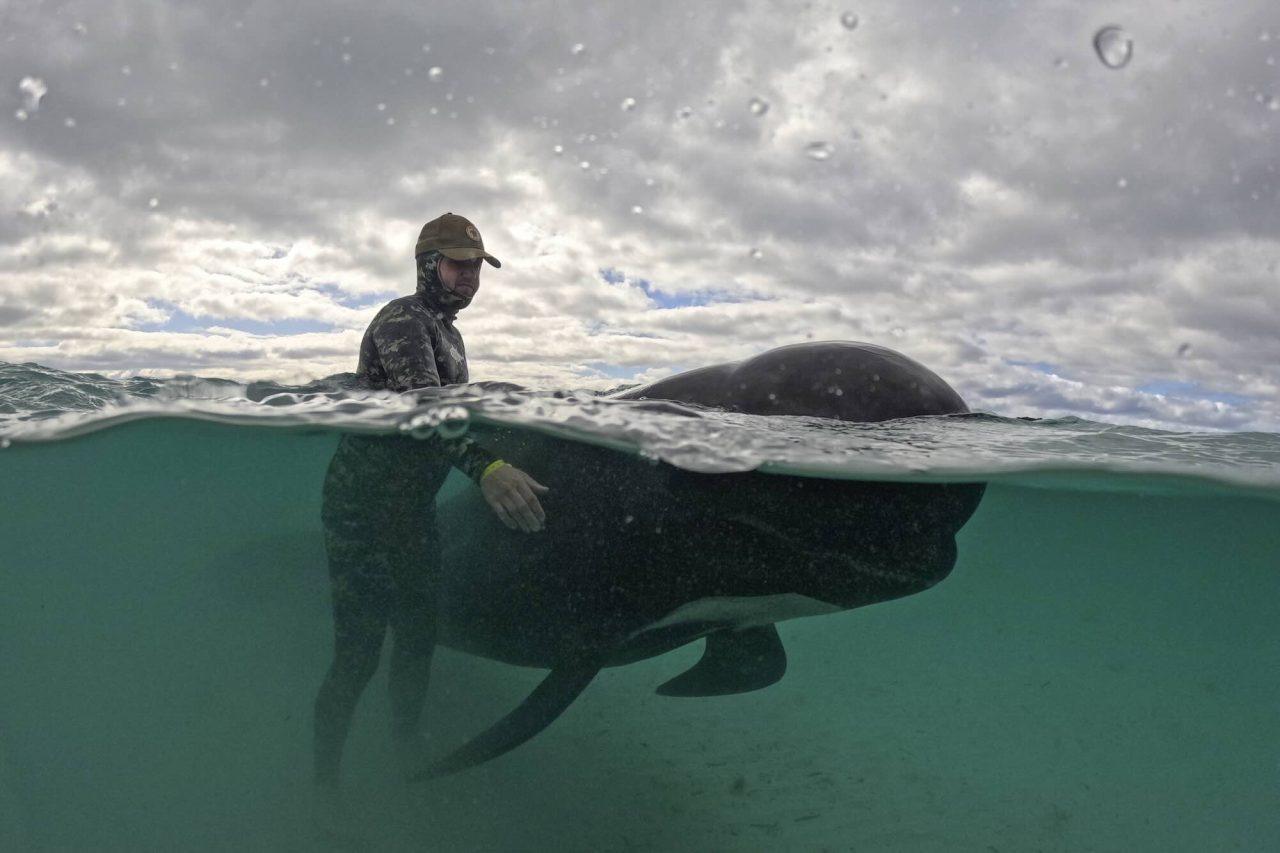
A long-finned pilot whale in Western Australia in 2023. Pilot whales often strand in large groups, likely due to navigational difficulties.
Between 2012 and 2015, a total of 23 long-finned pilot whales were tracked for up to 24 hours each. The devices were then retrieved, and the researchers were able to analyze the audio recordings.
The recorded increase in decibels was particularly evident in higher-frequency sounds and shorter clicks. However, the whales cannot always increase the volume of their calls to be heard above the noise pollution—some sounds cannot be made louder, according to the study published in the Journal of Experimental Biology.
Increases stress levels
Based on the researchers’ findings, the long-finned pilot whales in the Strait of Gibraltar, numbering around 250, are now believed to be finding it increasingly difficult to communicate and locate one another.
“For the critically endangered pilot whale population in the Strait of Gibraltar, these partial compensatory mechanisms are likely insufficient to maintain effective communication,” the study’s authors write.
Previous studies have pointed in the same direction—that human noise has a negative impact on marine animals. In 2012, a study showed that ship noise increases stress levels in right whales, and in 2024, researchers found that sea turtles around the Galápagos became more alert as ship noise increased.