More than 70 percent of the Earth’s surface is covered by water and it is sometimes referred to as “the blue planet.” Most original life forms evolved in the ocean, and to this day, the marine environment maintains a biodiversity not found in any other ecosystem. Humans are highly dependent on the ocean.
The expression “the seven seas” was used in the past by sailors who sailed across all the world’s oceans. These include the North Pacific Ocean, South Pacific Ocean, North Atlantic Ocean, South Atlantic Ocean, Arctic Ocean (Northern Ocean), Southern Ocean (Antarctic Ocean), and the Indian Ocean. The world ocean, also known as the oceans, is defined as the interconnected water area surrounding the Earth’s continents. The world ocean is divided into three oceans: the Pacific Ocean, the Atlantic Ocean, and the Indian Ocean, with the Pacific Ocean being the largest, covering over 30 percent of the Earth’s surface. Sometimes, the Antarctic Ocean is also considered a separate ocean. The three oceans include delimited seas or sub-seas. A sub-sea or semi-enclosed sea is a delimited part of an ocean. For example, the North Sea, the Arctic Ocean, and the Mediterranean Sea are sub-seas of the Atlantic Ocean.
Several of the world’s seas are relatively warm, but the average temperature of the world’s oceans is only around 3.5 degrees Celsius. This is because the large deep-water basins consist of cold polar water.
A large portion of the open sea areas does not belong to any individual country and is often referred to as the “high seas” or deep sea. These areas constitute almost half of the Earth’s surface, two-thirds of the world’s ocean area, and 95 percent of the world’s ocean volume. The deep sea is not subject to national laws and, in practice, belongs to everyone. The United Nations has long negotiated how these areas should be managed. After more than ten years of intense negotiations, the UN adopted a new binding treaty for the sustainable use of biodiversity in areas beyond national jurisdiction in 2023. This is a step towards fulfilling the global commitments of the international biodiversity agreement from 2022, where the goal is to protect at least 30 percent of the ocean by 2030.
Despite the ocean being a place where various organisms thrive, there are many extreme environments in the sea. From temperatures below freezing to near boiling points in hot underwater springs. Where the sea meets the land, the waves are powerful, UV radiation is high, and it is home to a large biodiversity. Some organisms utilize a wide range of habitats, while others specialize in a single type of environment.
The deep sea is a hostile environment for us humans. At a depth of 30 meters, most light is gone, at 70 to 80 meters, most of the oxygen disappears, and the pressure at the bottom is high. Therefore, very little of the deep sea has been explored. In fact, barely five percent of the ocean’s depths have been explored by humans. Researchers also know less than they would like about the organisms that can live in the deep sea. Moreover, they cannot be brought up and studied in aquariums or laboratories because they are adapted to withstand the high pressure in the depths of the sea.
To live in the depths of the oceans, where light does not reach, animals must adapt to life in darkness. Many have large mouths, light organs, or large and extra light-sensitive eyes. There is also a diversity of microorganisms living in this challenging environment. The fact that life can exist under such extreme conditions without oxygen or sunlight has led researchers to consider that there might be life on other planets that we have previously thought to be lifeless.
Although we still know very little about the organisms of the deep, it is known that overfishing and bottom trawling can also affect deep-sea animals. Many organisms are still undiscovered and therefore at risk of disappearing if fishing continues as it has done so far.
The Mariana Trench in the Pacific Ocean is the world’s deepest place in the sea. The maximum depth is Challenger Deep, which is approximately eleven kilometers below the sea surface. At the same time, the average depth of the world’s oceans is about 3700 meters. Sweden’s deepest point is 560 meters in Bratten in Skagerrak, and the Baltic Sea’s deepest point, Landsort Deep at 459 meters, is west of Gotland.
Ecosystem services
The world’s oceans and seas are a significant asset for us humans. The oceans provide us with a multitude of services. To remind us of the importance of the oceans and the need to protect them, June 8th has been designated as World Oceans Day by the United Nations. But there are more reminders of how important the ocean is in our daily lives.
World oceans give us more than just food. They produce more than half of all the oxygen in the atmosphere through photosynthesis, absorb greenhouse gases, and contribute to tourism. Some well-visited tourist destinations at sea include Gotland, the Koster Islands, and other archipelago areas.
Additionally, hundreds of millions of people depend on fish and other resources from the sea. More than 38 million people are employed in the fishing industry worldwide. The oceans are also widely used as transportation routes.
Coastal ecosystems such as coral reefs, seagrass beds, and mangrove forests are crucial places for the young. They are also significant for people living on the coast as they act as a protection zone against floods, storms, and can serve as wave breakers and erosion protection.
TEXT: Lina Mattsson

Norway is tightening controls on foreign oil tankers in its economic zone. The aim is to get at Russia's so-called shadow fleet.

Every year, a small group of harbour porpoises traverses a narrow strait from the Black Sea to the Sea of Asov, then returns again, in a natural migration cycle. Since prehistory, these Black Sea porpoises have been isolated, evolving separately from other porpoises, becoming smaller, but with larger snouts. They’re sleek and cute, with eyes and mouths that have the perpetual hint of a smile.
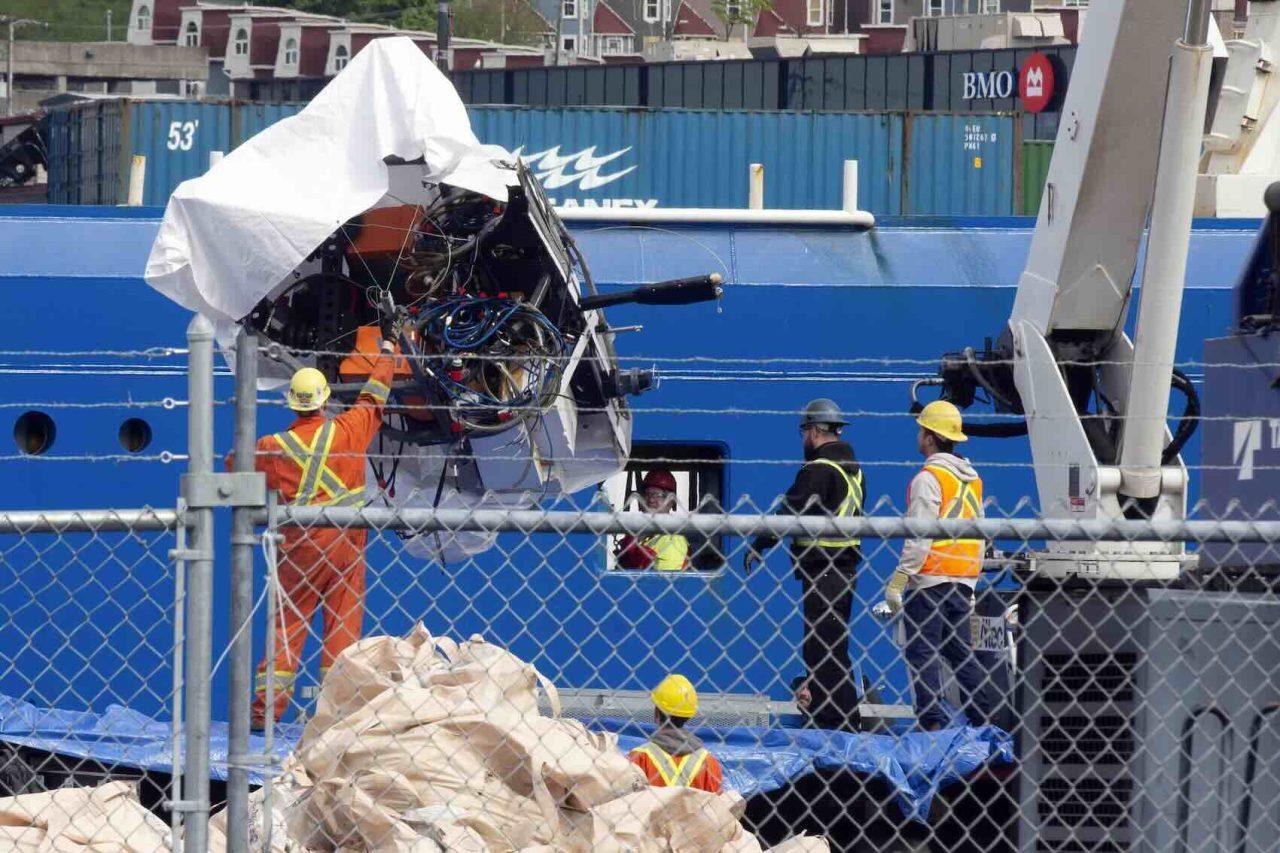
The fatal accident involving the tourist submarine Titan, which imploded as it descended towards the wreck of the Titanic, could have been prevented. This according to a report from the US Coast Guard.

Documentary filmmaker Johan Candert is at Bikini Atoll, diving into a strange sea. 80 years ago, the US detonated 23 nuclear bombs here, wiping out all life. But what Johan sees is a sea that is recovering. Life is coming back. This story was first published a year and a half ago. Since then, Johan […]

An oil field described as the largest ever found in Poland has been discovered off the coast of Świnoujście, reports Dagens PS.

Edy Setyawan, PhD in manta rays, grew up in a small mountain village in Java. Today, he stands among the world’s leading researchers on manta rays and sharks. He has published a remarkable body of scientific work, co-founded an Indonesian-led NGO dedicated to elasmobranch conservation, and was the first to conclusively identify a manta ray nursery habitat in Wayag, Raja Ampat – along with multiple other potential nursery locations throughout Raja Ampat.

The European Commission is presenting a European Ocean Act, to be followed by a European Ocean Strategy in 2027, to improve conditions for the oceans and those who live near them.

With yet another executive order, Trump recently opened up deep-sea mining for minerals both off the coast of California and in international waters – and it is controversial.

Britain is imposing new sanctions on Russia's so-called shadow fleet that transports oil in the Baltic Sea, according to the British government.

The deafening murmur of mingling documentary filmmakers forces me to flee into the calmest corner of the room. A lonely onlooker I’m suddenly made aware of an exceptionally well-dressed young man standing next to me. He reaches out with a handshake.

A colossal squid has been captured on camera for the first time in the depths of the ocean by an international research team.

In 2015, an infamously-scofflaw fleet of more than 70 bottom trawlers from Thailand fished in the Saya De Malha Bank, a submerged plateau the size of Switzerland that lies in the Indian Ocean between Mauritius and Seychelles. The trawlers dragged their nets over the ocean floor, scooping up various types of forage fish, as well as brushtooth lizardfish, round scad, and sharks. Their catch would be turned into protein-rich fishmeal that gets fed to chickens, pigs, and aquaculture fish.

In February, one of the salmon pens sank off the small town of Storvik in Norway and 27 000 farmed salmon escaped. The Norwegian Coast Guard, along with a number of nearby diving centres, immediately responded to recover the escaped salmon. The company, Mowi, also offered a bounty to nearby fishermen of NOK 500 per salmon caught.

For the past decade, the mining industry has argued that the ocean floor is an essential frontier for precious metals needed in the batteries used in cell phones and laptops. As companies eye the best patches of ocean to search for the precious sulfides and nodules, widely dubbed “truffles of the ocean,” the waters near the Saya de Malha Bank—a submerged plateau the size of Switzerland in the Indian Ocean between Mauritius and Seychelles—have emerged as an attractive target.

The British military has found sensors off the UK coast that are believed to be Russian attempts to spy on the country's nuclear-armed submarines, reports The Sunday Times.
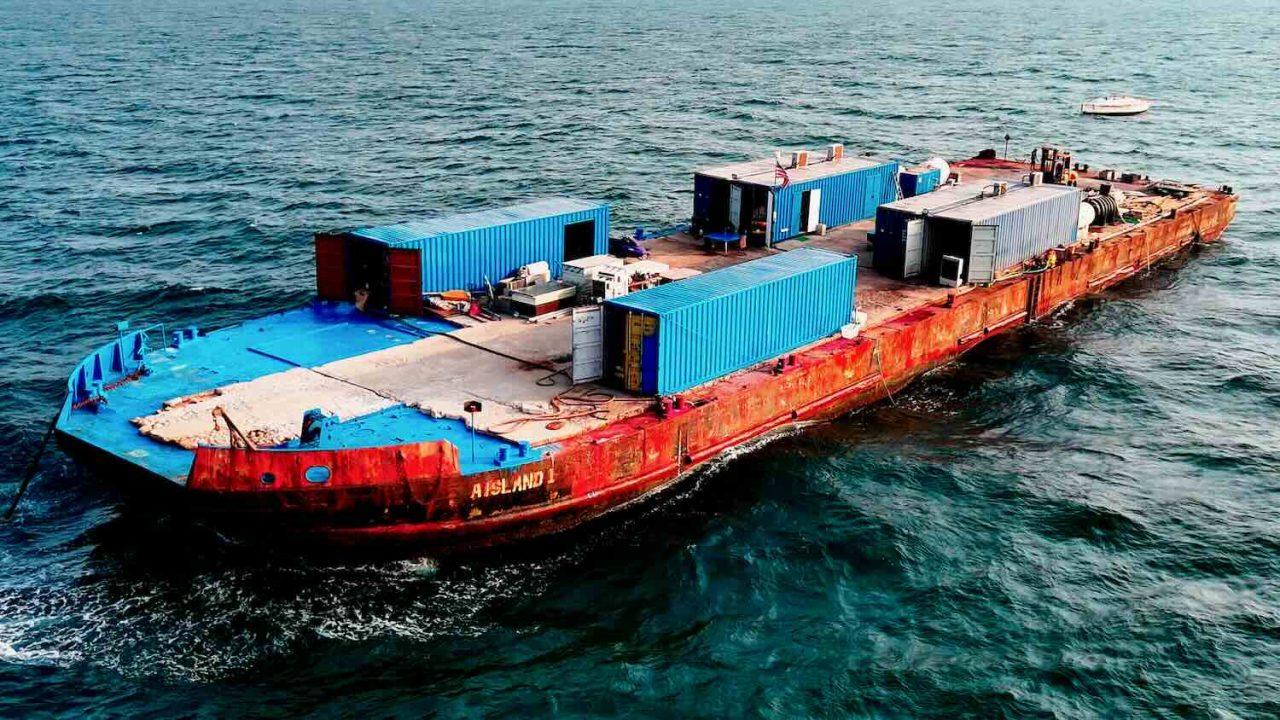
Vast and sometimes brutal, the high seas are also a place of aspiration, reinvention and an escape from rules. This is why the oceans have long been a magnet for libertarians hoping to flee governments, taxes and other people by creating their own sovereign micronations in international waters.
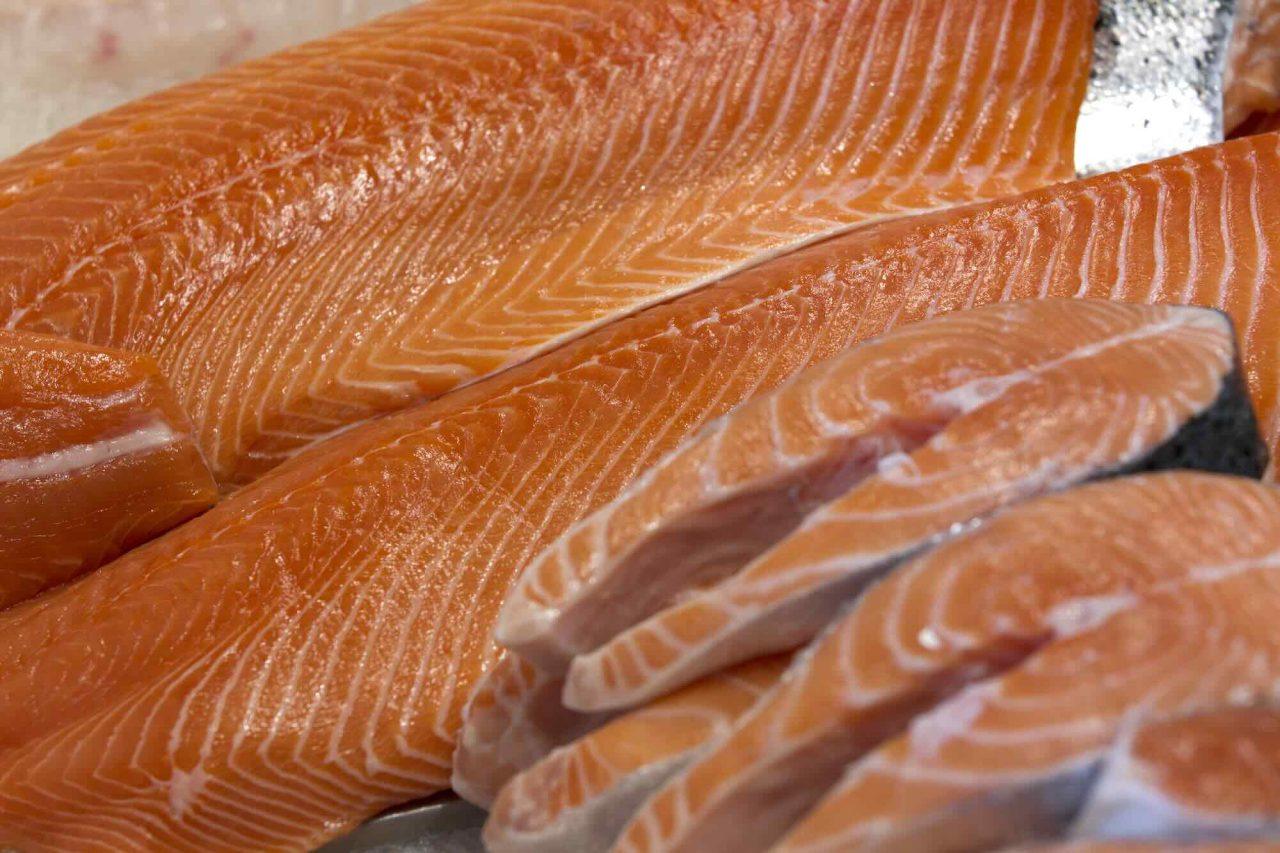
Norway's seafood exports to the US increased by 56% in the first quarter of the year, ahead of President Donald Trump's decision on tariffs.

In November 2022, several scientists in scuba gear dove over the side of a 440-foot research ship, which had been sent to the Saya de Mahla Bank, a vast seagrass meadow in the Indian Ocean between Mauritius and Seychelles, more than 200 miles from land. Their goal that day was to film sharks.

A new law on biodiversity. This is one of the proposals from the investigator on what is needed for Sweden to join the global agreement to protect the world's oceans.

The Saya de Malha Bank is so existentially crucial to the planet because it is one of the world’s biggest seagrass meadows and thus carbon sinks. Much like trees on land, seagrass absorbs carbon dioxide from the atmosphere and stores it in its roots and soil. But seagrass does it especially fast—at a rate 35 times that of tropical rainforest. What makes the situation in the Saya de Malha Bank even more urgent is that it’s being systematically decimated by a multi-national fleet of fishing ships that virtually no one tracks or polices.

The most important place on earth that virtually no one has ever heard of is called the Saya de Malha Bank, which has been called the world’s largest invisible island. Situated in the Indian Ocean between Mauritius and Seychelles, more than 200 miles from land, the Bank extends over an area the size of Switzerland and is home to the world’s largest seagrass fields, which make it the planet’s most important carbon sink.

The US Coast Guard is taking part in a multi-NATO maritime exercise in northern Norway in April.

Verbal and physical abuse - and sometimes as much as a decade without being allowed to go ashore. In violation of UN sanctions, North Koreans endure forced labour and gross violations on board Chinese ships, according to a report.

The African penguin is being starved to extinction. Commercial fishing has reduced fish stocks around the only remaining African Penguin colonies to such an extent that the birds cannot find enough fish to eat during their breeding season. Southern African Foundation for the Conservation of Coastal Birds, SANCOB is taking the South African government to court to try and force them to expand no-take zones around the colonies as part of their campaign to save the species.

