Europe’s major rivers almost dry
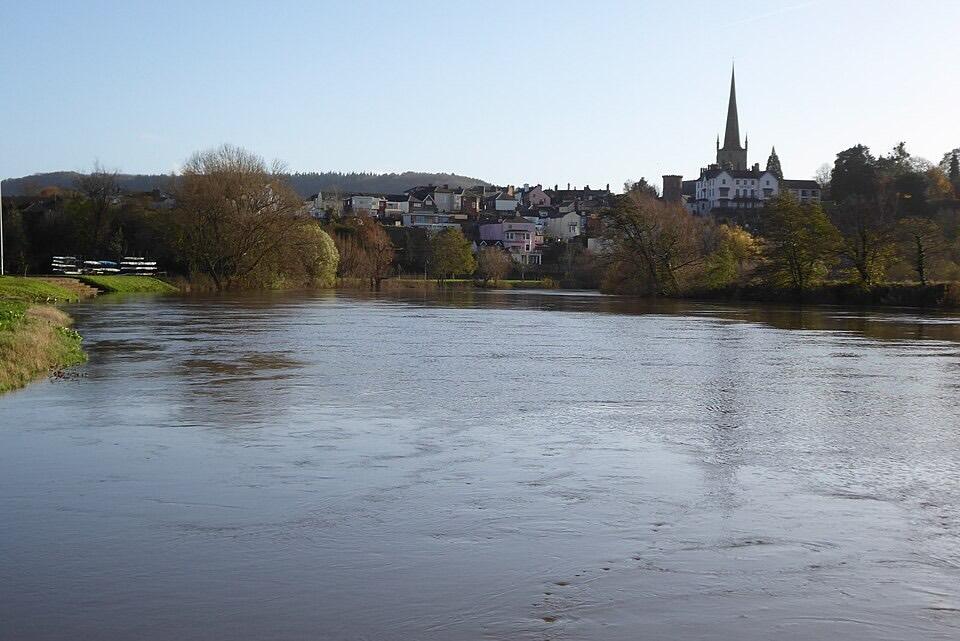
Nuclear reactors are being shut down, cargo barges are running aground and tourists keen to go swimming are met with mud. For the third time in a decade, water levels in the Danube, the Rhine and other major rivers are extremely low.
´The summer season is already over as far as boat trips are concerned,´ says houseboat owner Radovan Segrt.
The AP news agency has spoken to Segrt and other residents in Budapest, where the Danube’s level is now one decimetre below that of 2018, the previous record for low water levels.
´The river has receded 15 to 20 metres from the shoreline,´ says Segrt, who normally organises boat trips for tourists.
Prolonged drought has had the same effects on the Danube and the Rhine. And alongside tourism, these mighty rivers are the economic lifelines for freight.
´The bulk of the cargo consists of raw materials, oil, iron ore, coal and grain,´says Johan Woxenius, professor of maritime transport economics and logistics at the School of Business, Economics and Law at the University of Gothenburg.
Peak harvest season
But now things are running on a shoestring. According to the German news site DW, some barges are only daring to carry 15 to 20 per cent of their usual load, for fear of otherwise running aground. Capacity is therefore plummeting and prices are soaring, just as it is peak season for many goods.
´Grain is likely to require a great deal of freight capacity. It’s peak harvest season right now,´ says Woxenius.
The problem arises during dry summers – which is only a small part of the year. This makes it difficult to make it profitable to develop alternatives, according to Woxenius.
´But if I were a logistics specialist or ran a shipping company, it would be hard to ignore the fact that this is a recurring issue, and is likely to happen more often. We’ve seen it in 2018, 2022 and 2026. That’s quite a short interval.´
The media estimate that the problem could even reduce this quarter’s GDP in Germany, which is Europe’s largest economy.
´Germany has a great deal of infrastructure along its rivers. It’s natural for both motorways and railways to run there,´ says Woxenius.
Triggered by climate change
In Budapest, the AP photographer Gábor Kertész is documenting how the foundations of the famous Margaret Bridge over the Danube are now exposed.
‘It’s shocking to see the difference between then and now,’ he says.
Further south, the same river forms the border between Romania and Bulgaria. There, fishermen tell the AFP news agency that there is so little water that you can wade between the two countries.
Children trying to go for a swim barely get their legs wet.
‘It’s like quicksand!’ shouts a boy as he walks along the muddy shoreline.
In both Romania and Hungary, nuclear reactors rely on cooling water from the Danube. Several of them have scaled back production or shut down completely.