Our planet relies on the oceans as climate regulators. At the same time, the effects of our emissions are most evident in the oceans. Today, eutrophication, climate change, ocean acidification, and invasive species are some of the challenges the oceans face. The Ocean – A key player in climate
The oceans are already significantly impacted by human activity, making them sensitive to further influence from climate change. Habitats of species may disappear, shift, or shrink, while others gain access to new distribution areas. This can lead to a reduction in biodiversity, exacerbating the oceans’ resilience against, for example, climate change.
According to the International Panel on Climate Change (IPCC), over 90 percent of excess heat and between 20 and 30 percent of carbon dioxide emissions have been absorbed by the oceans. Carbon dioxide is absorbed by the oceans as the gas dissolves in water, and phytoplankton in surface waters take it up and bind it in organic material through photosynthesis. Phytoplankton are then consumed by zooplankton, which, along with other organisms, fall towards the ocean floor as marine snow when they die. This process allows large amounts of carbon from the upper layers of the ocean to reach deeper layers which is crucial for the organisms there. The transport of carbon to the bottom also ensures that it remains in the oceans much longer than if it were to stay in the surface layer, potentially leaking carbon dioxide back into the atmosphere.
One effect of increased emissions of greenhouse gases is ocean warming. When the oceans become warmer, the entire ecosystem is affected. Fish size may change, algal blooms and dead zones increase, and many species such as eelgrass, harbor seals, and mussels struggle to survive. Furthermore, as water becomes warmer, it becomes more challenging for the oceans to absorb carbon dioxide, potentially worsening climate change further.
The warming of the oceans is now the fastest in at least 11,000 years. Although it can be slowed down with powerful measures, the stored heat energy contributed so far will continue to warm our planet for hundreds or even thousands of years.
The oceans play a large role in how we experience the climate on our planet. Thanks to the Gulf Stream, Nordic countries for instance have a relatively mild climate in relation to their northern positions. Warming of the seawater leads to significant changes in ocean circulation and rising sea levels as the ice in the ocean’s melts. The decrease in ice is more pronounced in the northern hemisphere than in Antarctica, and research indicates that the ice will continue to melt for at least 100 years, regardless of the measures taken. However, the effects worsen with the more greenhouse gases we emit. Many scientists are concerned about how the Earth will be affected when the Arctic ice disappears, as it affects the climate by reflecting solar radiation.
Climate change will affect the salinity of the oceans. In areas near the equator, evaporation will increase, leading to an increase in salinity. In areas closer to the poles, such as the Swedish seas, salinity will decrease as precipitation and the influx of freshwater increase and polar ice melts.
Changes in salinity and temperature can, among other things, lead to increased oxygen deficiency. This is because the stratification of seawater in depth becomes clearer, preventing mixing and transport of oxygen-rich water to the bottom. Salinity and temperature also largely control the geographic distribution of species, meaning that climate change can have significant consequences for biodiversity.
The absorption of carbon dioxide by the oceans has almost doubled since the 1980s, but it has come at a cost. When carbon dioxide is mixed into the water column, the chemistry of the ocean changes. A higher concentration of carbon dioxide in the ocean increases acidity, a phenomenon called ocean acidification, sometimes referred to as the “evil twin of warming.” Like the effects of climate change, ocean acidification can lead to the extinction of species or shifts in ecosystems. Studies show that key species such as brittle stars in Gullmarsfjorden would not survive the acidification expected within a few decades. And since many species depend on them, it can have significant consequences for the entire ecosystem.
Ocean acidification affects various biological processes such as photosynthesis and calcification. Many marine organisms are affected by the fact that ocean acidification makes calcium less accessible, as they form shells and skeletons from calcium. Corals are affected by both calcium deficiency and increasing temperature. Coral reefs are one of the ecosystems with the highest biodiversity globally but are also most affected by climate change, leading to coral bleaching. Even the coral Lophelia in Kosterhavet National Park is affected by increased temperature and acidity.
Today, several marine areas, such as the Black Sea and the Baltic Sea, are affected by eutrophication. This is due to increased nutrient input, leading to the proliferation of fast-growing phytoplankton, cyanobacteria, and filamentous algae. This makes it difficult for other species to survive as much sunlight is blocked. When the algae sink to the bottom, bacteria use up the oxygen to break down the organic material. This has resulted in large dead zones in, for example, the Baltic Sea, where only bacteria and a few other microorganisms can survive in the oxygen-depleted environment. Eutrophication leads to overgrown bays, deteriorated water quality, and reduced biodiversity.
While some nutrient inputs occur naturally, human activities contribute significantly by adding extra nutrients in the form of nitrogen and phosphorus. Agriculture, sewage, industries, forestry, road traffic, and shipping all contribute to eutrophication. Because eutrophication in the Baltic Sea has been ongoing for so long, there are old sins in the form of nutrients bound in sediment. Internal loading is a process where these nutrients are released, mainly when there is limited oxygen at the bottom. Eutrophication thus creates a negative spiral where the system eventually feeds itself.
Although the eutrophication status is still poor in most parts of the Baltic Sea, improvements can be seen in the Gulf of Finland, Kattegat, and the Belts. According to the Helsinki Convention, HELCOM, nitrogen inputs have decreased by 19 percent, and phosphorus by 24 percent since the mid-1990s. To further reduce the impact of eutrophication, the main sources, namely agriculture and wastewater, should be controlled.
Many environmental toxins have decreased significantly since the 1970s. However, society’s extensive use of chemicals needs further reduction. History speaks clearly: actions make a difference.
Almost all toxic substances released into nature are considered environmental toxins. Some of these can harm animal and plant life even at low levels if they persist for an extended period. Environmental toxins often break down slowly, meaning their effects can be both long-lasting and spread over large areas. Some common environmental toxins include mercury, lead, cadmium, tributyltin (TBT), DDT, PCB, and dioxins.
Most organic environmental toxins are fat-soluble and therefore accumulate in the fat tissue of various organisms. Toxins accumulate to a greater extent the higher up the food chain you go. Therefore, top predators, often suffer more from environmental toxins than prey animals. When humans eat fish that have stored environmental toxins, they ingest these toxins. This has led to specific dietary recommendations for pregnant women, children, and young people when it comes to fatty fish.
White-tailed eagles and seals were heavily affected by environmental toxins during the 1960s and 70s because they are long-lived animals high up in the food chain. The white-tailed eagle was close to extinction because the chicks did not survive. Seals in the Baltic Sea struggled to reproduce, and in combination with hunting, environmental toxins led to only a few thousand seals remaining. After measures were taken to reduce the levels of environmental toxins, white-tailed eagles and seals in Sweden increased.
But despite the prohibition of PCB and many measures aiming at reducing the spread of environmental toxins, the levels are still relatively high. Some dioxins are considered some of the most dangerous environmental toxins as they can affect the development of our brain, immune system, nervous system, and the ability to have children. This is due to their long-lasting nature and the existence of emission sources that Baltic Sea countries have not yet addressed. Additionally, humans constantly introduce new chemicals that risk reaching the oceans.
A common pollution in the oceans today is plastic. In the oceans, more than around 150 million tons of plastic float, increasing by 5 to 13 million tons each year. Estimates show that 80–85 percent of marine litter in the EU consists of plastic. Of this, 50 percent are single-use products, and 27 percent are fishing-related items. Lost fishing gear, such as nylon nets, often float around as death traps for animals, known as ghost nets. Whales, seals, seabirds, and other animals can get entangled in these and die.
To try to reduce the problems of plastic waste in the oceans, the EU introduced a directive against single-use plastics in 2021, prohibiting the sale of plastic straws, among other items. Since it takes several hundred years for plastic to break down in the ocean, it instead slowly disintegrates into smaller parts, eventually becoming microplastics. Microplastics are also flushed into the oceans from wastewater treatment plants, often originating from fabrics made of synthetic materials and additives in hygiene products and cosmetics. About 10–30 percent of plastic particles elude capture by wastewater treatment plants and end up in the oceans. If animals ingest microplastics, they can be harmed or poisoned. Additionally, when they consume plastic, a false sense of being full occurs, leading to malnutrition. In water, plastic particles act as magnets for bacteria and environmental toxins, which animals ingest.
Although no significant risks for the environment and health have been found with current concentrations of plastics, knowledge gaps are significant. This currently prevents any conclusive statements about the risks of microplastics.
TEXT: Lina Mattsson
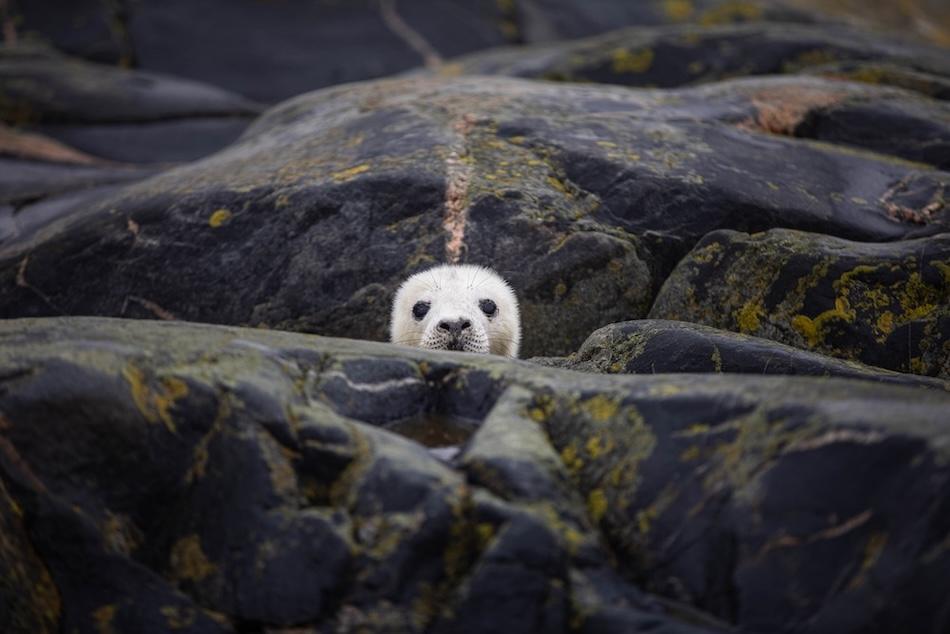
It is difficult to say at this stage how much weight issues relating to the oceans and climate change will carry during the next parliamentary term, but three parties with climate and environmental policies have seen their support grow: the Green Party, the Left Party and the Centre Party.

Following the major oil spill in Hanö Bay, Sweden, in 2023, the shipping company TT-Line has refused to pay a water pollution charge. However, the appeal has now been withdrawn, reports SVT Nyheter Blekinge.

On 13 September, Sweden will hold a general election. During Almedalen Week in June 2026, Deep Sea Reporter put some key ocean and water-related questions to representatives of Sweden’s parliamentary parties. See their answers in the report.
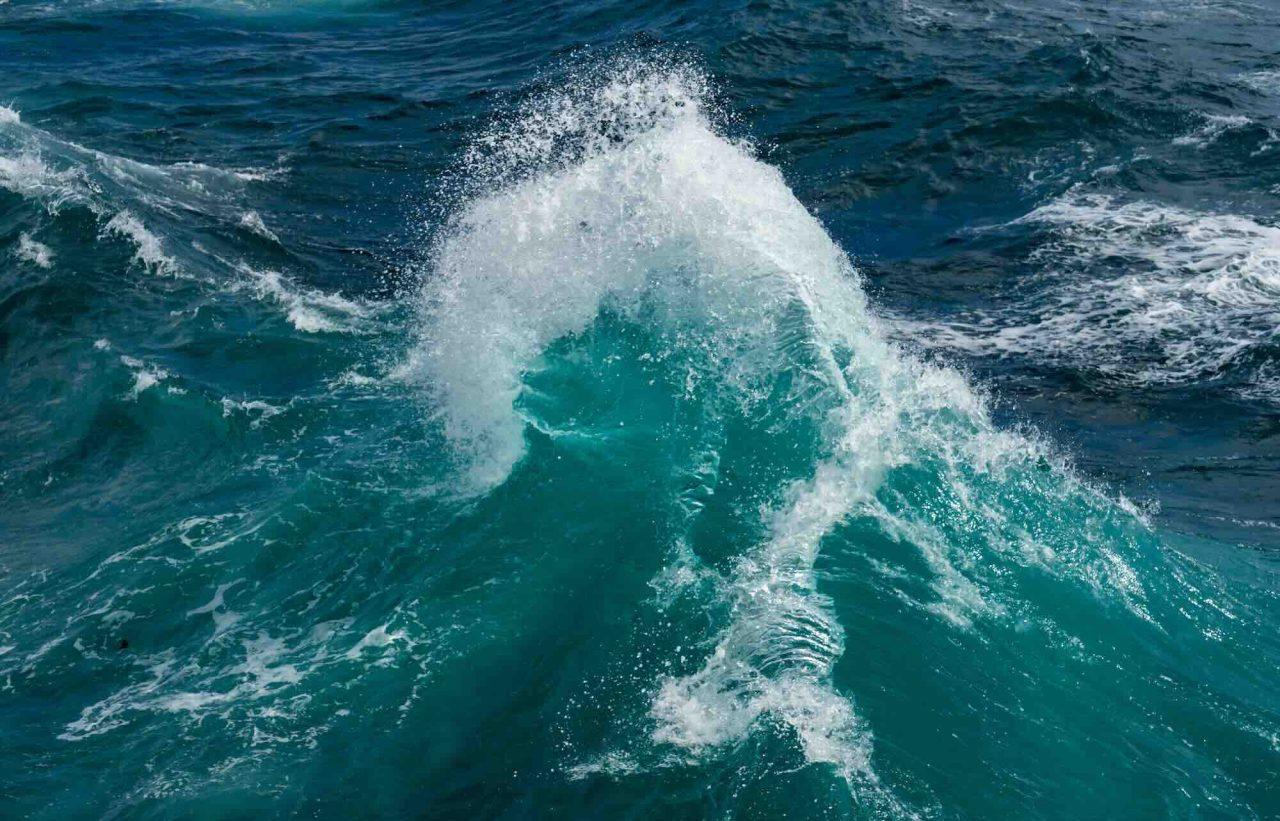
Since Sweden signed the global ocean treaty BBNJ, the government has said it is working swiftly to ratify it, with the goal of completing the process during 2026. A legislative council referral has now been submitted. But critics argue the matter has still been handled too slowly, and that the target risks being missed.
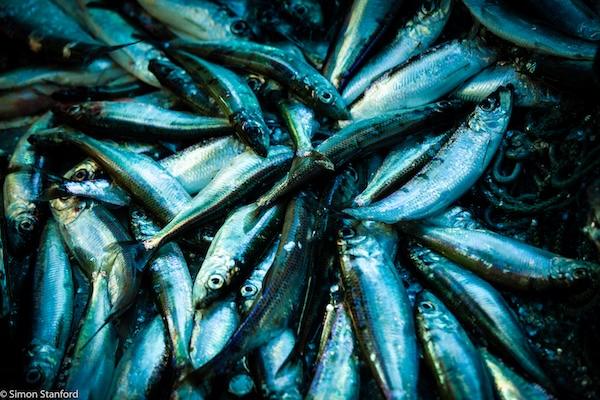
73 per cent want to ban large-scale fishing for fishmeal in the Baltic Sea.
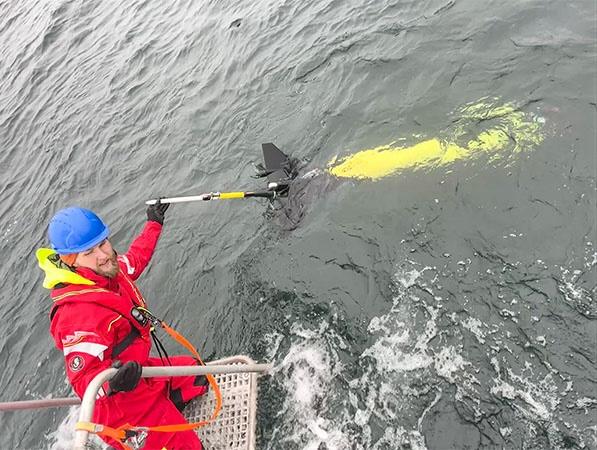
The ocean tells us about the state of our planet - today and in the future. The EU has now decided to allocate more funds to improve coordination and data collection. The so-called Ocean Eye initiative, with an initial budget of €50 million, aims both to safeguard Europe’s independence and to invite international partners to participate in the vital work of gathering observations above and below the surface.
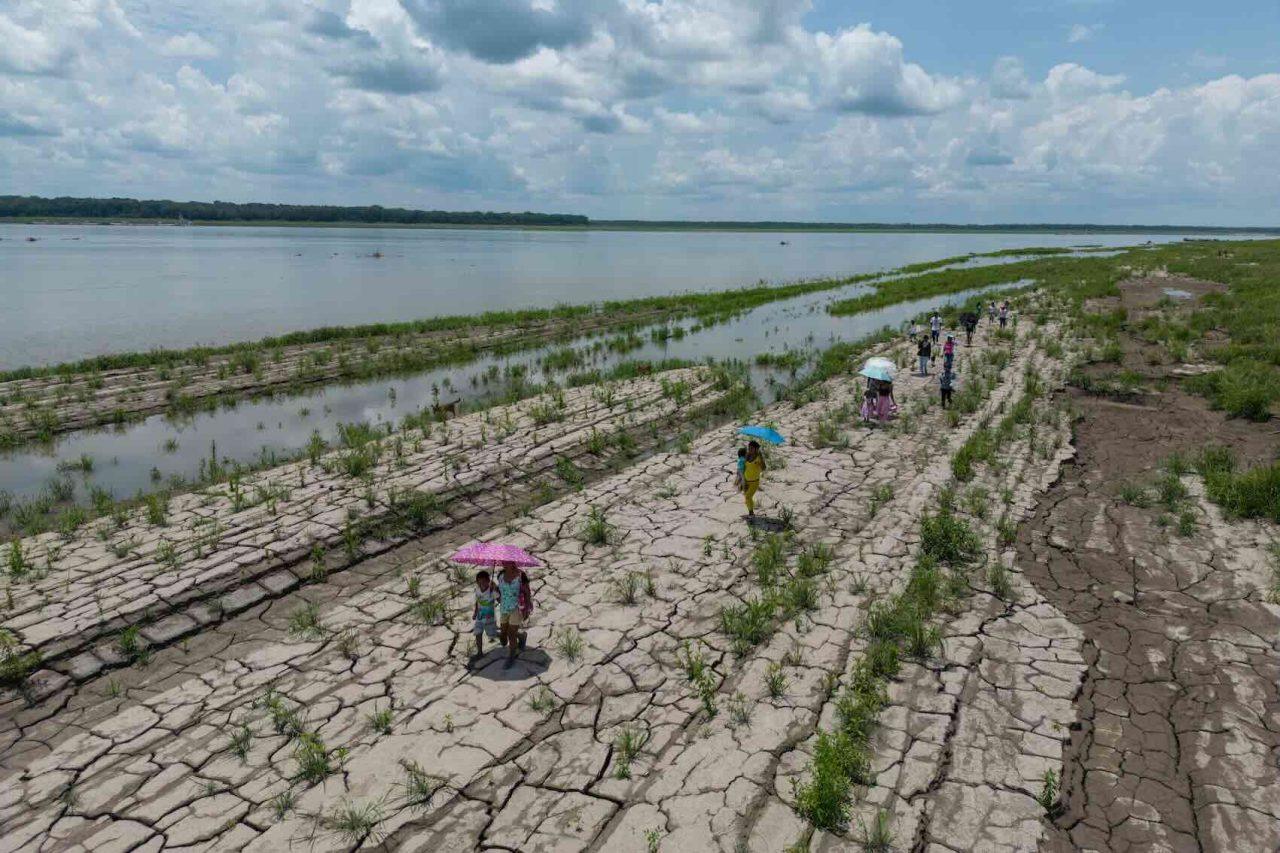
The El Niño weather phenomenon is in full swing and is expected to cause weather disturbances until at least February next year, according to the World Meteorological Organisation (WMO).
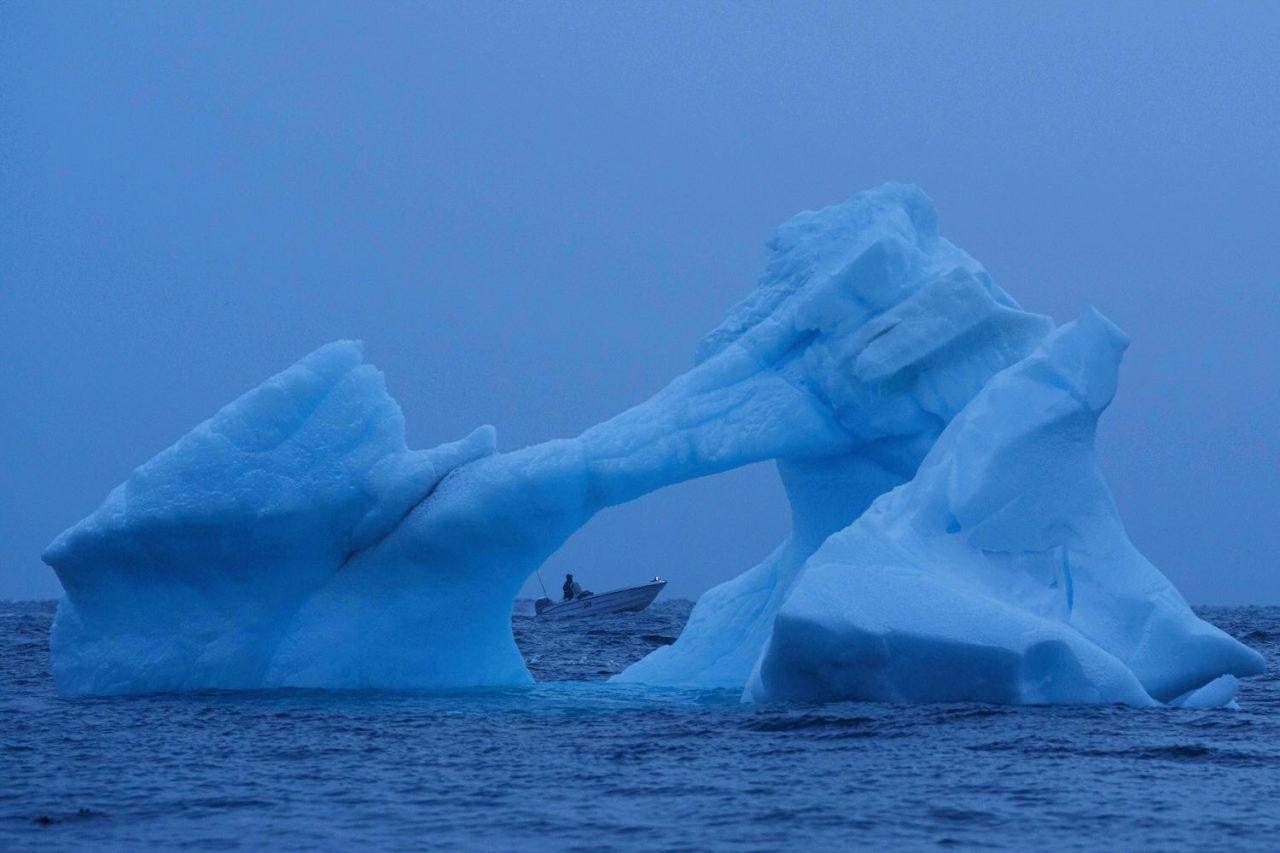
Is the Gulf Stream on the verge of collapsing and causing chaos in the Earth’s climate? Several high-profile reports have warned that this is about to happen. But this is one of the few climate issues on which the scientific community remains deeply divided. Men frågan är en av få klimatfrågor där forskarvärlden fortfarande är djupt oenig.
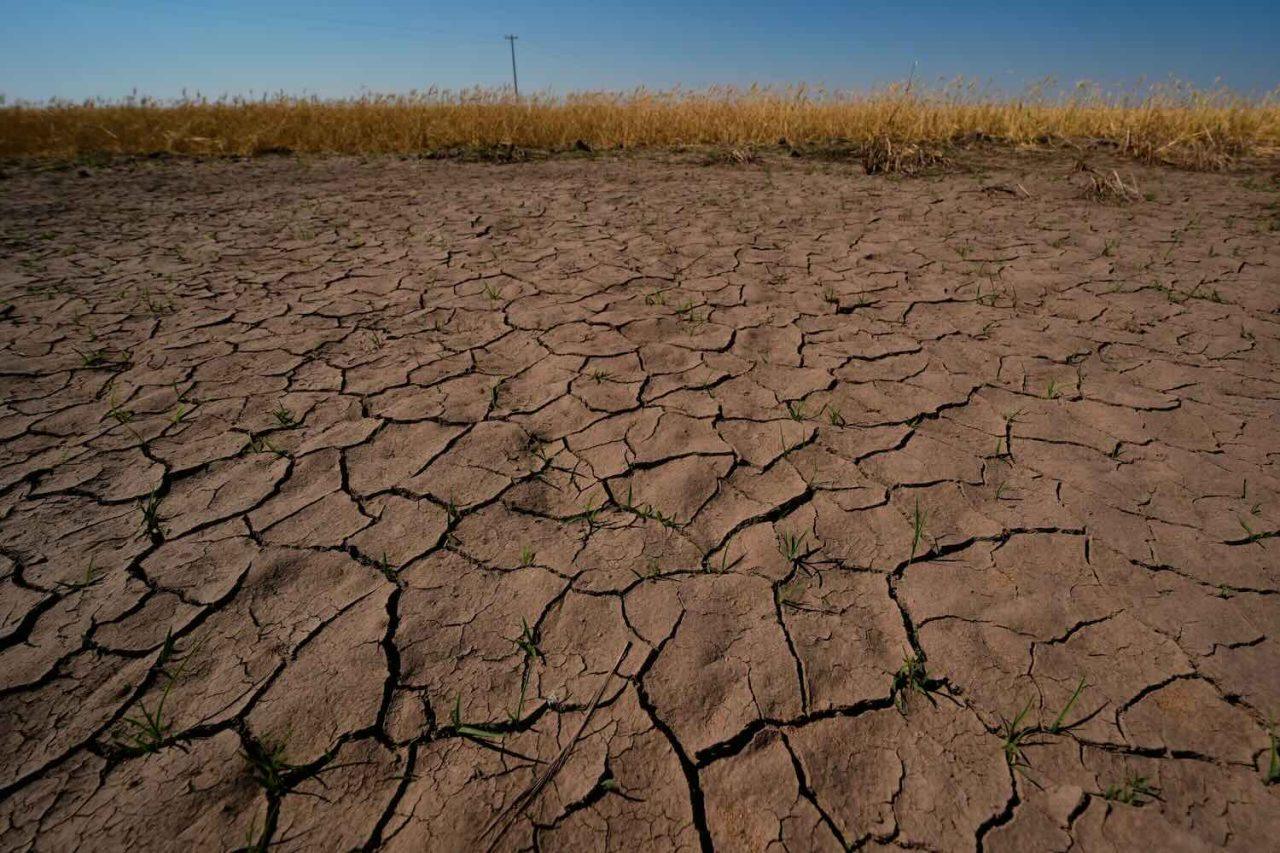
According to a new study, the El Niño weather phenomenon is becoming more intense as a result of climate change.
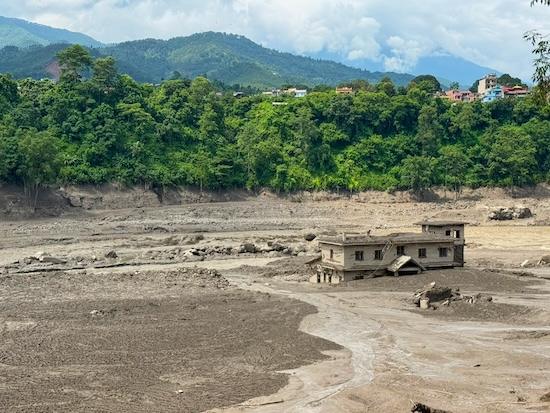
A collapsing glacier and a landslide are likely to have triggered the mudslide disaster in Nepal.
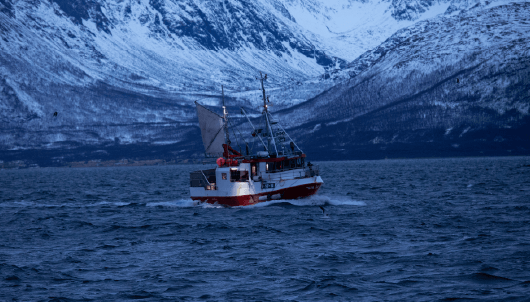
The herring and cod off the coast of Northern Norway almost disappeared completely when new methods made it possible to catch ever-increasing quantities. But when the sea had been almost depleted, fishing was halted, and since then the fish have slowly returned.
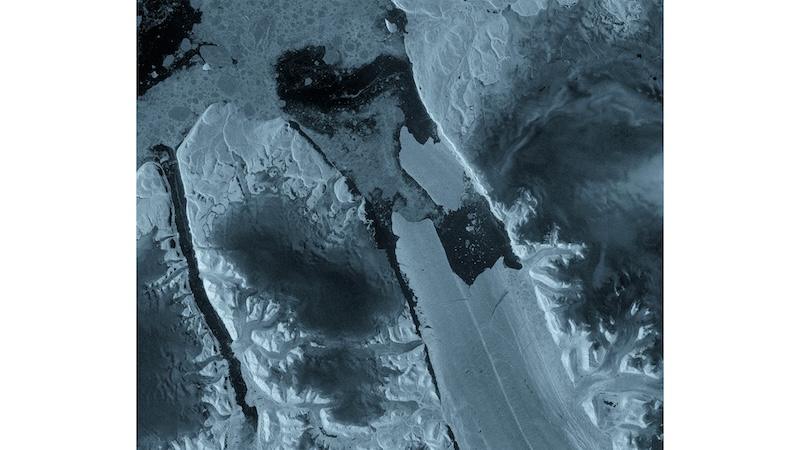
An iceberg larger than Manhattan has broken away from the Petermann Glacier. The iceberg, which broke away on 4 August, measures 76 square kilometres and is 150 metres thick – the largest in the Arctic since 2020. The European Space Agency (ESA) compares its size to the New York island of Manhattan. From a Swedish […]
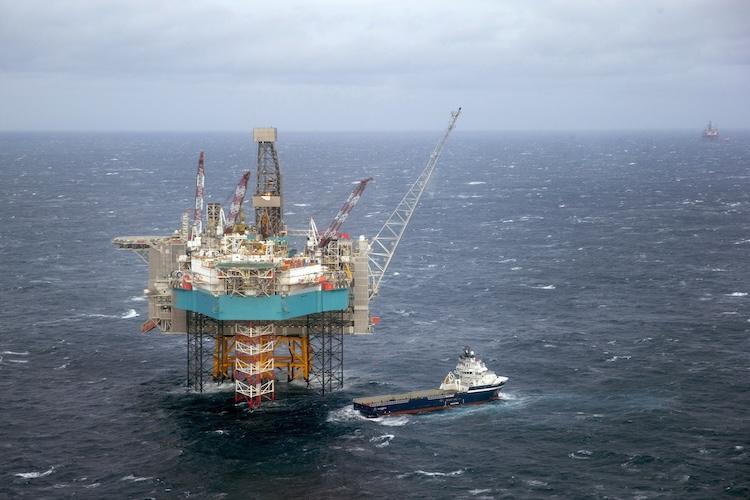
Norway will continue to drill for oil in the Barents Sea even if the EU extends its moratorium on such activities, according to Norway’s Energy Minister Terje Aasland (Labour Party). Continued activity in the Barents Sea benefits both Norwegian and European interests, says Terje Aasland in an interview with the Reuters news agency ahead of […]
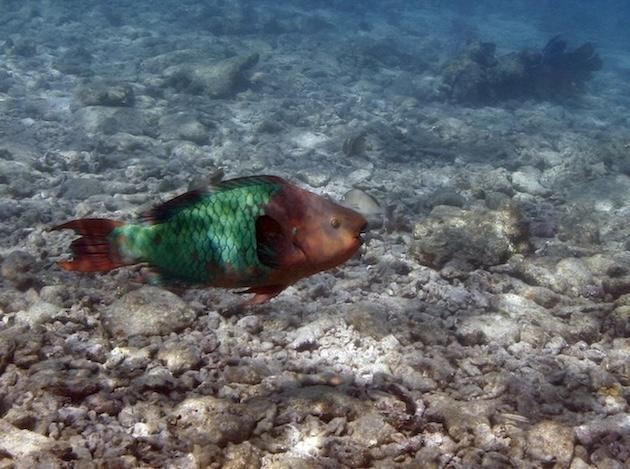
The average sea-surface temperature has exceeded 21.1 degrees. It has not been this warm for as long as records have been kept. The record was set on 21 August, according to the EU’s Copernicus Climate Change Service, whose data series outside the polar regions dates back to 1979. What stands out is that the temperature […]
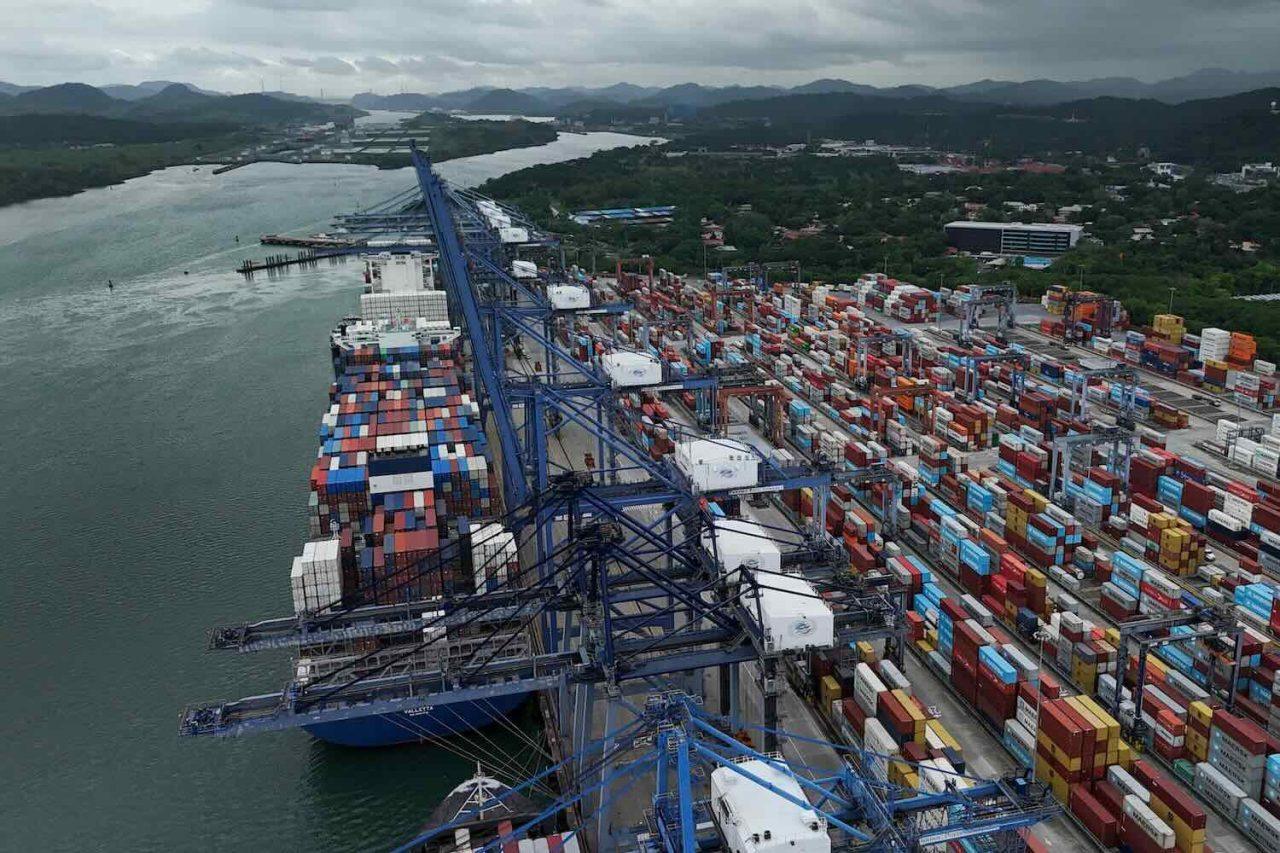
From next month, fewer ships will be allowed to pass through the Panama Canal. The reason is the drought, which has been made worse by the El Niño weather phenomenon.
The ocean’s remarkable ability to absorb almost all the excess heat we produce is beginning to wane. There are many reasons for this, and the ones that receive the most attention in the media and in research are global warming and the fact that the water is becoming increasingly acidic. But what is also happening is a rapid loss of dissolved oxygen. Put simply, the sea is running out of oxygen. And a sea that is gasping for breath is a cause for concern for the entire planet.
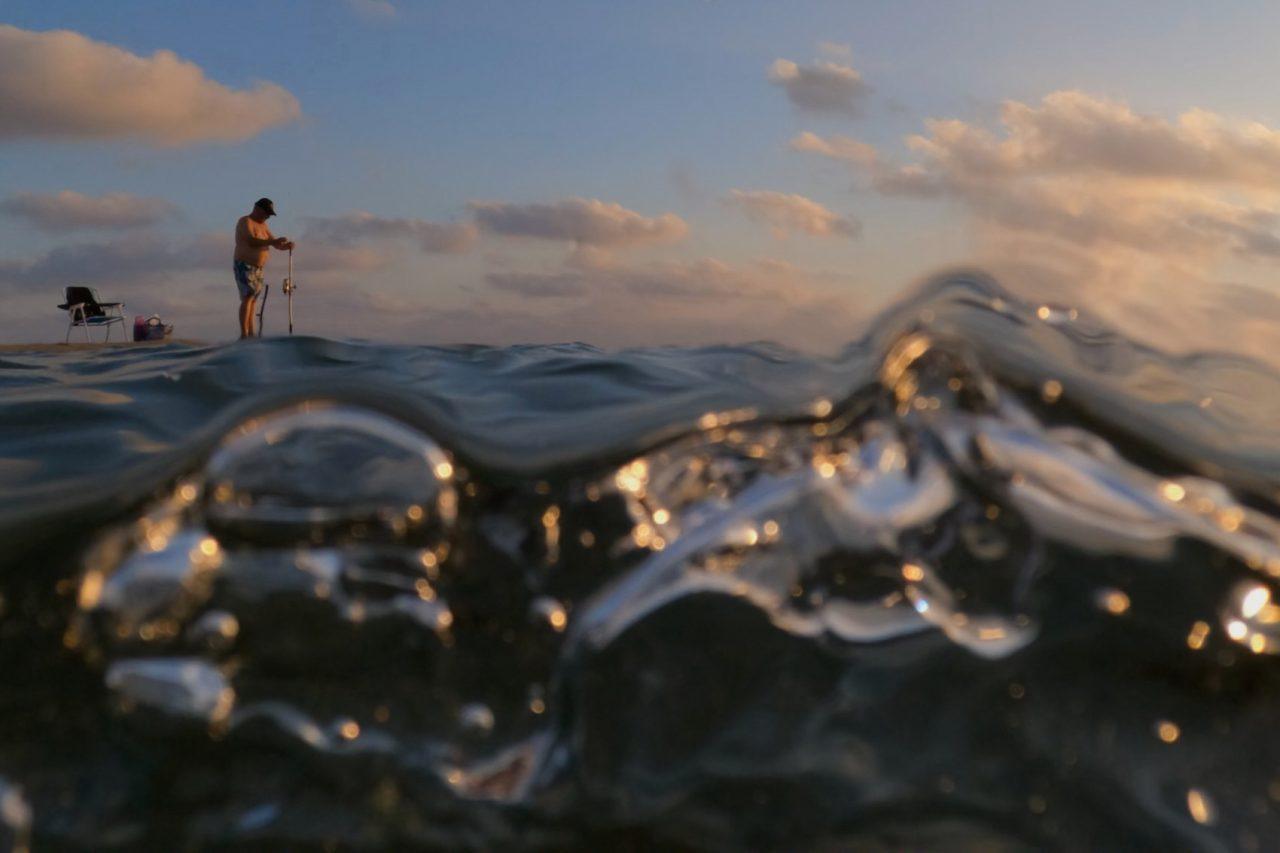
Octopuses appearing off the coast of Scotland and ‘paddling pool’ temperatures of 33 degrees off the coast of Mallorca. For two weeks in July, parts of the Mediterranean were warmer than ever before. The WWA research network has now calculated that such temperatures would have been impossible without human emissions.
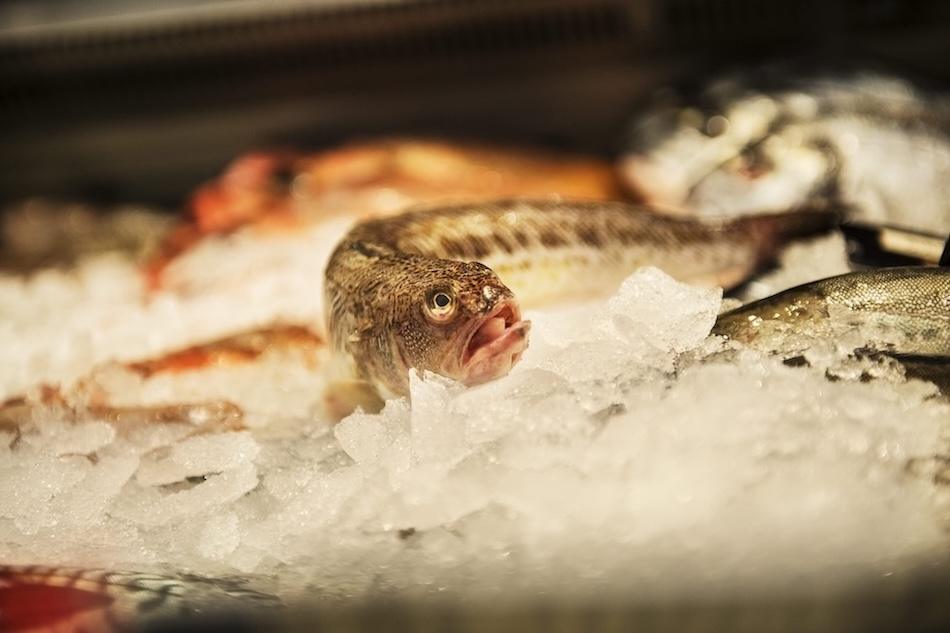
Never before have there been so many of the poisonous predatory fish known as the greater weever in the Kattegat. Commercial fishermen see commercial opportunities. But swimmers would rather avoid the creature that has been dubbed the ‘viper of the sea’. In just a few months this year, Danish fishermen have caught 800 tonnes of […]
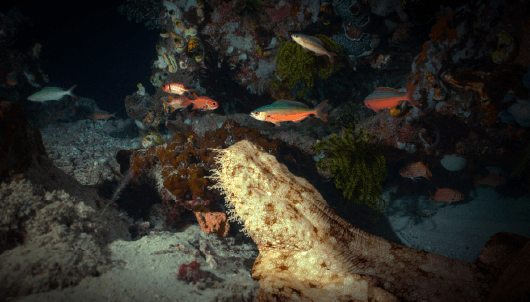
During a night dive in Raja Ampat, Indonesia, documentary filmmaker Johan Candert manages to film a wobbegong shark catching its prey. “In the hundreds of dives I’ve done here, I’ve never seen that,” says Mark Erdmann, an ecologist specialising in coral reefs, who lives and works in Raja Ampat for much of the year.
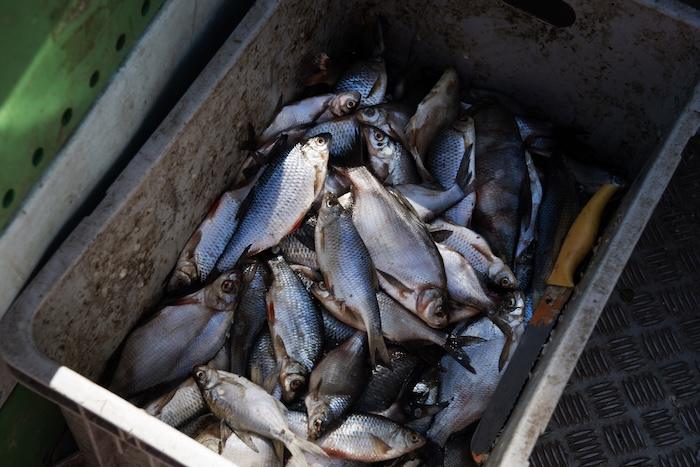
To help boost a fish stock in crisis in the Baltic Sea, CCTV is now being introduced on all fishing vessels over 24 metres, according to the organisation, Vi svenska fiskare. The initiative comes from both the Swedish and Danish fishing industries, which have observed how fish stocks are being affected by eutrophication, oxygen depletion […]
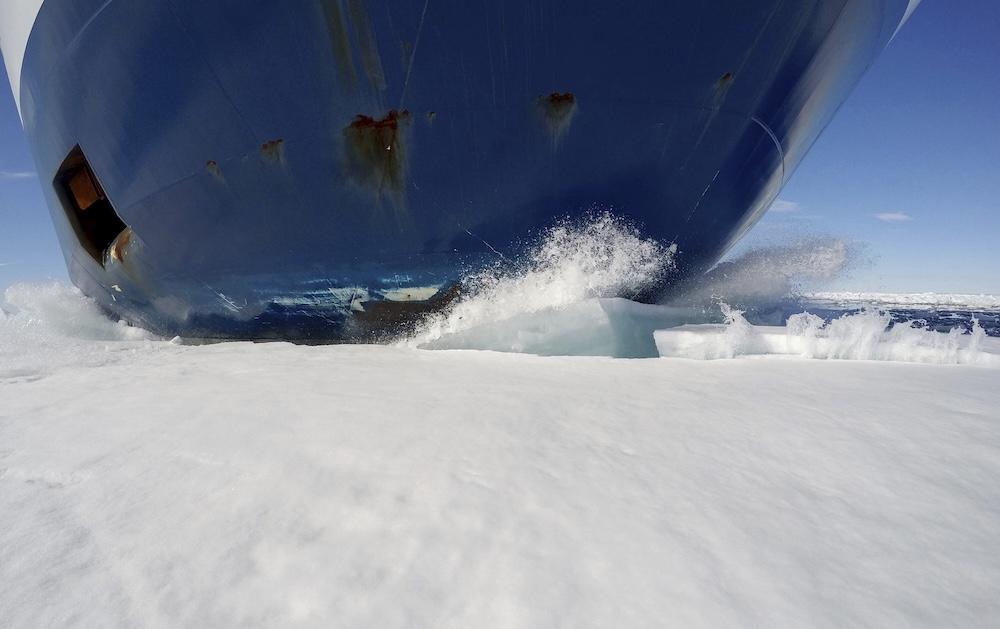
The Arctic has become a faster alternative for ships transporting goods between Europe and Asia, reports the Financial Times. This week, the Chinese company Sea Legend is launching a regular service on what the shipping company calls the “ice route” through the Arctic Ocean. The company will be transporting containers between Ningbo in China and […]
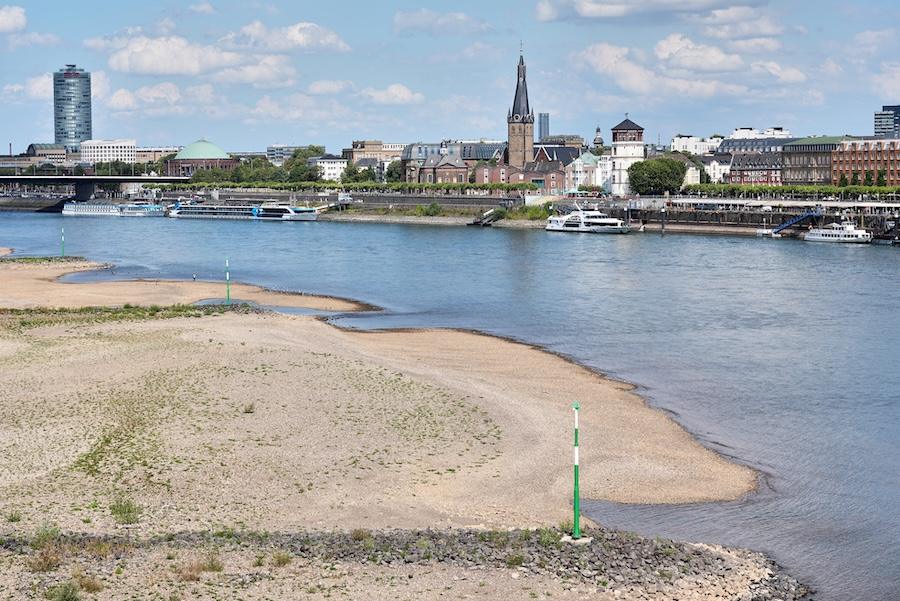
Western Europe is experiencing its hottest summer to date, and the sea has never been warmer during the month of July.In Western Europe, a persistent high-pressure system has made the period from June to July the hottest on record, according to the EU’s Copernicus Climate Change Service. The heat is exacerbated by dry ground, which […]
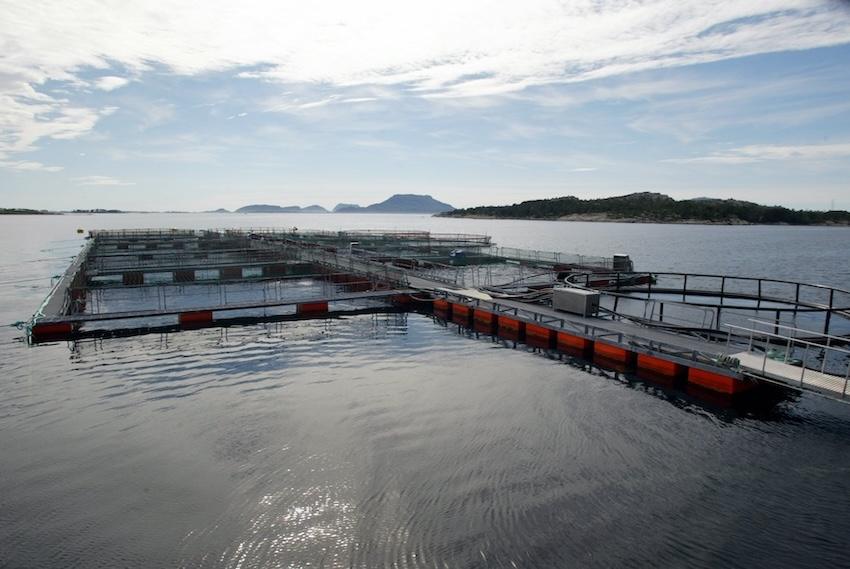
This autumn, you’ll be able to find Swedish-farmed rainbow trout in supermarkets across Sweden. Fish farmers in the country are making a major push through an initial agreement with the ICA supermarket chain, both parties have confirmed. However, the expansion of Swedish farmed fish is drawing fierce criticism. Until now, Swedish consumers have been accustomed […]
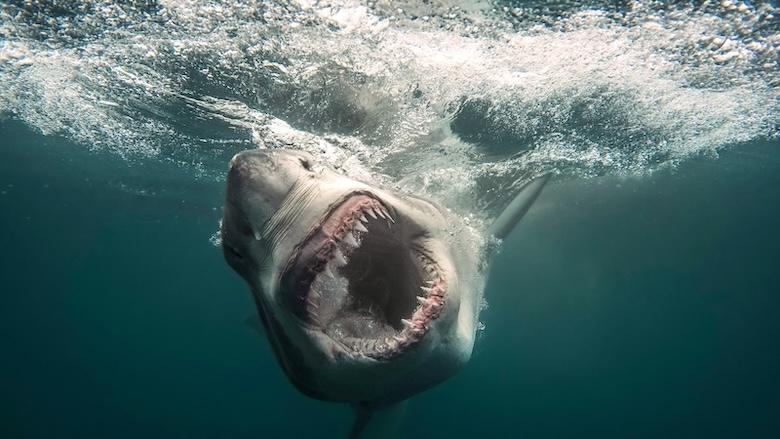
Large numbers of young great white sharks are expected off the Californian coast as the El Niño weather phenomenon intensifies, and researchers are warning of a ‘shark summer’. The sharks are not coming alone – the warm water from the south is also bringing with it stingrays and venomous sea snakes. Normally, colder, nutrient-rich water […]

