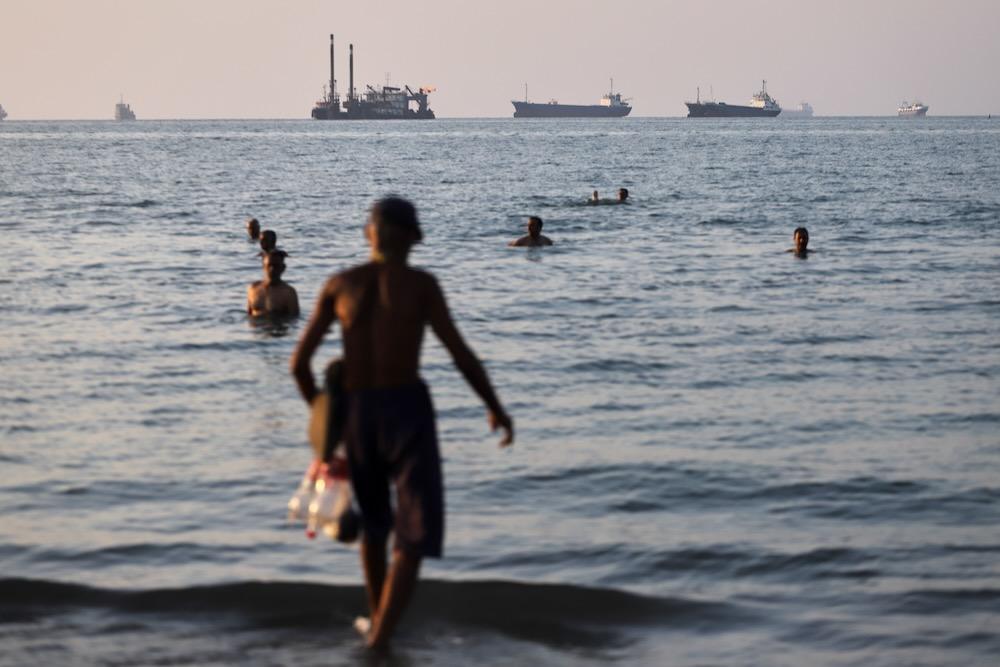
Invasive species from the Strait of Hormuz could cause “super-spread” and biological chaos, researchers warn in a new study. ´If you’d set out to design the worst-case scenario, I’m not sure you could have done any better,´ the lead author tells The Guardian. The 1,500 cargo ships that have been stranded in the Strait of […]
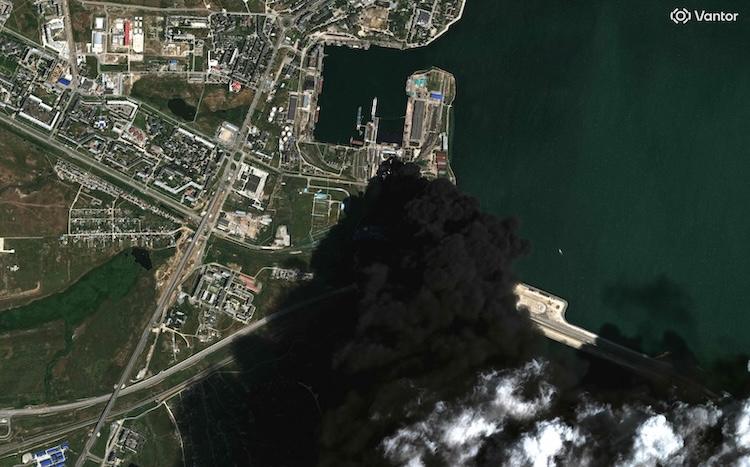
Overnight alone, Ukraine claims to have attacked around 20 Russian oil and gas vessels in the Black Sea. The new strategy involves extending an intensive offensive from the Sea of Azov. ´ The first round of the naval battle is over. Now we’re taking the Black Sea,´ explains Ukraine’s drone commander Robert “Majdar” Brovdi, according […]
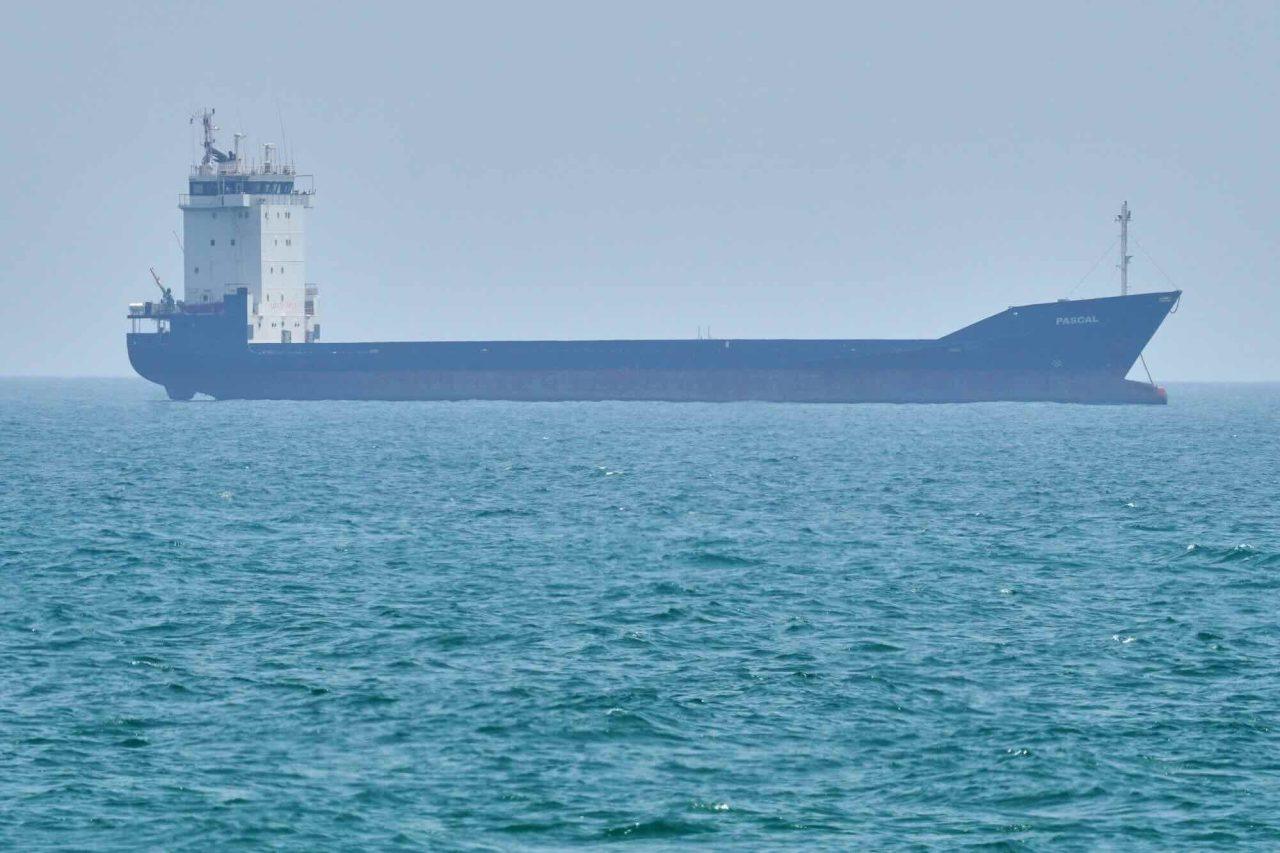
A tanker has been damaged in an explosion off the coast of Oman, according to the UK Maritime Trade Operations (UKMTO).
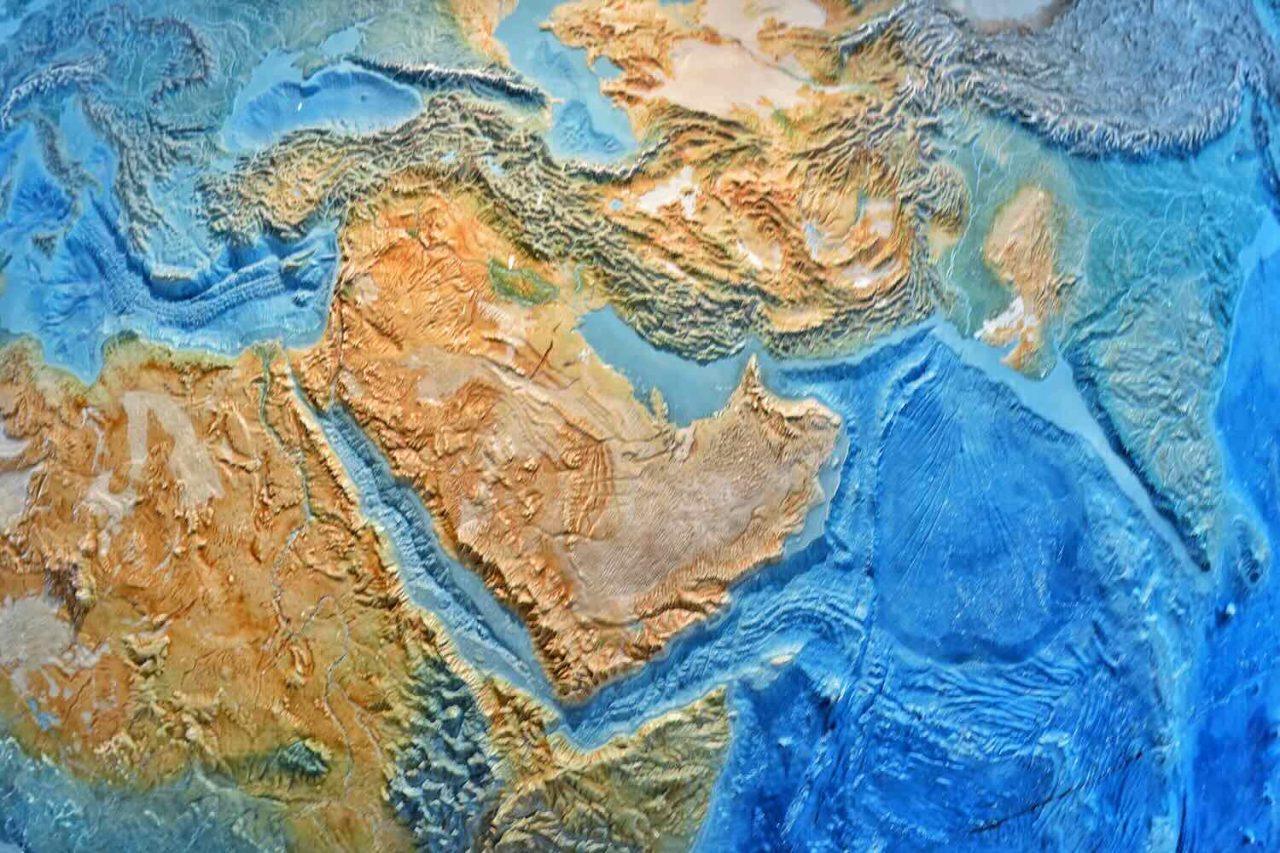
As the war between the United States and Iran enters its third week, it is clear that the intensified fighting is also having devastating consequences for the fragile marine life in the Persian Gulf and the Gulf of Oman.

A coalition will be formed to reopen and secure shipping routes in the Persian Gulf and the Red Sea, French President Emmanuel Macron has announced.

The ship Fitburg, which was seized by Finnish police last week, will be escorted out of Finland into international waters on Monday, according to the National Bureau of Investigation.

The strategic importance of the Arctic is only growing, according to NATO's Supreme Allied Commander in Europe, American General Alexus Grynkewich. And Sweden plays an important role there.

For the first time in half a century, Sweden is investing in large modern warships. The new frigates cost billions and can hunt submarines, act as floating air defence and secure the vital sea route to Sweden.

Norway and the United Kingdom are to enter into a new defence agreement which, among other things, will involve a joint fleet of warships ‘hunting Russian submarines,’ according to the British government.

When scientists study the Black Sea’s coastal seaweed forests, they often dive beneath the surface to see them in person. Formed by two species of brown algae in the genus Cystoseira, these ecosystems can look dull from a distance. “But when you actually dive deeper, you can see the biodiversity, and these various interesting invertebrates and fish species which are moving there,” says marine biologist Sofia Sadogurska.
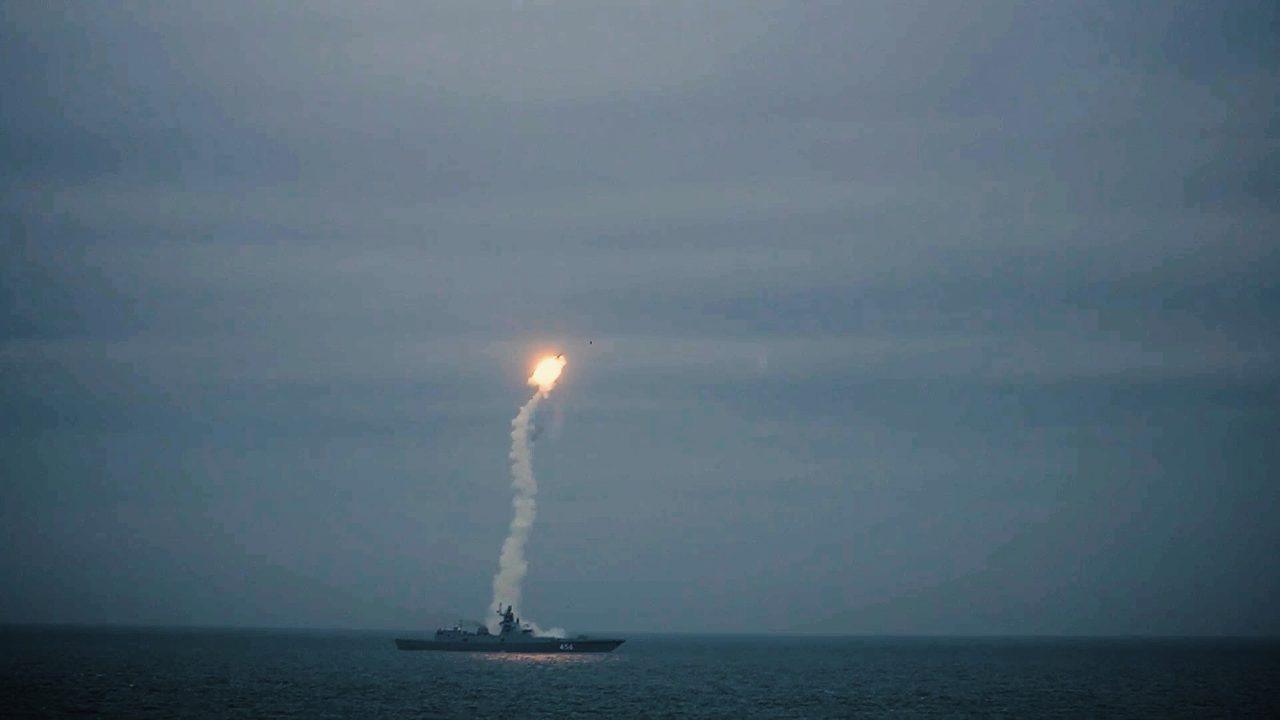
Swedish and other Western technology has been used to build a Russian surveillance system along the Arctic seabed, according to an investigation by the Swedish SVT News and several international media outlets. Among other things, this involves underwater robots from Saab.
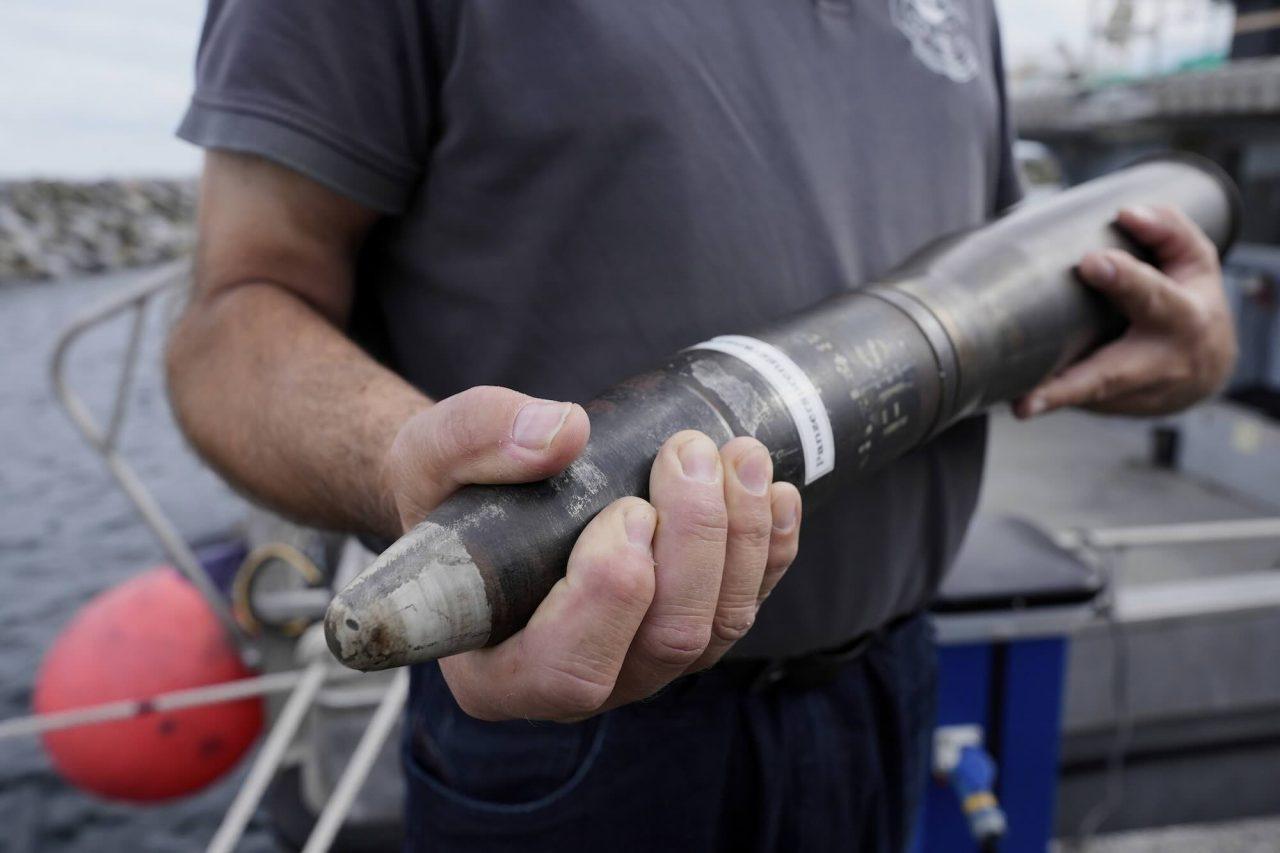
1.6 million tonnes of ammunition are rotting on the seabed of the Baltic and North Seas. This rubbish from the Second World War is a ticking time bomb. As the casings rust, they release chemicals that slowly poison the seas.

Every year, a small group of harbour porpoises traverses a narrow strait from the Black Sea to the Sea of Asov, then returns again, in a natural migration cycle. Since prehistory, these Black Sea porpoises have been isolated, evolving separately from other porpoises, becoming smaller, but with larger snouts. They’re sleek and cute, with eyes and mouths that have the perpetual hint of a smile.

The NATO exercise Baltops, which begins tomorrow in the Baltic Sea, is, according to Russia, ‘extremely provocative’. The exercise, in which Sweden and the United States are participating, is seen as a build-up to combat against Russia.

Russia is taking measures to protect its sanctions-evading ‘shadow fleet,’ according to state-controlled media. The Russian navy is said to have begun escorting the ships through the Baltic Sea.

