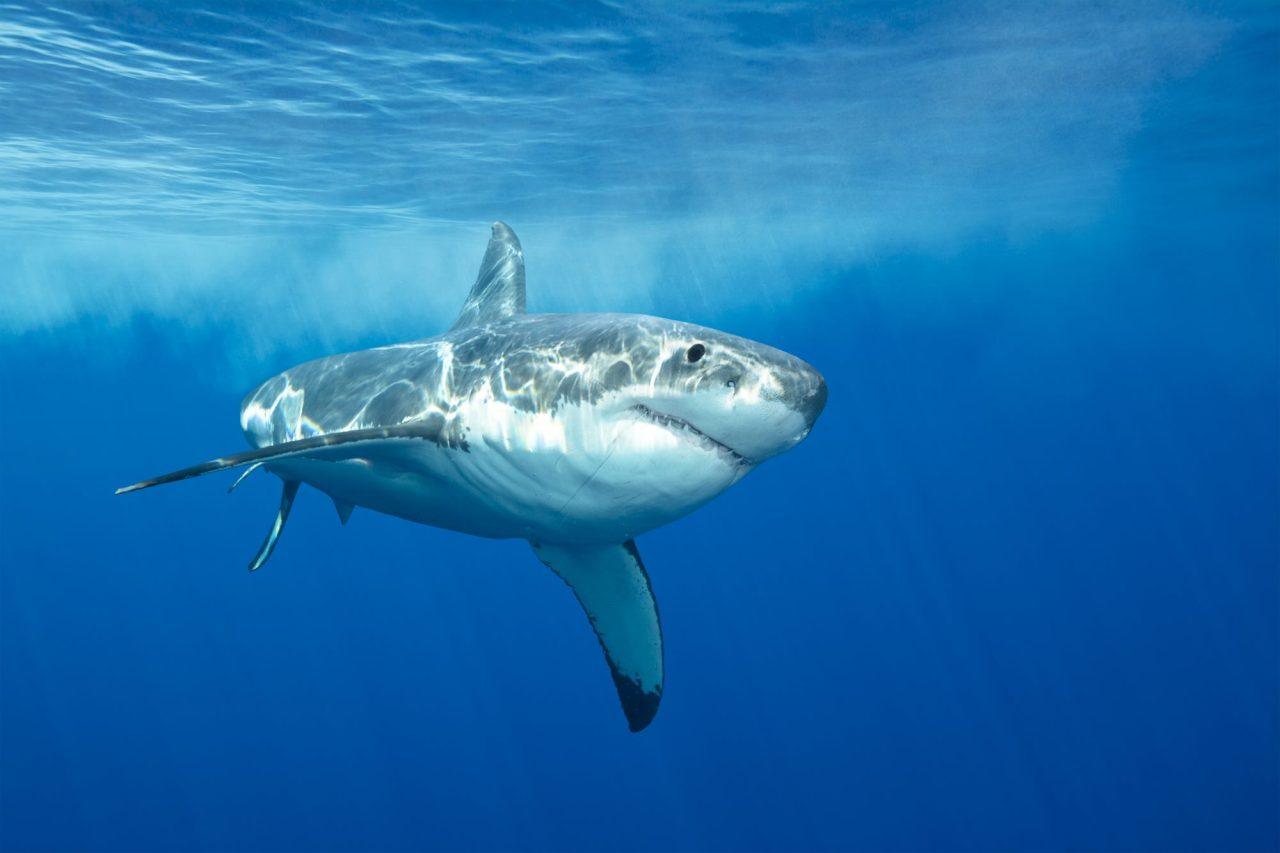
New research shows that larger warm-blooded fish species, such as sharks and tuna—known as mesotherms—are at risk of overheating as sea temperatures rise.
From 3 April this year, commercial fishing is permitted within the Northeast Canyons and Seamounts Marine National Monument. The area, which covers a surface area as big as Connecticut, is located in the Atlantic Ocean off the US east coast and was established to protect and preserve these unique and pristine marine environments for future generations.

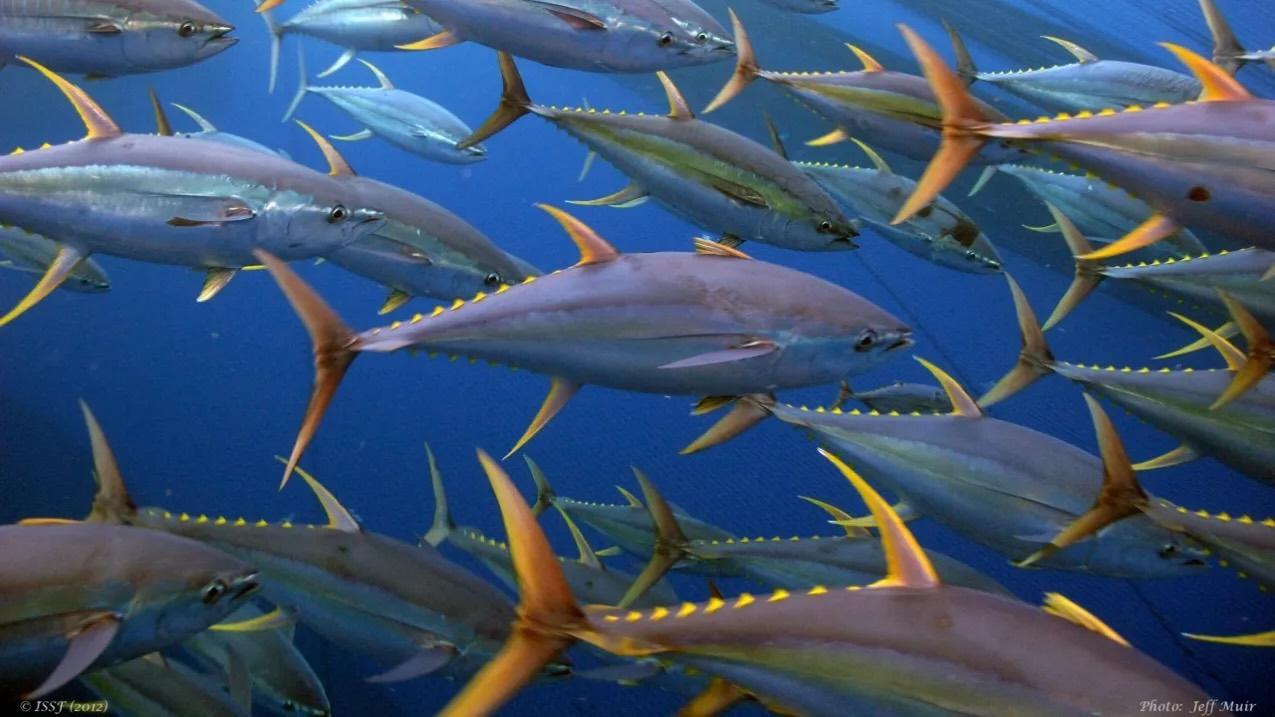
Tuna is usually caught using longlines, which the UN has classified as the fishing method with one of the highest levels of bycatch of all gear types. On average, bycatch in longline fishing accounts for more than a quarter (28%) of the total catch. Not only tuna are caught in the hooks, but also sharks, sea turtles, swordfish, seabirds, dolphins, juvenile fish, and other fish species. In the Azores, they have taken a different approach. By combining centuries-old craftsmanship with a large network of marine protected areas, they have managed to achieve both large catches and more fish remaining in the sea.

It thrives and happily jumps over the surface of the water. Öresund has become a haunt for the formerly outfished bluefin tuna. - I have never experienced so much tuna before, says marine biologist Jens Peder Jeppesen at the Öresund Aquarium in Helsingör.

Deep Sea Reporter on research expedition at Skagerrak, to catch and tag the protected bluefin tuna

