The Outlaw Ocean Project is a non-profit journalistic organisation, based in Washington D.C. USA. They produce investigative journalism on human rights, labour conditions and environmental issues at sea.
Stowaway murders, arms trafficking, illegal fishing, pollution, dumping, drilling, and human slavery on fishing vessels are all topics covered by The Outlaw Ocean Project.
The organisation was founded and is led by Ian Urbina, who in 2015 produced a series of articles in The New York Times that resulted in a subsequent best-selling book.
We have had the opportunity to publish their material, alongside a range of newspapers and magazines in the US and around the world. Our first publication from them, was about the Chinese fishing fleet as a maritime superpower. Fishing far out to sea where no country’s laws reach, they fish more than any other nation right now. And it comes at a terrible human cost.
The links in the articles go to the Outlaw Ocean Project’s website, where verifications and source references to the material are located.

In 2015, an infamously-scofflaw fleet of more than 70 bottom trawlers from Thailand fished in the Saya De Malha Bank, a submerged plateau the size of Switzerland that lies in the Indian Ocean between Mauritius and Seychelles. The trawlers dragged their nets over the ocean floor, scooping up various types of forage fish, as well as brushtooth lizardfish, round scad, and sharks. Their catch would be turned into protein-rich fishmeal that gets fed to chickens, pigs, and aquaculture fish.

For the past decade, the mining industry has argued that the ocean floor is an essential frontier for precious metals needed in the batteries used in cell phones and laptops. As companies eye the best patches of ocean to search for the precious sulfides and nodules, widely dubbed “truffles of the ocean,” the waters near the Saya de Malha Bank—a submerged plateau the size of Switzerland in the Indian Ocean between Mauritius and Seychelles—have emerged as an attractive target.
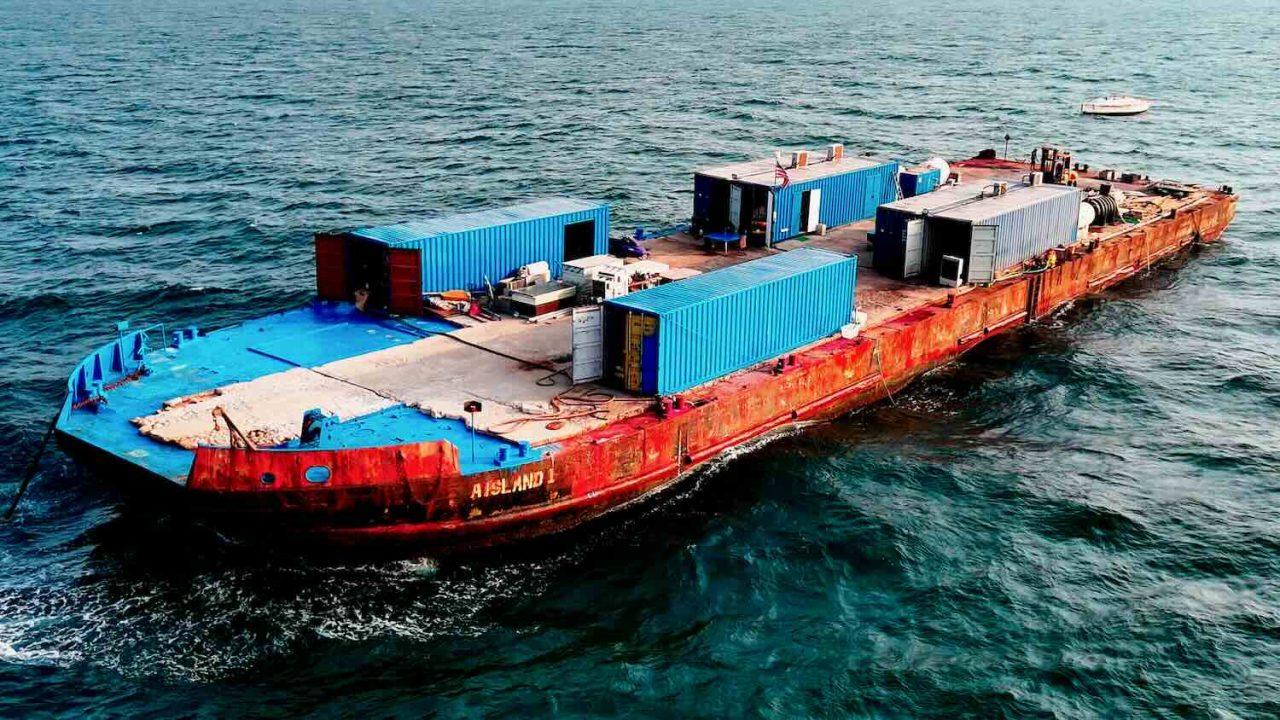
Vast and sometimes brutal, the high seas are also a place of aspiration, reinvention and an escape from rules. This is why the oceans have long been a magnet for libertarians hoping to flee governments, taxes and other people by creating their own sovereign micronations in international waters.

In October 2022, a British-American couple, Kyle and Maryanne Webb, were sailing their yacht through a remote area of the Indian Ocean between Mauritius and Seychelles, just south of the Saya de Malha Bank, the world’s largest seagrass field.

In November 2022, several scientists in scuba gear dove over the side of a 440-foot research ship, which had been sent to the Saya de Mahla Bank, a vast seagrass meadow in the Indian Ocean between Mauritius and Seychelles, more than 200 miles from land. Their goal that day was to film sharks.

The Saya de Malha Bank is so existentially crucial to the planet because it is one of the world’s biggest seagrass meadows and thus carbon sinks. Much like trees on land, seagrass absorbs carbon dioxide from the atmosphere and stores it in its roots and soil. But seagrass does it especially fast—at a rate 35 times that of tropical rainforest. What makes the situation in the Saya de Malha Bank even more urgent is that it’s being systematically decimated by a multi-national fleet of fishing ships that virtually no one tracks or polices.

The most important place on earth that virtually no one has ever heard of is called the Saya de Malha Bank, which has been called the world’s largest invisible island. Situated in the Indian Ocean between Mauritius and Seychelles, more than 200 miles from land, the Bank extends over an area the size of Switzerland and is home to the world’s largest seagrass fields, which make it the planet’s most important carbon sink.

Did the China Investigation Have Impact? The short answer is, in large measure, yes. But in some ways, no.

The size and behavior of the Chinese fishing fleet raises concerns. Seafood is the world’s last major source of wild protein and the largest globally traded food commodity by value. Western political analysts say that having just one country controlling this precious resource creates a precarious power imbalance.
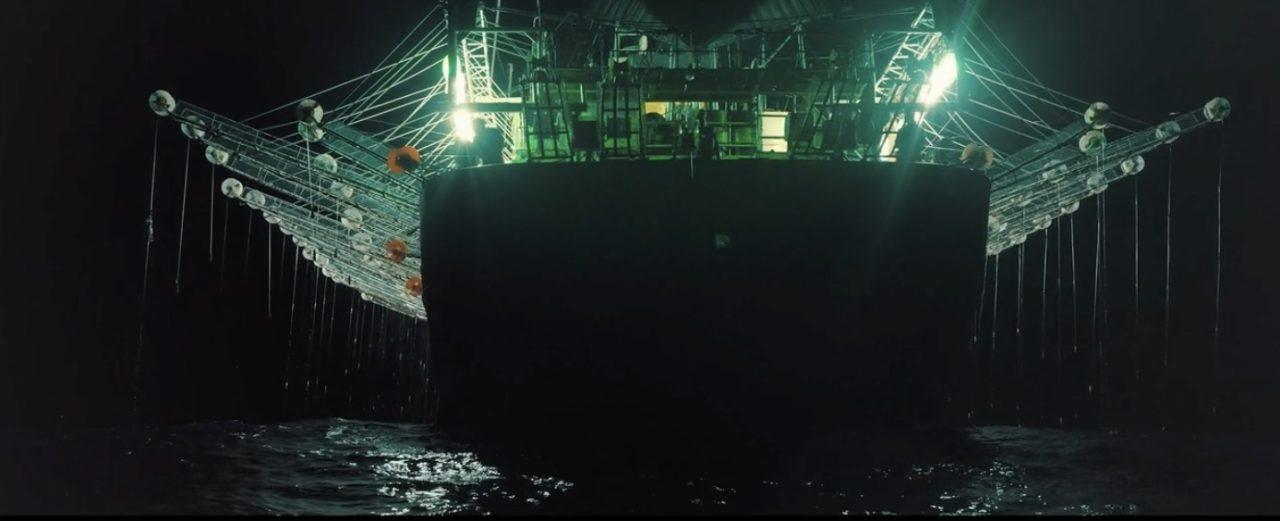
China has the world’s largest distant-water fishing fleet, catching billions of pounds of seafood annually, the biggest portion of it squid.
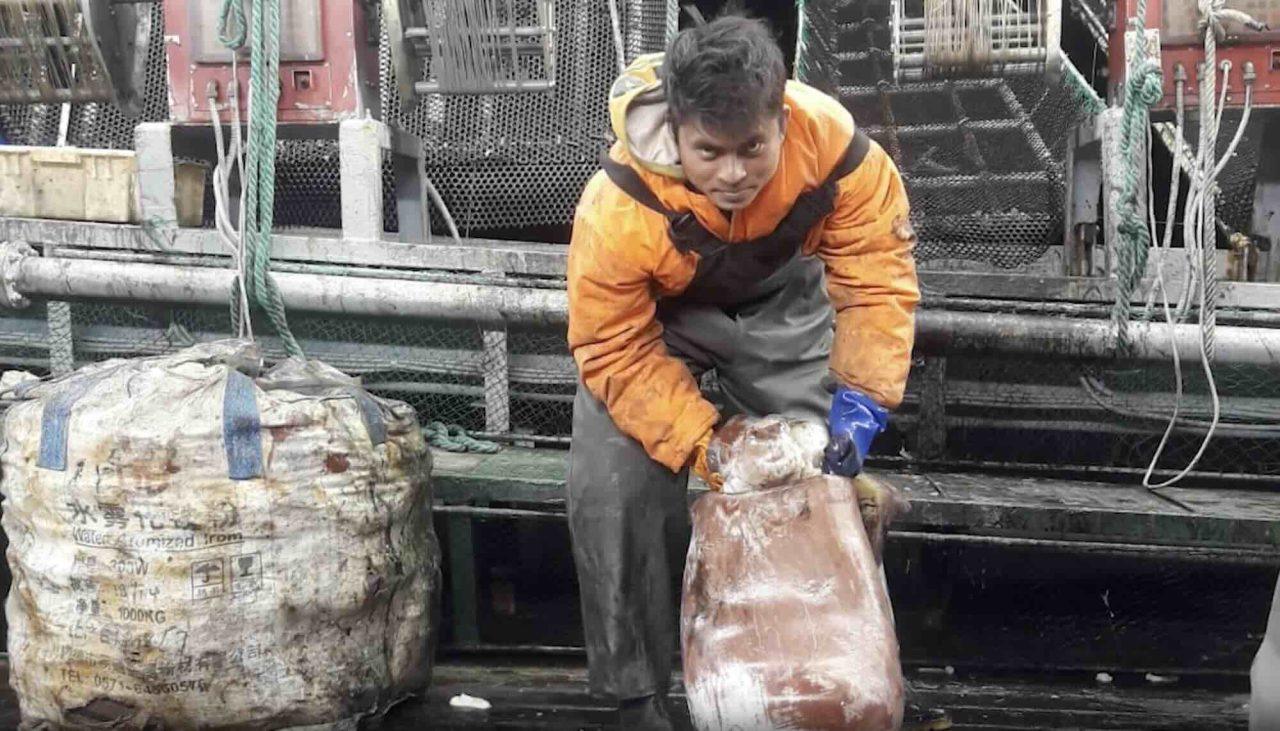
The dark chronicle of a squid jigger and a man trafficked onto it.
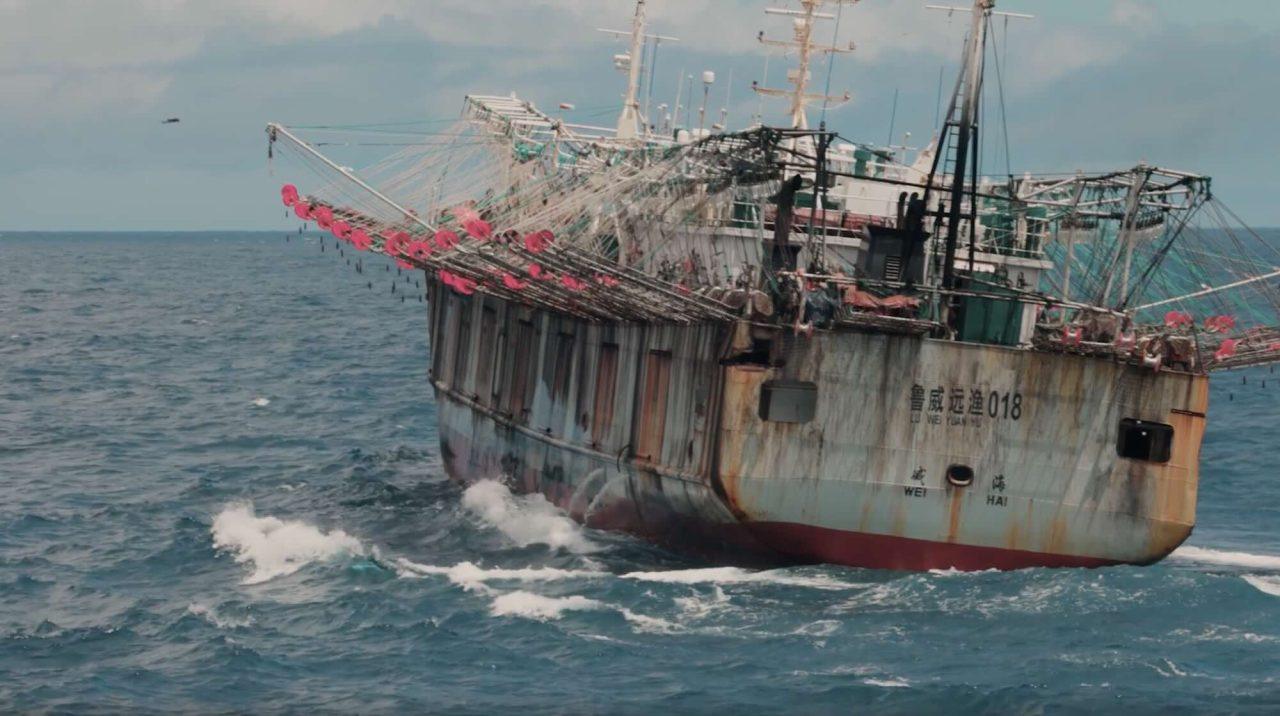
An exploration of the motivations and methods behind China’s growth and control over fishing across most of the high seas.

Daniel: The tragic tale of an Indonesian deckhand and his brutal voyage on a Chinese squid ship.

The Chinese fishing fleet is a great power on the sea. It fishes far out to sea where no country's laws reach, and it fishes more than any other nation right now. And it does so at a terrible human cost.

China uses thousands of workers from the Hermit Kingdom, in violation of U.N. sanctions and U.S. law. Many at the plants recounted rampant sexual abuse.

China forces minorities from Xinjiang to work in industries around the country. As it turns out, this includes processing much of the seafood sent to America and Europe.
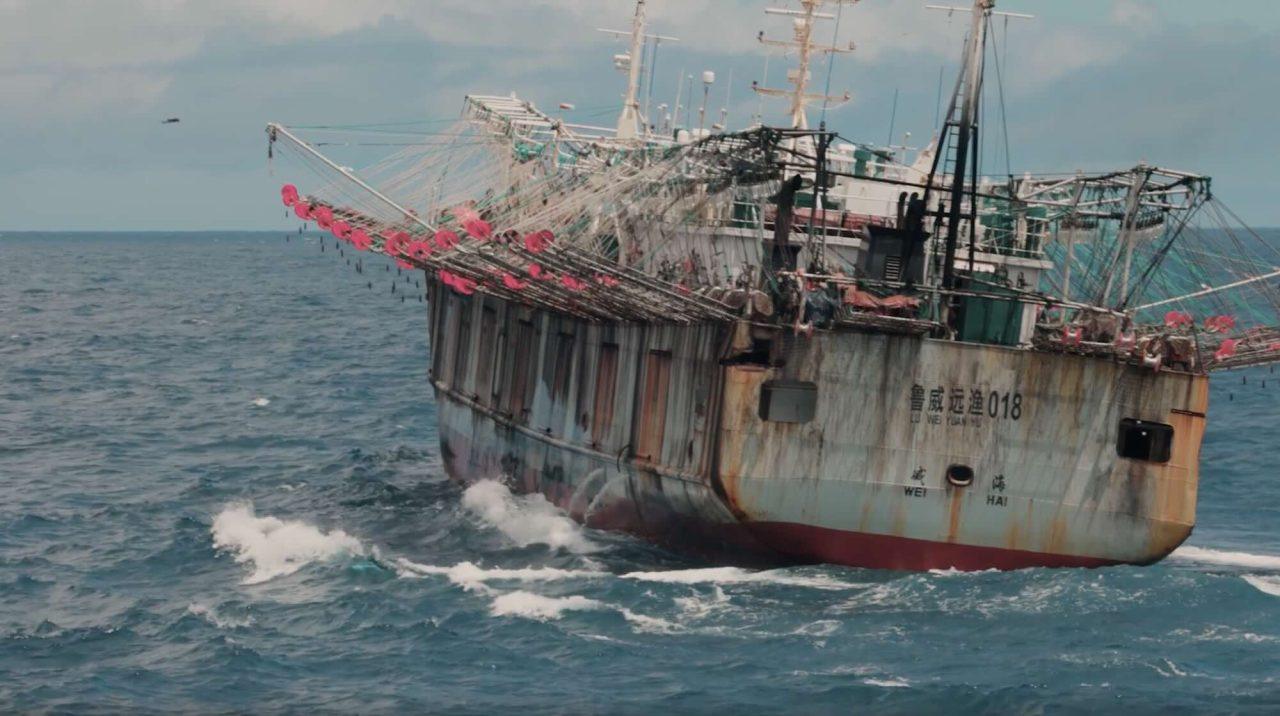
An exploration of the motivations and methods behind China's growth and control overfishing across most of the high seas.

