More than 70 percent of the Earth’s surface is covered by water and it is sometimes referred to as “the blue planet.” Most original life forms evolved in the ocean, and to this day, the marine environment maintains a biodiversity not found in any other ecosystem. Humans are highly dependent on the ocean.
The expression “the seven seas” was used in the past by sailors who sailed across all the world’s oceans. These include the North Pacific Ocean, South Pacific Ocean, North Atlantic Ocean, South Atlantic Ocean, Arctic Ocean (Northern Ocean), Southern Ocean (Antarctic Ocean), and the Indian Ocean. The world ocean, also known as the oceans, is defined as the interconnected water area surrounding the Earth’s continents. The world ocean is divided into three oceans: the Pacific Ocean, the Atlantic Ocean, and the Indian Ocean, with the Pacific Ocean being the largest, covering over 30 percent of the Earth’s surface. Sometimes, the Antarctic Ocean is also considered a separate ocean. The three oceans include delimited seas or sub-seas. A sub-sea or semi-enclosed sea is a delimited part of an ocean. For example, the North Sea, the Arctic Ocean, and the Mediterranean Sea are sub-seas of the Atlantic Ocean.
Several of the world’s seas are relatively warm, but the average temperature of the world’s oceans is only around 3.5 degrees Celsius. This is because the large deep-water basins consist of cold polar water.
A large portion of the open sea areas does not belong to any individual country and is often referred to as the “high seas” or deep sea. These areas constitute almost half of the Earth’s surface, two-thirds of the world’s ocean area, and 95 percent of the world’s ocean volume. The deep sea is not subject to national laws and, in practice, belongs to everyone. The United Nations has long negotiated how these areas should be managed. After more than ten years of intense negotiations, the UN adopted a new binding treaty for the sustainable use of biodiversity in areas beyond national jurisdiction in 2023. This is a step towards fulfilling the global commitments of the international biodiversity agreement from 2022, where the goal is to protect at least 30 percent of the ocean by 2030.
Despite the ocean being a place where various organisms thrive, there are many extreme environments in the sea. From temperatures below freezing to near boiling points in hot underwater springs. Where the sea meets the land, the waves are powerful, UV radiation is high, and it is home to a large biodiversity. Some organisms utilize a wide range of habitats, while others specialize in a single type of environment.
The deep sea is a hostile environment for us humans. At a depth of 30 meters, most light is gone, at 70 to 80 meters, most of the oxygen disappears, and the pressure at the bottom is high. Therefore, very little of the deep sea has been explored. In fact, barely five percent of the ocean’s depths have been explored by humans. Researchers also know less than they would like about the organisms that can live in the deep sea. Moreover, they cannot be brought up and studied in aquariums or laboratories because they are adapted to withstand the high pressure in the depths of the sea.
To live in the depths of the oceans, where light does not reach, animals must adapt to life in darkness. Many have large mouths, light organs, or large and extra light-sensitive eyes. There is also a diversity of microorganisms living in this challenging environment. The fact that life can exist under such extreme conditions without oxygen or sunlight has led researchers to consider that there might be life on other planets that we have previously thought to be lifeless.
Although we still know very little about the organisms of the deep, it is known that overfishing and bottom trawling can also affect deep-sea animals. Many organisms are still undiscovered and therefore at risk of disappearing if fishing continues as it has done so far.
The Mariana Trench in the Pacific Ocean is the world’s deepest place in the sea. The maximum depth is Challenger Deep, which is approximately eleven kilometers below the sea surface. At the same time, the average depth of the world’s oceans is about 3700 meters. Sweden’s deepest point is 560 meters in Bratten in Skagerrak, and the Baltic Sea’s deepest point, Landsort Deep at 459 meters, is west of Gotland.
Ecosystem services
The world’s oceans and seas are a significant asset for us humans. The oceans provide us with a multitude of services. To remind us of the importance of the oceans and the need to protect them, June 8th has been designated as World Oceans Day by the United Nations. But there are more reminders of how important the ocean is in our daily lives.
World oceans give us more than just food. They produce more than half of all the oxygen in the atmosphere through photosynthesis, absorb greenhouse gases, and contribute to tourism. Some well-visited tourist destinations at sea include Gotland, the Koster Islands, and other archipelago areas.
Additionally, hundreds of millions of people depend on fish and other resources from the sea. More than 38 million people are employed in the fishing industry worldwide. The oceans are also widely used as transportation routes.
Coastal ecosystems such as coral reefs, seagrass beds, and mangrove forests are crucial places for the young. They are also significant for people living on the coast as they act as a protection zone against floods, storms, and can serve as wave breakers and erosion protection.
TEXT: Lina Mattsson

Several species of large whales in the North Atlantic carry a potentially deadly virus. This is according to a study in which researchers used drones to examine the exhaled air of these enormous animals.

Deep Sea Productions is currently working on a film series that will be shown on IMAX and Giant Screen theatres worldwide. The film work has required many long flights and taken the team along dangerous roads to remote locations. Packing for such an expedition must be meticulously checked; absolutely everything must be included from the outset. Far out at sea, it is not possible to call for a forgotten battery to be delivered, for example. Simon Stanford heads up film production at Deep Sea Productions. Come along as Simon takes you behind the camera – where it can sometimes be more exciting than in front of it.
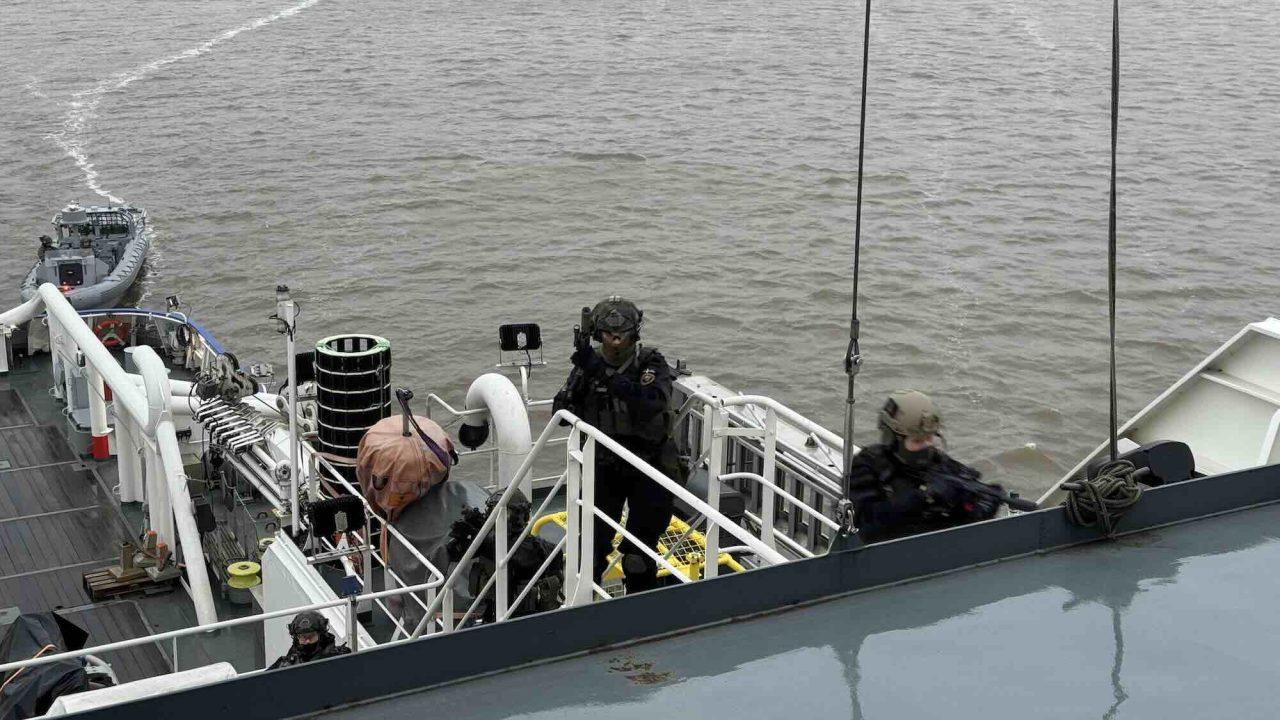
Finland märker ingen minskning av rysk oljeexport genom Östersjön. Däremot har riskerna ökat när skeppen i ”skuggflottan” blir allt skraltigare, och sjönavigation störs ut i den trånga Finska viken. - Det värsta scenariot vore en kollision med en fullsatt Finlandsfärja, säger kommodor Mikko Simola ombord på bevakningsfartyget Turva.

More than 3,000 migrants died in 2025 while attempting to reach Spain, according to a report. According to the organisation behind the report, this is a sharp decrease compared to the previous year.

The term “Conservationist” is not a legally protected title like “lawyer” or “doctor” is, and that is a good thing. It allows for people like Hans Saleo to be recognized for the important work he is doing to protect the manta rays, even without the formal credentials.

A research project has engaged more than a thousand volunteers in a large-scale survey of plastic bottles on beaches along the Central and South American Pacific coast, as first reported by Mongabay. The researchers behind the study advocate the introduction of a deposit system.

For the first time in half a century, Sweden is investing in large modern warships. The new frigates cost billions and can hunt submarines, act as floating air defence and secure the vital sea route to Sweden.

Norway had plans to start deep-sea mining for rare minerals. Now the project has been put on hold until 2029.

Climate change has caused tropical storms to increase in strength. One contributing factor is rising sea temperatures, which can give storms more power and lead to worse consequences for those affected.

Norway and the United Kingdom are to enter into a new defence agreement which, among other things, will involve a joint fleet of warships ‘hunting Russian submarines,’ according to the British government.
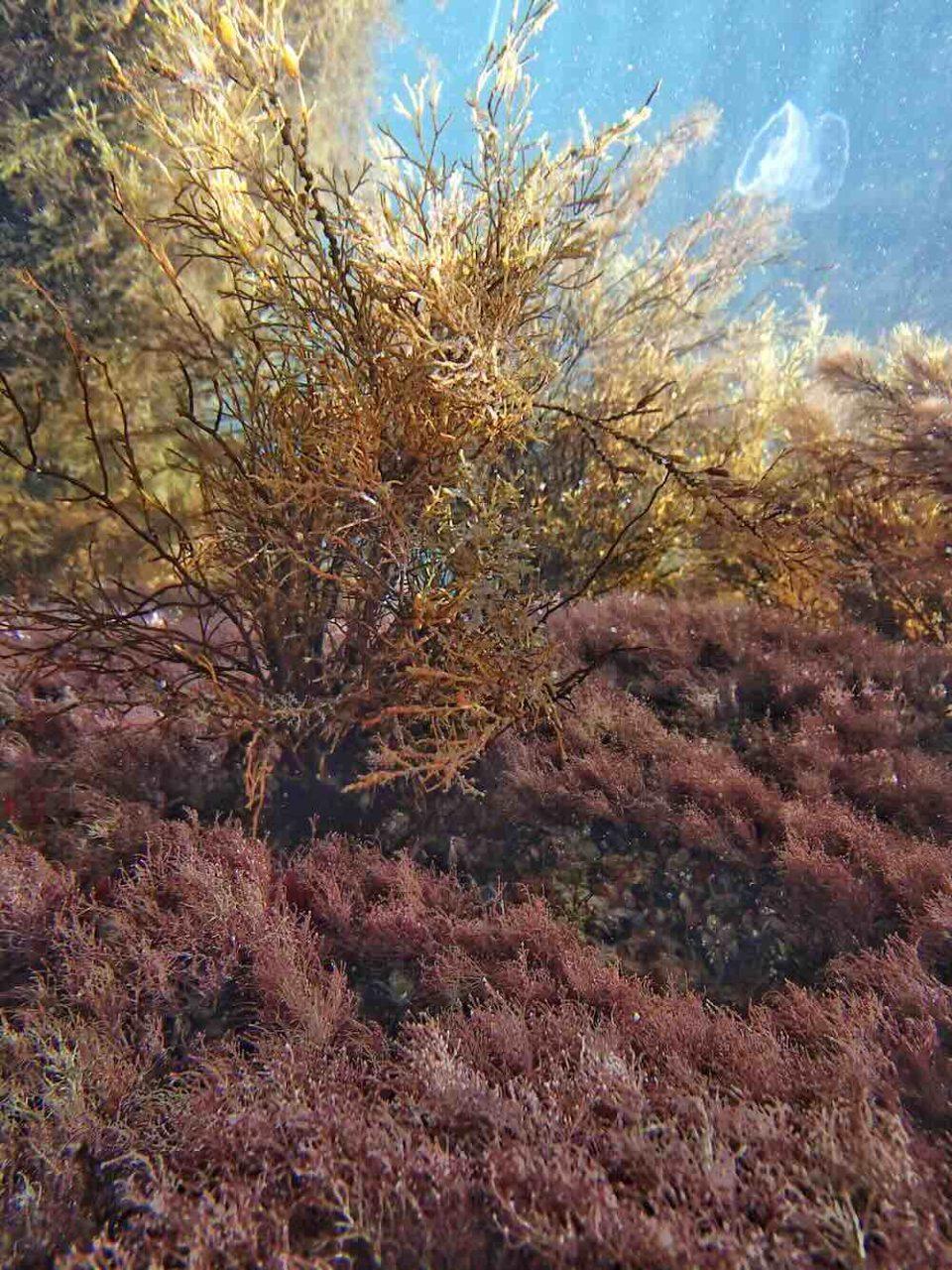
When scientists study the Black Sea’s coastal seaweed forests, they often dive beneath the surface to see them in person. Formed by two species of brown algae in the genus Cystoseira, these ecosystems can look dull from a distance. “But when you actually dive deeper, you can see the biodiversity, and these various interesting invertebrates and fish species which are moving there,” says marine biologist Sofia Sadogurska.
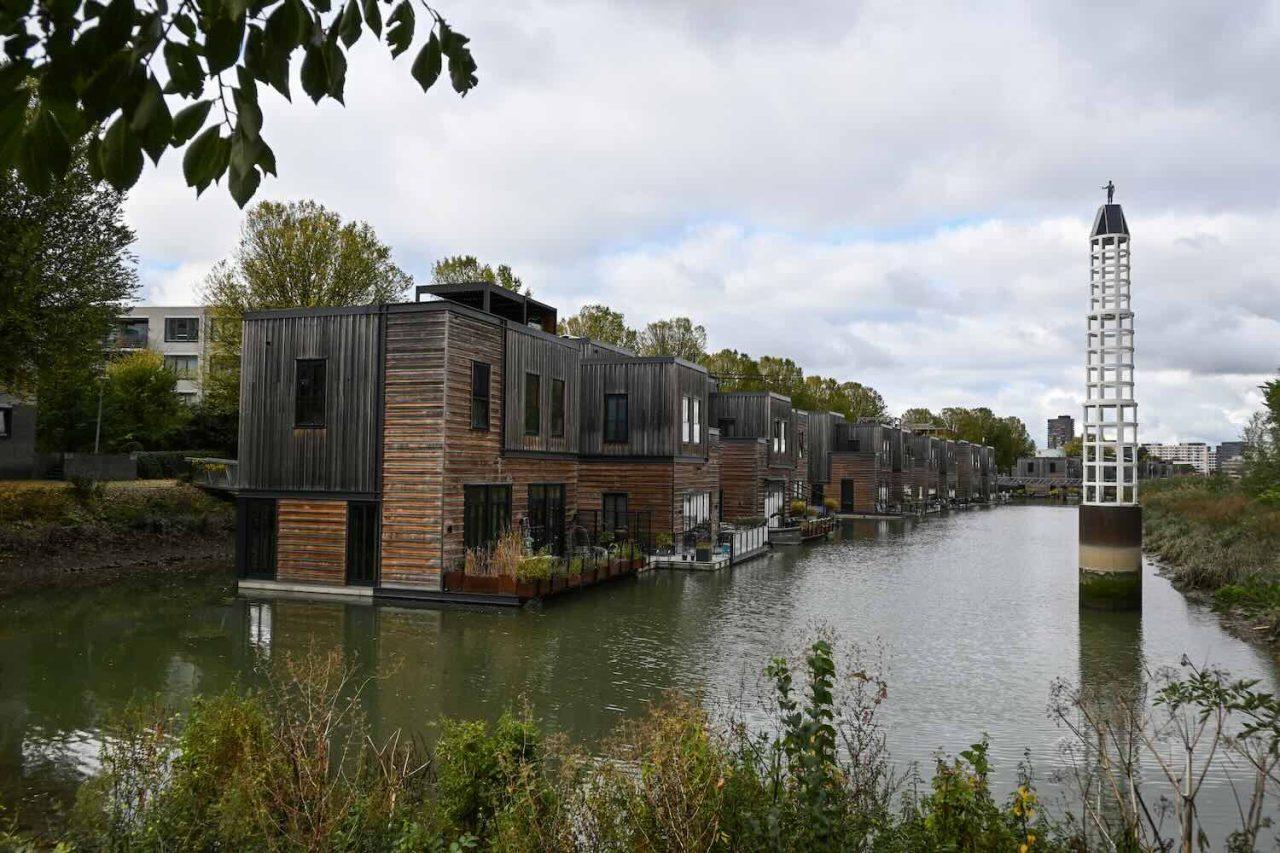
In the Netherlands, barriers have been used for centuries to prevent the sea from engulfing the land. But another movement is asking whether the future is instead fluid – and experimenting with floating parks, farms and offices. ‘It's about living with the water,’ says Rutger de Graaf at Blue 21.
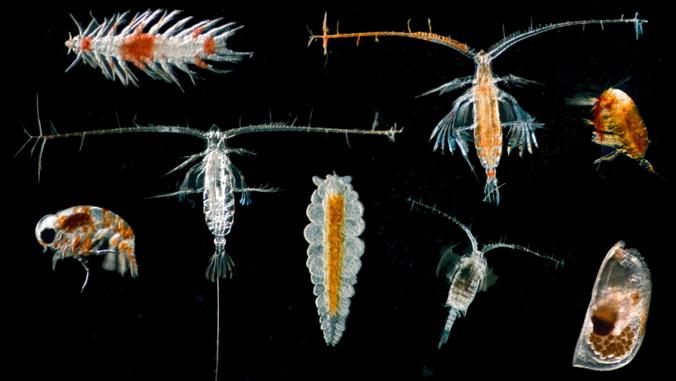
Researchers at the University of Hawaii have studied how the marine ecosystem is affected in the Clarion–Clipperton Zone in the Pacific Ocean, where mining is currently being tested. The report shows that sediments stirred up by mining disrupt the food chain.
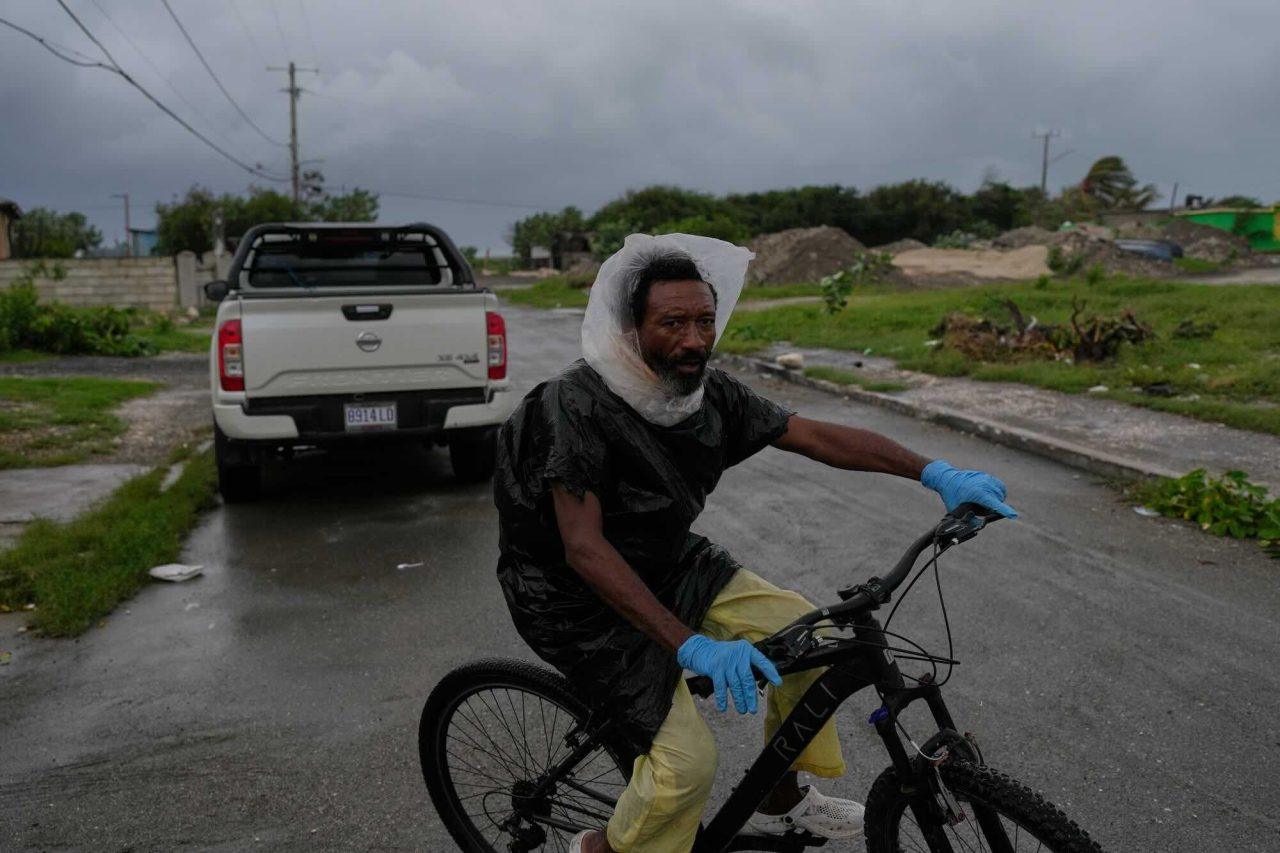
Catastrophic and life-threatening floods loom as Category 5 Hurricane Melissa reaches Jamaica. The storm is the strongest on the globe this year – and among the 20 strongest ever to form over the Atlantic.
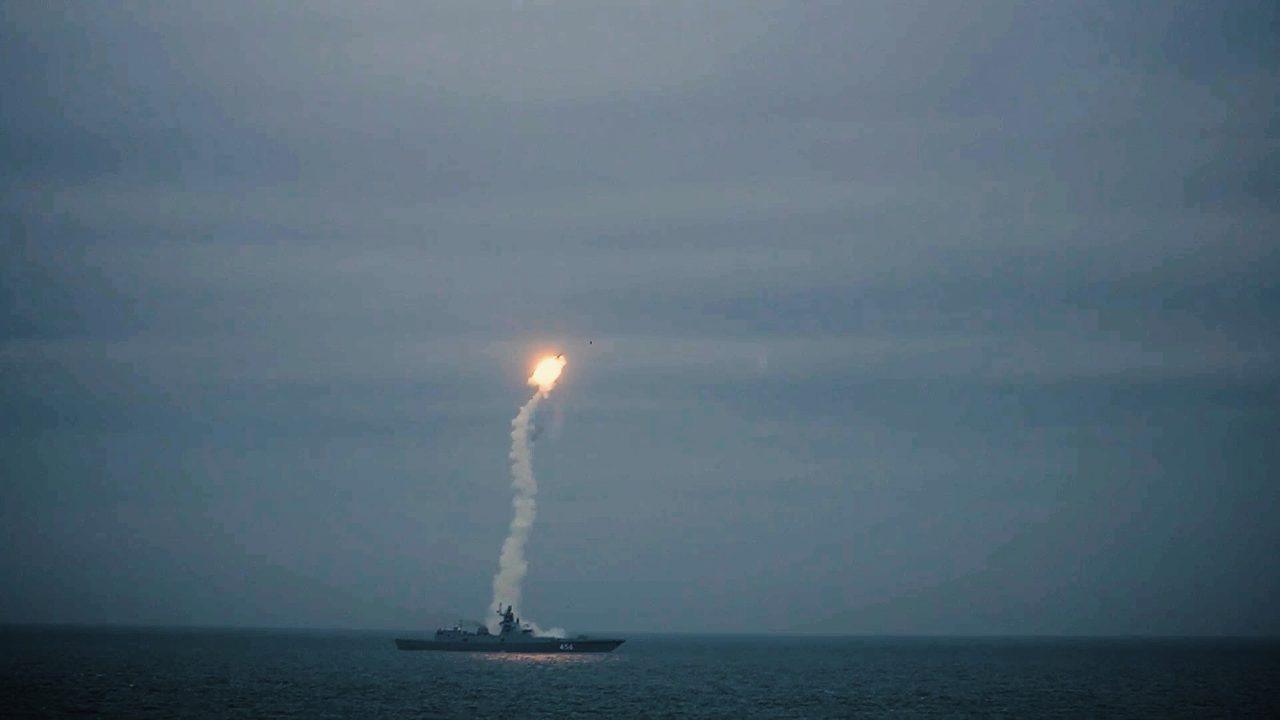
Swedish and other Western technology has been used to build a Russian surveillance system along the Arctic seabed, according to an investigation by the Swedish SVT News and several international media outlets. Among other things, this involves underwater robots from Saab.

The world's largest environmental network, IUCN, has this week adopted motion 061 at its international nature conservation congress, calling on states to recognise ecocide, i.e. large-scale environmental destruction, as a serious crime under national and international law.
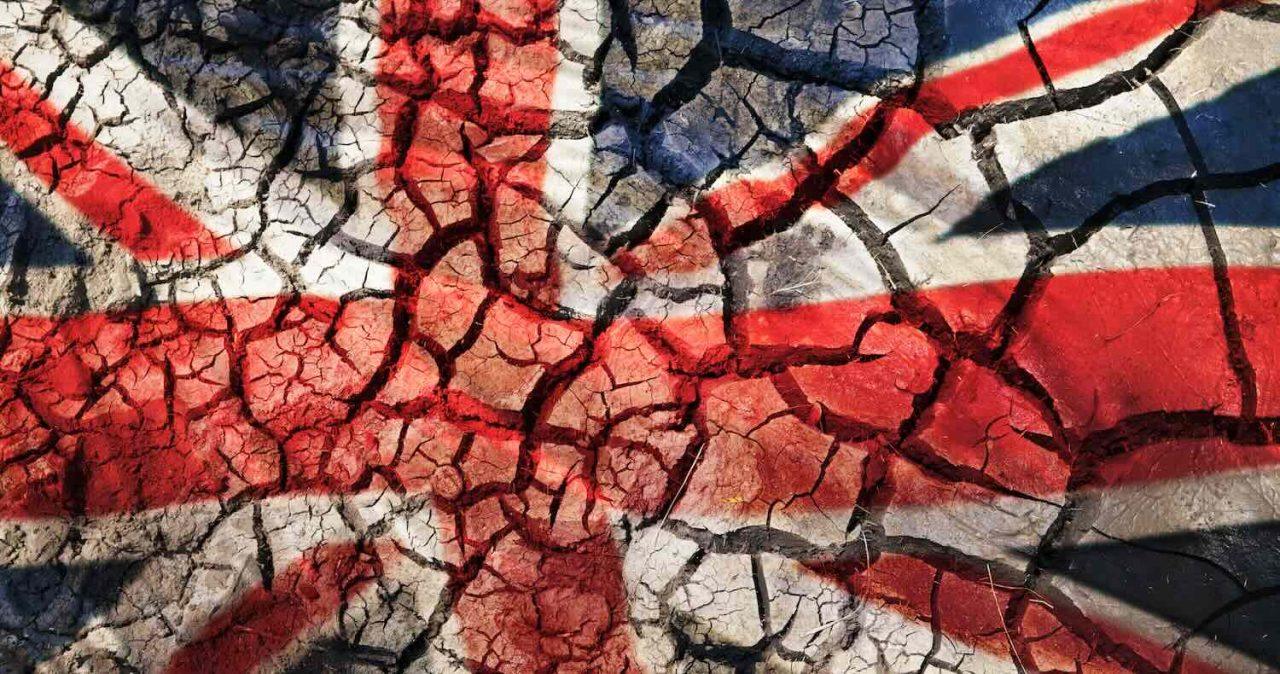
A new report by the country's intelligence chiefs states that the nation's security is threatened by the climate crisis, something that the Guardian was the first to report on. And the threat, they say, is much closer in time than we realise.
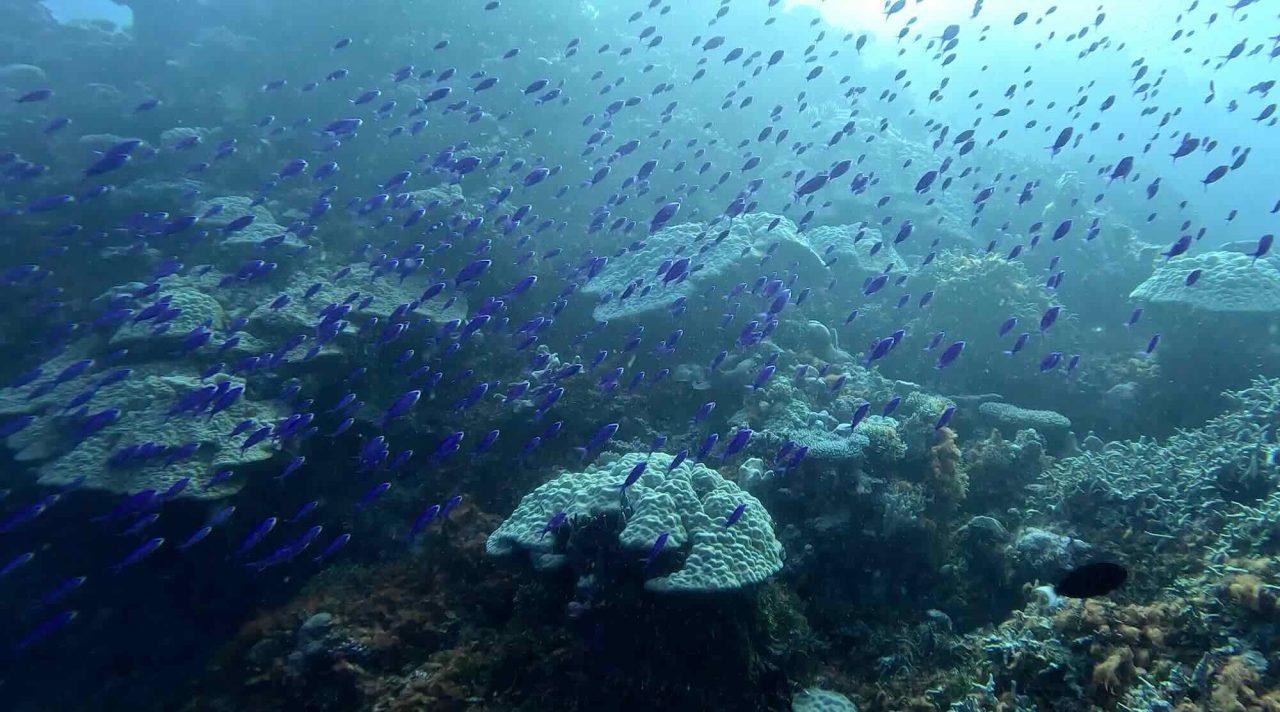
Greenhouse gas emissions have made the oceans increasingly acidic. Now, according to a new report, ocean acidification has exceeded the limit considered safe for marine life for the first time. ‘The consequences could be really serious,’ says Albert Norström, associate professor at the Stockholm Resilience Centre.
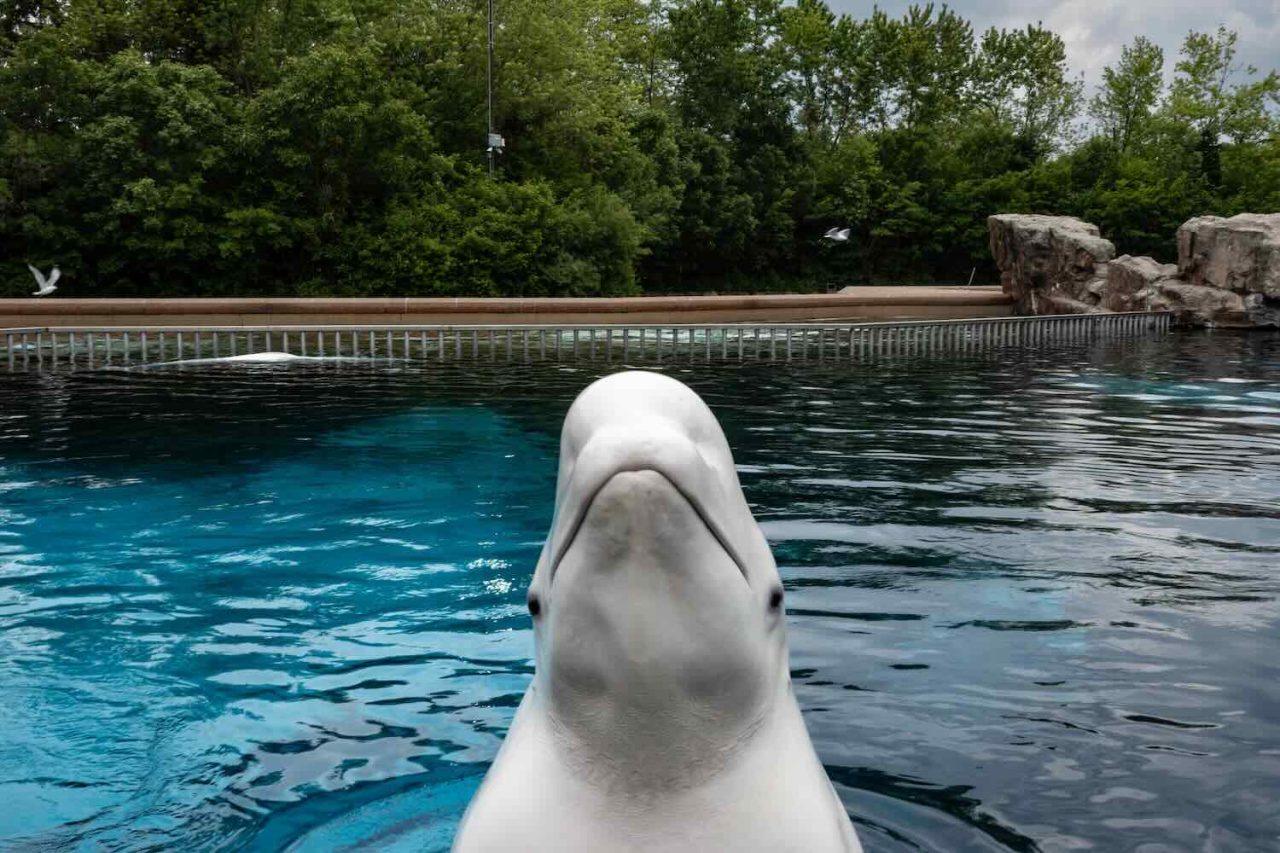
30 beluga whales at a closed zoo in Canada are threatened with euthanasia. Since the authorities stopped the export of the animals, the facility is appealing for emergency financial aid so that the whales can continue to live.
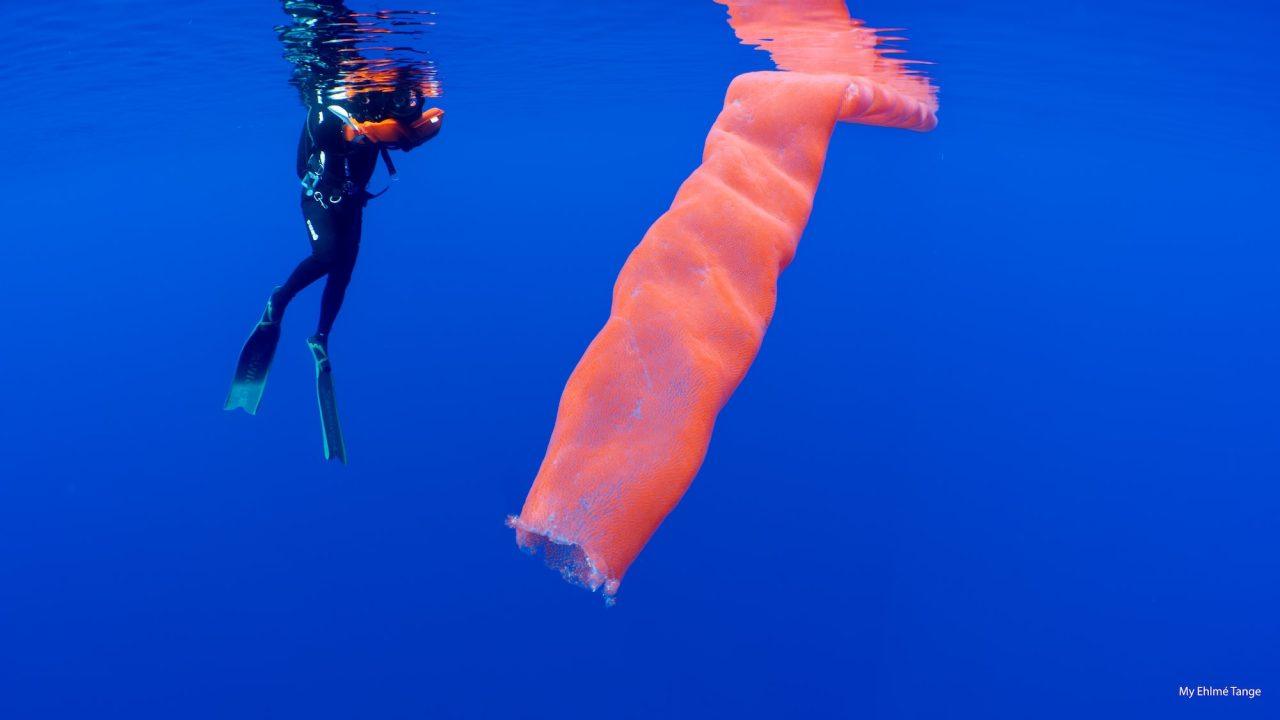
World-renowned underwater photographers Göran Ehlmé and Nuno Sá are diving off the island of St. Maria in the Azores when they suddenly spot something completely unexpected. They have both dived in almost every ocean in the world, among whales, sharks, manta rays, walruses and orcas, but have never seen anything like this. What is floating in the water? Something large, orange and tube-shaped. My Ehlmé Tange is part of the expedition and takes the opportunity to take some incredibly beautiful pictures of the creature, or creatures, because there are many of them.
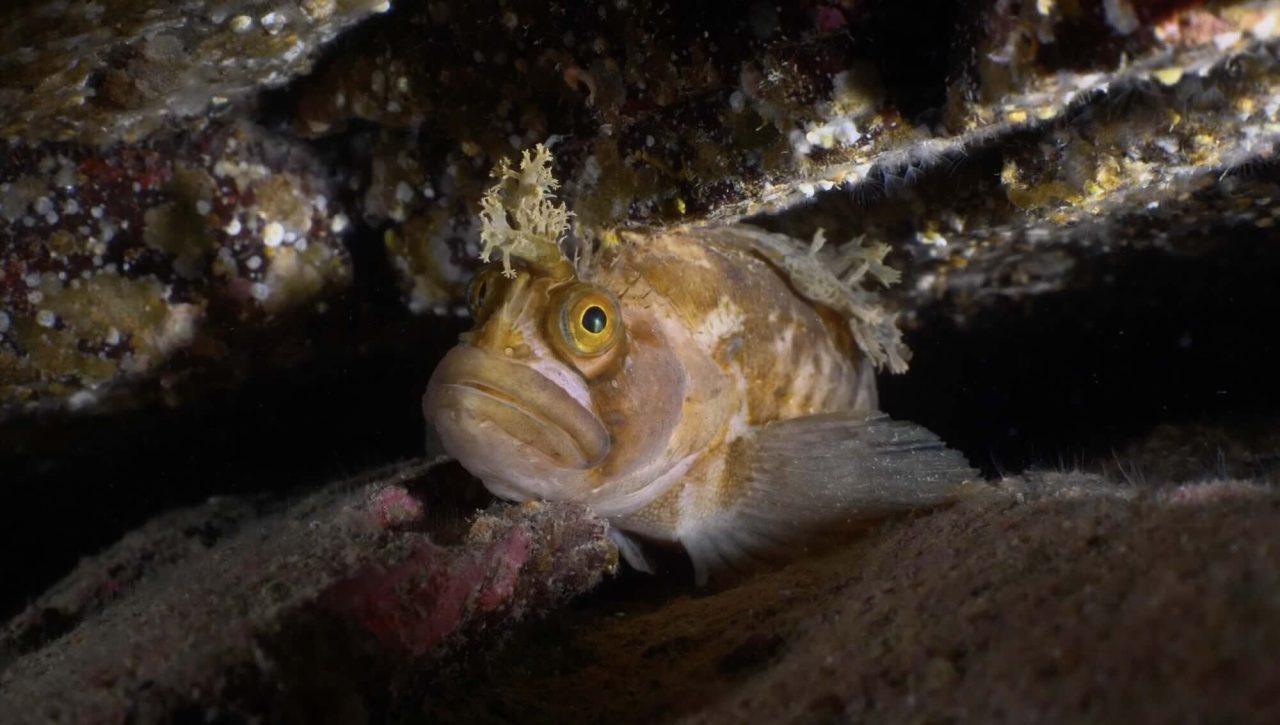
The documentary “Secrets of the West Coast” was awarded the prize for best photography and the Estonia Fund's special prize at the Estonian nature film festival MAFF, Matsalu Nature Film Festival in Lihula, this weekend. In addition, the film was recently named Best Nordic Nature Film at the German Green Screen festival in the town of Eckenförde on the Baltic coast. The festival is considered the most popular nature film festival in Europe, with nearly 400 nature films on the program.
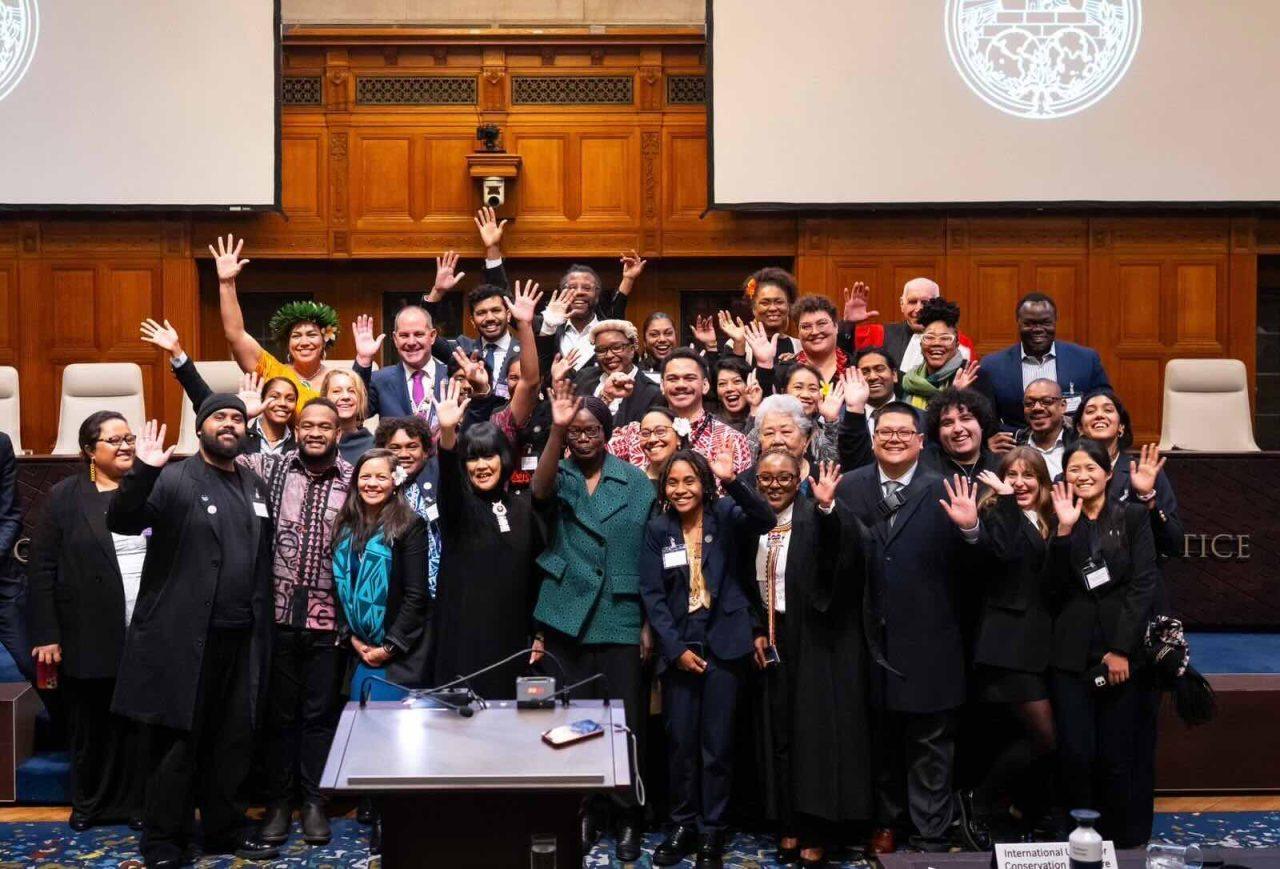
Indigenous lawyer Julian Aguon from the Pacific island of Guam and the student organisation Pacific Islands Students Fighting Climate Change (PISFCC) have been awarded the 2025 Right Livelihood Award, also known as the Alternative Nobel Prize.

In June 2025, Coral reef researchers, Sylvia Jageroos and Didier Zoccola dived the coral reefs of the Bikini Atoll, observing the coral reef ecosystems, identifying corals and collecting samples. Close on 80 years after American nuclear tests devastated the Atoll, they discovered a surprisingly resilient and healthy ecosystem and will now be able to further analyse their findings to determine whether they have found coral species that are unusually resistant to the effects of climate change. Nästan 80 år efter att amerikanska kärnvapenprov ödelade atollen är det ett överraskande motståndskraftigt och friskt ekosystem de hittar. Tillbaka i labbet ska de analysera fynden för att se om de har hittat korallarter som är ovanligt motståndskraftiga mot klimatförändringarnas effekter.

Parts of buildings, artefacts and a port dating back over 2,000 years have been uncovered outside Alexandria in Egypt, where a sunken city of ruins has been discovered.

