Warning: El Niño is driving sharks and snakes towards the coast
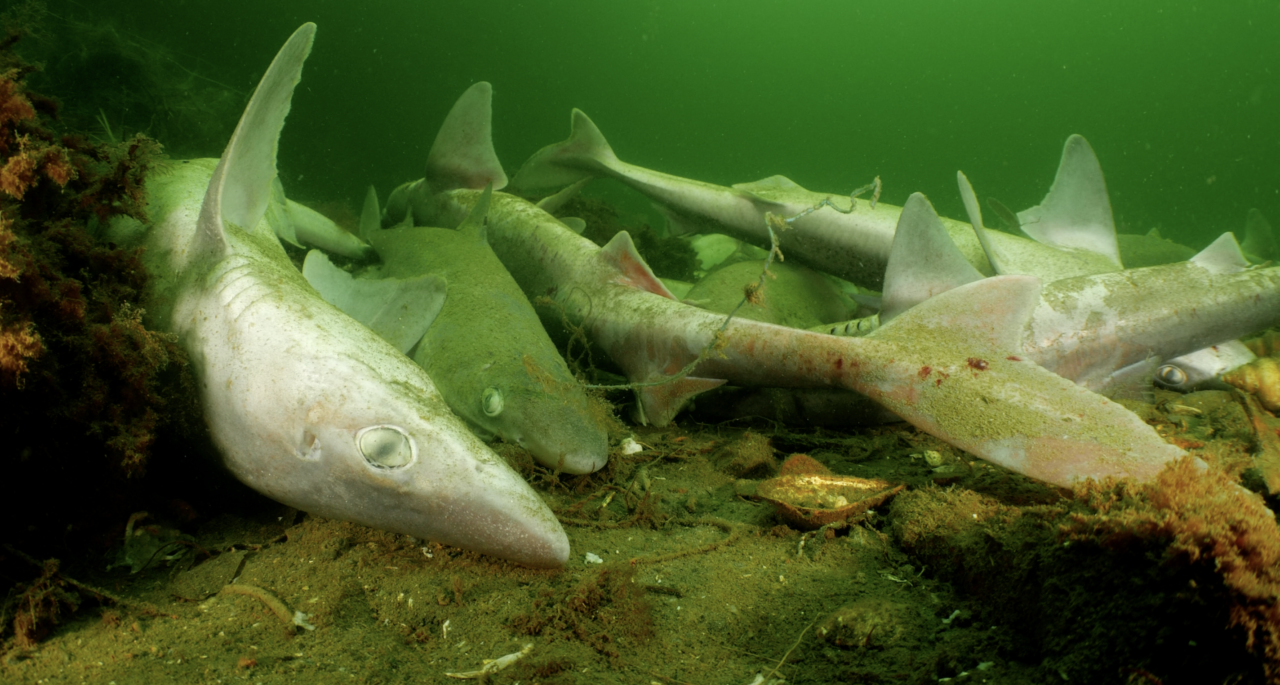
Large numbers of young great white sharks are expected off the Californian coast as the El Niño weather phenomenon intensifies, and researchers are warning of a ‘shark summer’. The sharks are not coming alone – the warm water from the south is also bringing with it stingrays and venomous sea snakes.
Normally, colder, nutrient-rich water rises from the depths into the California Current. This provides nutrients on which fish, kelp forests and other marine life depend. But the process can be disrupted by El Niño, cutting off the supply of zooplankton, small fish and other prey.
´We’re getting a completely different ocean,´ says Chris Lowe, professor of marine biology and director of the Shark Lab at Long Beach State University, speaking to USA Today.
Must adapt
The Shark Lab is now warning fishermen, surfers and others that they may have to share the sea with animals they are not used to. And that they may need to adapt for their own safety.
Both tiger sharks and bull sharks have been caught off the California coast during previous El Niño events. Hammerhead sharks following schools of yellowtail can be more aggressive when hunting, explains Lowe.
During the 2015–2016 El Niño, two hammerhead shark bites were reported at sea. This year, with the marine heatwave and the rapidly intensifying El Niño phenomenon, researchers expect to see more such incidents.
One of the most dramatic changes off the coast of California concerns great white sharks, primarily large numbers of juvenile sharks, which are following the warmer water. This phenomenon is not new. In 2015, when El Niño was also strong, there was a build-up of warm water off the coast and the number of juvenile great white sharks doubled.
Injuries from stingrays
However, the increase in great white sharks does not necessarily pose a danger to swimmers. A greater concern is the stingrays – a favourite food source for young sharks. Even now, lifeguards in California treat around 10,000 such injuries a year, and Chris Lowe fears that the number of injuries will skyrocket.
Another unwelcome visitor is the extremely venomous yellow-bellied sea snake, which only appears during unusually warm periods.
Scientists are now increasingly concerned about the long-term effects of the warmer water associated with the El Niño phenomenon. Douglas McCauley, director of the Benioff Ocean Initiative, speaks of a double blow as El Niño adds further heat to that already present as a result of the heatwave and climate change.
´It’s going to be a strange and interesting autumn and winter. I can say that it won’t be normal. We’re monitoring all aspects of the ocean with great interest, including the sharks.´
El Niño and La Niña are phases of the El Niño-Southern Oscillation (ENSO) weather cycle. El Niño warms the surface waters in the eastern Pacific Ocean, whilst La Niña cools them.
El Niño recurs on average every two to seven years and usually lasts nine to twelve months. It often peaks around Christmas, hence the name El Niño (the little boy).
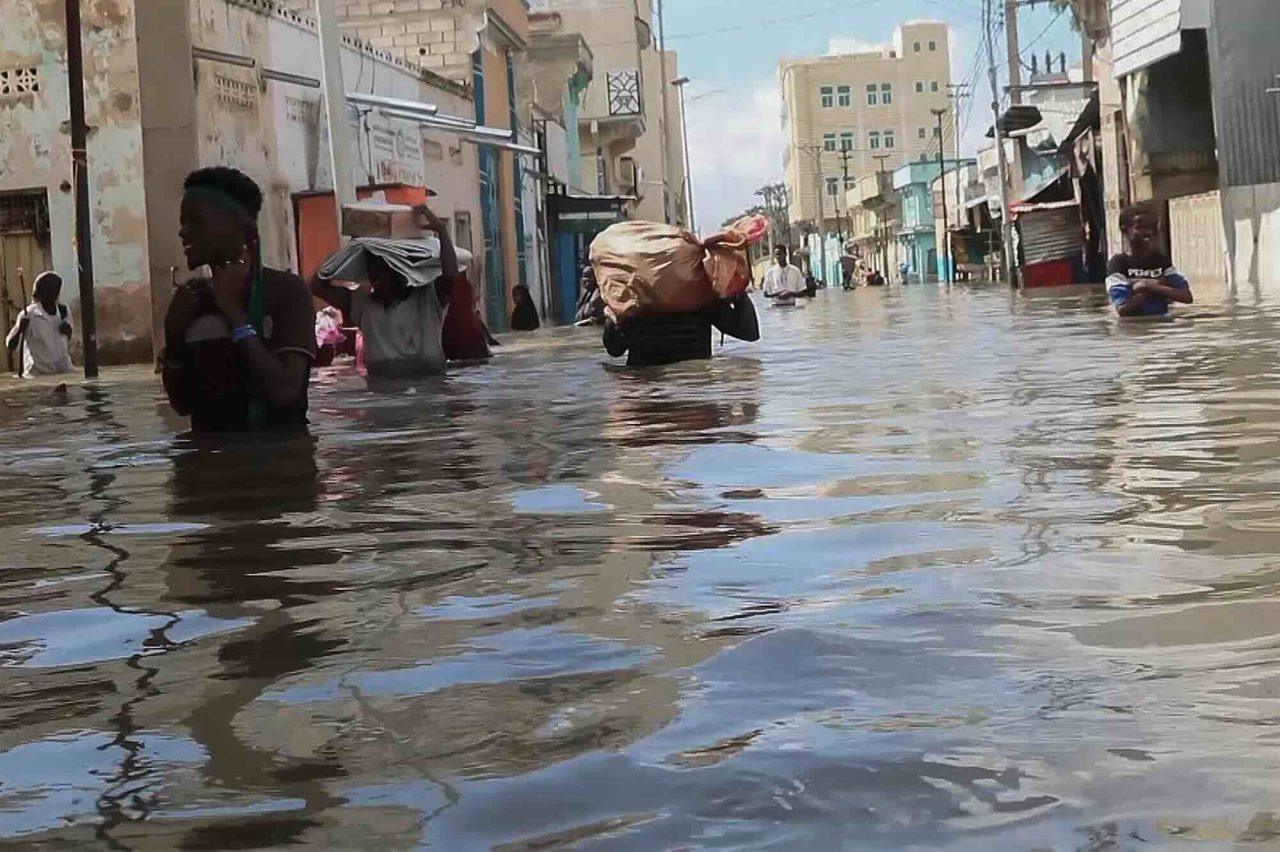
El Niño effects, such as increased rainfall, usually affect parts of southern South America, the southern United States, the Horn of Africa and Central Asia, whilst severe drought can occur across Australia, Indonesia and parts of South Asia.
The 2023–2024 El Niño is reported to be one of the five strongest ever recorded.
Source: WMO, SMHI, NOAA