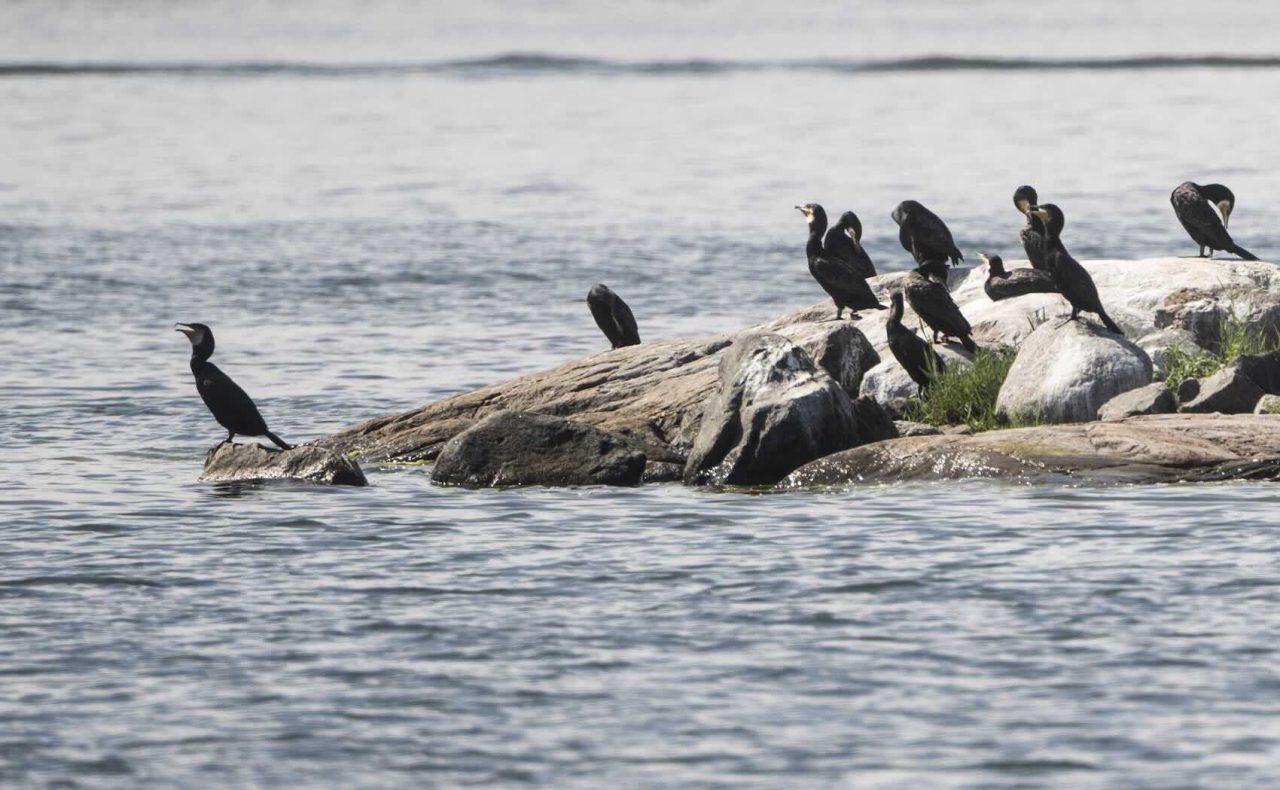
The European Commission is presenting new guidelines on how Sweden and other countries can tackle growing cormorant populations. “We are continuing to protect birds and fish, whilst providing farmers, fishermen, foresters and businesses with practical and balanced rules,” writes Environment Commissioner Jessika Roswall in a press release. ”Vi fortsätter att skydda fåglar och fisk och ger samtidigt bönder, fiskare, skogvaktare och företag fungerande och balanserade regler”, skriver miljökommissionären Jessika Roswall i ett pressmeddelande.

When I try to sum up the past year, I see how our reporting has spread in many different directions. From climate to overfishing, from ‘beautiful pictures’ to intelligent fish and dead seals on Swedish beaches. One might think that we should have focused more, or one might choose to see that we have succeeded in covering a range of issues that all concern the sea. Our most important hub – the foundation of all life.
The European Commission is clearly hesitant to change the protection status of the great cormorant, despite pressure from Sweden and other countries.

We humans have upset the balance in the Baltic Sea. Now the Swedish government has taken on the task of restoring the ecosystem – by shooting more seals and cormorants. But are seals really responsible for the decline in herring and pike, and are cormorants eating all the perch? We join in as a few cormorants are dissected and the contents of their stomachs reveal something completely different.

Last May, we joined sport fishing guide Peter Berggren for a day of pike fishing in the Stockholm archipelago. Little did we know that our trip would be filled with more than just fishing. Throughout the day, Peter shared his musings about the cormorant, the seal, the pike, and the trawlers, leaving us with much to contemplate long after the trip ended.

