Fish behavior, toxic algae, and the role of the sea in climate. These are some of the topics that marine research can address. Diverse subjects, but with a common goal: to better understand what happens beneath the surface.
The oceans cover more than 70 percent of the Earth’s surface. Despite this, we know less about what happens in the ocean than in space. Marine research is about trying to fill these knowledge gaps. Increasing the fundamental knowledge about the ocean without directly pointing to any application is usually called basic research. But sometimes, basic research sparks thoughts on how the knowledge could be applied in society. Then, basic research becomes the foundation for so-called applied research that aims to solve a problem with direct benefits for society. Since the connection between humans and the sea is so significant, it is not uncommon for research projects to shift between basic and applied research.
The oceans are studied by a multitude of researchers in physics, chemistry, biology, and geology. All these subjects can be linked to oceanography, which is the study of the movements and properties of the sea. This is usually done through observations from expeditions, satellites, and the creation of models. Understanding the movement of water is crucial because it affects the climate worldwide.
Many oceanographers work on environmental, energy, and climate issues in government or the private sector. As an oceanographer, one can also engage in research. Oceanography is a science with a broad spectrum of topics such as ecosystem dynamics, ocean currents, and the flow of various substances in the sea. One who has dedicated her life to the sea is the oceanographer Sylvia Earle, who has become one of the internationally known forces for protecting and restoring the world’s oceans.
Oceanography differs from marine biology because it does not always involve studying what lives in the sea. A marine biologist focuses on living organisms in all parts of the ocean and seeks to understand dynamic interactions on different scales, from a specific location to global.
To understand the complexity of the ocean, oceanographers and marine biologists often combine several fields such as biology and chemistry. Weighing in multiple disciplines is particularly important today to create a comprehensive picture that can contribute to the efforts against climate change, pollution, and other factors threatening the oceans and marine life.
Since many places in the ocean are relatively inaccessible to researchers, technological measuring aids are often used today to study these areas. They can remain in the sea and keep measuring the water’s characteristics around the clock. This makes it easier to obtain more measurement values than if researchers had to travel to the measurement site for each reading.
Oceanographic measurement stations at sea are sometimes called ocean observatories where relevant data is collected for researchers. This can include temperature, salinity, and oxygen levels, as well as wind and waves. The Voice of the Ocean (VOTO) Foundation, for example, works to facilitate data collection for researchers. The team working on research and data collection at VOTO consists of oceanographic technicians and researchers. They use so-called gliders to collect data from five locations along the coast of Sweden, and this information can be closely followed through their observation portal.

The Swedish Environmental Protection Agency has now decided on this year's hunt for grey seals, harbour seals and ringed seals. Licensed hunting of grey seals will increase by 350 animals this year compared to last year, with a total of 1,350 grey seals allowed to be shot until the beginning of next year. The protective hunt for harbour seals and harbour porpoises remains at the same level as last year, with 200 ringed seals and 200 harbour porpoises.

Since 2023, the fourth global mass bleaching event affecting the world's coral reefs has been underway. It is the most extensive and deadly one to date. And for those who have devoted years of their lives to try to preserve them, the devastation is difficult to cope with.

Over 54 million salmon died in Norwegian fish cages last year, and the total loss amounted to 67 million farmed salmon, according to the Norwegian Directorate of Fisheries. This corresponds to a loss of 16-18 per cent, according to the Norwegian Institute of Marine Research.

Over the past 20 years, macroalgae blooms have increased at an unprecedented rate. This is shown by a new study, which warns that the spread could lead to major changes in the ecology of the sea.
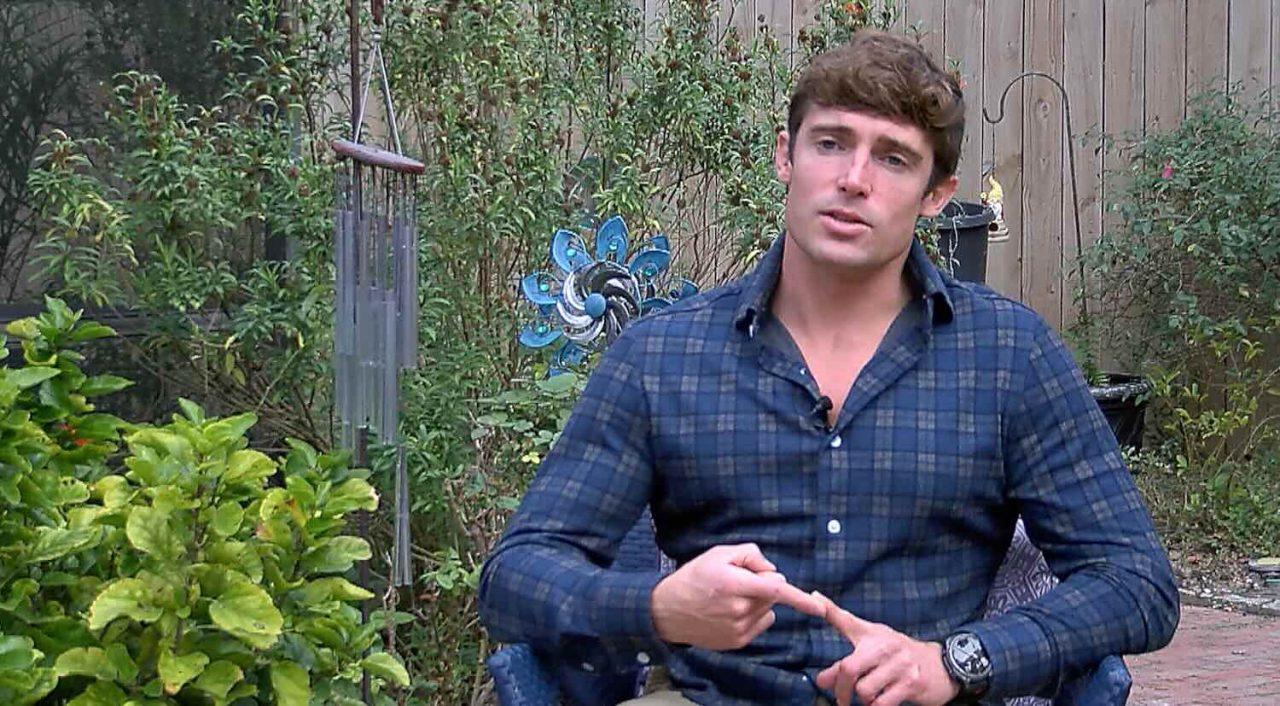
Early in 2025, Holden Harris, Ph.D. was one of the hundreds of U.S. National Oceanic and Atmospheric Administration (NOAA) employees fired by the Trump regime. Almost one year later, Trump wants to slash budgets for scientific and climate change research. But Congress has pushed back, passing a package of bills to maintain most research funding. The deadline for a budget agreement is January 30th. This is Holden Harris’s story.
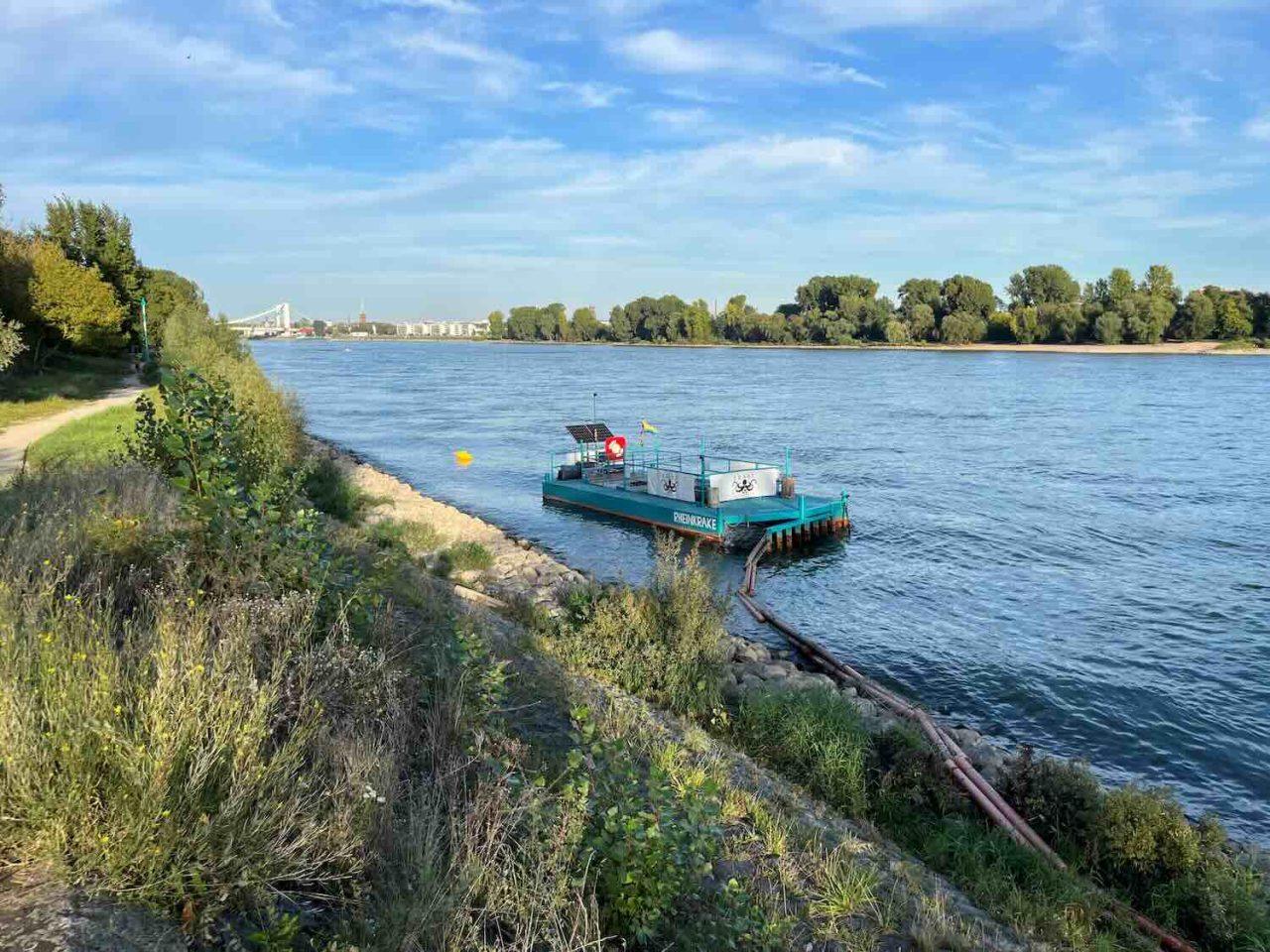
It is well known that large amounts of rubbish float through Europe's rivers. But when researchers took a closer look at one of the continent's most important waterways, they made an unexpected discovery – the problem is much bigger than previously thought.

The costs of climate change almost double if the impact on the oceans is also included in the calculations. ‘If we don't put a price on the damage that climate change causes to the oceans, it will remain invisible to key decision-makers,’ says environmental economist Bernardo Bastien-Olvera.

Several species of large whales in the North Atlantic carry a potentially deadly virus. This is according to a study in which researchers used drones to examine the exhaled air of these enormous animals.

A new study shows that there is a link between rising temperatures and changes in polar bears' DNA. This may help the bears adapt to increasingly challenging environments.

Laws alone are not enough to stop global overfishing. That is the view of researcher Frida Bengtsson, who has investigated what else is needed to create a sustainable fishing industry.

A research project has engaged more than a thousand volunteers in a large-scale survey of plastic bottles on beaches along the Central and South American Pacific coast, as first reported by Mongabay. The researchers behind the study advocate the introduction of a deposit system.

Climate change has caused tropical storms to increase in strength. One contributing factor is rising sea temperatures, which can give storms more power and lead to worse consequences for those affected.

The International Council for the Exploration of the Sea (ICES) is the organisation that provides scientific advice to the EU when deciding how much fishing is allowed each year. A new study from ICES shows that their calculation method may result in advice that implies a greater risk of excessive fishing pressure than previously thought.
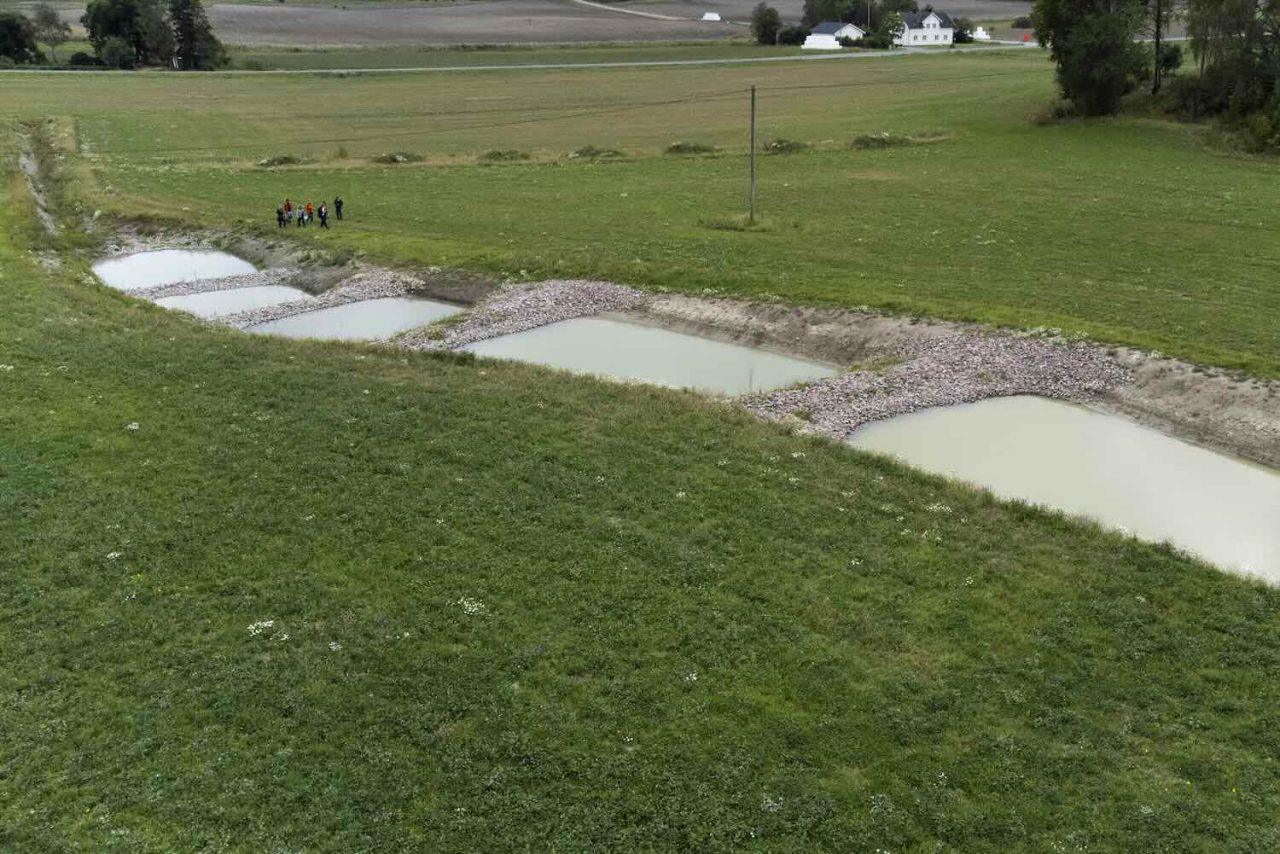
Toxic bathing water, dead fish and dead seabeds – the impact of climate change on the sea is becoming increasingly clear. But the fight against marine death begins well inland. ‘2018 was a wake-up call,’ says the Swedish farmer Erika Olsson, one of many who have created wetlands.
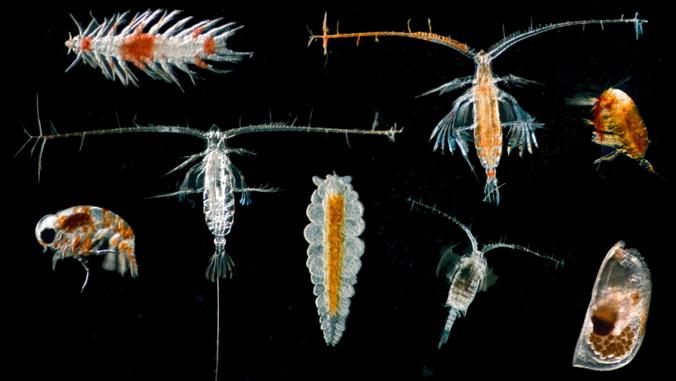
Researchers at the University of Hawaii have studied how the marine ecosystem is affected in the Clarion–Clipperton Zone in the Pacific Ocean, where mining is currently being tested. The report shows that sediments stirred up by mining disrupt the food chain.
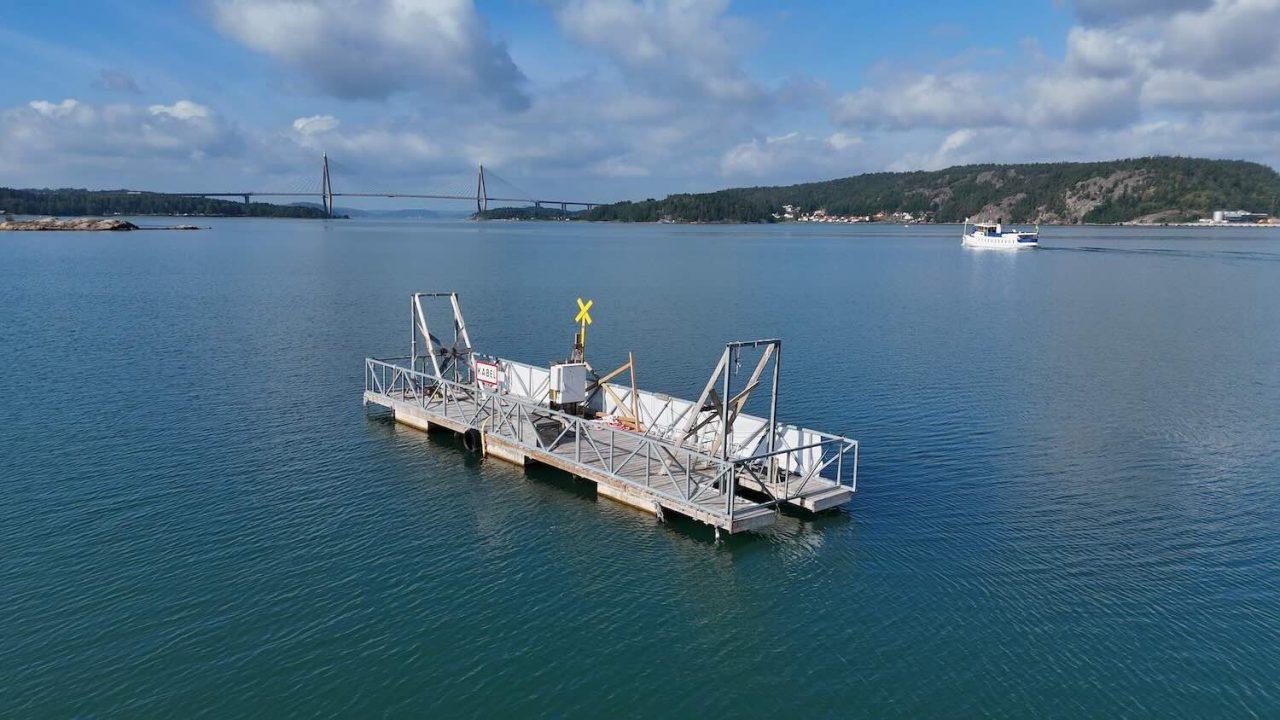
The seabed in Byfjorden on the Swedish West coast is completely dead below a depth of 15 metres. Limited water exchange, which means that oxygen is quickly consumed, combined with old sins from the Uddevalla shipyard, which has accumulated large amounts of heavy metals in the bottom sediments, has made life almost impossible down there. But a new project is bringing life back to the dead seabed.

The world's largest environmental network, IUCN, has this week adopted motion 061 at its international nature conservation congress, calling on states to recognise ecocide, i.e. large-scale environmental destruction, as a serious crime under national and international law.
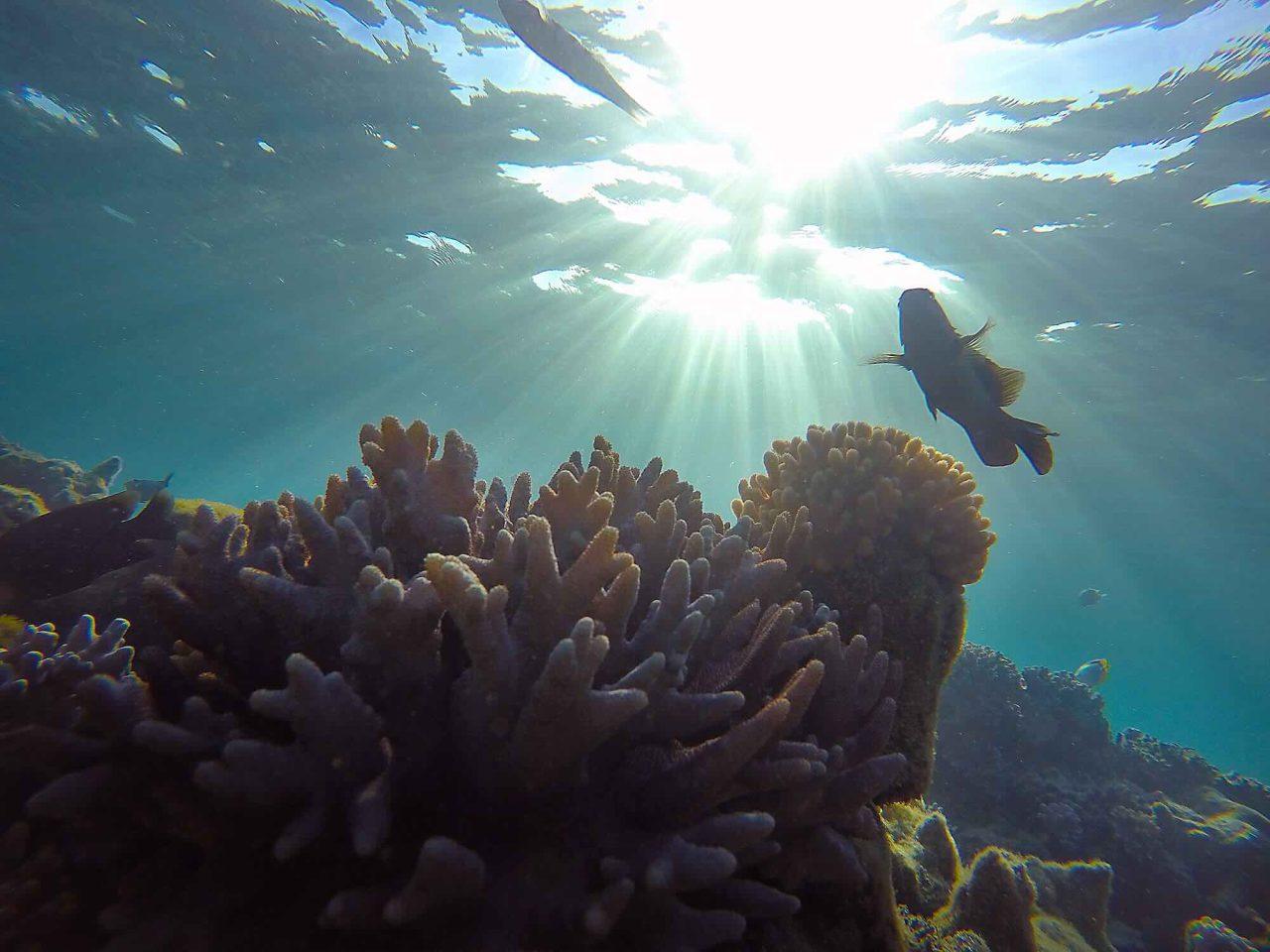
All parts of the oceans are under triple attack, according to the EU's Copernicus Climate Service's major annual ocean report. ‘These changes affect us all – ecosystems, society and the economy,’ says oceanographer Karina von Schuckmann.

In June 2025, Coral reef researchers, Sylvia Jageroos and Didier Zoccola dived the coral reefs of the Bikini Atoll, observing the coral reef ecosystems, identifying corals and collecting samples. Close on 80 years after American nuclear tests devastated the Atoll, they discovered a surprisingly resilient and healthy ecosystem and will now be able to further analyse their findings to determine whether they have found coral species that are unusually resistant to the effects of climate change. Nästan 80 år efter att amerikanska kärnvapenprov ödelade atollen är det ett överraskande motståndskraftigt och friskt ekosystem de hittar. Tillbaka i labbet ska de analysera fynden för att se om de har hittat korallarter som är ovanligt motståndskraftiga mot klimatförändringarnas effekter.

Does it make any difference to cod whether they are caught by a hook in their mouth or by a net? Off the Norwegian coast, researcher Marco Vindas and his team are lowering cages, nets and longlines to find the answer to that question. Which fishing method is worst and which is best – for cod? Now he has the answer.

One of the world's most common organisms is threatened by rising sea temperatures. The amount of the most common type of cyanobacteria (prochlorococcus) is at risk of being halved unless climate change is slowed down.
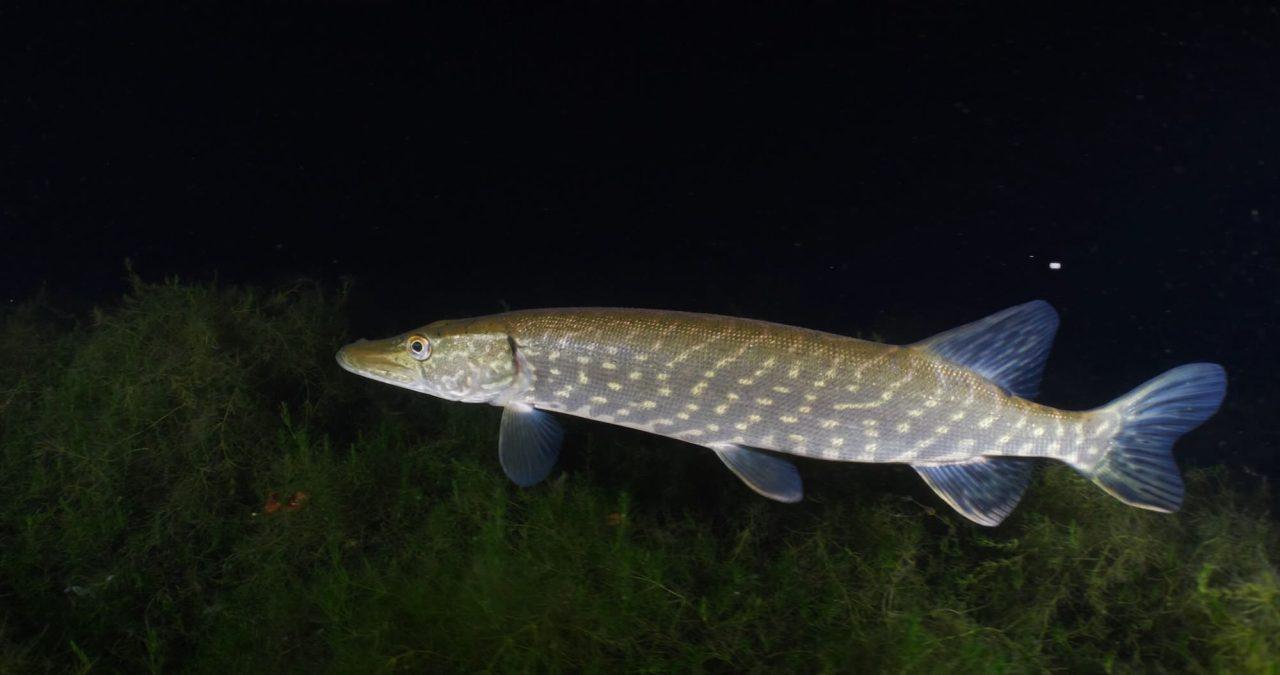
For several years, there have been warnings that pike stocks are declining in the Stockholm archipelago. Now, according to new test fishing, there is a clear reversal of the trend. Pike may be making a comeback.
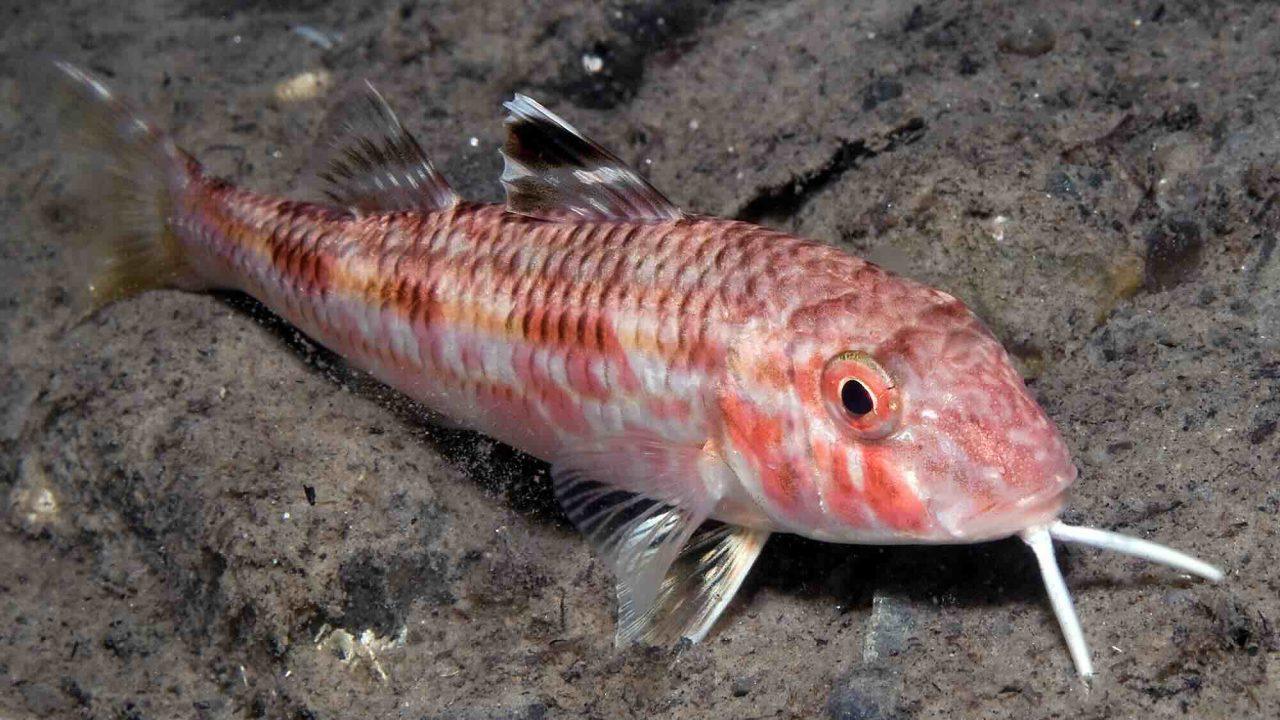
Even the ancient Greeks held the yellow-striped mullus – or, in short, the mullus – in high regard. With rising sea temperatures, it has been appearing on the Swedish west coast in autumn for several years now. However, spawning and reproduction have never been recorded in Swedish waters. But there are many indications that the mullet can now be considered a resident and reproducing species. Many shallow bays along the west coast have been swarming with its fry this summer.

The government report ‘Modernised Fisheries Legislation,’ which was submitted to the Swedish government last week, will enable major changes for recreational fishermen in Sweden. Among other things, it proposes mandatory catch reporting when fishing in state-managed waters. Göran Sundblad, a researcher at SLU, runs the Spöreg project – an app where anglers can voluntarily report their catches for research purposes.

