Humanity has always sourced food from the sea. And fishing is an ancient way of doing so that can be traced back to the early Stone Age around 40,000 years ago. In the last 100 years, fish stocks have dramatically declined in the Western Sea and the Baltic Sea. And in most cases, overfishing is considered to be the major cause.
The fishhook is one of humanity’s most useful inventions and still looks much like those used during the Stone Age. For a long time, fishing could only be done in shallow waters. It was only with the invention of the oar around 8000 BC that it became possible to fish in deeper waters using fishing nets, initially made of plant fibers, hair, or seaweed.
As humans learned to cultivate and became settled, cities emerged. Since it was not as easy to go out and hunt as in Stone Age villages, and meat was expensive, fish became the primary source of protein for many city dwellers. During ancient times, bread, fish, and olive oil were the staple foods for the poor part of the population. Usually, it was dried or salted fish that prevailed, as fresh fish caught in the Aegean Sea was for the affluent. Even in the Roman Empire, fish was a significant part of the diet. Wealthy Romans could have their own ponds for both freshwater and saltwater fish, and the Roman market hall sold live fish in tanks.
In northern Europe, herring became crucial during the Middle Ages. It was easy to reach the herring spawning grounds, where there was plenty of fish, as they were close to the coasts. Unlike today, even small boats could then catch large quantities of herring. The fish was salted and became a staple food in northern Europe. In Sweden, farmhands and other servants often ate salted herring throughout the year. By the mid-1700s, Bohuslän became the most important area for herring in all of Europe because of the large stocks, with claims that one could walk on water. Fishing was mostly done with small boats and nets. Authorities encouraged fishing, providing incentives such as rewards per barrel of herring, free timber, and tax exemption if settlers established themselves on the crown’s islands for fishing. The great herring period had begun. Herring periods are times when large schools of herring come close to the coast.
The success in herring fishing reflected in the population growth in many coastal cities. Uddevalla’s population doubled in just 50 years, and Marstrand tripled. In the early 1800s, herring was Sweden’s second-largest export income after iron and provided employment for tens of thousands of people. But a few years later, the herring disappeared, and by 1808, the great herring fishing was over. This resulted in unemployment in coastal communities, leading many to move away. Herring later returned, reviving the coastal communities in Bohuslän.
The advent of trawlers was a crucial factor in the industrialization of fishing. The earliest known trawler comes from Ireland in 1874 but only had its breakthrough in the 1930s thanks to internal combustion engines. Around this time, Sweden also acquired its first trawlers in Skåne and Blekinge, and since World War II, trawl fishing has dominated large-scale fishing.
As fishing became more efficient, its impact on ecosystems grew. Today, issues such as catch limits, development of selective fishing gear, and fisheries management measures are high on the agenda for fisheries biologists, policymakers, and the fishing industry. Bottom trawling is now one of the most common fishing methods in Sweden, despite being the method causing the most damage in the sea. Bottom trawls drag large nets along the seabed, capturing everything in their path, including small fish, sea stars, and crustaceans as bycatch. This results in catching immature fish, for example. Studies have shown that trawling can halve species diversity. In popular areas, the bottoms can be trawled several times a year, making it difficult for life on the bottom to recover. Ecosystems can also be affected by bottom trawling since it can stir up nutrients and toxins buried in the sediments.
In the Øresund, bottom trawling has been prohibited since the 1930s, which is reflected in fish stocks. There is plenty of both cod and other fish, unlike the Kattegat where bottom trawling is still allowed. Even in marine protected areas, trawling is permitted. Bratten, a Natura 2000 area, is one of Europe’s most fished places. And Kosterhavet National Park allows trawling for shrimp according to an agreement between the Swedish Board of Fisheries and the local fishing industry, using sorting grids to separate unwanted bycatch.
Trawling also contributes more to climate change than other fishing methods. For example, it takes three times more fuel per kilogram of deep-sea lobster trawled compared to catching it with traps. Cod caught with trawls in Swedish waters causes over four times the greenhouse gas emissions as net-caught cod.
Industrial fishing often targets top predators initially. This has led to a 90 percent decline in the world’s biomass of top predators since industrialization. Research shows that the loss of predatory fish can exacerbate the effects of eutrophication through so-called trophic cascades. This means that when the fish that eat zooplankton are not consumed to the same extent by predatory fish, the amount of phytoplankton increases, consuming oxygen from the bacteria that break them down when they sink to the bottom.
When top predators decrease, fishing often shifts to lower levels in the food chain. The Baltic Sea is a clear example of this, as cod has almost been fished to extinction, and sprat and herring, or Baltic herring as it is called north of Kalmar Sound, are now the largest fishery in both quantity and economy, even though it is also depleting. This has caused small fish like sticklebacks to increase in recent years. Moreover, the fish does not end up directly on our plates. Around 75 percent of all Baltic Sea fish and 90 percent of all herring/baltic herring become fishmeal, which then becomes feed for farmed fish and other animals.
In the early 1900s, the Baltic Sea was a nutrient-poor area and shifted to nutrient-rich a few decades later. Initially, this brought both positive and negative consequences for the sea. Fish production, including cod, increased as a result of more available food. But as oxygen-deficient and anoxic bottoms increased during the 1900s, it became increasingly difficult for cod to thrive because their eggs depend on high oxygen and salt content in the water to survive. Large-scale overfishing of cod in Swedish waters has been going on for a long time. Overfishing means extracting fish faster than they can reproduce.
The total allowable catch (TAC) of fish is determined annually by the EU Council (Council of Ministers) for Agriculture and Fisheries. Each EU country has a fixed percentage of the total quota, with shares based on historical catches. To ensure the sustainable use of world oceans, decisions are based on the scientific data and models provided by the International Council for the Exploration of the Sea (ICES). The council consists of over 4000 researchers from more than 20 member countries. The EU Commission then proposes to the Council of Ministers of Fisheries the amount of fish of each species that can be caught in different sea areas.
Fishing quotas are often surrounded by various uncertainties. In the data and models provided by ICES, there is a risk of inaccurate estimates. At the same time, historically, Swedish quotas have often been set above the scientific recommendations from ICES. The current management model, Maximum Sustainable Yield (MSY), aiming to fish the maximum sustainable amount of fish stocks, also contributes to the fact that the size of quotas is not always the most sustainable for the sea. Sometimes quotas have even been larger than the size of the stocks due to models overestimating the stocks. Scientific models have been criticized for not including the age structure and genetically distinct subpopulations of fish, which is feared to weaken fish stocks. The multi-year management plan for the Baltic Sea (MAP) states that fishing must cease if stocks are at risk of collapsing (Article 4.6). Despite scientists warning for a long time that fishing for herring/Baltic herring is too intense, fishing has continued.
In some cases, fishing has been completely prohibited. During the summer of 2019, the EU Commission introduced a fishing ban for all member countries for targeted cod fishing in the southern Baltic Sea, which in the coming years expanded to more areas. To consider the weak cod stocks, in January 2024, recreational fishing was also banned throughout the year in some of the Baltic Sea’s sub-basins. Despite this, cod is decreasing in all Swedish seas. Baltic Sea cod has also become small and lean, believed to be due to large individuals being caught, creating a skewed size distribution. This results in cod starving because only small cod are left competing for prey of the same size. Cod is also heavily affected by the consequences of eutrophication because their eggs depend on oxygen-rich and salty water. On the west coast, many coastal stocks have almost completely disappeared and do not seem to be coming back. Seals and cormorants have often been blamed as a reason for the decline in both cod and herring/Baltic herring.
Industrial fishing involves large-scale fishing with boats larger than 24 meters using gear such as trawls. Today, 20 of the largest boats take around 95 percent of Sweden’s catch of herring and Baltic herring. Trawling mostly occurs far out at sea, but industrial trawlers have started fishing closer to the coast. This has made it difficult for small-scale professional fishermen to compete with the industry. Most professional fishermen fish along the coast using gear such as bottom trawls, hooks, cages, and traps.
In Sweden, there are over a million recreational anglers, and sport fishing engages hundreds of thousands of tourists annually. Catch and release fishing has increased from nearly zero in the late 1980s to around 70 percent being released back into the sea now. However, studies show that fish caught and then released both suffer and are at greater risk of dying from the injuries. Depending on the species and the time of year, mortality rates can be over 30 percent.
TEXT: Lina Mattsson

Axel Wenblad, is former director general at the Swedish Fisheries Agency. He was interviewed in Peter Löfgren's latest documentary "Power over the sea". After the film, he got angry and wrote an open letter to Minister for Rural Affairs Peter Kullgren. This is the letter;

In Brussels there are at least 30,000 lobbyists to influence the political decisions. Many of them work for the fishing industry, to ensure that the Council of Ministers makes decisions that favor industrial fishing. And scientists who have a dissenting opinion are intimidated into silence, according to fisheries researcher Reiner Froese.

The EU's highest court rules that the Council of Ministers breaks the law when it decides on overfishing of "target species", stocks that fishing is directly aimed at. But at the same time, the court gives the ministers the right to "flexibility" in terms of bycatch.

All citizens want fish-rich, healthy seas. The EU is governed democratically. So why are the EU's seas fished out and on the brink of ecological collapse? The decisions are made in closed rooms, beyond democratic control.

EU fisheries ministers exclude the public. The countries' mutual positions are kept secret. We citizens are not allowed to influence the decisions that are decisive for the ocean and the planet. The fishing quotas are set over a couple of hectic days and usually exceed the advice of science. Deep Sea Reporter has exclusively interviewed the EU's own Ombudsman Emily O'Reilly, who condemns the lack of transparency…

Three quarters of the world's industrial fishing vessels are "dark", they are not publicly tracked. This is shown by a new study, published in Nature, which with the help of space technology and AI managed to create the first global map of how we use the ocean. The fishing vessels dominate and most of them do it stealthily. The study shows that 75% of fishing vessels neglect to broadcast their positions, which may indicate illegal fishing.

The Swedish government is open to allowing limited small-scale eel fishing. It may also be possible to transfer eel fishing permits to the next generation, according to the regulatory letter to the Swedish Sea and Water Authority.

The EU fisheries ministers have in a compromise agreed on this years herring fishing in the Baltic Sea next year. As usual, we can continue to fish, despite the fact that, according to many observers, the herring are running out. But there is one law that the ministers seem to forgotten about, which could lead to them having to tear up this year's compromise. Paragraph 4.6 of the EU's multi-year management plan for the Baltic Sea (MAP).

A continued limited eel fishery in the Baltic Sea remains alive since the fisheries ministers of the EU countries struggled through the night to reach an agreement on future quotas mainly in the North Sea and the Atlantic.

Norway has decided to stop cross-border fishing in the Skagerrak from the turn of the year, the government writes in a press release.

The fish are running out, the herring and the baltic herring are threatened and the cod is almost completely gone. When there is a competition for the little fish left, many people want to blame the seal. Both that it eats too much of "our" fish and that it destroys our fishing gear. But how is it really? Does the seal eat more than we do, and what does it actually eat? We asked some seal researchers.

Targeted fishing for herring and sturgeon can also continue in 2024. The EU countries have agreed on significantly larger catch quotas than what the European Commission wanted to see.

A battle for fermented Baltic herring and small fishermen, the government believes when it now takes up the fight against the EU Commission's proposal to stop herring and sturgeon fishing in the Baltic Sea. Heavy night mangling awaits in Luxembourg.

The New Economics Foundation think tank was able to show in a report already in 2019 that EU countries took 300,000 tons more fish into the sea than the researchers in ICES recommended.

Several stocks of the Baltic herrings in the Baltic Sea are seriously threatened according to the World Wide Fund for Nature's latest Fish Guide. The Baltic herring is an engine in the ecosystem and when the stock shrinks, it has consequences, says fishing expert Inger Melander.
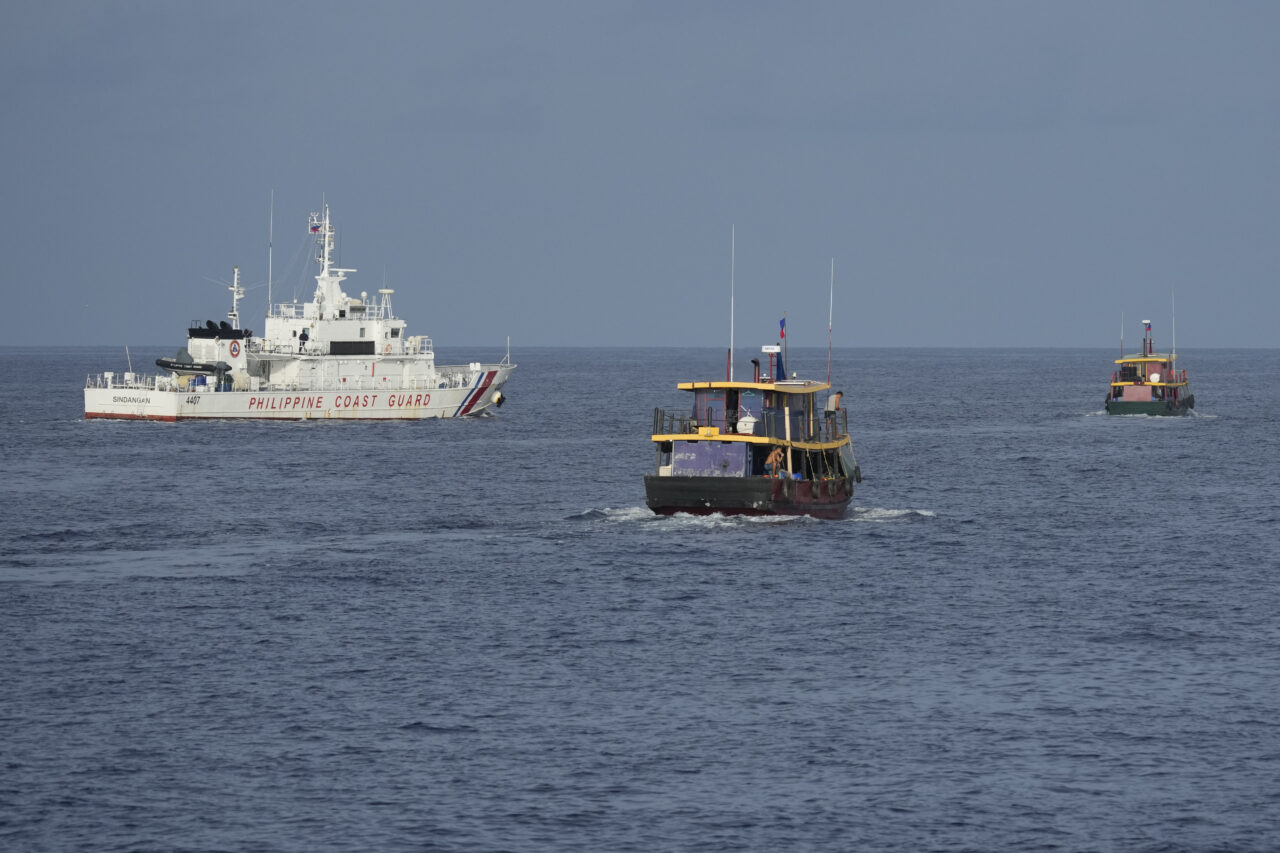
The Philippines accuses China of putting up a "floating barrier" that is stopping fishermen in a disputed area of the South China Sea, CNN reports.
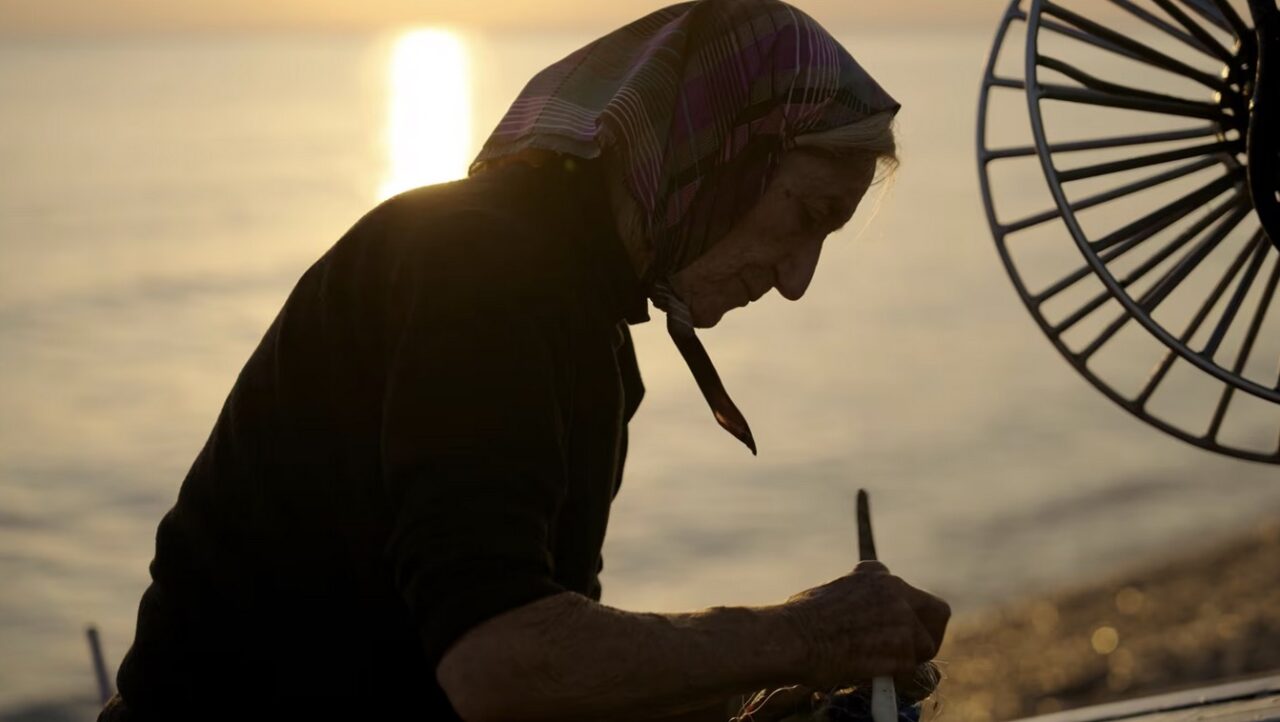
How profound can one's connection with the sea truly be? At 87 years old, Anna Maria Verzino has dedicated her entire life to the relentless embrace of the ocean. From a tender age, she made a resolute decision that the sea would reign supreme in her existence.

A small crowd has gathered at the edge of Rönne å in Skåne to participate in the annual eel release. Almost a million eels are released all over Sweden every year, to compensate for the fact that they cannot get past the expanded power plants by themselves.

It’s one of the planet’s largest biomass aggregations…an annual migration of sardines up the coast of South Africa. Millions, if not billions, of small fish migrate up the east coast pursued by sharks, whales and dolphins. And at the very end of this chase - humans.

The EU Commission proposes a stop to herring fishing in the Baltic Sea and the Gulf of Bothnia. The reason is that fish stocks are at or below minimum levels.

It thrives and happily jumps over the surface of the water. Öresund has become a haunt for the formerly outfished bluefin tuna. - I have never experienced so much tuna before, says marine biologist Jens Peder Jeppesen at the Öresund Aquarium in Helsingör.

The "Trabocchi" are clever wooden machines invented by farmers who needed an easier way to fish, replacing the uncertainty of boats. These unique structures are symbols of the Abruzzo region in central Italy. However, a shift has occurred in recent times.

At ten locations around Sweden's coasts, clean-up operations are to be carried out to collect the fishing gear that has been lost in lakes and seas, The Maritime and Water Agency (Hav) states in a press release.

Prosecutor James von Reis writes that "it is not possible to prove who committed the deed".

