Bottom Trawling in the Swedish Kosterhavet Marine National Park May Continue
Although a general ban on bottom trawling in marine protected areas will be in force from first July this year, exceptions are now being made.
The Swedish Agency for Marine and Water Management has today decided that shrimp fishing may continue in Kosterfjorden-Väderöfjorden for an indefinite period.
In Gullmarsfjorden, shrimp fishing is to be phased out and completely banned by July 2027.
Text: Marika Griehsel
“It is the purpose of the area that forms the basis of our decision, not any economic considerations,” says Martin Rydgren in a comment to Deep Sea Reporter.
“We believe there are tools available to protect the natural values in these areas.”
He refers to additional training for commercial fishermen who bottom trawl for shrimp, real-time monitoring of vessel positions, and close cooperation between fishermen, researchers and authorities.
Evaluations will also be carried out and licences may be reviewed on an ongoing basis.
Trawling is already prohibited in waters shallower than 60 metres, and all fishing is banned in particularly sensitive areas.
The Swedish shrimp is listed as endangered by Artdatabanken. It has also lost its MSC certification.
Today, there are around 30 active commercial fishermen trawling for shrimp in the area.
Sten Frohm, Secretary General of the organisation Sportfiskarna, says they welcome the decision to ban bottom trawling for shrimp in Gullmarsfjorden, even though it will take another year before it is implemented.
“We must reluctantly accept that it is permitted in Kosterhavet National Park, but that was the premise when the park was established in 2009. A certain amount of small-scale fishing was to be permitted; otherwise, it would not have become a protected area. It is very important that fishing is continuously monitored to minimise damage to the sensitive environment.”
Sten Frohm also says that they will keep a close eye on developments, as there are many species and environments threatened by bottom trawling.
He also mentions that bottom trawling for crayfish is still permitted within the 3-nautical-mile trawling limit off the west coast.
“That issue must also be addressed. If crayfish fishing were carried out using traps, marine life would be protected in a completely different way.”
See our reports and photos from the affected areas. Kosterhavets nationalpark – a paperpark.
About Deep Sea Reporter: Our ambition is to examine and report on issues related to the sea and the life that exists beneath its surface. We operate in the public interest and are independent of political, commercial, and other interests in society.
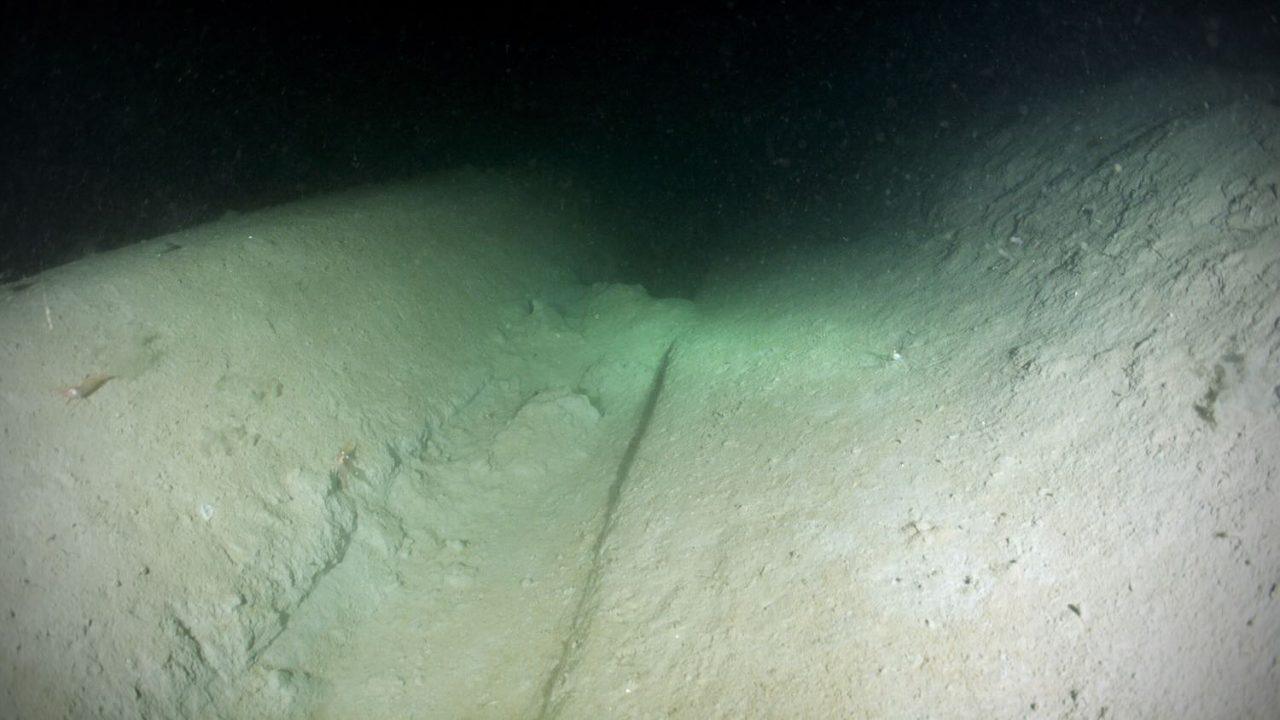
Cover photo: The seabed in Gullmarsfjorden after bottom trawling.