El Niño leads to a state of emergency in several South American countries
In Peru, the authorities have declared a four-month state of emergency for the fisheries and aquaculture sector. El Niño events are around 36 per cent more intense than they were before industrialisation. And this trend has accelerated over the last four decades. This is according to a new study published in the scientific journal Science.
Text Marika Griehsel
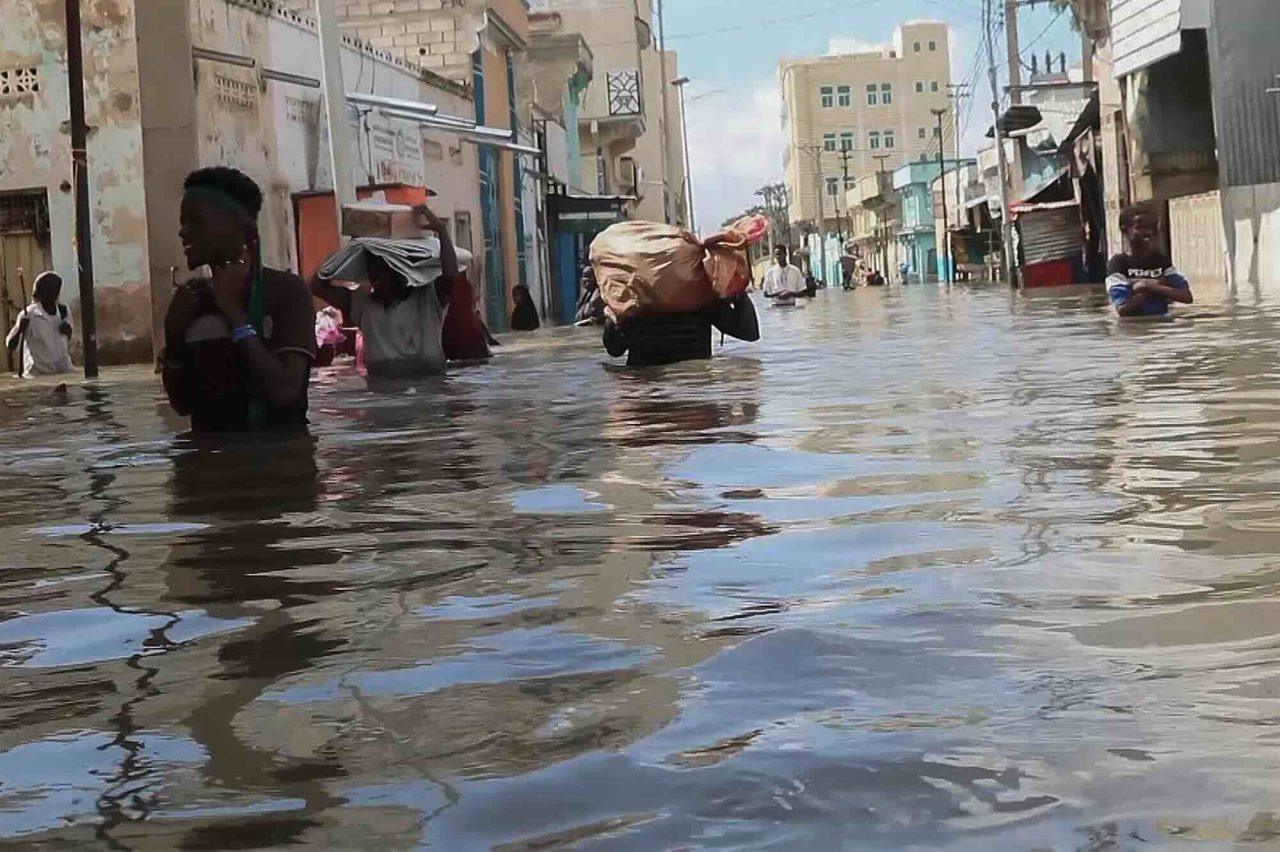
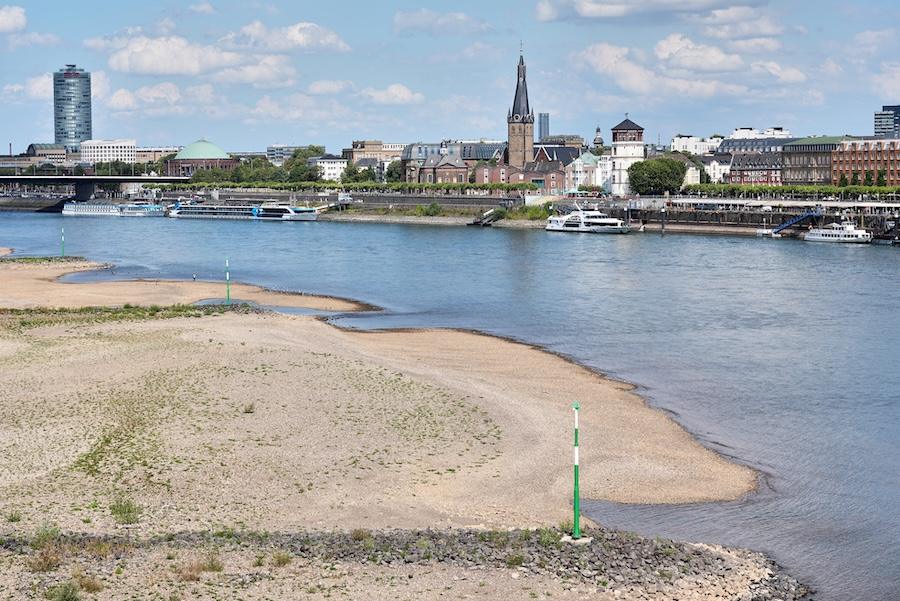
El Niño, which occurs on average every two to seven years, warms the surface waters of the eastern Pacific Ocean. This leads to more extreme weather events, often resulting in droughts in some parts of the world and floods in others.
At the same time, climate change has driven sea temperatures to record levels, which is exacerbating the situation.
Panama, El Salvador and Honduras have previously declared a state of emergency due to water shortages, and warnings have been issued about the risk of famine. Low water levels have also significantly reduced shipping traffic through the Panama Canal, which is having a negative impact on the region’s economy.
Peru catches more anchovies than any other country in the world, primarily for the production of fishmeal and fish oil. When El Niño warms the coastal waters, the anchovies migrate away from the coast and the government is forced to shorten the fishing season. Global prices for fishmeal and fish oil, which are closely linked to Peruvian production, are expected to rise.
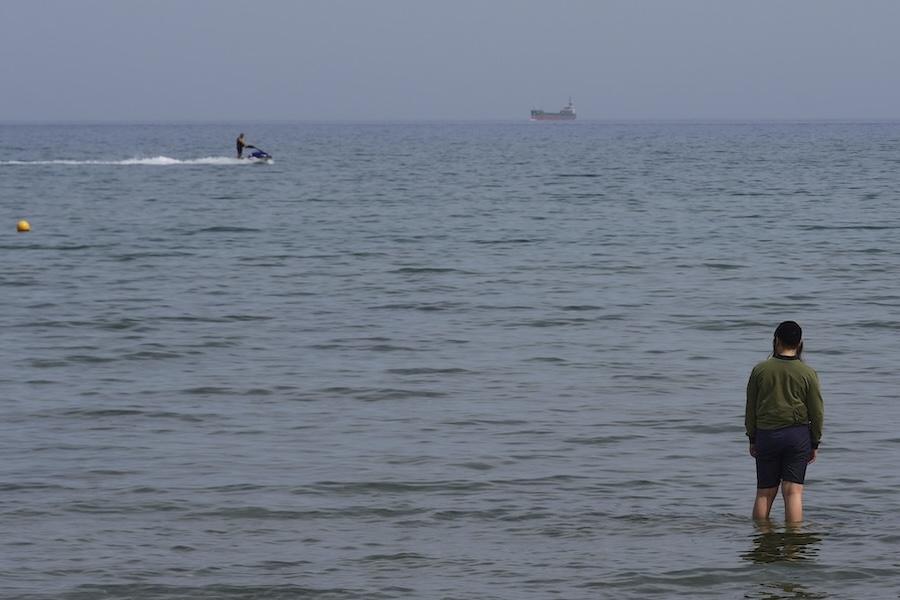
A ‘super El Niño’ means that sea surface temperatures in the tropical Pacific rise by more than two degrees Celsius. The ocean then releases extra heat into the atmosphere, contributing to a rise in the global average temperature.
Higher sea surface temperatures pose major problems for marine wildlife and fisheries
As the oceans warm, more distinct layers form, resulting in warm, nutrient-poor water remaining at the surface, whilst colder, nutrient-rich water is retained deeper down. Stratification makes it harder for nutrients to rise to the surface. This means there are fewer nutrients available for phytoplankton – the tiny plants that form the basis of the marine food chain.
With less phytoplankton in the oceans, there is less food for zooplankton (drifting animals that feed on phytoplankton), fish and larger animals, including seabirds and marine mammals.
It is important to understand El Niño as it helps governments, communities and industries to prepare for changes in weather patterns that may affect food production, water supplies, healthcare systems and infrastructure.
Link to article in Science: El Niño is getting more intense