

Oxygen depletion in the sea
The ocean’s remarkable ability to absorb almost all the excess heat we produce is beginning to wane. There are many reasons for this, and the ones that receive the most attention in the media and in research are global warming and the fact that the water is becoming increasingly acidic.
But what is also happening is a rapid loss of dissolved oxygen. Put simply, the sea is running out of oxygen. And a sea that is gasping for breath is a cause for concern for the entire planet.
Text: Lena Scherman
Researchers at the Scripps Institution of Oceanography at UC San Diego have carried out a review of oxygen depletion, in order to shift the focus away from acidification and global warming alone.
And now researchers are warning that the widespread “oxygen depletion in the water” is rapidly driving the planet into a “state of uncertainty”. Changes that could persist for centuries to come.
In 2009, Professor Johan Rockström, together with the team at the Stockholm Resilience Centre, developed a framework for what Rockström calls the “Corridor of Life”. A model – ‘Planetary Boundaries’ – covering nine environmental processes that are crucial for a stable and resilient Earth. Now, the researchers behind the latest observations want to link the oxygen depletion to the ‘Planetary Boundaries’ model.
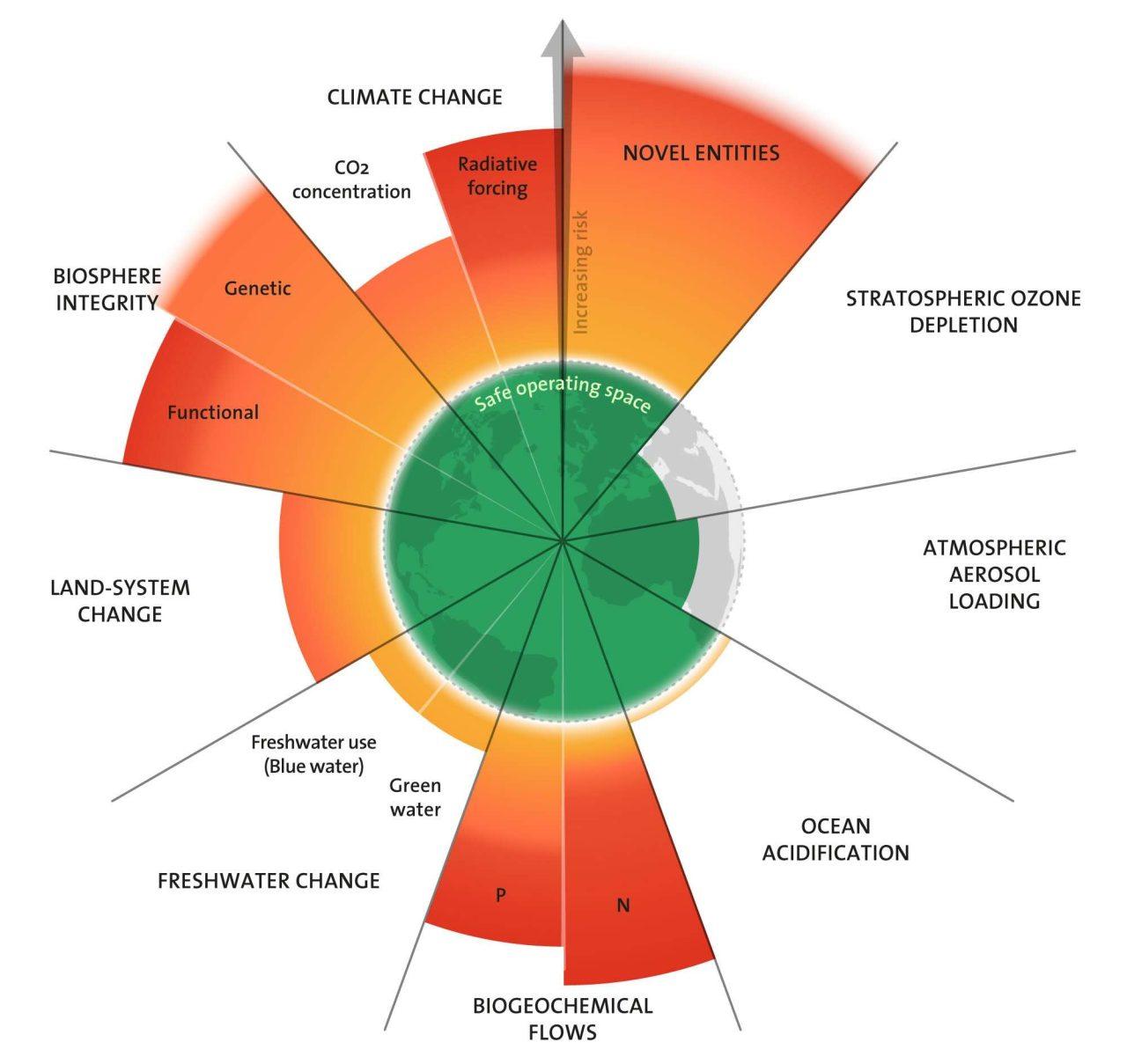
“The health and stability of our planet depend on the health and stability of aquatic ecosystems, and these need oxygen to function normally,” says lead author Erica Ferrer, a postdoctoral researcher at UC Santa Barbara’s National Centre for Ecological Analysis and Synthesis and a former student at Scripps.
Erica Ferrer also states that oxygen depletion in waterways and the oceans poses a global threat that does not occur in isolation but must be viewed in a broader context.
According to the researchers behind the study, it is primarily human activity that has driven the loss of oxygen in the oceans. This is due to ocean warming caused by climate change, as warmer water naturally holds less dissolved gas than colder water. It is also due to nutrient pollution from agriculture and sewage, which triggers massive algal blooms; when these die and decompose, they consume enormous quantities of oxygen-rich water.
Link to the full research report.
About Deep Sea Reporter: Our ambition is to examine and report on issues related to the sea and the life that exists beneath its surface. We operate in the public interest and are independent of political, commercial, and other interests in society.


