Voices of our Ocean is a documentary made in collaboration with people from coastal communities around the world.
In their own words and with their own images, they talk about their relationship with the ocean, the urgent need to protect it, and how climate change is affecting and transforming their lives.
Many of the stories are from indigenous peoples, but not exclusively.
Each story was recorded by the individuals themselves using their own cameras and phones, and then edited into a final film by Deep Sea Reporter.
During the UN Climate Change Conference in Belém, Brazil, did we screen the film on two separate occasions, and followed that with a panel discussion.
Although each story is unique, they are united in a common call to action, driven by their love of the sea and their commitment to protecting it for the next generation.
And we hope that this will lead to further discussion on the issues raised.
Here we present them one by one.
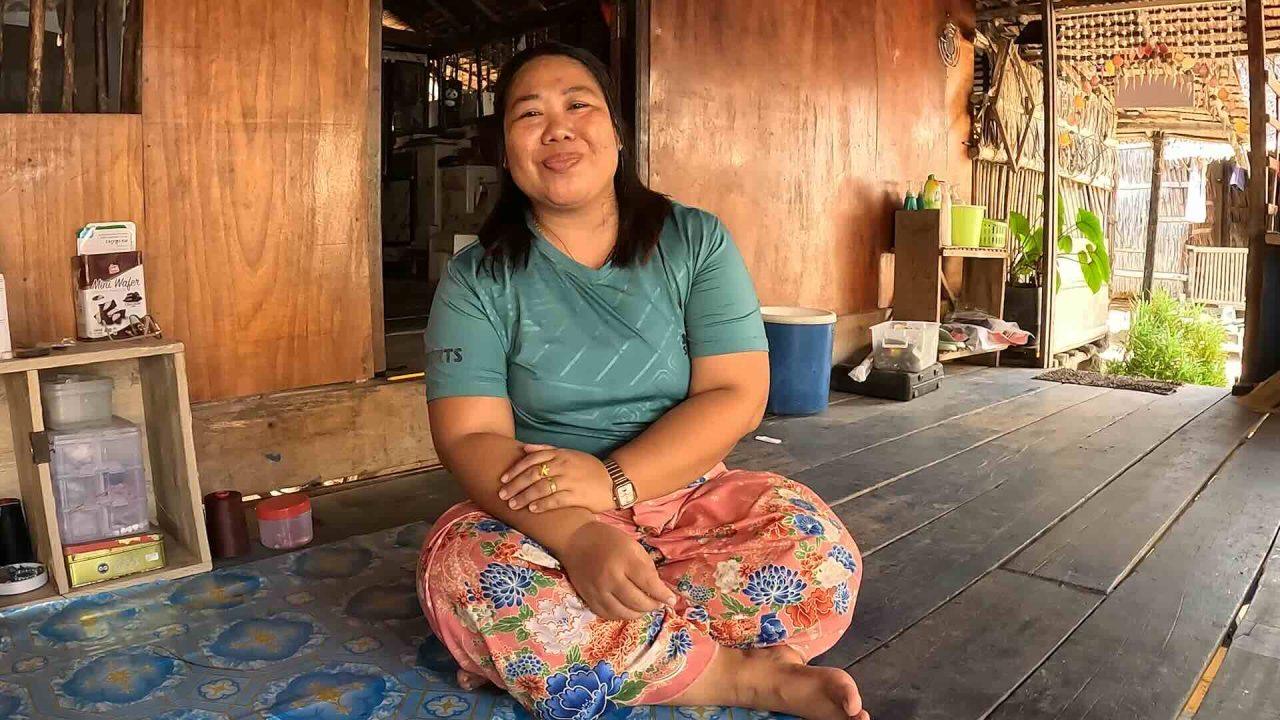
Vilasinee Klatalay hör till Moken-folket i Thailand. Tidigare bodde de i båtar på havet och flyttade mellan öarna. Men så ser det inte längre ut. 'When I was young, the water was clear and clean,' they say. 'There were lots of coral reefs and many different kinds of fish.' Today, they have stopped fishing and make a living by selling handicrafts made from plastic they have found in the sea, to tourists.

Andrea is a fourth-generation fisherman. The catch now is a lot lower because of the influx of tropical species brought about by warming temperatures. As he shows us the beautiful island of Burano, he also tells us about the drastic changes he has seen there. He urges that we must act now and together before it gets too late.
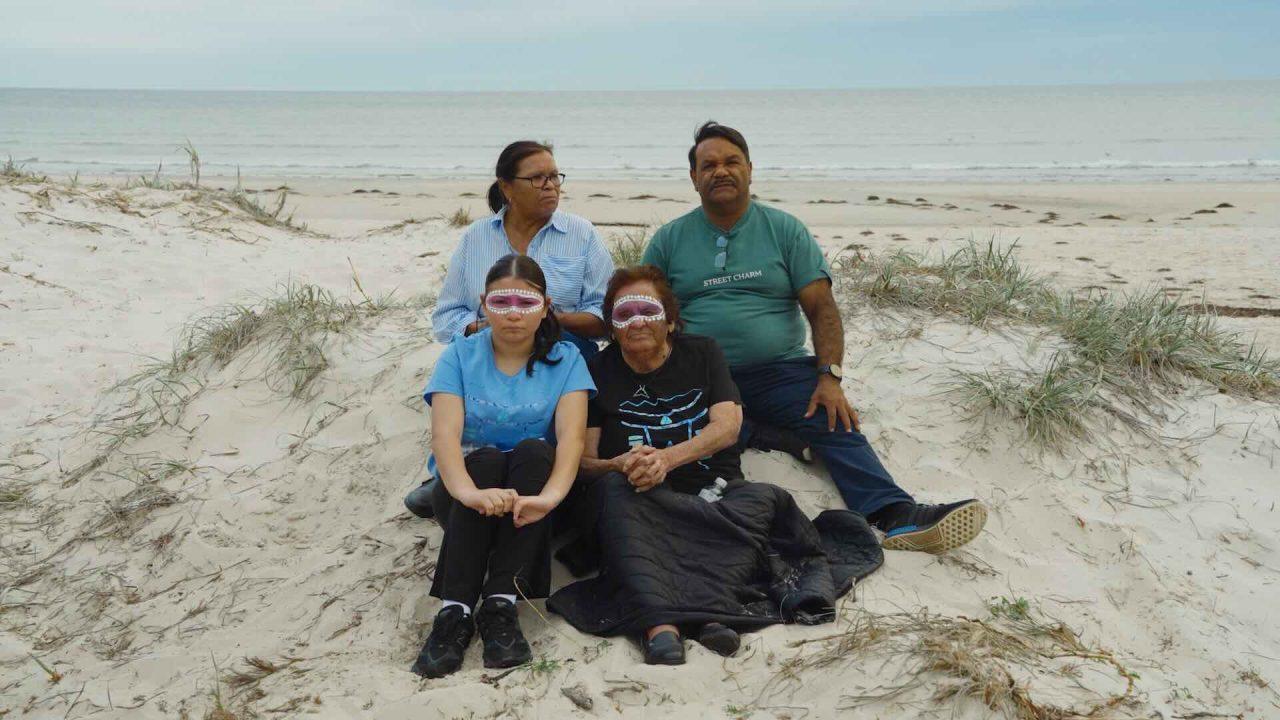
Earlier this year, the Great Australian Bight in southern Australia was hit by an algal bloom that lasted several months. The toxic algae killed sharks, crabs and octopuses, and spread very close to the world's largest sanctuary for whales. ‘This is an important warning sign,’ says Lily Miller-Lampard.
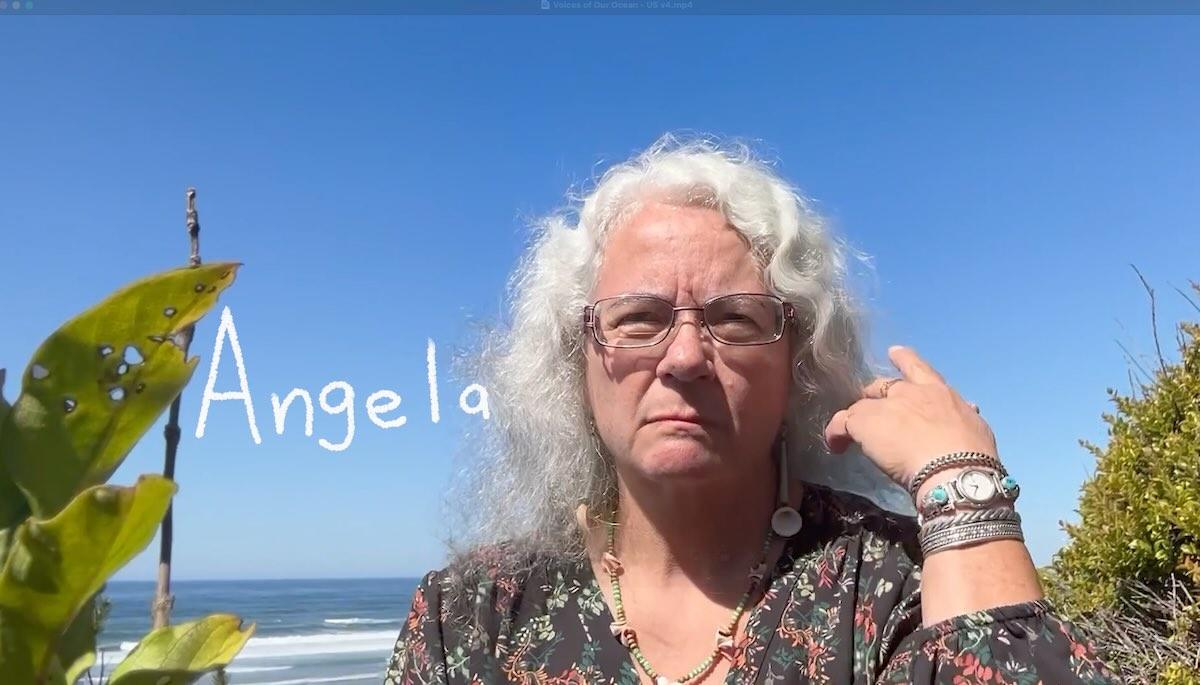
Angela Sondenaa belongs to the Siletz tribe in the American state of Oregon. After living in other places for many years, she has returned home and is now participating in a project to bring back the sea otters that have disappeared from the coast.
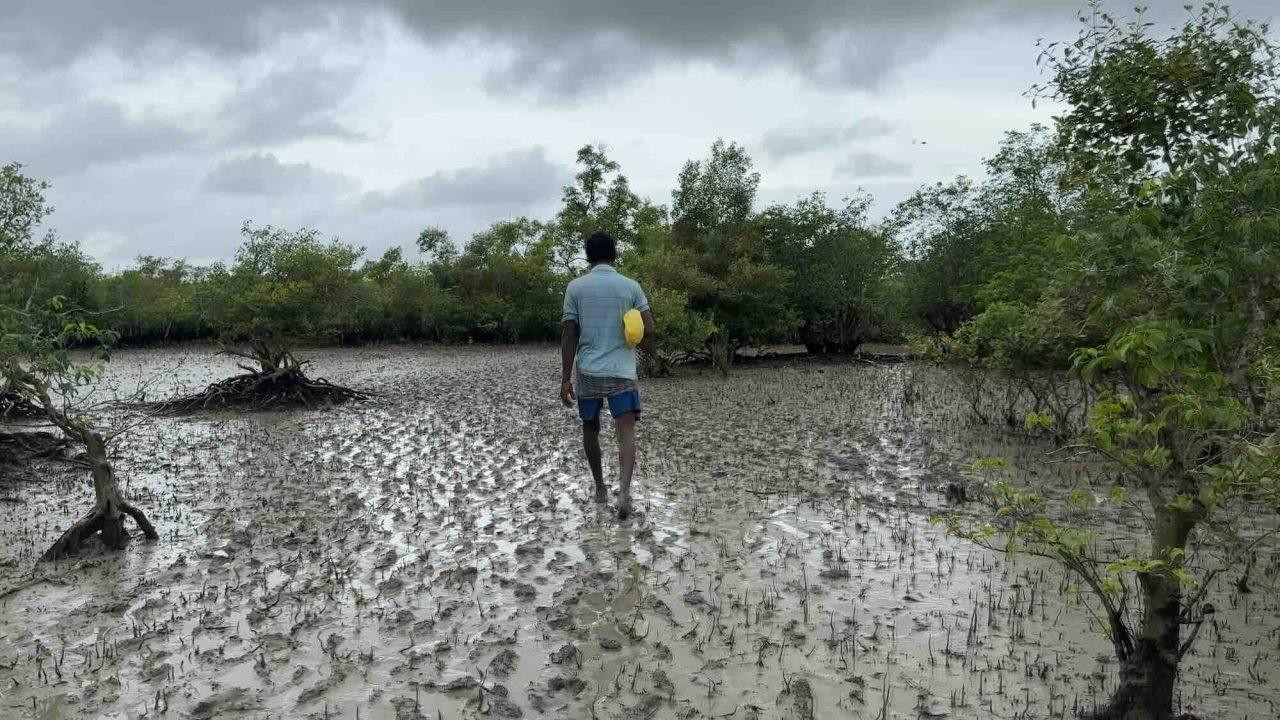
Bidyut tells the story about how the river has expanded by a third since he was a child. And the heavy rainfall he has seen lately is more than he has ever experienced before. He lives in the middle of Sundarban, a gigantic river delta that stretches across both sides of the Bangladeshi and Indian border. In recent years, the river has grown a third wider than when Bidyut was a child, and the rains are only getting heavier.
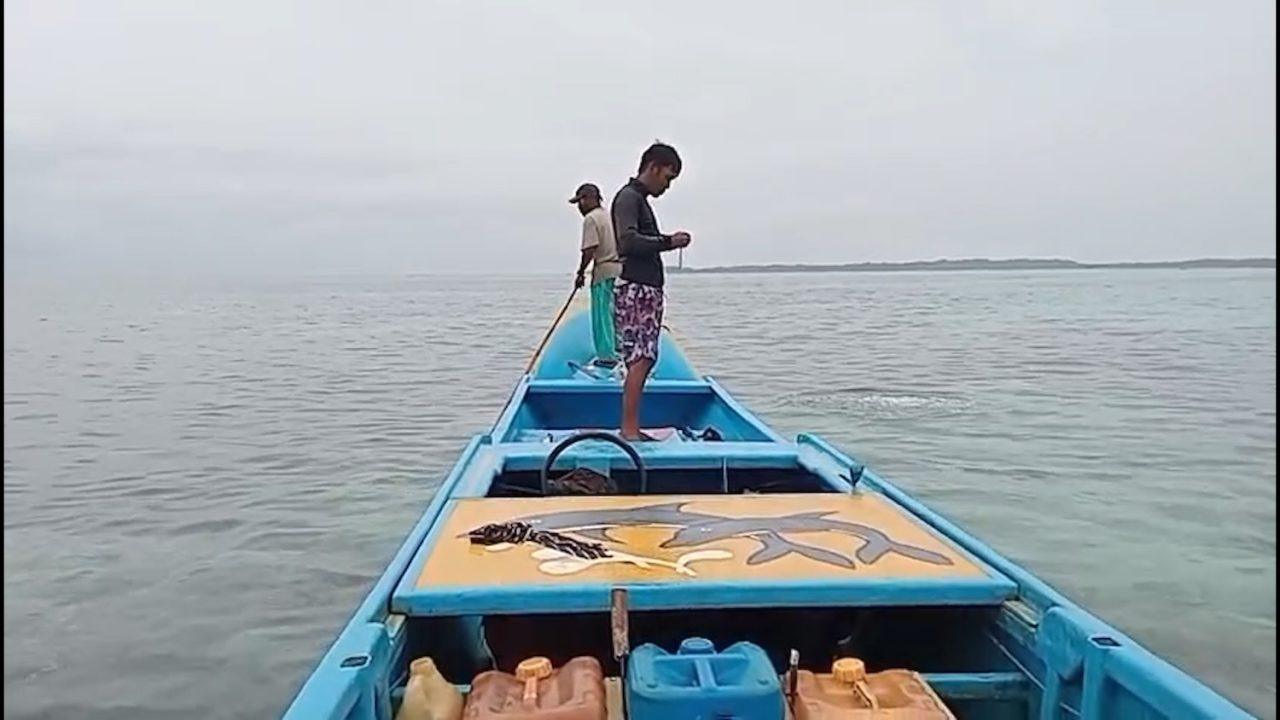
Pondang is a fisherman in Bajau Laut, located in Wakatobi National Park in Indonesia. Since he was born, he has had a strong connection to the sea.
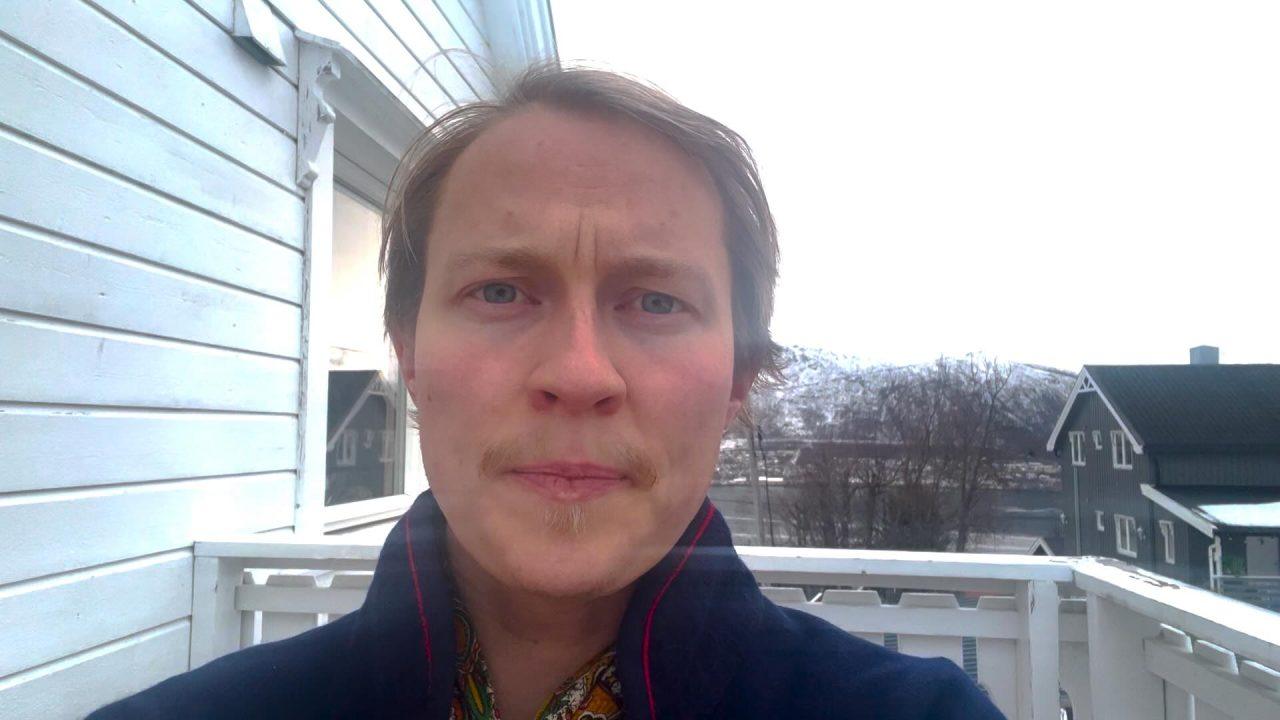
He is a Sámi musician who is inspired by the Sea. But Climate change is causing the Sami to lose their language and is badly impacting their identity. This is a story about music, language and culture change due to climate change. ‘A lot has changed in just two generations,’ says Emil in the film.
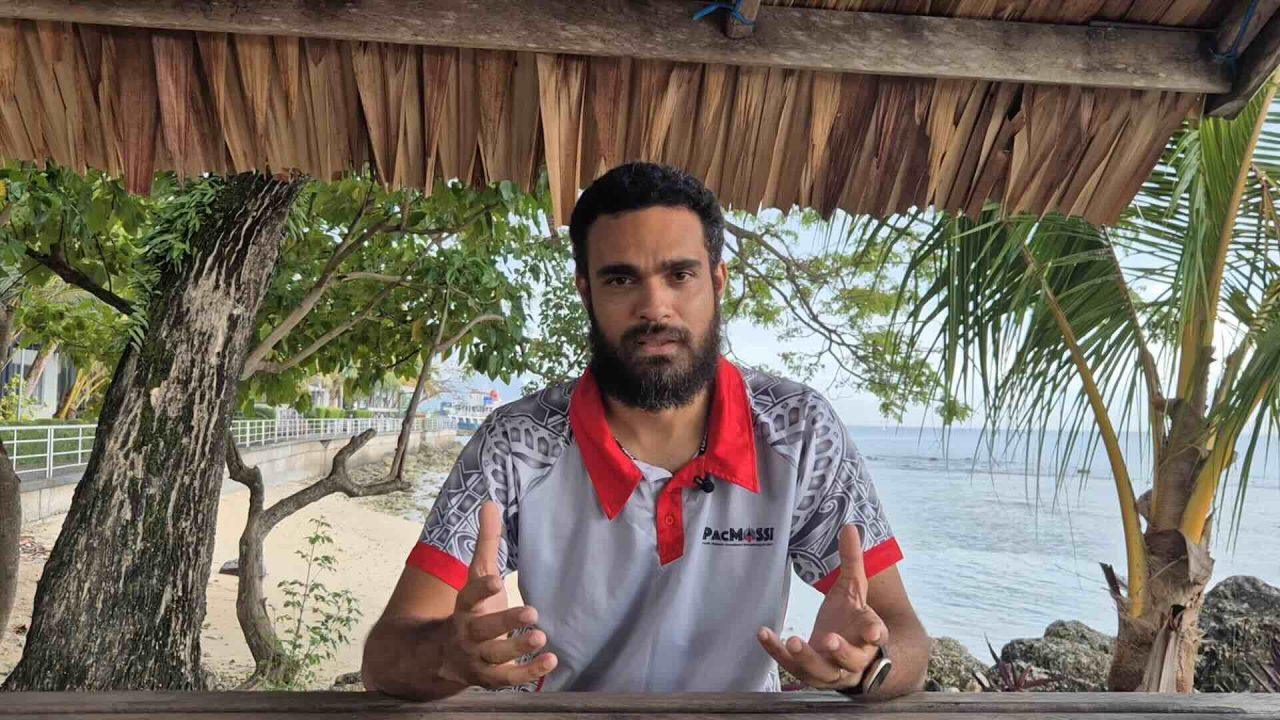
The Melanesian Ocean Reserve is the first indigenous led, multi-national Ocean reserve on Earth. It is important, because it demonstrates that indigenous people can come up with initiatives to steward and guard and protect our planet. Edgar calls for action at this year’s COP.

Friday lives in Makoko a slum area right on top of the sea in Lagos, Nigeria. For the most part Friday is happy in his day-to-day life, but he has big dreams to educate everyone in Makoko about climate change. During rainy season, many houses flood and children fall into the water - but using good bamboo could stop this from happening.
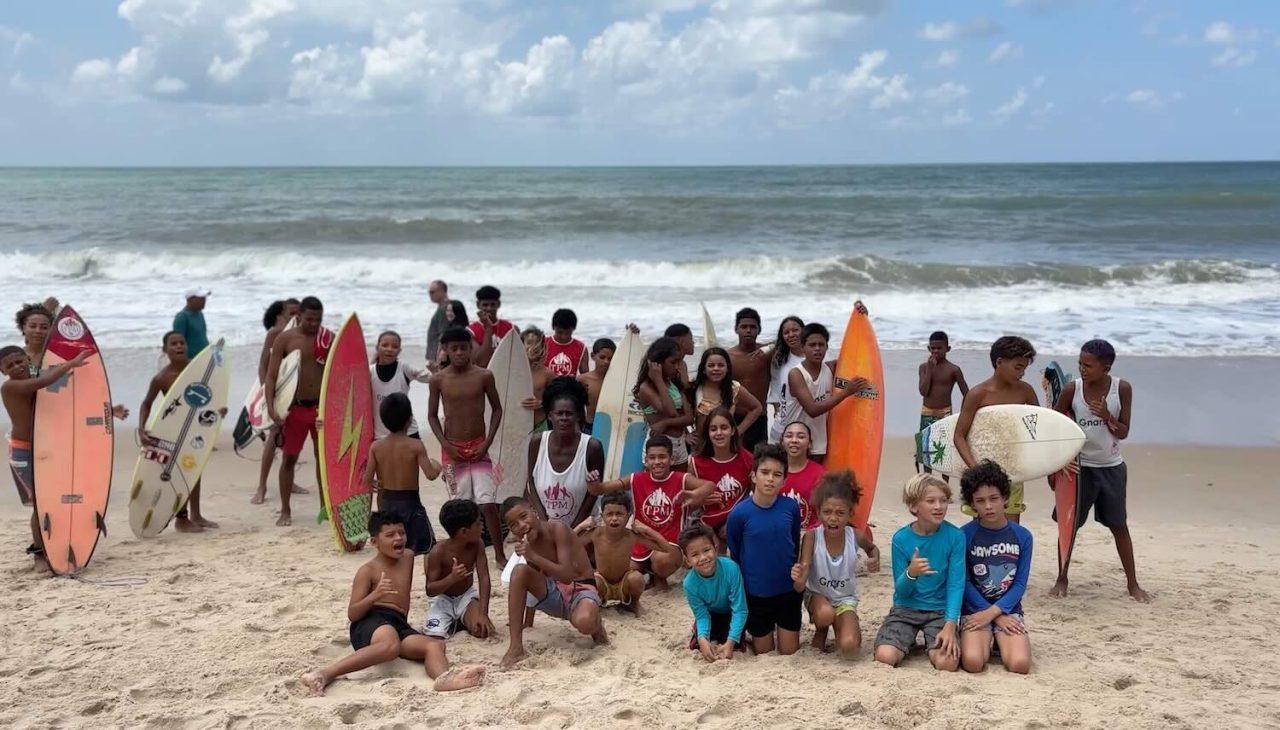
Nuala comes from Pernambuco in Brazil. She is a former professional surfer who runs a non-profit organisation that aims to democratise the sport while strengthening children's and women's connection to the sea.

