
On Monday, the EU Council of Ministers voted to increase the herring quota in the central Baltic Sea by 71 per cent. Sweden was the only Member State to call for the lowest possible quotas. This has broad political support at home – but not in Luxembourg.
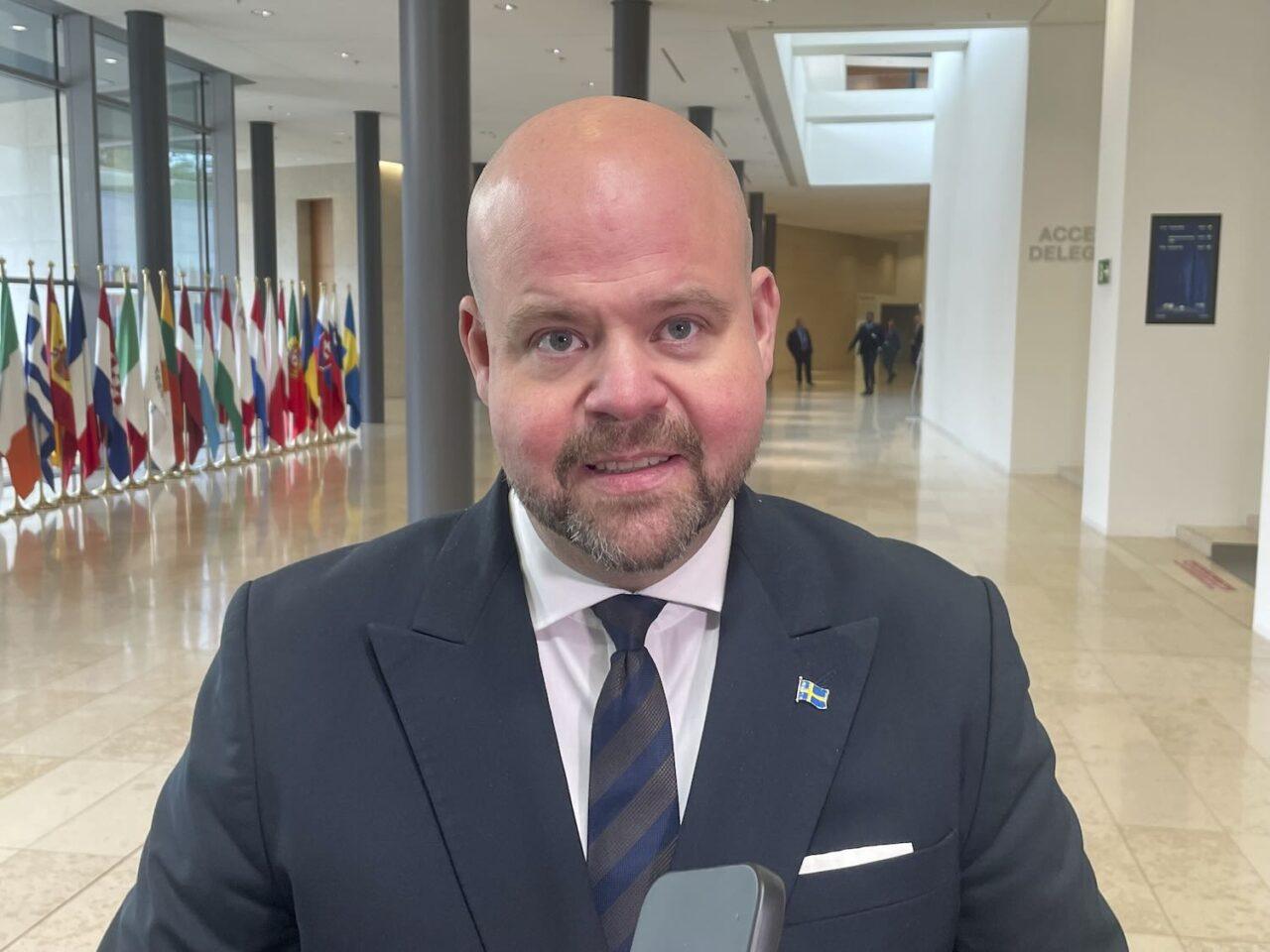
Herring fishing is set to increase in the Baltic Sea, despite opposition from Sweden. The government nevertheless considers next year’s quotas to be acceptable and relatively low. ‘Ridiculous,’ says the opposition.
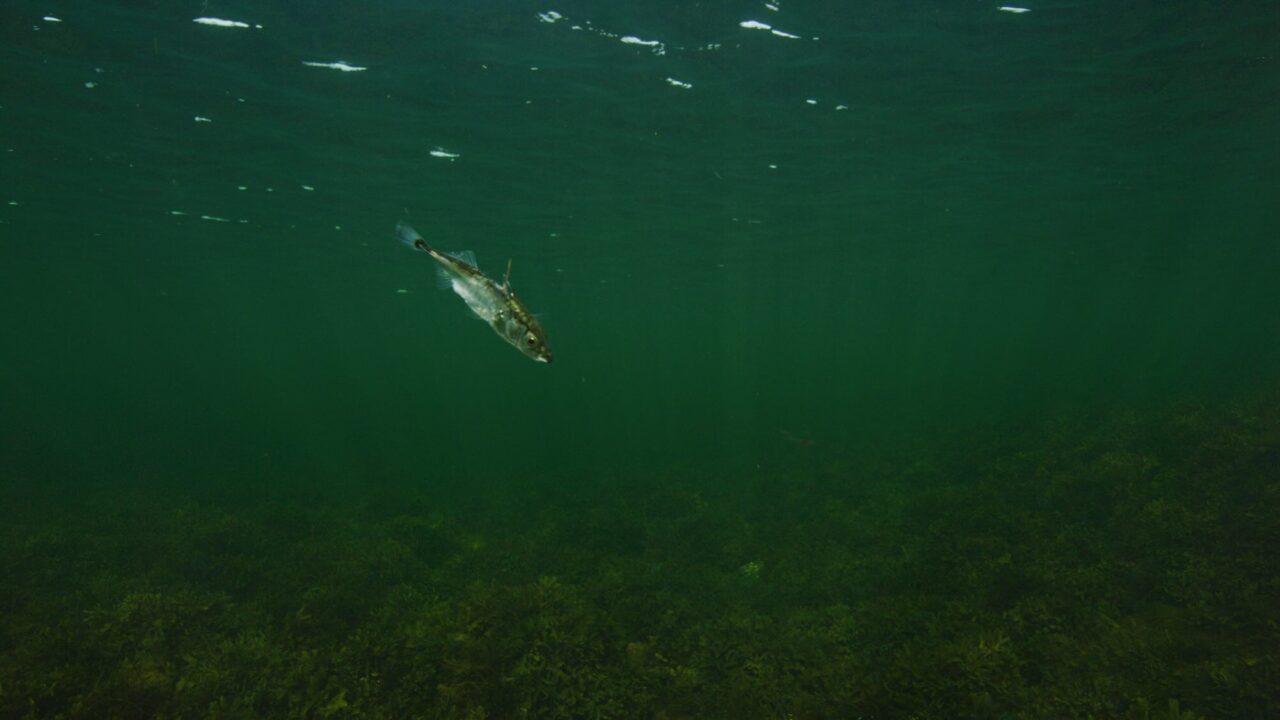
When the EU’s fisheries ministers meet to negotiate next year’s catch quotas at the end of October, Sweden will be taking a cautious line, whilst Finland wants to push for higher catches. Two countries that could be working together to ensure long-term sustainability in the ocean are instead standing on opposite shores, pulling in different directions. How did it come to this?
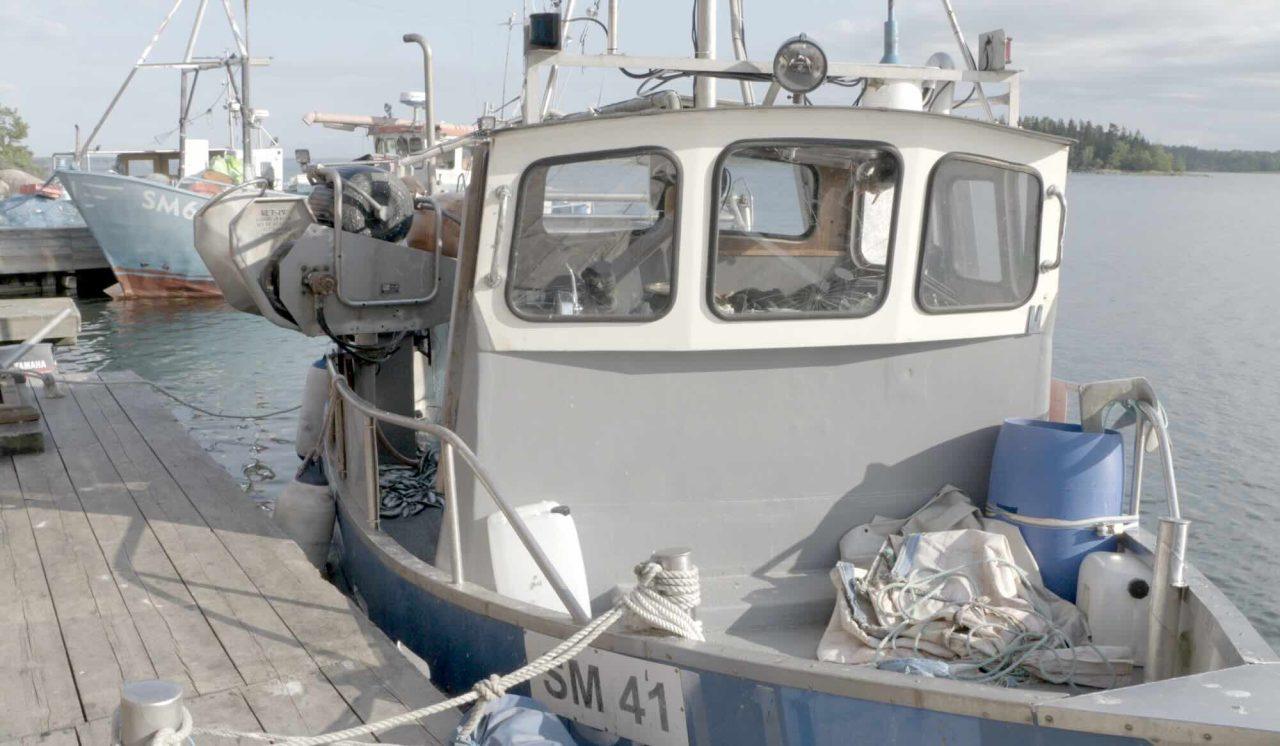
Herring stocks in the Baltic Sea have long been on the brink of collapse, but according to the International Council for the Exploration of the Sea (ICES), the stocks now appear to be increasing. ICES therefore believes that quotas can be increased – by up to 122 per cent
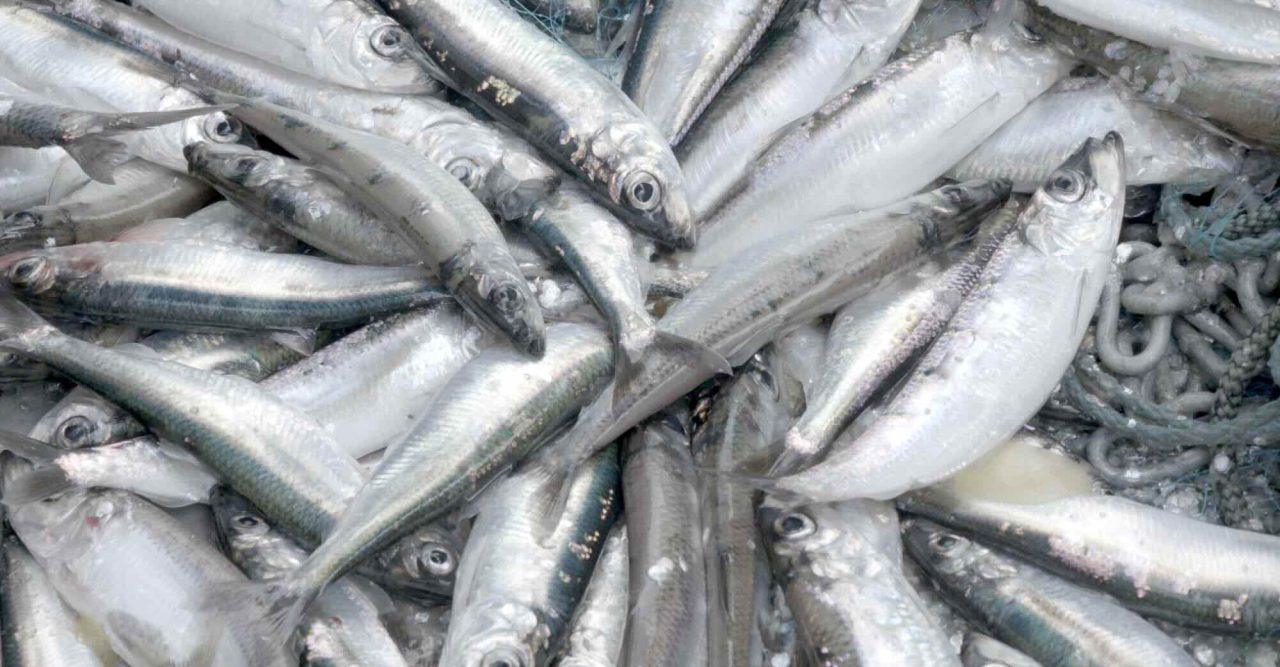
The International Council for the Exploration of the Sea (ICES) has presented its new recommendations for fishing in the Baltic Sea next year, which include significantly increased quotas for herring and sprat in the Baltic Sea.

The International Council for the Exploration of the Sea (ICES) is the organisation that provides scientific advice to the EU when deciding how much fishing is allowed each year. A new study from ICES shows that their calculation method may result in advice that implies a greater risk of excessive fishing pressure than previously thought.

Herring fishing in the Baltic Sea should shrink sharply next year, according to the International Council for the Exploration of the Sea (ICES). The stock is at levels close to or below what is considered sustainable.

