Strong El Niño to persist until February
The El Niño weather phenomenon is in full swing and is expected to cause weather disturbances until at least February next year, according to the World Meteorological Organisation (WMO).
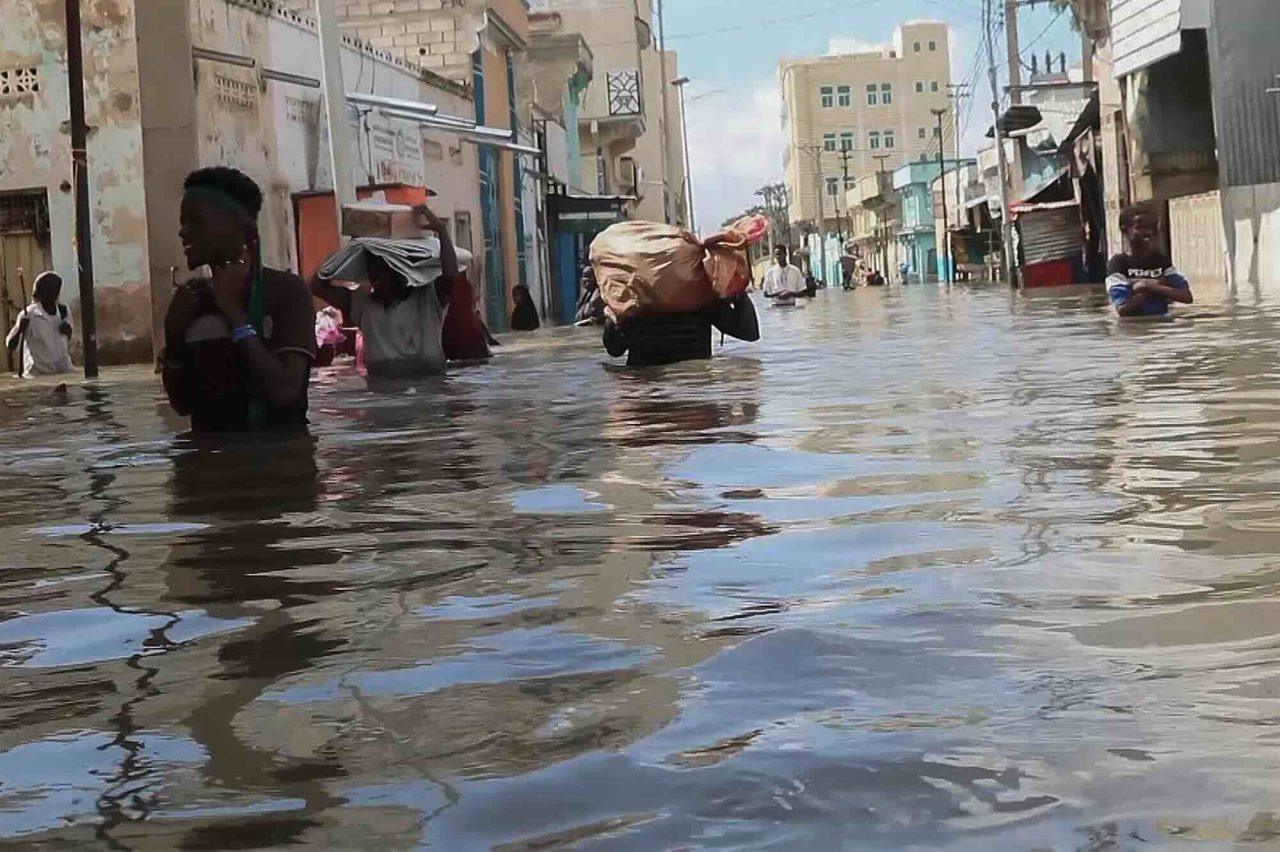
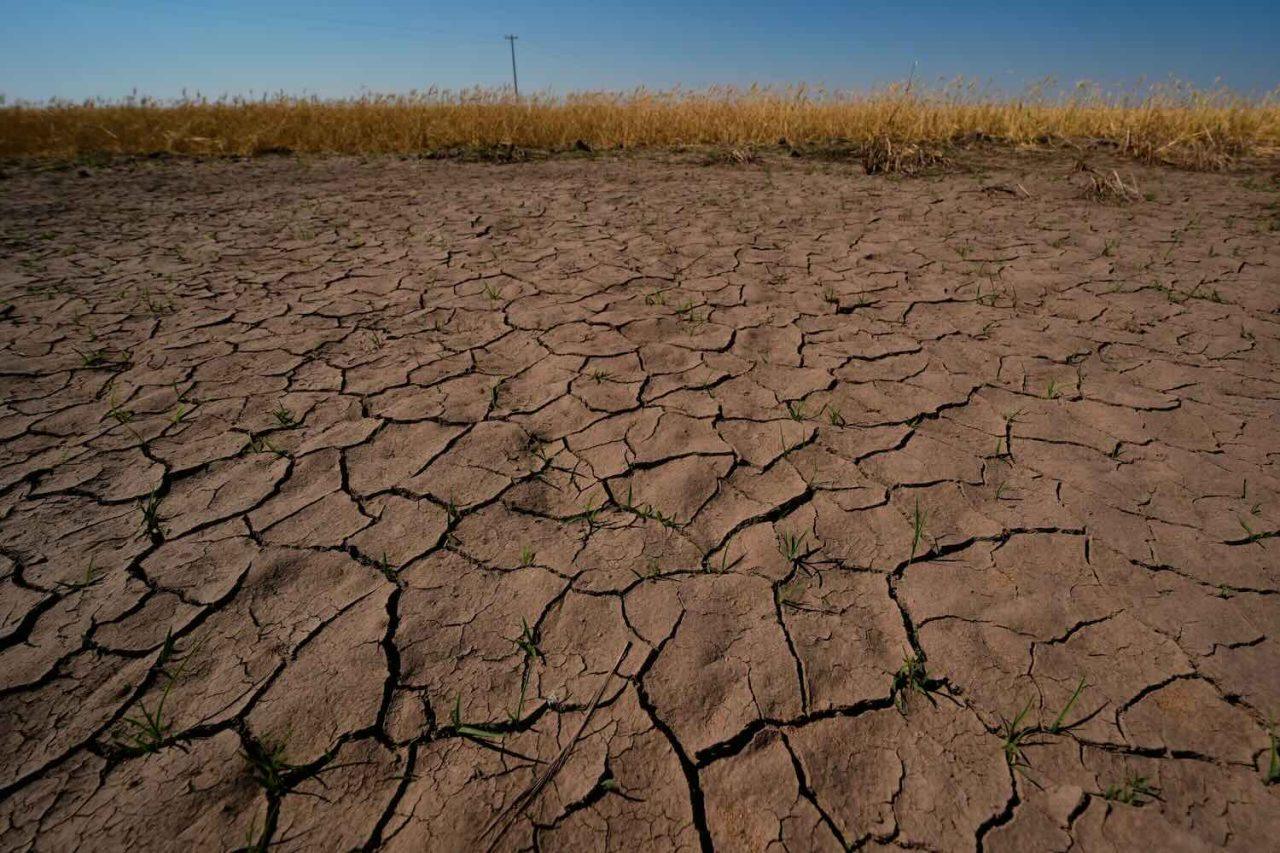
El Niño is a naturally recurring phenomenon in the Pacific Ocean, which has a significant impact on the weather across much of the world. A new analysis by the WMO concludes that the phenomenon will intensify and have a major impact on rainfall and temperatures, with increased risks of flooding in some areas, but also drought and extreme heat in others.
The likelihood of El Niño persisting until at least February next year is virtually 100 per cent, although it is expected to peak around the turn of the year.
Disruptions already underway
The name of the phenomenon – ‘the Christ Child’ – refers to the birth of the Baby Jesus, the Christmas season, when El Niño is usually at its strongest. But despite its cute name, El Niño can deal a massive blow to communities and economies worldwide, warns WMO Director Celeste Saulo in a press release:
“We are already seeing disruption and devastation caused by droughts and floods, and we expect these consequences to increase as El Niño intensifies,” she says.
El Niño occurs when the winds over the Pacific Ocean stall or shift eastwards, causing warm surface water to spread towards the western part of South America.
Climate change is making matters worse
The complex interaction with the atmosphere normally leads to drier weather over the Amazon, warmer conditions in the Caribbean and north-western North America, whilst the southern United States becomes colder and wetter. South-East Asia usually experiences hot and dry conditions, whilst large parts of Australia also become dry and hot.
Researchers have found it difficult to identify links to climate change because the phenomenon itself varies, but a recent study published in *Science* suggests that El Niño is intensifying in a warmer world, and that the variation is already 37 per cent greater than in a pre-industrial world.