The Finnish-Swedish ‘herring war’ is taking its toll on fish stocks in the Baltic Sea
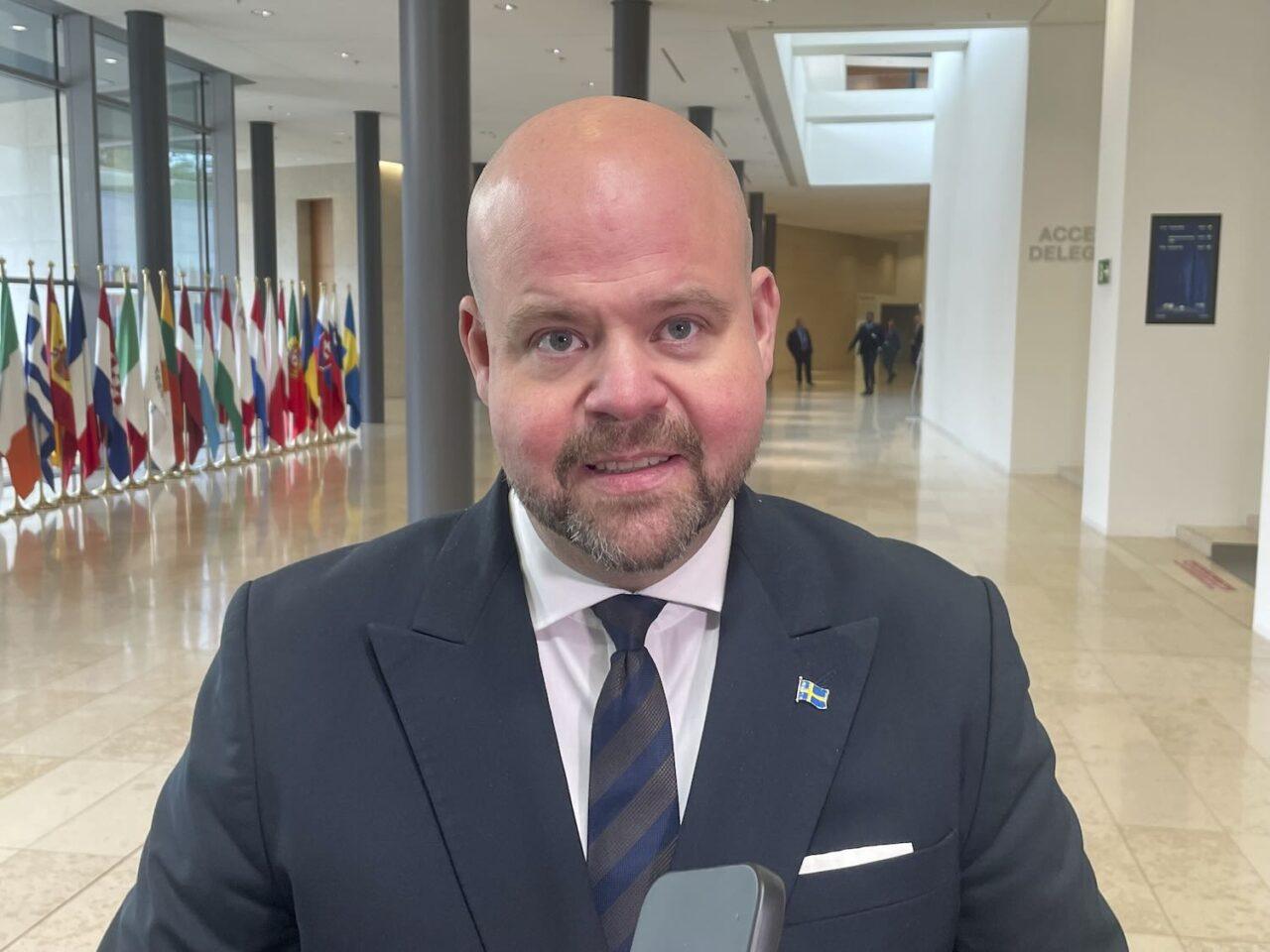
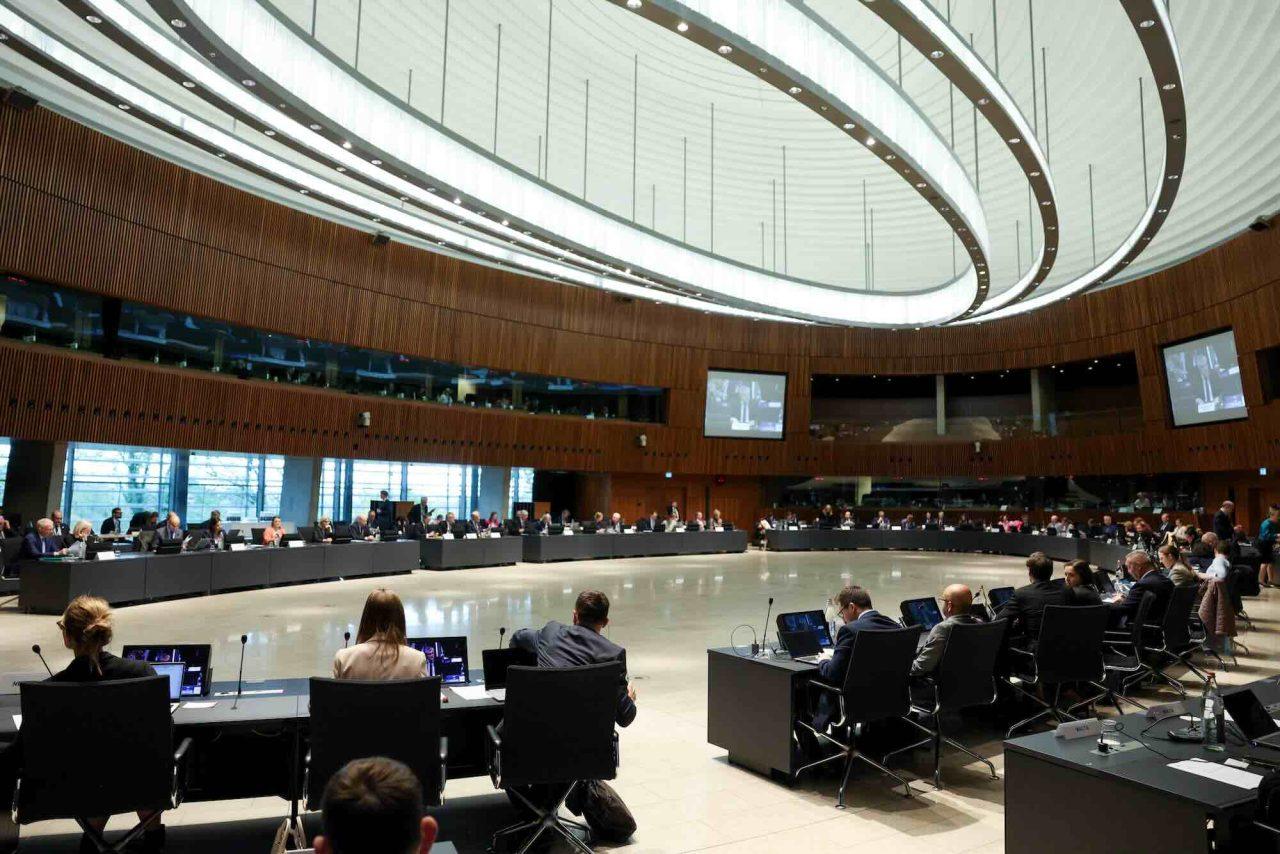
When the EU’s fisheries ministers meet to negotiate next year’s catch quotas at the end of October, Sweden will be taking a cautious line, whilst Finland wants to push for higher catches.
Two countries that could be working together to ensure long-term sustainability in the ocean are instead standing on opposite shores, pulling in different directions. How did it come to this?
When we were trying to find a way to approach the issue of the problems in the Baltic Sea, the advice we were given was: “Go to Finland. They’re the ones holding things up”, and we discovered that reality can look completely different depending on which country you’re in. And both sides claim to base their views on scientific facts.
Text: Tomas Lindblad and Maria Georgieva
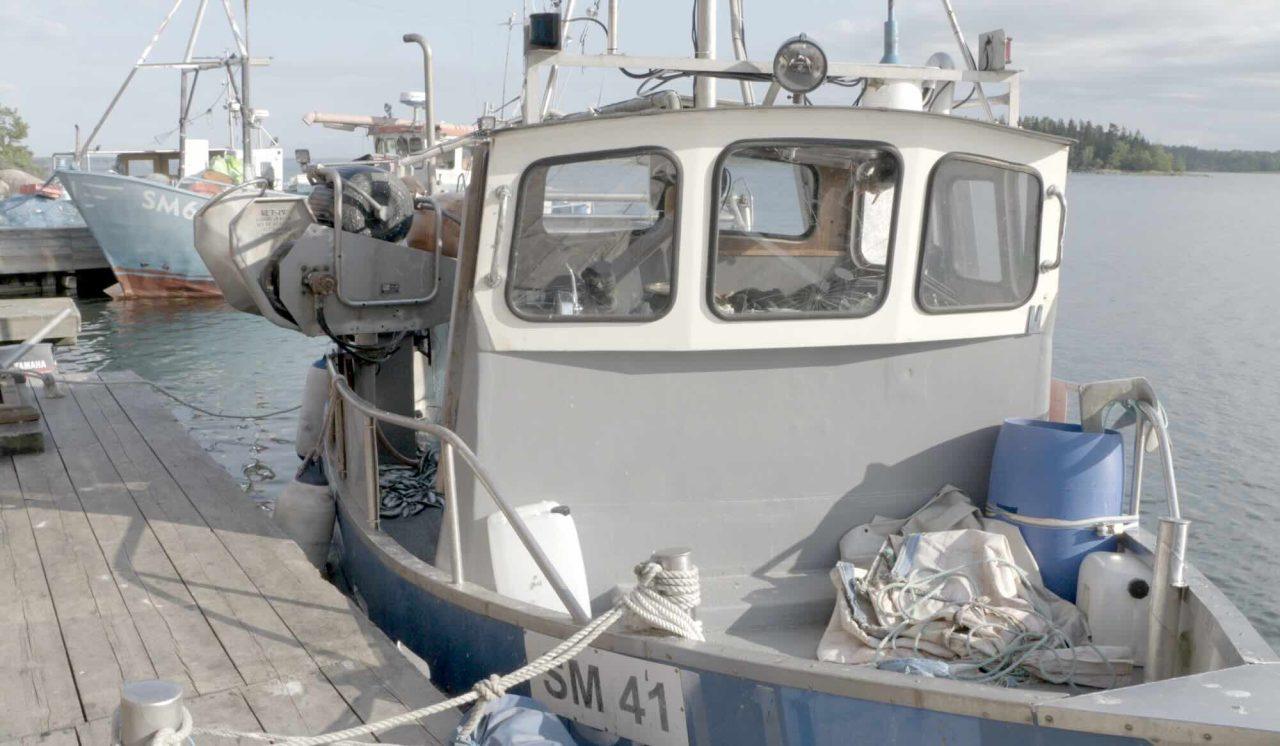
Herring stocks in the Baltic Sea have declined sharply over the past fifty years. Small-scale fishing along the Swedish coast has all but ceased due to a lack of fish. In the Gulf of Bothnia, sixty per cent of the herring has disappeared since 1991, and the situation in the central Baltic Sea looks just as bleak. Baltic Sea herring is on the World Wildlife Fund’s Red List and is scarcely available in Swedish shops. The problems have been well known for a long time.
On the Swedish side, there is now a reasonable degree of consensus among researchers, politicians and environmental organisations that the stocks would benefit from reduced fishing pressure to give the fish a chance to recover.
Battling Finland
In Finland, a different reality prevails. The fishing industry, politicians and scientists on the other side of the Baltic Sea may agree that there are problems, but they do not believe these can be solved by restricting fishing.
One might think it would be self-evident that two such closely related and environmentally conscious countries as Sweden and Finland could cooperate for the common good. Yet the view of what should be done differs radically between the two countries.
In Sweden, herring is regarded as a ‘near-threatened’ species. In Finland, any significant restriction on fishing is seen as a blow to the country’s fishing industry and to food security.
It has become a national rivalry over the fish, with Finland wanting to keep catches high whilst Sweden wants to curb them.
Sweden and Finland share the fishing quotas in the Gulf of Bothnia, with Finland taking the largest share. This means that our two countries could decide for themselves how to manage the fish stocks in the sea without interference from other countries. Even in the central parts of the Baltic Sea, Sweden and Finland would have a strong negotiating position if they maintained a united front within the EU system. But instead of cooperating, the countries have thus ended up in a wrestling match from which it seems difficult to extricate themselves.
Herring stocks at critical levels
The fact that herring stocks in the Baltic Sea have long been at critically low levels is not a fabrication by Swedish activists. In 2023, the European Commission even proposed a temporary fishing ban in the Gulf of Bothnia because it assessed the situation for the fish as serious. This radical proposal provoked a strong backlash from the Finnish side. Fisheries Minister Sari Essayah (KD) stated straight away that the proposal was both unreasonable and surprising, and said that Finland would “actively oppose” it.
Risto Lampinen, head of the commercial fisheries unit at the Ministry of Agriculture and Forestry in Helsinki, described the proposal as disproportionate, whilst the Finnish Parliament’s Environment Committee, led by the Greens, considered it to be contrary to scientific advice.
“The proposal for a fishing ban created a kind of defensive stance in Finland that still persists,” says Matti Ovaska of the Finnish World Wide Fund for Nature (WWF).
“It radicalised the Finnish side and led them to say: ‘We must, in a sense, fight back, because a ban on herring fishing would wipe out the Finnish fishing industry’” They couldn’t imagine that it was actually the Commission that had put forward the proposal. So, yes, it was a very big deal. I think the effect was that Finland began to adopt a more defensive stance on herring fishing. Perhaps a little more nationalistic, says Ovaska.
Sweden now has a unified national stance on the fishing issue. Although some are more radical than others, the parties in the Riksdag agree that fishing in the Baltic Sea should be kept at a cautious level.
“It’s in Finland where the shoe pinches”
“It’s in Finland where the shoe pinches,” says Isabella Lövin, a Swedish MEP for the Green Party who has worked on fisheries issues for many years. They catch most of the fish in the Gulf of Bothnia and have not been on board with any changes; so far, they have been very unsympathetic to our arguments.
The Finnish side insists that their approach follows scientific advice on the health of the fish stocks.
‘I can assure you that no one other than Finland is as committed to the state of the herring stock and its sustainable management,’ wrote Risto Lampinen, the Finnish Government’s Fisheries Adviser, in a blog post in response to the Swedish criticism.
One advice – several conclusions
And this year in particular, it looks as though Finland is receiving clear support for its approach from the International Council for the Exploration of the Sea (ICES).
It is ICES that provides the scientific advice on which Finland relies, advice that sets the limits on how much fish can be caught.
The final quotas for how much fish each country is allowed to catch are then determined in negotiations between the countries’ fisheries ministers in October.
Following this spring’s stock assessments, ICES concluded that there is more herring and sprat to be caught in the Baltic Sea than there has been for several years.
The main recommendation for 2027 was to increase catches significantly: herring fishing could rise by almost forty-five per cent in the Gulf of Bothnia and as much as seventy-five per cent in the central parts of the Baltic Sea, says the Swedish Institute for Marine Research.
Once ICES has issued its advice, it is reviewed by the European Commission, which is traditionally more focused on protecting fish stocks from overfishing. The Commission is quite simply closer to the Swedish view of the situation.
The EU Commissioner responsible for fisheries, Costas Kadis of Greece, emphasised the importance of protecting stocks, despite this year’s reports of more fish in the sea.
‘Scientists warn that it is still too early to speak of a trend, so we must be cautious. The bigger picture is very worrying. The Baltic Sea’s ecosystem is in a very poor state, and we must take action across the board to protect it.’
The Commission wants to increase fishing
The Commission’s recommendation for next year was therefore to increase fishing in the Gulf of Bothnia by just three per cent, and in the central Baltic Sea by just under fifty per cent – in other words, a significantly more restrictive fisheries policy.
The official Swedish position is broadly the same. The Swedish Agency for Marine and Water Management has advised the government to follow the Commission’s more cautious approach.
But Finland wants to do the opposite. As early as this summer, the Finnish government requested permission to increase fishing in the Gulf of Bothnia, citing the surveys carried out in the spring which indicated increased growth. In other words, they did not want to wait for the joint European negotiations this autumn.
And it is not the Commission that decides. It is the fisheries ministers of the EU Member States who will meet in Brussels at the end of October to negotiate next year’s catch quotas. And there, Finland’s representative is set to follow ICES’s advice – that is, to argue for a substantial increase in fishing. “To improve operating conditions for both the commercial fishing sector and the processing industry”, as the Finnish government states.
When comparing the traditional arguments put forward by our two countries, a clear pattern emerges. Put simply: the Swedish side emphasises caution, uncertainties and the risks associated with intensive fishing. Stocks need to recover, and the aim is to ensure long-term sustainability.
In Finland, fishing is highlighted as a vital industry of great economic importance that must not be subject to harsh restrictions. Nor is fishing seen as the problem.
And this year, as ICES advice opens the way for more intensive fishing, the situation looks something like this:
Sweden says that whilst stocks appear to have recovered, they remain vulnerable and there is considerable uncertainty, so fishing pressure should not be increased too quickly.
Finland says that stocks have improved significantly and ICES allows for considerably higher catches; therefore, the quota must be raised to provide stability for the fishing industry.
Swedish concerns
So the question arises: is it Sweden that is being alarmist and raising the alarm unnecessarily, or is it Finland that is recklessly exploiting this shared resource and risking the destruction of the stocks in order to prop up its fishing industry?
The widespread Swedish concern about how fishing will affect the state of the sea does not seem to exist in Finland to the same extent as in Sweden.
The Baltic Sea has been described as a sick patient, a sea that has suffered from health problems for decades. Eutrophication, low oxygen levels, warming, pollution and declining salinity are factors that are putting pressure on the ecosystem and fish stocks.
So what evidence is there that fishing is the real culprit? Perhaps other factors are more significant.
One of Finland’s leading researchers in the field, Jari Raitaniemi of the Finnish Natural Resources Institute LUKE, is keen to emphasise factors other than fishing itself as the main cause of the declining herring stocks.
‘Yes, environmental factors are very important.’ In the worst-case scenario, for example, eutrophication can destroy spawning grounds, and there is evidence that this has occurred in certain years in at least some of the bays in the Finnish Archipelago Sea,” says Raitaniemi in an email reply.
He also gives examples of how eutrophication and oxygen depletion affect the abundance of plankton, which is an important food source for herring.
Finnish environmental organisations confirm that this is a common sight in Finland.
‘I would say this is a long-standing tradition in Finland, particularly when we’re talking about the Gulf of Bothnia,’ says Matti Ovaska from the World Wide Fund for Nature (WWF) in Finland. There is a long scientific tradition in Finland of studying environmental factors and how they affect herring stocks. Traditionally, it is believed in Finland that fishing actually has a minor impact on herring stocks.
Over the years, numerous studies have been carried out to determine what is wrong with the Baltic Sea’s stressed ecosystem.
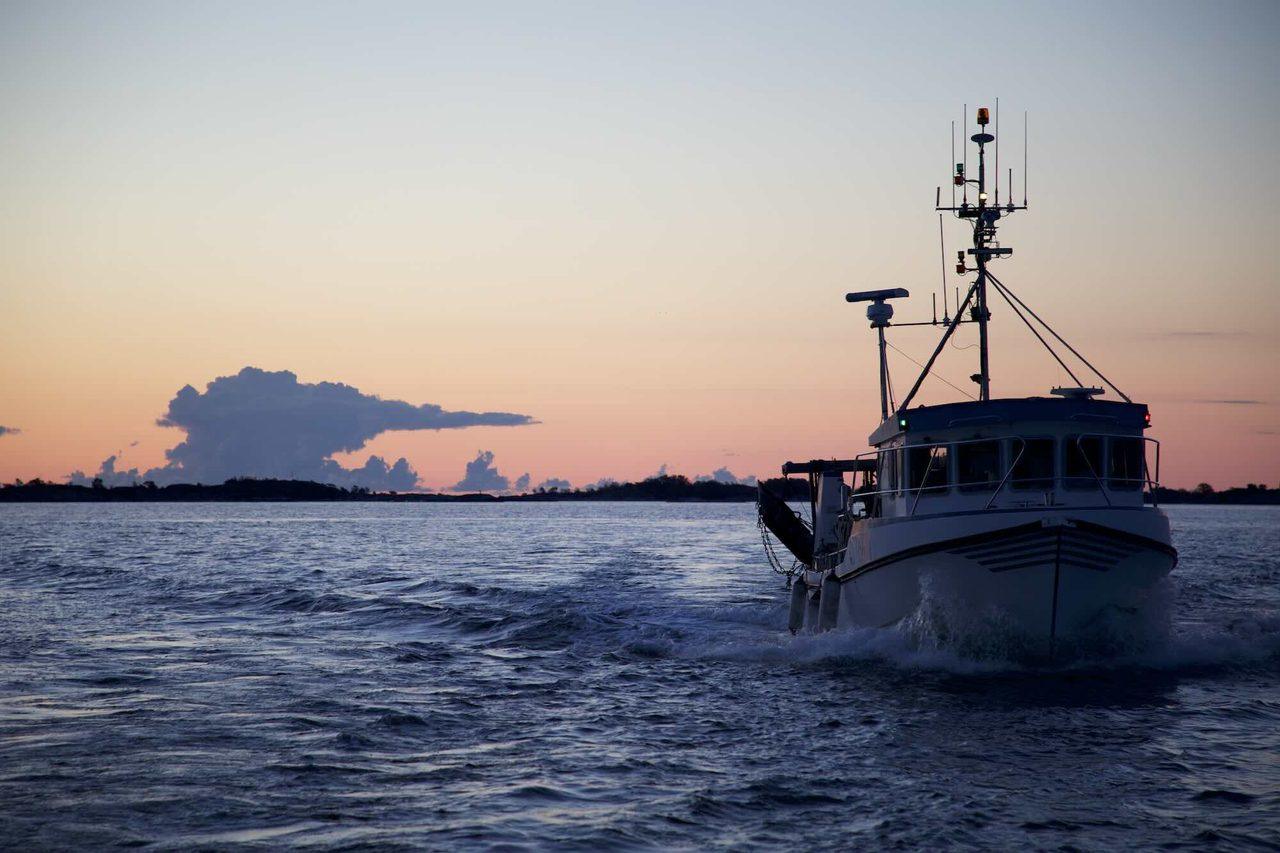
Overfishing and eutrophication behind the imbalance in the Baltic Sea
A major study from 2026 concludes that overfishing, together with eutrophication, are the two main causes of the ecological imbalance in the Baltic Sea. The interrelationships are complex, with many factors interacting in ways that are difficult to grasp. But of all the problems, there is, after all, one that we can quickly change.
‘I see fishing as a major factor,’ says Joakim Hjelm, head of the Marine Research Institute at SLU, the Swedish University of Agricultural Sciences. ‘And it is precisely fishing that we can influence directly if we only want to.’
But regardless of what the European Commission, the Swedish authorities and researchers say, Finland does, after all, have ICES’s advice on its side. The question, however, is how to interpret that advice. ICES specifies what is known as maximum sustainable yield, with little regard for the safety margins established by research.
Henrik Svedäng, a researcher at the Baltic Sea Centre, is one of many Swedish critics of ICES’s advice. He points out that stocks have fluctuated around critical levels since the 1980s. Small increases have led to higher quotas the following year.
‘This suggests that the stock is very depleted. A major problem is that growth has slowed. And this was already the case thirty to thirty-five years ago. Stock conditions fluctuate like a rollercoaster from one year to the next. And those fluctuations are trivial compared with the decline in overall growth,’ says Henrik Svedäng.
Mikaela Bergenius Nord at SLU has herself been responsible within ICES for assessing the herring stocks. Although she is a member of ICES, she told Dagens Nyheter two years ago that she personally believes the quotas should have been lower even earlier, but that ICES formulates its advice in the manner requested by the EU, which means that important risk assessments are not taken into account.
Furthermore, all Swedish parliamentary parties responded in a survey by Sportfiskarna and BalticWaters, conducted earlier this year, that this year’s recommendations are insufficient to achieve viable stocks.
None of the critics, therefore, dispute that stocks have increased this year compared with recent years. The criticism concerns ICES’s mandate from the EU: to calculate the maximum allowable catch for each stock individually, without taking into account how local stocks may vary, the effects on the ecosystem and the uncertainty in the data.
In Finland, too, there are voices that are sceptical of Finnish fisheries policy, but these come mainly from environmental campaigners with no links to the fishing industry. Matti Ovaska from WWF Finland would have liked to see a considerably more cautious approach from Finland, even though there appear to be more fish than there have been for several years.
‘For me, it was actually a great disappointment. The Commission’s proposal was, in fact, a good one this year, even though we would like to be even more cautious when it comes to herring in the Gulf of Bothnia. Our own proposal was actually even lower than the Commission’s for that particular stock.’
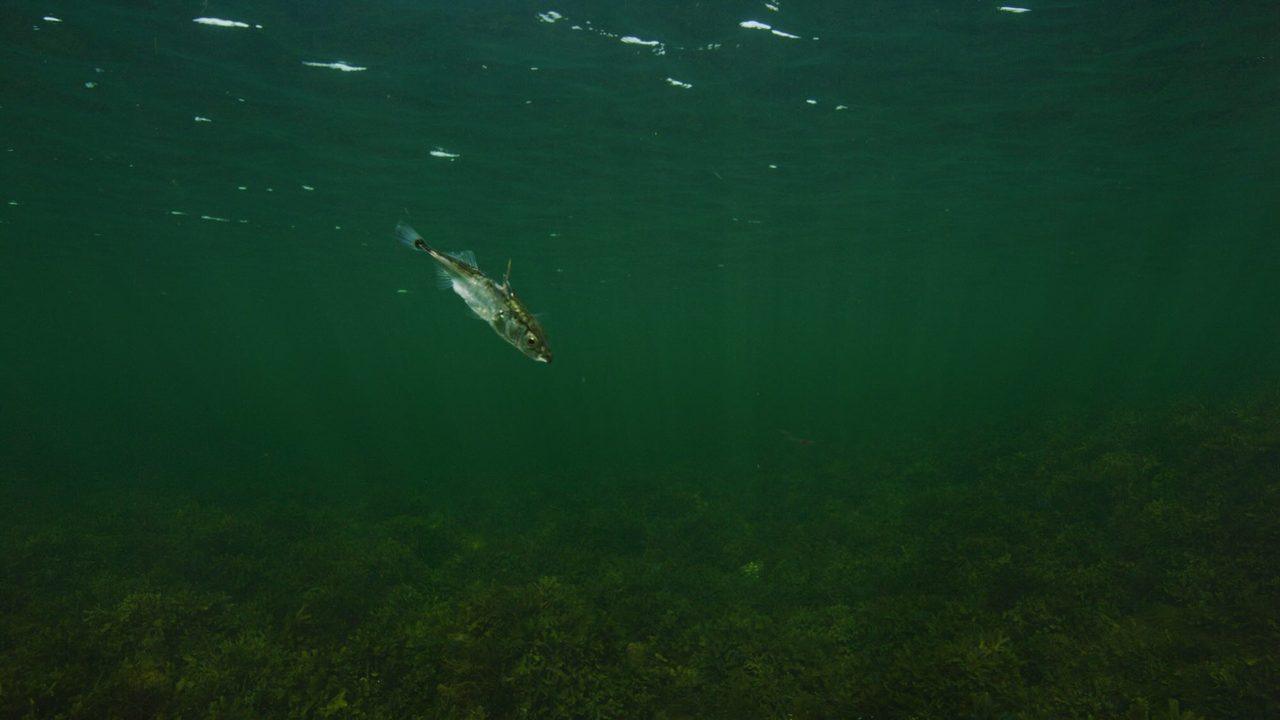
The environmental aspect
Jari Raitaniemi, a researcher at the Finnish Natural Resources Institute, claims that, for some unknown reason, herring seem to avoid the Swedish coast but are abundant on the Finnish side. He also points out that Finland has a tradition of eating even smaller herring, whilst Sweden prefers larger fish. This, he says, may have led to differences in how the fishing industry is perceived.
The Common Fisheries Policy emphasises how environmental requirements and the need for biodiversity must be balanced against what are termed ‘sociocultural factors’, which include the economic consequences of the policy. And this appears to be a major factor in understanding why Sweden and Finland cannot agree.
Finnish fisheries are not a huge industry, but there is a focus on developing fish farming for human consumption. Of the 2025 herring catch, over eighty per cent was used to produce fishmeal for feed for farmed fish or fur animals. Only three per cent ended up on Finnish plates. And the aim is for the feed for farmed fish – particularly rainbow trout – to come increasingly from the Baltic Sea, in order to make Finland less dependent on imports.
Another Finnish argument for keeping fishing going is that it is good for the environment. The argument, put forward by, amongst others, the Natural Resources Institute LUKE, is that fish taken from the sea reduce eutrophication, thereby improving the ecosystem.
There are many objections to this idea. Among other things, Baltic Waters has shown that fishing has a highly marginal impact on nutrient levels in the water.
So far, Sweden has the European Commission on its side, with Fisheries Commissioner Kostas Cadis calling for cooperation between countries to save the Baltic Sea:
‘The bigger picture is very worrying. The Baltic Sea’s ecosystem is in a very poor state, and we must take action across the board to protect it.’ This means that EU rules must be fully implemented and that we must cooperate at all levels to reverse this trend, and that we are all pulling in the same direction.
But the truth is that we are actually doing the exact opposite. And it is doubtful whether this will change in the forthcoming negotiations on the future of fishing in the Baltic Sea.
After all, it is not the Commission that decides on fisheries. It is the fisheries ministers of the EU Member States who, at the end of October, will determine the fate of the fish. And so far, it is the Finnish view on fisheries that dominates.
If anything is to change, the responsibility lies with the Swedish Government, according to Isabella Lövin (Green Party), rapporteur on fisheries issues in the European Parliament.
‘The Swedish government could, for example, initiate direct negotiations on a new approach to quota negotiations, put forward proposals to change the fishing gear used, determine when fishing may take place, and much more.’
But this year, by all accounts, Sweden will lack a government capable of taking action to protect the herring. The current Tidö government is acting as a temporary caretaker government, and despite several attempts, it has proved impossible to obtain any clarification on how Sweden intends to conduct this autumn’s negotiations. No one has been willing to take responsibility for the issue.
How can the fishing quota for a red-listed species be increased?
The answer to that question is that the scientific advice from ICES is primarily designed for fisheries management and not for the protection of biodiversity. Put simply, ICES’s most important advice – known as Headline advice – is based on what is called Maximum Sustainable Yield (MSY). This is the highest level of fishing pressure that can be permitted without risking the collapse of the stock in the long term.
MSY is determined using mathematical models which automatically allow for more intensive fishing when stocks exceed a certain level.
This means that scientific advice may advocate increased fishing even if the increase in fish numbers is from an already very low level.
On some occasions, ICES’s advice has even exceeded the safety margins set by the EU.
Another important reason is that fish stock assessments evaluate the stock of each fish species individually, rather than the ecosystem as a whole. This also means that local fish stocks may be under serious threat without this being reflected in the advice.
Fiskekvoterna påverkas också av ekonomiska och politiska intressen. En majoritet av EU-länderna har ett intresse av att hålla industrifisket levande. ICES är det officiella organ som de länderna kan luta sig mot när de vill stödja det storskaliga industrifisket.