The enemy of beachgoers could become the “bolonga sausage of the sea”
They are sharp and are spreading rapidly along the Swedish west coast. The invasive Pacific oyster is altering the ecosystem and spoiling the experience for beachgoers. Now, major efforts are underway to make use of this controversial mollusk.
“They’re like the bolonga sausage – in swedish – falukorv – of the sea,” says Åsa Strand, marine conservation manager at the county administrative board.
In the summer of 2007, they suddenly appeared. Large numbers were reported along the coast of Bohuslän. Magallana gigas, the Pacific oyster, or Japanese giant oyster. An invasive oyster that spread rapidly. How could it be stopped?
Åsa Strand, at the Västra Götaland County Administrative Board, took an early interest in the new oysters. As a newly minted researcher, she was set to study their effects on the ecosystem.
“But the more I learned, the harder it became to say exactly what was so bad about them,” she says.
Invasive species are known to displace others. But the idea that they would displace the native oysters does not seem to hold true.
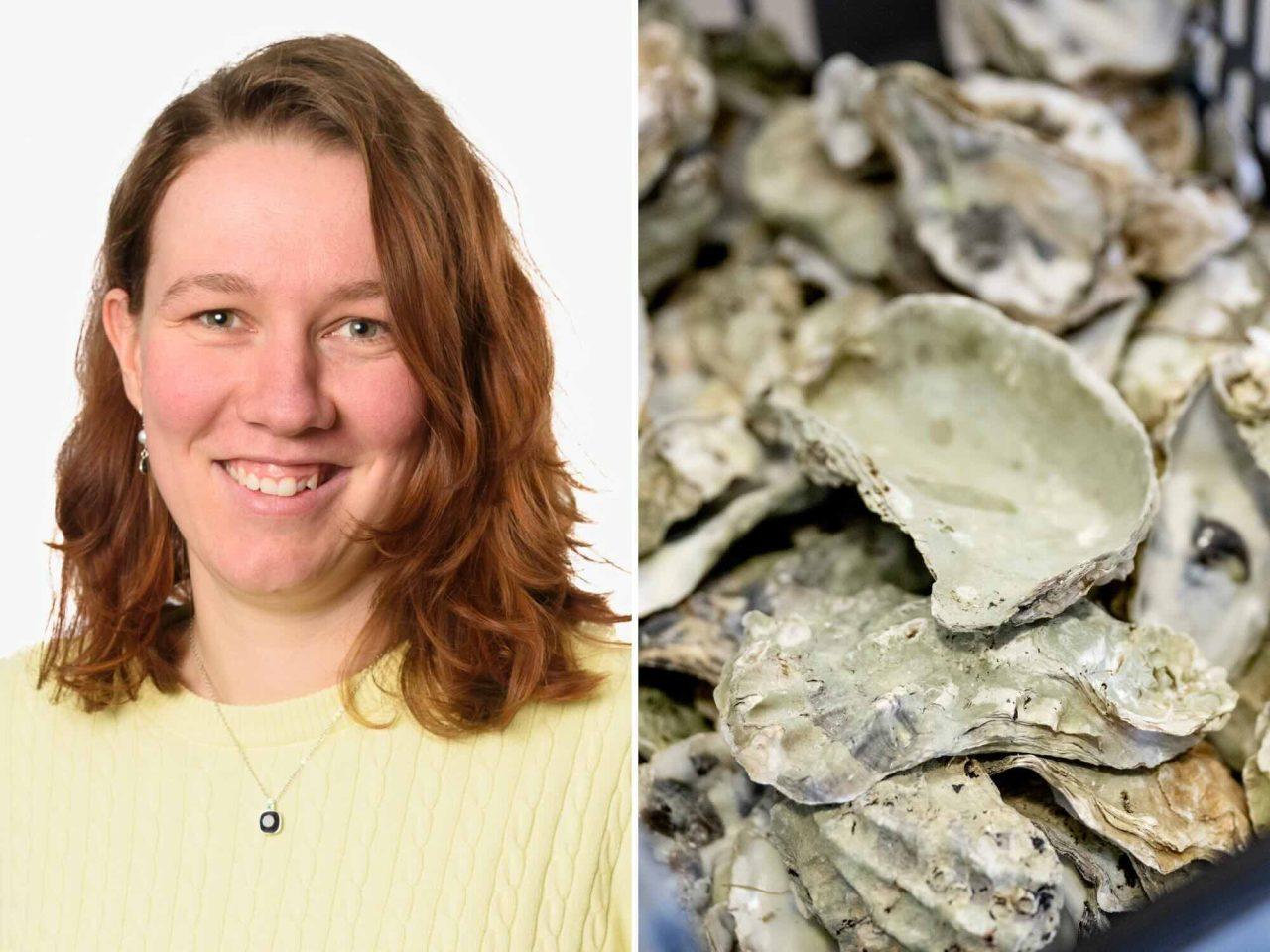
“They have different habitats, which means they live at different depths. It also doesn’t seem like they eat the same things or compete for food, but we need to do more research on that,” says Svenja Hess, project manager for aquaculture and invasive species at IVL Swedish Environmental Research Institute.
Changing Environments
It is clear that the oysters are changing marine environments. When they form reefs on soft bottoms, they destroy habitats for species that burrow into the sand. They also pose a threat to the delicate feet of beachgoers, who can cut themselves. At the same time, they benefit species that need hard bottoms, such as blue mussels, and are effective at purifying the water, which reduces the effects of eutrophication.
Pros and cons.
Today, the Pacific oyster is found along large parts of the west coast, all the way down to Malmö. No one believes it’s possible to eradicate them anymore, at least not north of Gothenburg.
“We’re also seeing that they’re adapting well to climate change because they can tolerate higher temperatures,” says Svenja Hess.
Instead of trying to eradicate the invasive oysters in areas where they are fully established, initiatives are being launched to make use of them. Oysters are a climate-smart and nutritious food, rich in protein, vitamin B12, iodine, selenium, and zinc, among other nutrients. Only a fraction of all oysters are harvested.
About 6 metric tons are harvested annually out of the approximately 30,000 metric tons that exist, while we also import large quantities from abroad, says Åsa Strand.
On the far left are fried, chopped invasive Pacific oysters; diagonally above them are raw Pacific oysters, Pacific oyster shells, farmed Fine de Claire oysters from the west coast, and oyster powder made from Pacific oysters that can be used as a flavor enhancer.
Made into potato pancakes
For many, oysters are associated with luxury—to be enjoyed fresh. But the Pacific variety hasn’t been a hit at fine dining restaurants, likely because they’re difficult to handle.
For one thing, they grow in clusters with sharp shells and are hard to separate from one another; for another, it’s difficult to remove the sand inside them. But there are also many people who dislike oysters.
“Some people have a hard time with oysters, mainly because of the texture. We’re trying to find ways to prepare them that work for many people,” says Anna Henning Moberg, operations manager at Torsåker Farm in Upplands Väsby, north of Stockholm.
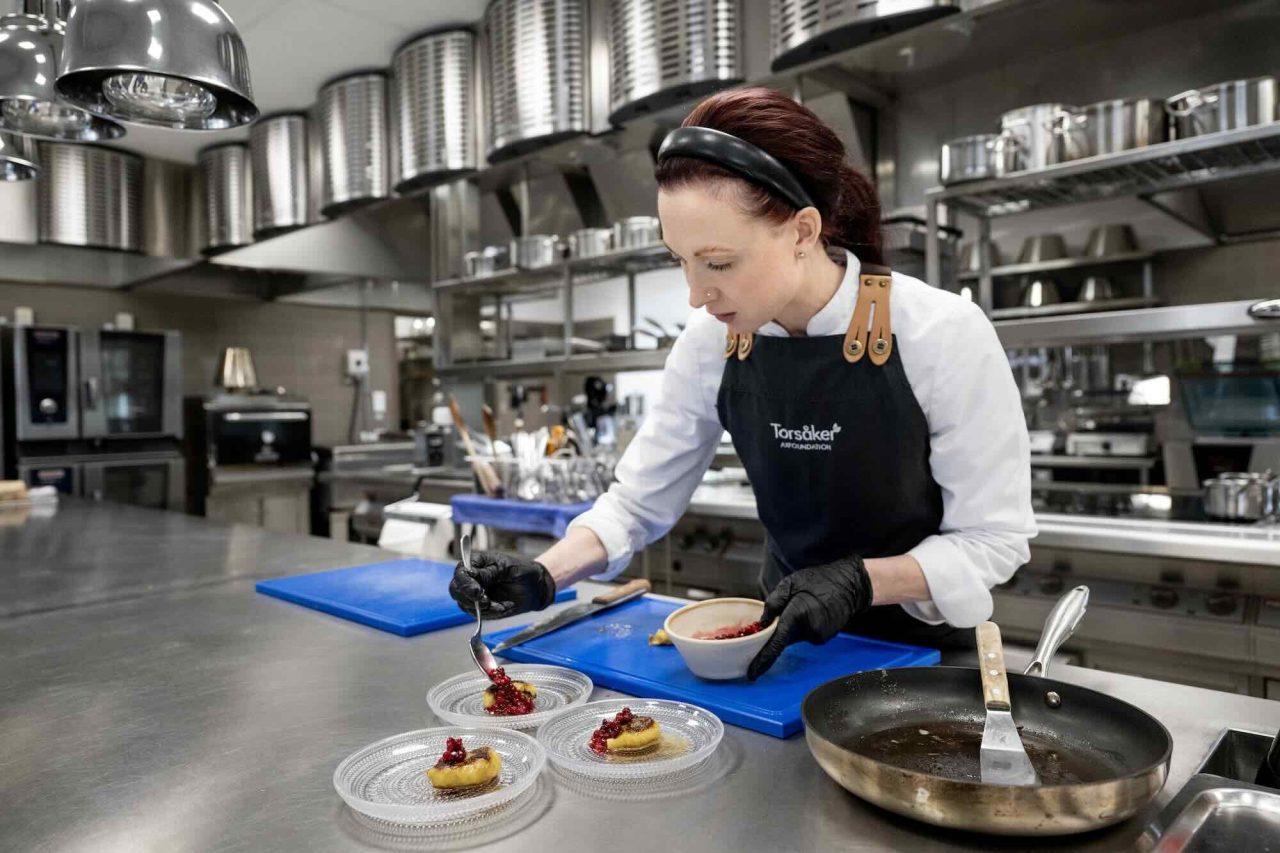
This is where the Ax Foundation’s development center for food and materials is located, where they’re working with IVL to find new uses for Pacific oysters.
The oysters now being prepared in the test kitchen were harvested using an excavator as part of a pilot project one December day in Bohuslän. They are fried in butter, used as a filling in kroppkakor, or ground into a powder for use as a flavor enhancer.
“In this project, we’re trying to find ways to use large volumes of these oysters without compromising the taste or the dining experience.” It involves everything from harvesting the oysters to methods for separating the shells from the meat and cleaning them while maintaining quality,” says Anna Henning Moberg.
But the challenges of using this superfood, which is available in abundance, extend beyond the frying pans.
Few Are Allowed to Harvest Them
One is the permit to harvest them. The right to harvest oysters belongs to the landowner, so anyone who wants to harvest them must have the landowner’s permission. If more people had the opportunity to harvest them, it would limit the number.
“If an exception to the landowner’s rights had been granted when the Pacific oyster was first introduced to Sweden, it would have been easier. Now there are conflicts between different interests.” Those who already have commercial operations up and running don’t want to lose them, says Åsa Strand.
The more they spread, the greater the reason to make use of them, says Åsa Strand, who is the co-author of a cookbook on how to use oysters. She compares oysters to the “bologna sausage ” of the sea.
“Oysters are an incredible source of protein that’s already right there. Given how important food security is, it’s a waste not to make use of them,” says Åsa Strand.
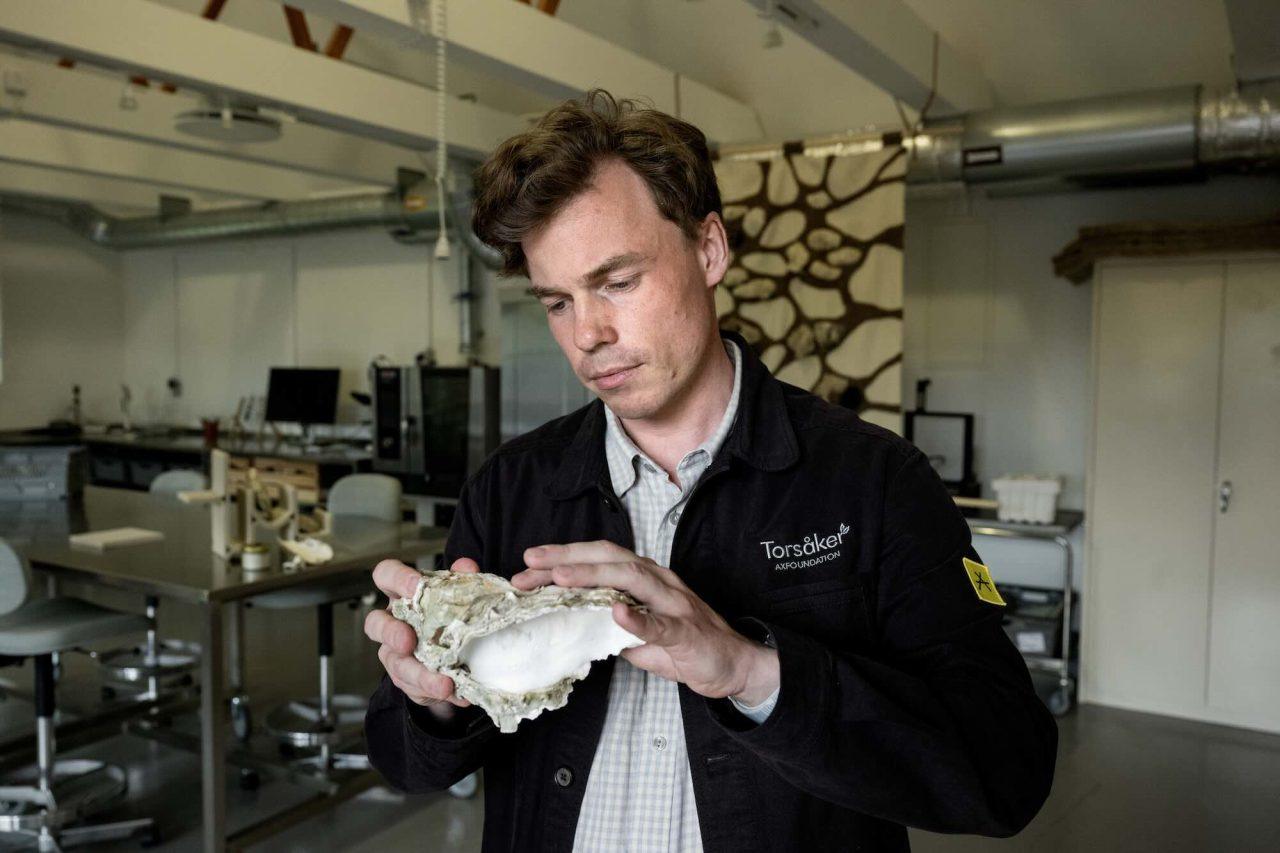
A short distance from the test kitchen at Torsåker Farm lies the materials workshop. Here, researchers are exploring how even the oyster shells could be put to good use. In France, among other places, they’re already used as paving stones and have proven to have good drainage properties. Making porcelain from them is another idea.
“The shells make up a large part of the oysters, so we want to find ways to use them as well,” says Patrik Isacsson, materials developer at Axfoundation.