One of the world’s last remaining wilderness is currently facing large-scale salmon farming
In the waters off the Falkland Islands, sea lions, elephant seals and whales throng together. The water is cold and rich in krill, and there are more penguins than people living on the islands, which are scattered across the South Atlantic off the Argentine coast. There are also far-reaching plans for salmon farms that will make the Falkland Islands the world’s third-largest salmon producer.
Text: Lena Scherman
The company Unity Marine has stated that, as a first step, it aims to farm 50,000 tonnes of salmon per year at 16 sites around the island. Unity Marine is a joint venture between the local fishing company Fortuna and the Danish firm F-land ApS.
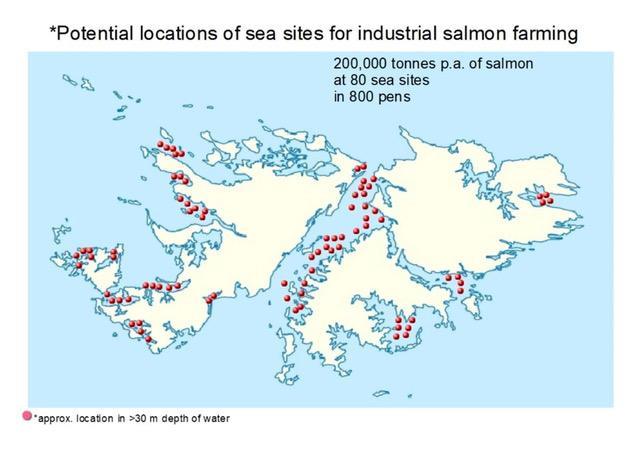
Unity Marine states on its website that: “We at Unity Marine are proud to call the Falkland Islands our home. We are determined to build a sustainable and environmentally responsible aquaculture industry, which not only supports our local economy but also creates lasting benefits for future generations.”
However, opponents argue that the disadvantages for life on the islands far outweigh the benefits. Salmon lice, chemical discharges, pollution and escaped salmon are some of the issues they highlight.
Another problem is the increased demand for wild-caught small fish such as sardines and anchovies for salmon feed. This in itself threatens to disrupt marine ecosystems across the globe.
Several local opposition groups have been set up, such as Salmon Free Falklands (SFF). They are currently campaigning to secure a referendum on whether or not salmon farms should be allowed. But the islands’ tourism sector, fishing industry and agriculture are also against the farms.
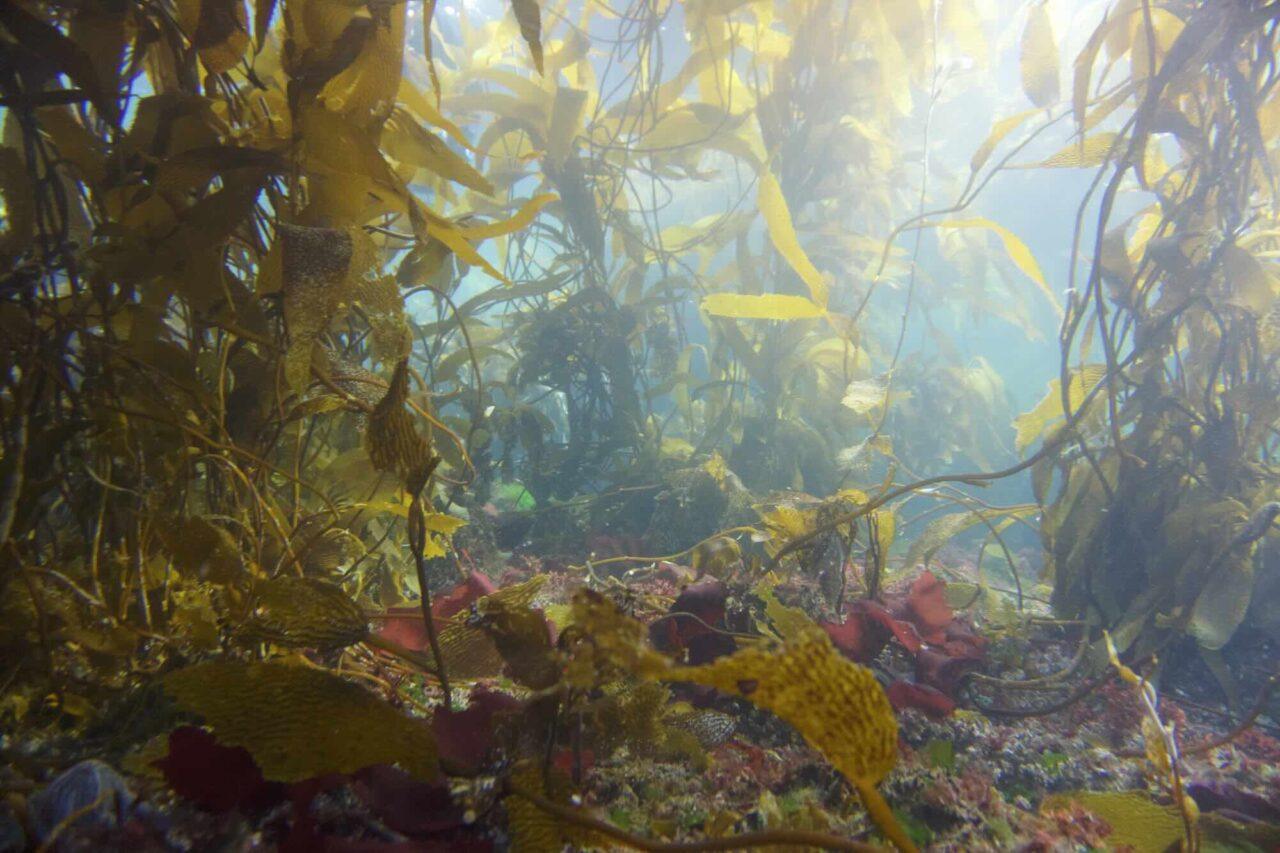
They argue that the waters off the Falkland Islands are among the world’s last unspoilt wildernesses, with unique coastlines and a marine environment that is virtually untouched by human influence. They say that establishing salmon farms on such a large scale in this very location threatens not only the natural environment but also other industries.
Deep Sea Reporter has contacted Unity Marine on several occasions to arrange an interview, but the company has not responded.
About Deep Sea Reporter: Our ambition is to examine and report on issues related to the sea and the life that exists beneath its surface. We operate in the public interest and are independent of political, commercial, and other interests in society.