Chronicle: Is a River Alive? Do Nature and the Sea Have Rights?
As far as we know, our planet is unique. Amongst other celestial bodies, a beautiful ‘blue ball’ floats there, where we – you and I and all living things on Earth – get to spend a short while.
In the coming days, we will see beautiful new images sent back by the Artemis II lunar spacecraft.
Artemis is, among other things, considered the protector of the wilderness in Greek mythology.
Chronicle: Marika Griehsel
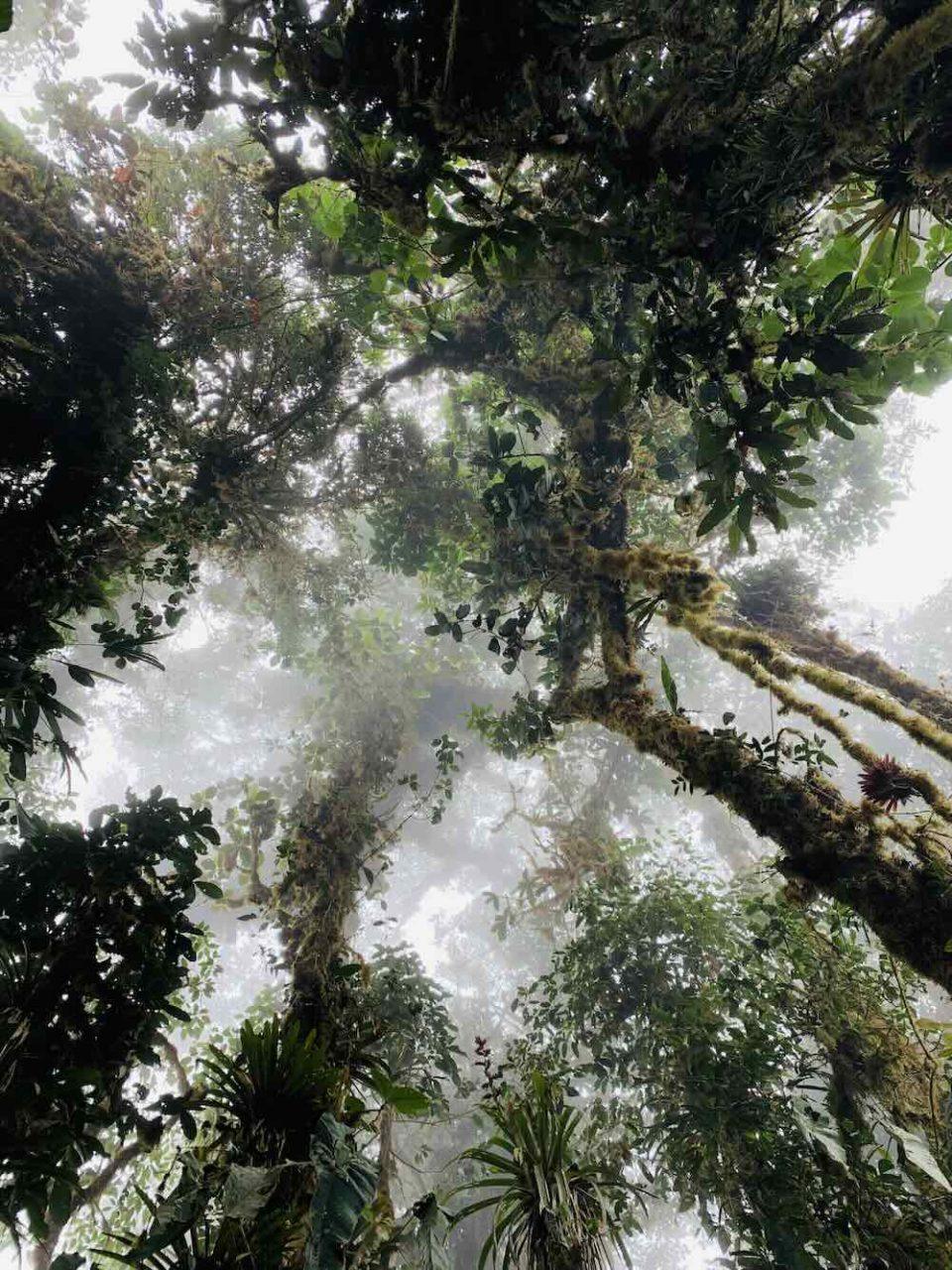
A river should have the right not to be polluted. A mountain should have the right not to be blasted to pieces. Forests should be protected from plunder, and the sea – which regulates large parts of the climate and covers almost 75 per cent of the Earth’s surface – should have the right to life.
It is a thrilling idea, and it is about responsibility towards the future. It shifts the rhetoric and practice away from the human-centred relationship with the Earth’s resources and fundamentally challenges the traditional view that nature is something humans own or manage.
The weekend before Easter, several demonstrations took place across Sweden. With great enthusiasm, placards and songs, people gathered in Östersund, Vilhelmina, Skövde and Umeå to protest against plans to mine alum shale and extract uranium. The risk is that watercourses, lakes and seas will be poisoned.
The demonstrators argue that current Swedish environmental laws are insufficient to protect Lake Storsjön, the River Indalsälven and Lake Vättern, and want nature—specifically the waters—to be granted legal rights. The rights of Lake Storsjön, the rights of the River Indalsälven, the rights of Lake Vättern.
Such laws are already in place in a few places.
In Ecuador, the rights of nature have been enshrined in the constitution since 2008, and any citizen can act as a representative for nature.
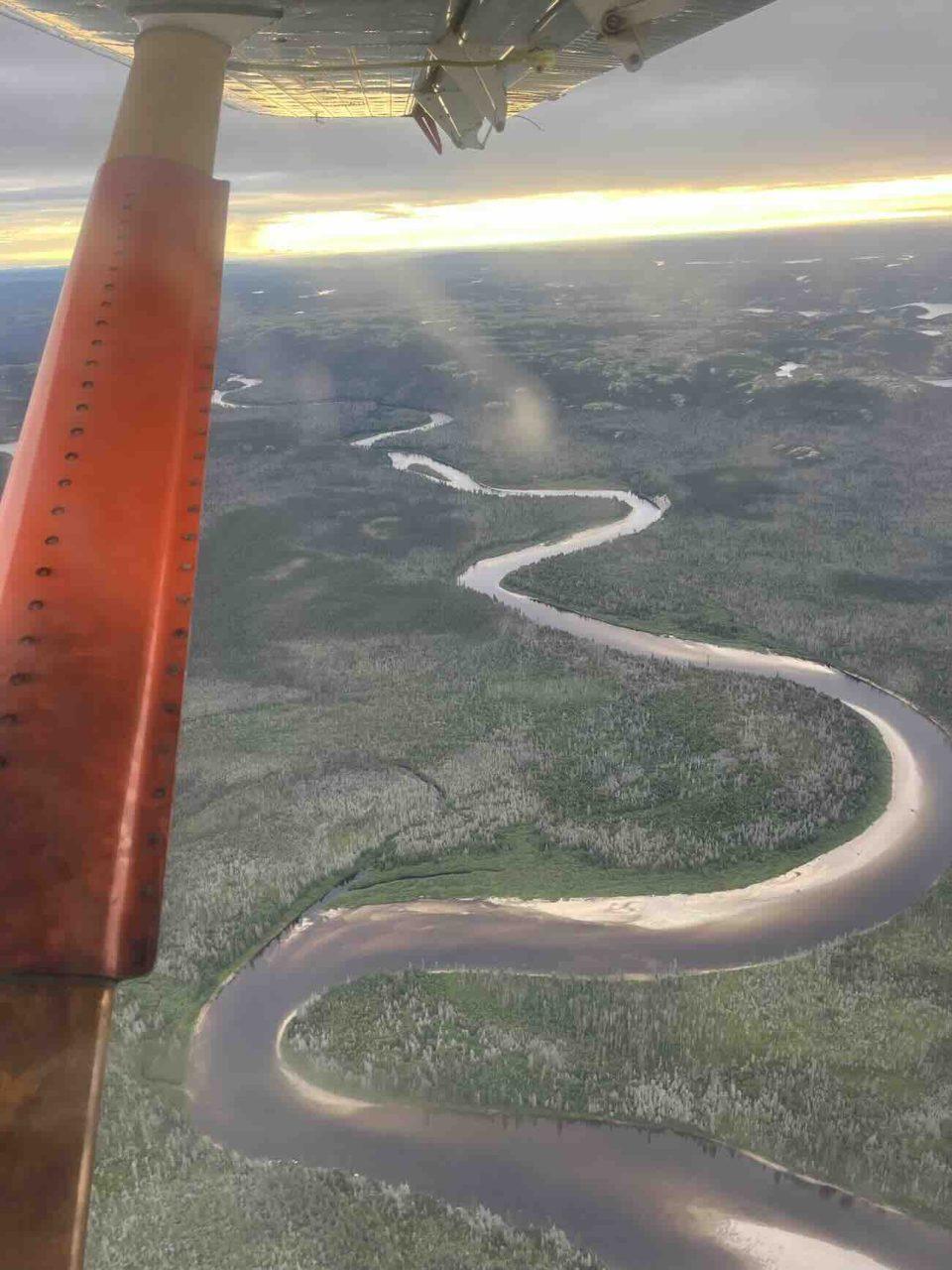
In New Zealand, the indigenous peoples’ struggle for nature’s rights has led to the Whanganui River being granted legal status as a separate person. This means that the law no longer distinguishes between the river and the people who live in relation to it. The river is seen as a living being – and if it is harmed, people are also affected, as they are regarded as one and the same entity.
Based on a similar idea, the chair of a 140-year-old foundation in Scotland focusing on marine research has elected the Sea to its board.
Professor Nick Owens writes in a commentary that it is, in a way, strange that this has not happened before.
Naturally, this raises many questions. How can humans know what the sea wants? Is it a form of greenwashing, or simply a gimmick?
Who should represent nature, and what penalties should be imposed if nature is mistreated?
In this context, I find it particularly interesting to take a closer look at the growing global movement and the individuals who want to grant nature the same rights as humans and animals.
A river should have the right not to be polluted. A mountain should have the right not to be blasted to pieces. Forests should be protected from plunder, and the sea – which regulates large parts of the climate and covers almost 75 per cent of the Earth’s surface – should have the right to life.
It is a thrilling idea, and it is about responsibility towards the future. It shifts the rhetoric and practice away from the human-centred relationship with the Earth’s resources and fundamentally challenges the traditional view that nature is something humans own or manage.
The weekend before Easter, several demonstrations took place across Sweden. With great enthusiasm, placards and songs, people gathered in Östersund, Vilhelmina, Skövde and Umeå to protest against plans to mine alum shale and extract uranium. The risk is that watercourses, lakes and seas will be poisoned.
The demonstrators argue that current Swedish environmental laws are insufficient to protect Lake Storsjön, the River Indalsälven and Lake Vättern, and want nature—specifically the waters—to be granted legal rights. The rights of Lake Storsjön, the rights of the River Indalsälven, the rights of Lake Vättern.
Such laws are already in place in a few places.
In Ecuador, the rights of nature have been enshrined in the constitution since 2008, and any citizen can act as a representative for nature.
In New Zealand, the indigenous peoples’ struggle for nature’s rights has led to the Whanganui River being granted legal status as a separate person. This means that the law no longer distinguishes between the river and the people who live in relation to it. The river is seen as a living being – and if it is harmed, people are also affected, as they are regarded as one and the same entity.
Based on a similar idea, the chair of a 140-year-old foundation in Scotland focusing on marine research has elected the Sea to its board.
Professor Nick Owens writes in a commentary that it is, in a way, strange that this has not happened before.
Naturally, this raises many questions. How can humans know what the sea wants? Is it a form of greenwashing, or simply a gimmick?
For some time now, representatives from the worlds of research and legislation have been discussing whether ecocide – a term referring to large-scale environmental destruction – should be recognised as an international crime within the framework of the International Criminal Court in The Hague.
The list of objections as to why nature cannot be granted legal status is a long one. National security interests to secure access to rare minerals and metals, food security, and the self-interest of companies and private individuals.
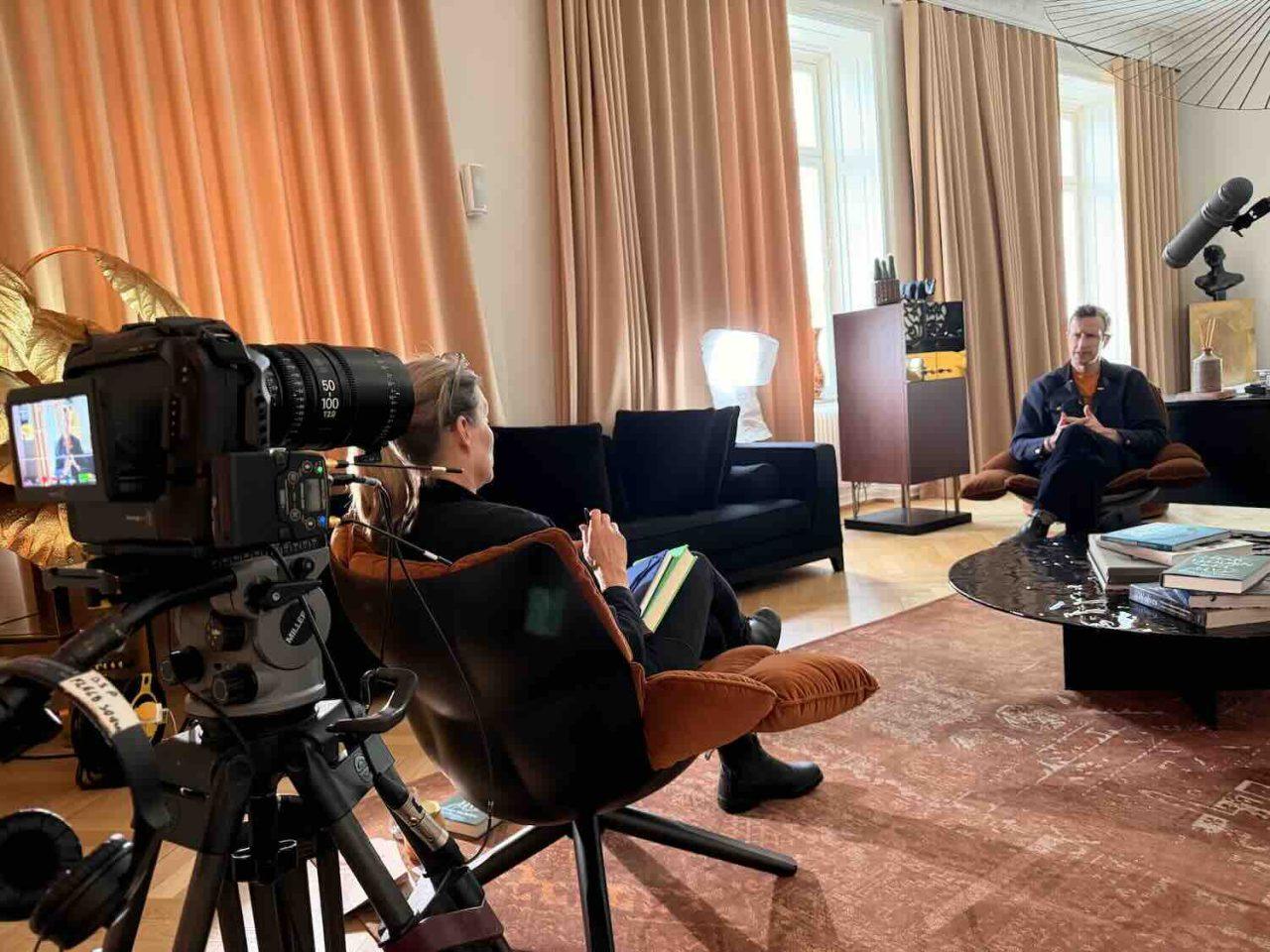
Please do take a look at Deep Sea Reporters’ conversation with one of the foremost nature writers of our time, the British author Robert Macfarlane, whose international bestseller “Does the River Have a Life?” has just been published in Swedish.
If it is greater knowledge and inspiration that are needed to understand humanity’s total dependence on functioning ecosystems, then this can be found in Macfarlane’s writings.
“I feel a sense of urgency. We can all be good ancestors. To feel despair is a luxury; to feel hope is our duty,” says Robert Macfarlane, concluding by posing a question to us all.
– Which is your river, which is your water?
I shall ponder that over the Easter weekend whilst following Artemis’s orbit around the blue planet we call home.