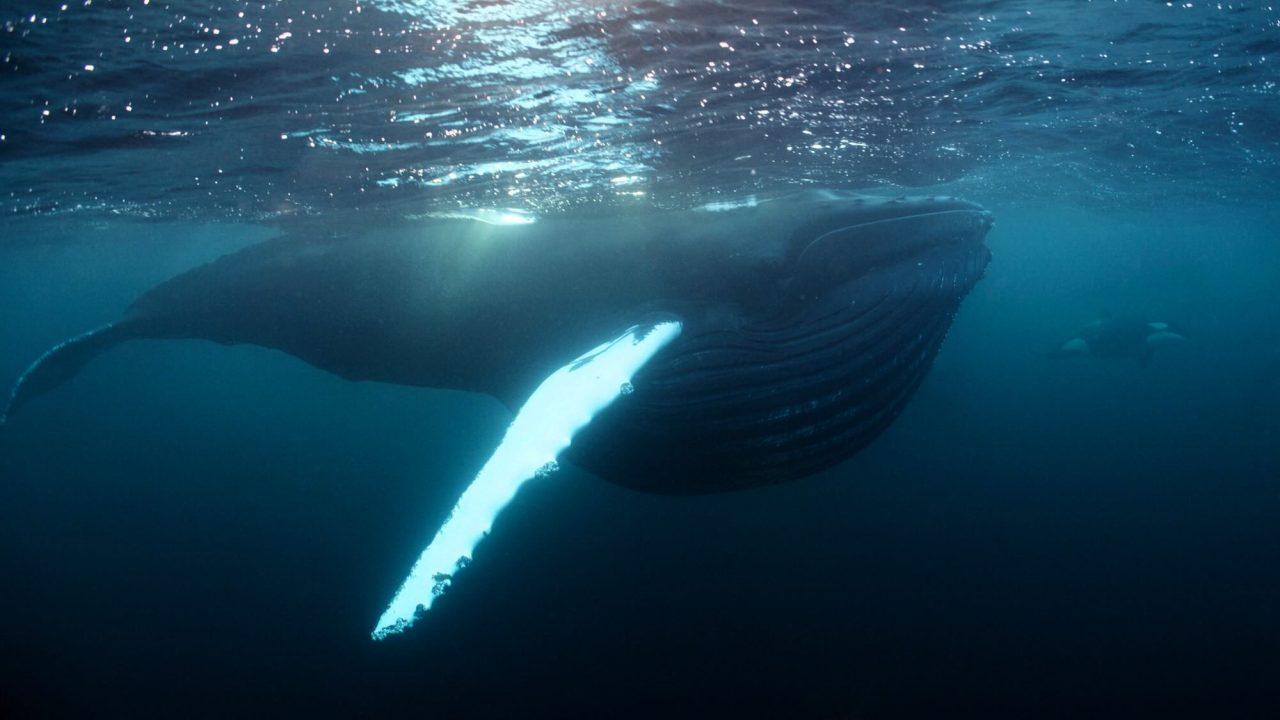
One of the world’s rares whales faces extinction
The population of one of the world’s rarest whale species, the northern right whale, has declined after showing an upward trend in recent years. This is a cause for concern among researchers, who fear the species is at risk of extinction.
According to an annual population estimate, there are now 382 northern right whales. This represents a decline of around two per cent compared with last year’s estimate, which showed that the slow but steady increase that had been ongoing for some time was still continuing.
Threatened by ships
The whale population was decimated over centuries of commercial whaling, an activity that largely ceased in the 1930s. These enormous animals have recovered slowly, but today they are threatened by becoming entangled in fishing gear and by collisions with ships.
‘These threats, combined with warmer seas, have helped to keep the population down,’ says Heather Pettis, chair of the North Atlantic Right Whale Consortium.
According to Pettis, ocean warming has caused the whales’ food source – small crustaceans known as copepods – to migrate. The whales have followed them into areas of the ocean that lack protection against ship collisions and the risk of becoming entangled in fishing gear.
Disheartening figures
Between 2010 and 2020, the number of whales fell by around 25 per cent, during years when low reproduction coincided with high mortality. Recent years have been somewhat more hopeful, but researchers and conservationists emphasise that both numerous births over several years and protective measures are needed for the whales to have a chance of recovering.
‘The latest figures are disheartening and make the road to recovery longer for the critically endangered North Cape whale. This iconic whale will not escape extinction unless the population grows,’ says Nora Ives, a marine biologist working on the environmental organisation Oceana’s campaign for the northern right whale.
Cover image: The North Atlantic right whale can weigh up to 68 tonnes and gives birth to its calves off the coasts of the US eastern states of North Carolina, South Carolina, Florida and Georgia during the winter, before heading north to New England and Canada. Archive image.