New study: El Niño is being intensified by climate change
According to a new study, the El Niño weather phenomenon is becoming more intense as a result of climate change.
El Niño events are around 36 per cent more intense than they were before the industrial era. And this trend has accelerated over the last four decades.
This is according to a new study published on Thursday in the scientific journal Science.
The research findings come at a time when this year’s El Niño is predicted to be the strongest on record in the coming months.
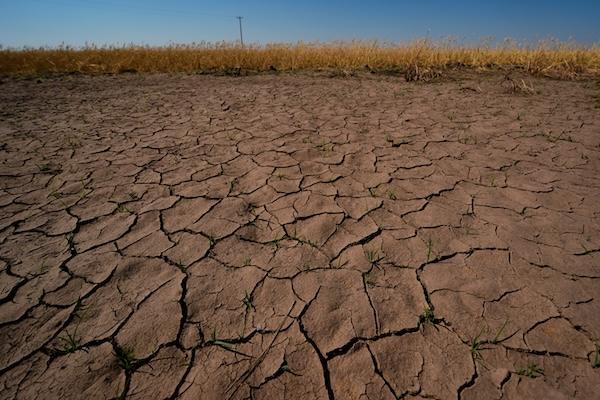
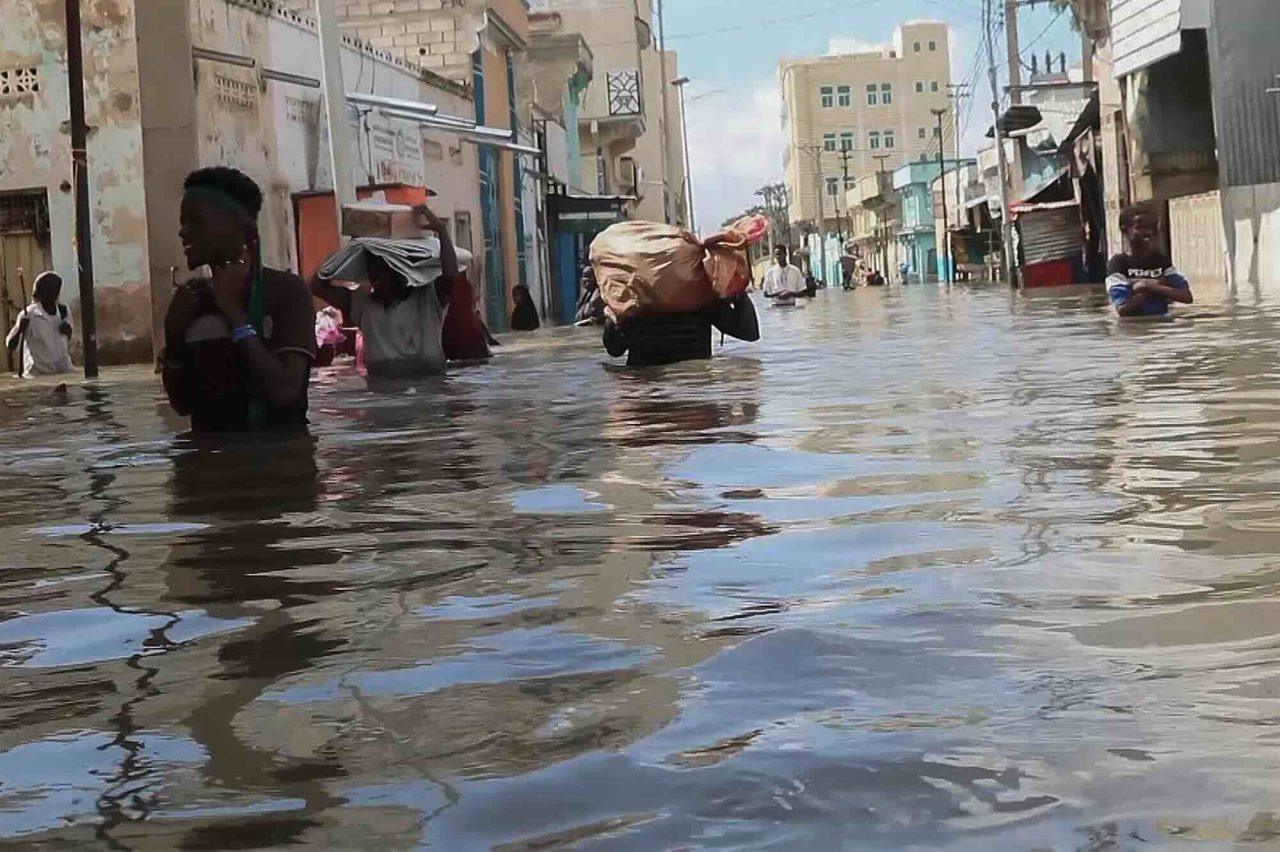
El Niño, which occurs on average every two to seven years, warms the surface waters in the eastern Pacific Ocean. This leads to more extreme weather events, often resulting in drought in some parts of the world and flooding in others.
El Niño is a recurring combined climatic and hydrological phenomenon that occurs mainly in the eastern parts of the Pacific Ocean, but also partly in the Indian Ocean.
During El Niño, the seas are unusually warm, particularly along the west coast of South America. The phenomenon occurs irregularly at intervals ranging from every two years to every seven years. El Niño often emerges shortly after Christmas and can last for around 12 to 17 months, though sometimes longer or shorter depending on its intensity.
The phenomenon affects sea temperatures, the speed and strength of ocean currents, fish stocks and local weather conditions in South America, Australia and other regions.
El Niño is the warm phase of a larger phenomenon known as the El Niño–Southern Oscillation (ENSO). The oscillation also includes a cooler phase known as La Niña.
Source: Wikipedia