Scientists warn of barnacles from the Strait of Hormuz
Invasive species from the Strait of Hormuz could cause “super-spread” and biological chaos, researchers warn in a new study.
´If you’d set out to design the worst-case scenario, I’m not sure you could have done any better,´ the lead author tells The Guardian.
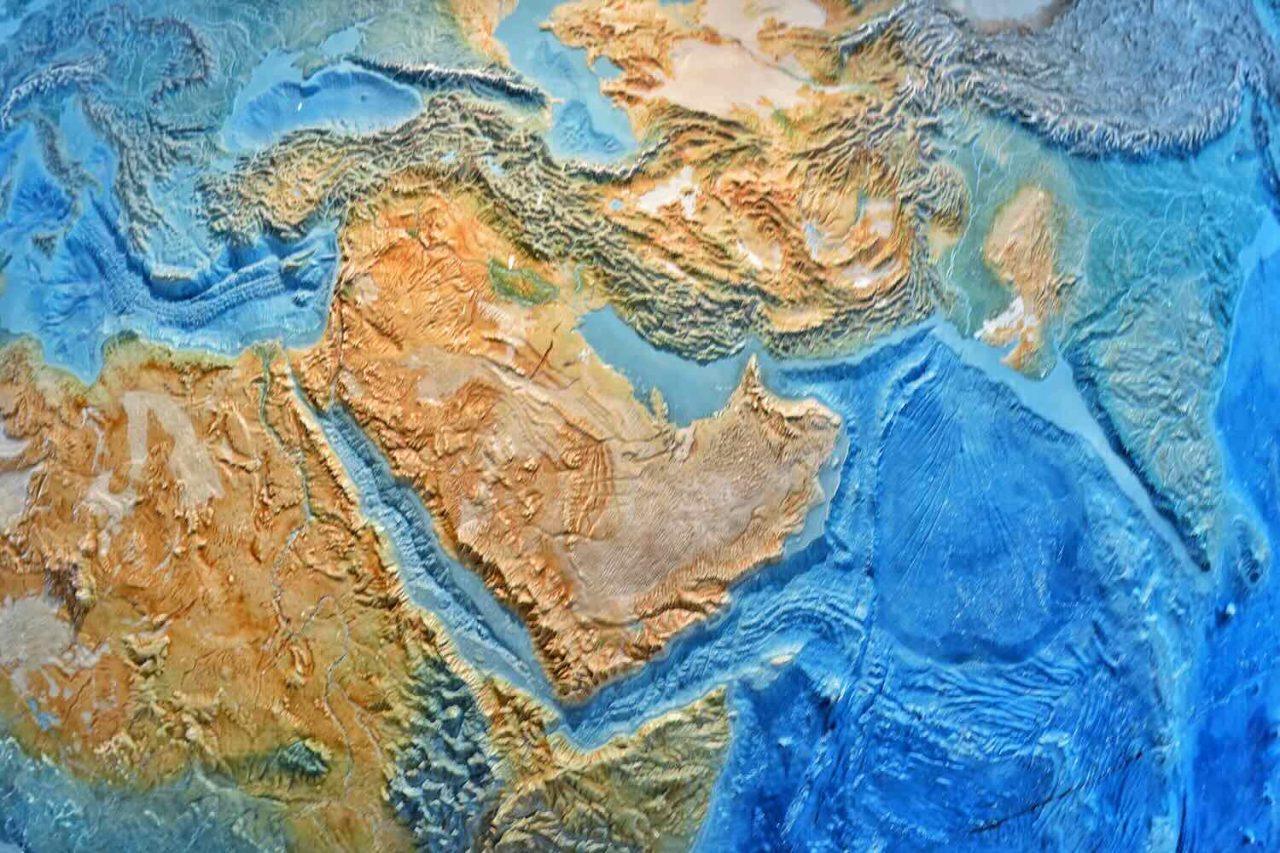
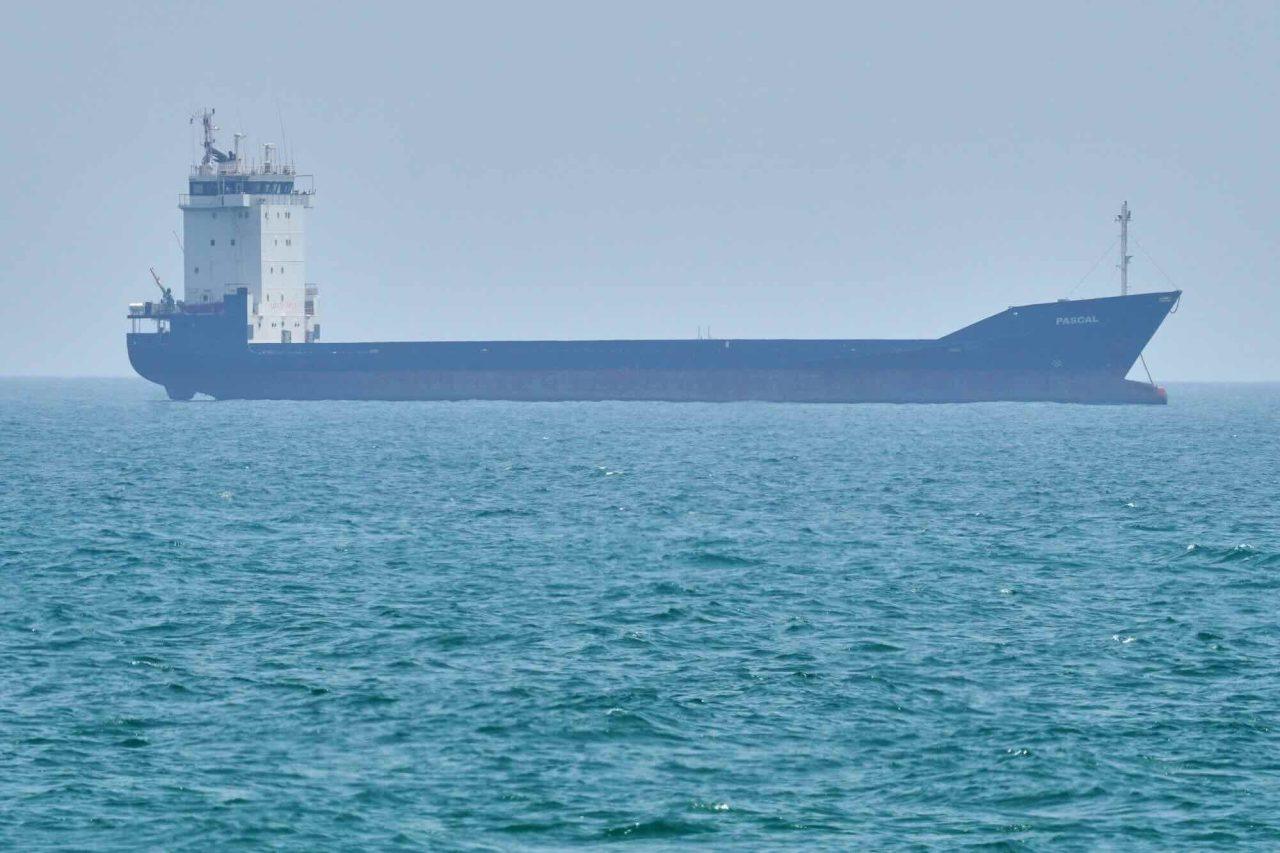
The 1,500 cargo ships that have been stranded in the Strait of Hormuz since the war between the US and Iran broke out could be the starting point for a marine ecological disaster, warns a new study.
It is not unusual for cargo ships to carry microbes and algae from one port to another. But when ships have been stationary for as long as many have been in the Strait of Hormuz, the risk increases that, for example, algae or invertebrates such as barnacles will become attached and be carried to the ship’s final destination.
Barnacles are a type of crustacean that often attach themselves to objects such as ships – long-necked barnacles and sea tulips are two species found in Swedish waters, but there are thousands of species, some of which are parasites.
Intruders
The researchers view the situation as potentially very serious.
“When you move organisms around, they can reduce biodiversity in the regions they invade and cause local extinction of organisms,” the study’s lead author, Mario Tamburri, told The Guardian.
The researchers emphasise that human suffering in and around the Strait of Hormuz is arguably the most pressing concern for the wider world, but that attention must also be paid to the risk posed by the stranded ships.
In many ways, it’s like tracking the flu or Covid. You want to be prepared for it, detect it early. If you find it, you want to be able to act immediately, Tamburri tells The Guardian.
Spread
The researchers are concerned that the ships could lead to a ‘super-spreader event’, particularly for ports in countries with temperatures similar to those in the Persian Gulf, such as India and Singapore.
The Middle East region is already known to harbour dozens of invasive species that have hitched a free ride on international merchant ships – species that thrive in the region’s harsh environment.
´It is the hardy organisms that can often withstand these extreme environments that make the best invaders,´ Tamburri told The Guardian.
Inkräktare
Spridning