War Threatens Sea of Azov, and the Ukrainian Experts Who Study It
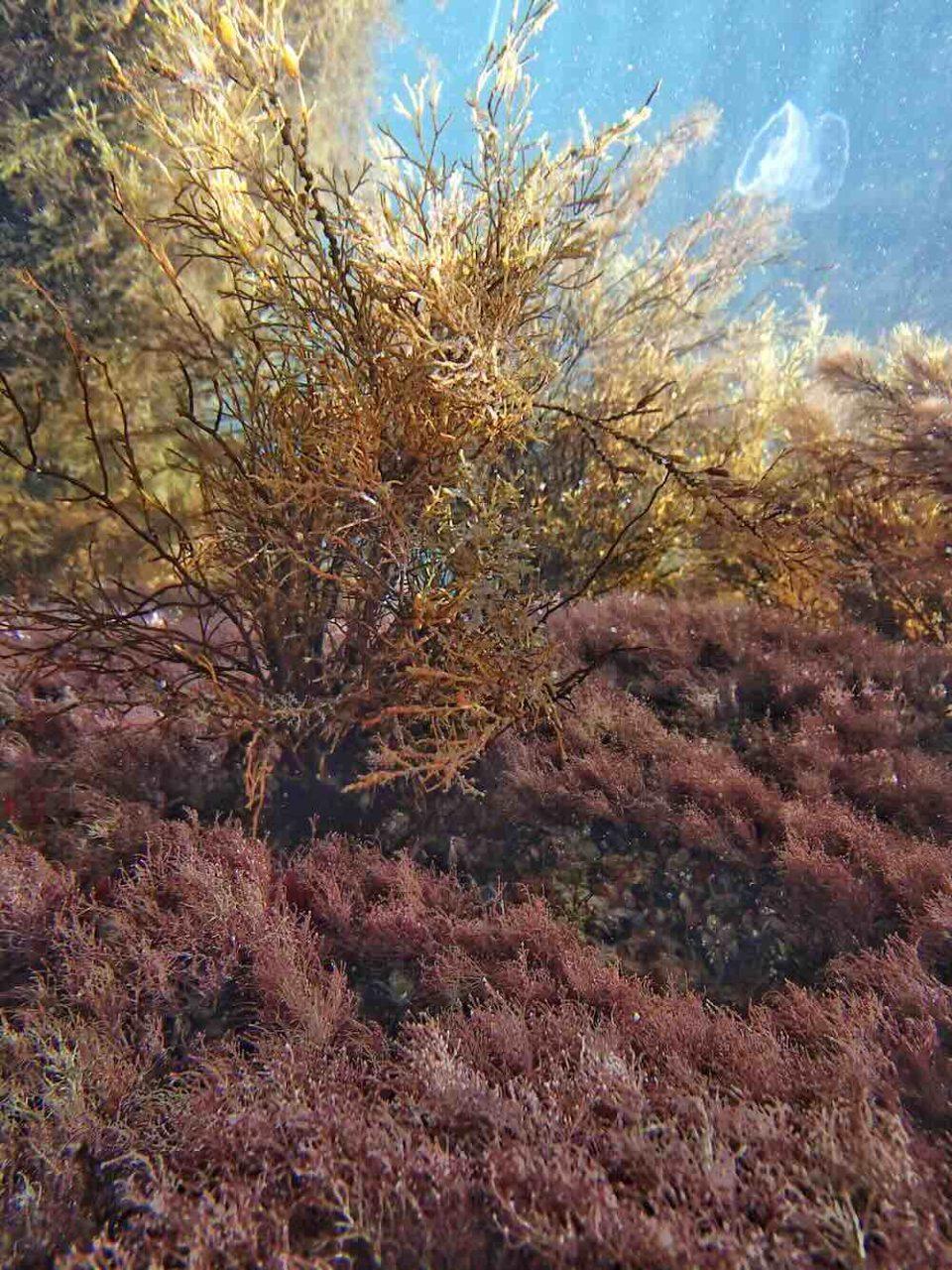
Deep in the Eurasian continent, the Sea of Azov is a stepping stone between freshwater and saltwater. Like no other sea in the world, it sits at the far end of a chain of water bodies: the Black, Marmara, Aegean, and Mediterranean Seas, and all the straits that connect them.
Text: Elyse Hauser
This sea, fed by freshwater from rivers, is home to dolphins and porpoises. Its coastal lagoons shelter young and breeding fish. Its coasts, lined with wetlands and sandy spits, are a lush refuge for waterbirds like herons, spoonbills, and ducks.
Humans, too, have long populated the shores of the calm, shallow sea. The border between Ukraine and Russia shoots into the Azov like a bolt of lightning, dividing its coastline between the two countries. Yet the once-shared body of water was seized by Russia in 2022 in the full-scale war on Ukraine.
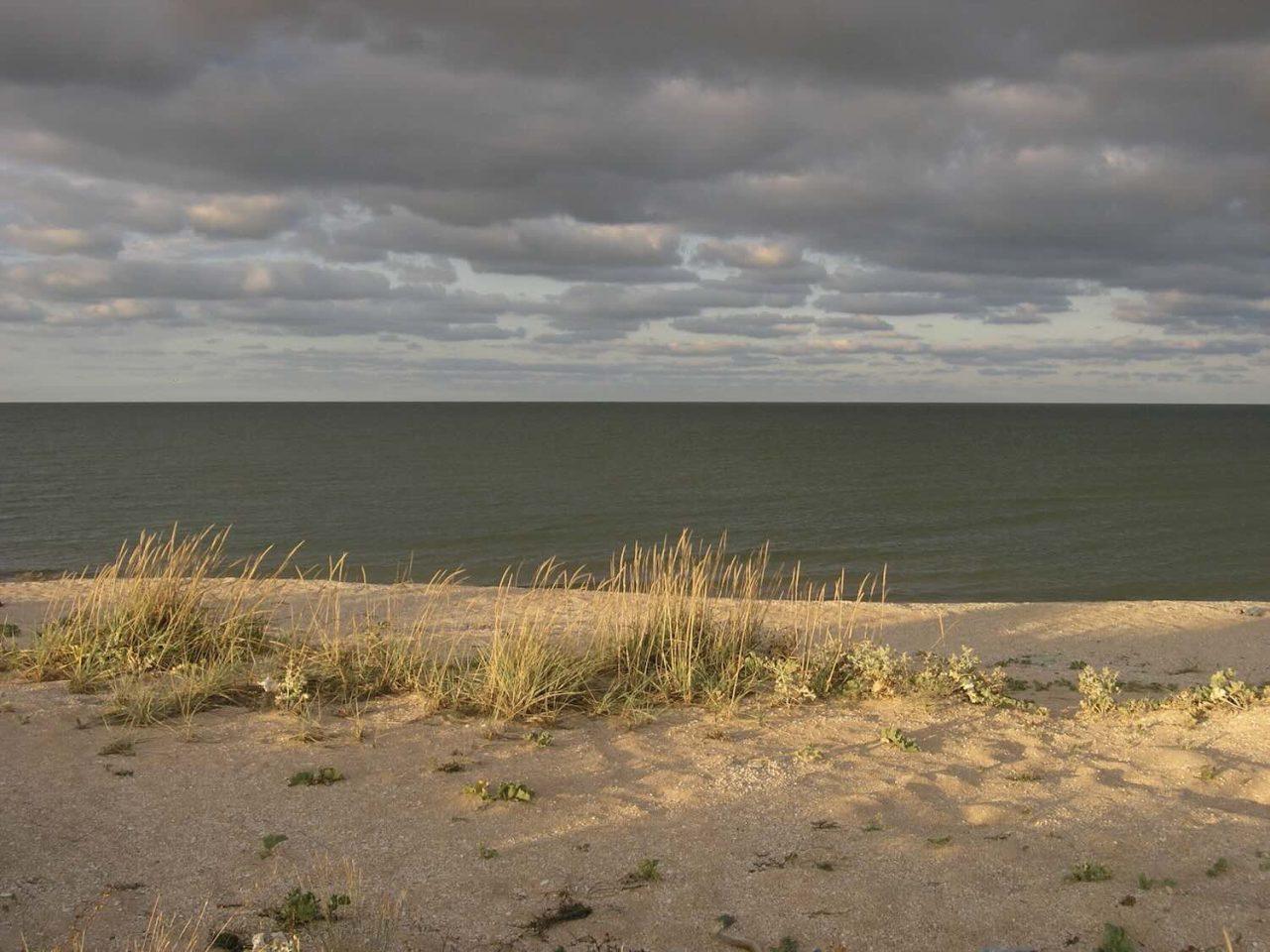
With the Sea of Azov cut off from direct observation, Ukrainian ecological experts wonder what’s happening behind the veil of occupation. Like the sea they study, the experts themselves are often cut off from the rest of the world by the years-long war.
This disconnection is worsened by a global forgetfulness. Outside of Ukraine and Russia, new wars have begun, and the attention of governments and the public has shifted away from Ukraine’s needs.
With the loss of protection, connection, and essential resources, the life of the Sea of Azov—including the Ukrainian people who have long depended on and cared for it—must try to persist against the odds.
Life, interrupted
Deep Sea Reporter contacted experts for insights on the Sea of Azov in the fall, but it wasn’t until spring that all were able to respond to questions. For researchers in parts of Ukraine,shelling, missiles, and blackouts make scheduling calls nearly impossible, while slowing down email and other forms of communication. The situation worsens in the cold seasons, when attacks cause power outages in frigid temperatures. The war reaches far beyond the front lines to threaten precious human life, as well as irreplaceable human knowledge about a unique ecosystem.
The Azov “is unique not simply because it is small, but because it is an exceptionally shallow, semi-enclosed, and highly sensitive marine system,” say Oksana Tyshchenko, Volodymyr Tyshchenko, and Andrii Tarieiev. These researchers shared their expertise in a collectively-written email after months of delay due to the disruptions of war and winter. Oksana Tyshchenko is a plant biologist at the Taras Shevchenko National University, and Volodymyr Tyshchenko is a biologist at the National Academy of Sciences, both in Kyiv. Andrii Tarieiev is a researcher at Martin Luther University Halle-Wittenberg.
The Sea of Azov is “the deepest point where the Atlantic goes into the mainland of the old world between Europe, Asia and Africa,” says Pavel Gol’din, a biologist at Ukraine’s National Academy of Sciences. “Because of this very specific position, historically it has been extremely rich in biota, especially in fish resources.”
Sturgeons and many other fish species long thrived in the Azov, though industrial activity and pollution had harmed their populations even before the full-scale war began. Still, the Azov’s river-mouth lagoons, known as limans, serve as nurseries and spawning grounds for fish. In warm seasons, a unique population of harbor porpoises even visits from the Black Sea.
Before the occupation, Ukrainian researchers could closely observe fish like the sturgeons, which are now nearly extinct in the Sea of Azov. Today, the status of these delicate populations is unclear. Russia still has access to the sea, but Ukraine’s experts say military action, not science, has been Russia’s priority in the region.
For Ukrainian researchers, in-person work is now impossible. “Currently, Ukrainian scientists have completely lost access to the Sea of Azov,” says Marta Litynska, a water treatment researcher at the National Technical University of Ukraine. Without their fieldwork, an immense gap in ecological knowledge is growing.
The view from afar
The scientists now monitor the Sea of Azov through remote sensing methods, like satellite images.
“This is not substitution of one tool by another, but a fundamental change in the way of inferring knowledge,” say Tyshchenko, Tyshchenko, and Tarieiev. Remote sensing can show only high-level changes to the environment, such as oil spills.
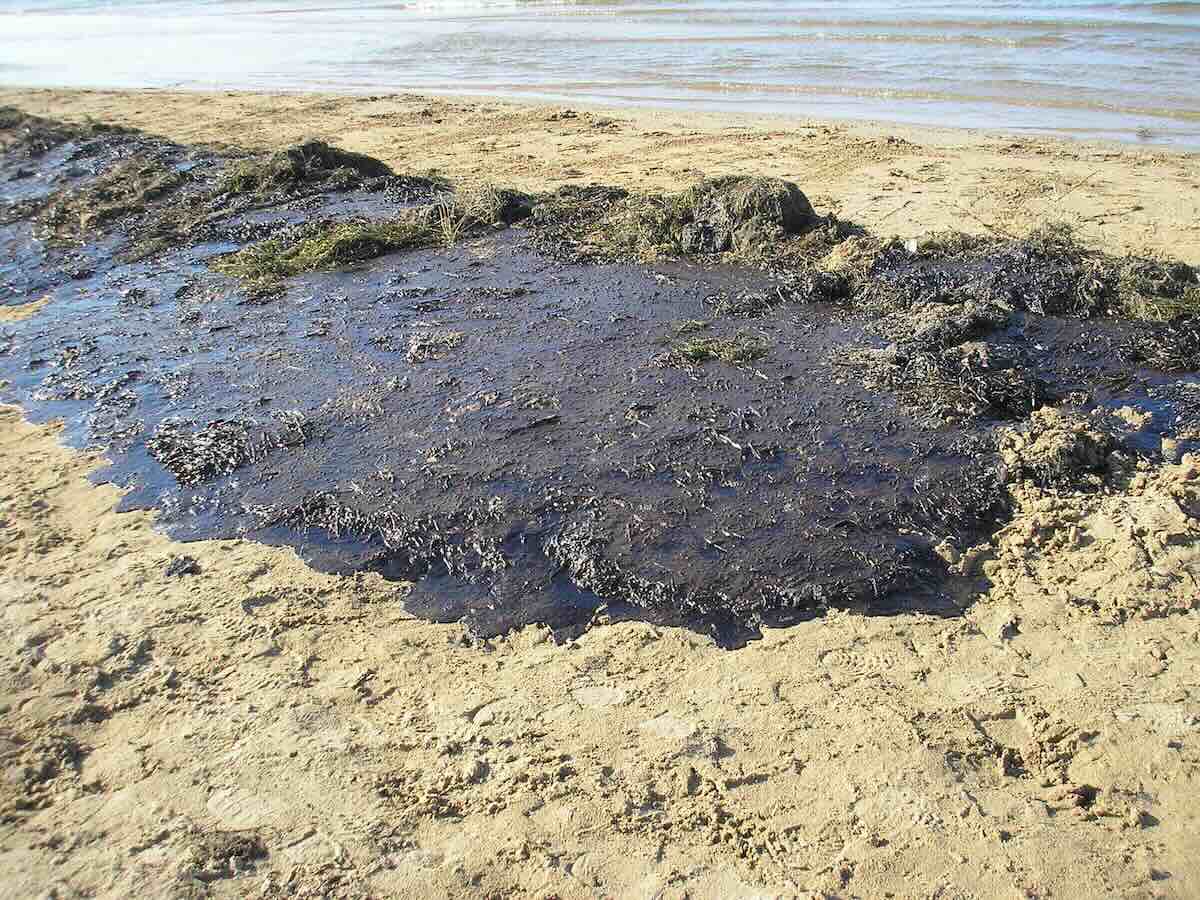
“[Oil spills] unfortunately became a real problem under the Russian occupation because all this area, the northeastern Black Sea and the Sea of Azov, became the core of the Russian oil trade,” says Gol’din. War-related spills can involve huge quantities of oil. In a single 2024 Russian tanker accident, “according to satellite-based and analytical estimates, thousands of tonnes of fuel oil were spilled into the sea,” say Tyshchenko, Tyshchenko, and Tarieiev.
Munitions bring additional pollution, as well as physical damage. “One of the main causes [of pollution] is missile launches over the waters near Henichesk, since a significant number of missiles fall into the sea, and release toxic compounds into the water,” say Tyshchenko, Tyshchenko, and Tarieiev. Russia has also destroyed industrial infrastructure along the shoreline, adding a further source of pollutants that can be observed from afar.
Due to being small, shallow, and mostly-enclosed, the sea is especially sensitive to these threats. “The Sea of Azov is connected to the Black Sea only by the narrow Kerch Strait, which leads to a very slow removal of pollutants from the water,” says Litynska.
Death in the water
From far away, researchers can’t fully assess the damage. They can only see catastrophes, and theorize about the bigger picture.
“Mass fish mortality was recorded in the Sea of Azov in 2025 near the occupied city of Mariupol in Donetsk Oblast,” say Tyshchenko, Tyshchenko, and Tarieiev. “Hundreds of dead crabs were washed ashore near Kerch, and a crab die-off was also reported in the occupied Autonomous Republic of Crimea.”
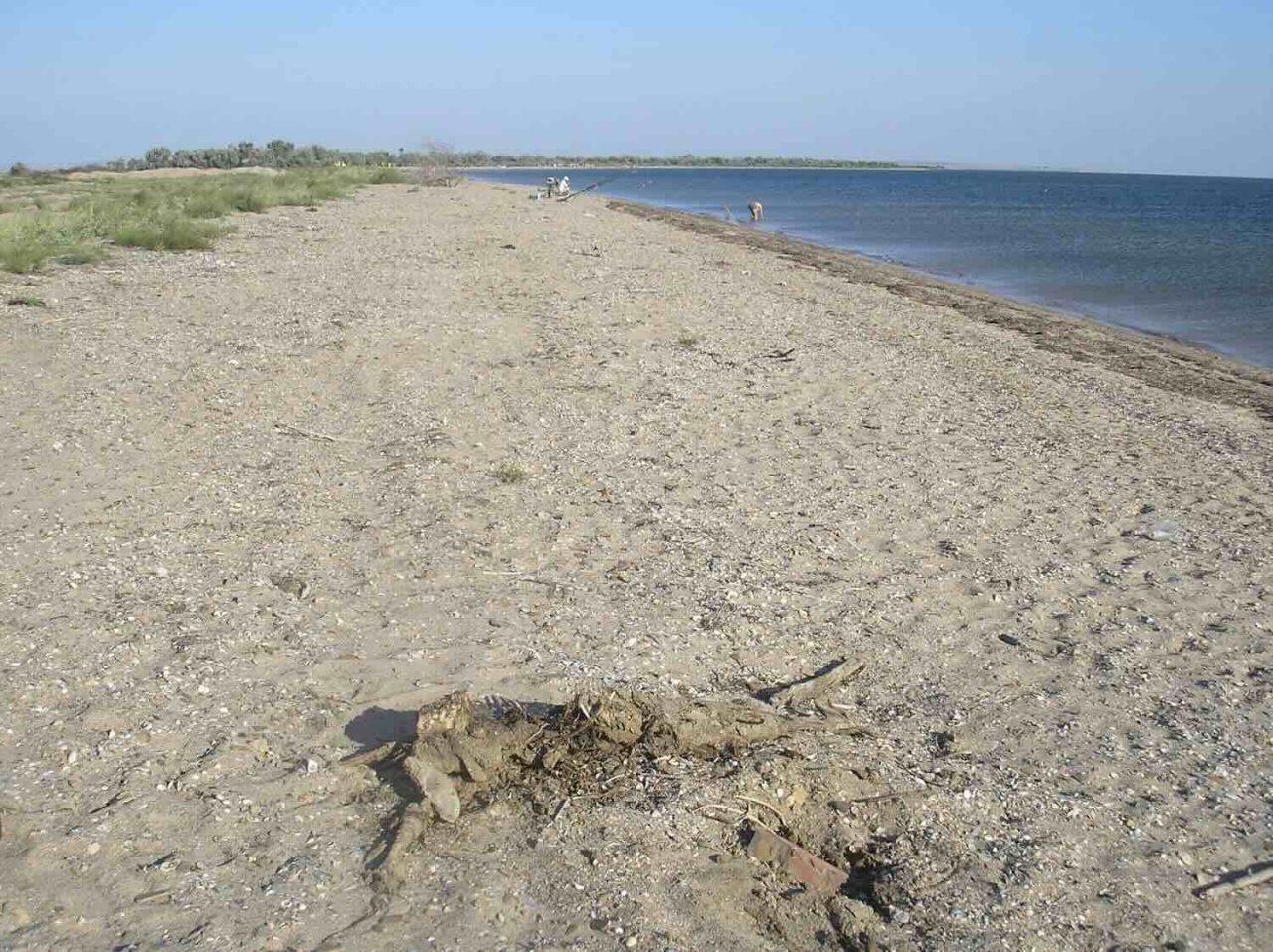
At least one other fish die-off was reported elsewhere in the Azov, and large numbers of other animals, including shellfish, dolphins, and birds, have also perished. Experts believe oil spills likely caused all this death. Still, without direct investigation, they can’t be certain. “Reports of mass fish and crab mortality should therefore be treated as serious warning signals, but not as fully diagnosed events,” say Tyshchenko, Tyshchenko, and Tarieiev.
Alongside the deaths of fish and crabs, reports have emerged of massive blooms of jellyfish in the Sea of Azov. Without in-person research, scientists are reluctant to confirm or deny these reports. Yet they say that “jellification” during war is certainly possible.
Salinity may be a factor in this apparent shift. The Azov is sensitive to changes, including reductions to the inflow of freshwater. Before the war, the freshwater reaching the sea was already reduced by human infrastructure like dams and reservoirs. Climate change has also made the region drier. Now, Tyshchenko, Tyshchenko, and Tarieiev note that Russia’s war of aggression has added another layer of stress by damaging regional freshwater infrastructure, including the Siverskyi Donets–Donbas Canal and the South Donbas water conduit, worsening the water crisis in the occupied coastal region.
Because less freshwater is flowing into the Sea of Azov, the water has become saltier, which could be helping jellyfish to take over. “Although the current state of pollution and salinity has proven unacceptable for many fish species, these conditions are quite comfortable for jellyfish,” says Litynska.
From sea to shore
War threatens the sea’s coastal life, too. In April, an oil spill that killed hundreds of seabirds appeared to come from a Russian shadow-fleet tanker in the Kerch Strait, between the Black and Azov Seas. The wetlands and the delicate, sandy spits that define the Azov’s coastline, providing essential habitat for wildlife including birds, are easily harmed by military actions.
“Shelling, fires, and mining are destroying unique coastal ecosystems,” says Litynska. Russian troops operating along the coast have overfished the sea, hunted local deer populations, and turned fragile ecosystems into training grounds, add Tyshchenko, Tyshchenko, and Tarieiev.
The people of Ukraine, too, are part of the coastal habitat, and suffer the damage. The Azov “was a classic ‘working sea,’” say Tyshchenko, Tyshchenko, and Tarieiev. “It supported fisheries, ports, transport, coastal infrastructure, recreation, tourism, local labour markets, and the traditional lifestyle of coastal communities.” When the full-scale war began, Ukraine lost nearly all of its annual fishing catch, they add.
As Russian occupation forced Ukrainian people to leave the area, a cultural maritime connection was cut off.
Certainly, the Sea of Azov wasn’t pristine before the war started. As on shorelines around the world, human activities and industry brought risks like pollution to the area long ago. Yet war has disrupted Ukraine’s longstanding relationship to this sea, including efforts to clean up, observe, and protect it for the future.
Now, the Azov goes mostly unobserved, without people on the ground tracking natural shifts or wartime harms. “There has been no monitoring of any kind for most of the sea for several years,” says Litynska. “Russian scientists are monitoring only in a few regions.”
“For science, it’s painful because it has been a unique basin, a unique lab for research for our understanding of environmental processes,” says Gol’din.
In the Azov, say Tyshchenko, Tyshchenko, and Tarieiev, “one of the most enduring consequences of occupation is not only physical damage to the sea, but also damage to science.”
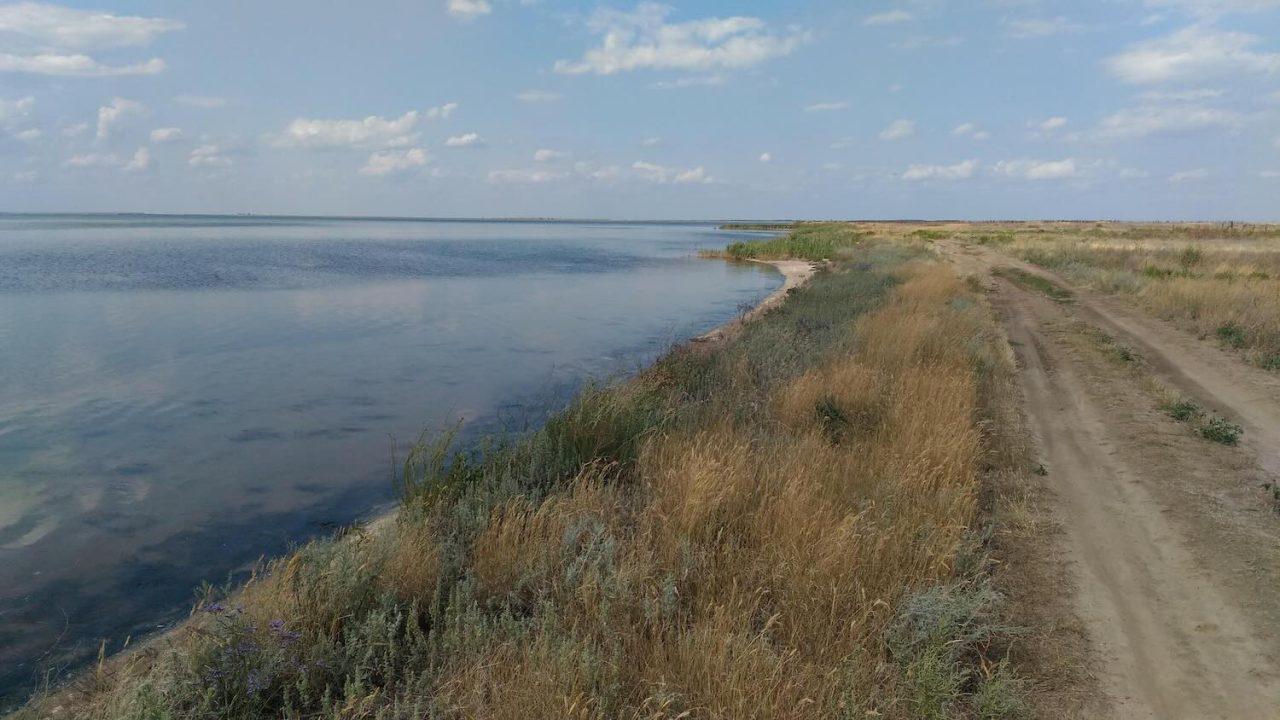
Please note: All photos of the area were taken before the full-scale invasion began on 24 February 2022. Since then, researchers have been unable to visit the site to study the sea first hand.
About Deep Sea Reporter: Our ambition is to examine and report on issues related to the sea and the life that exists beneath its surface. We operate in the public interest and are independent of political, commercial, and other interests in society.