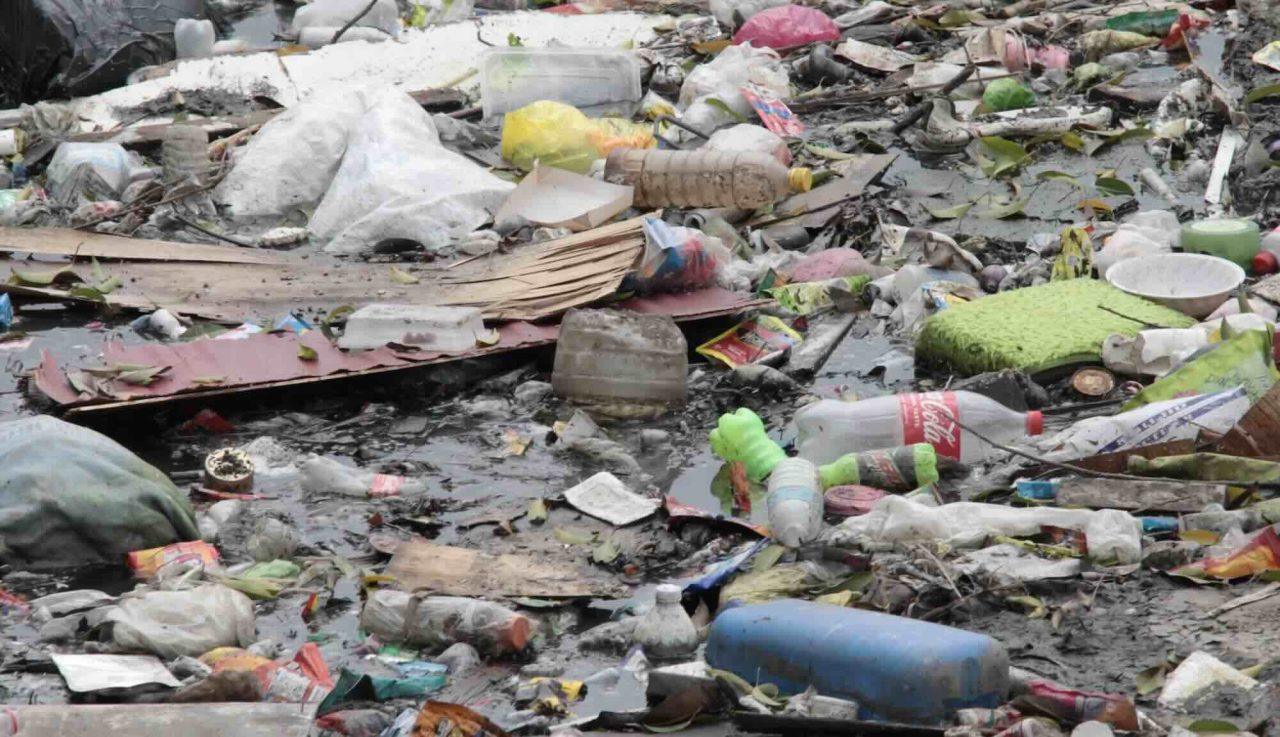
Ninety-nine percent of virgin plastic is made from chemicals sourced from fossil fuels, exceeding 400 million tons a year. That’s equivalent to about 350 large sports stadiums, filled to the top with plastic.
According to the Organisation for Economic Co-operation and Development (OECD), the plastics and petrochemical industries plan to triple plastics production by 2060.
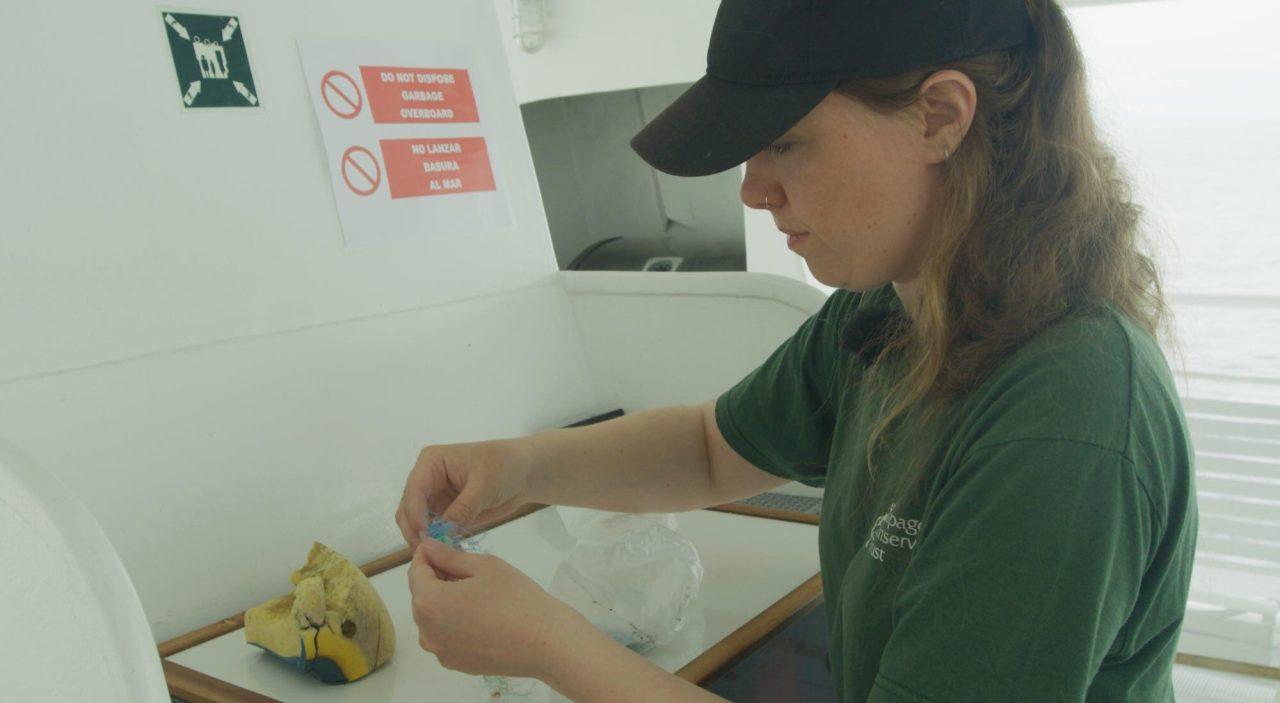
A large majority, around 80 percent, ends up in our oceans, waterways and landfills. Massachusetts Institute of Technology (MIT) student Jacqueline Prawira believes there are ways to enjoy the benefits of plastic without the negative impacts. While in high school in California, she invented an innovative way to do just that – using discarded fish waste.
About Deep Sea Reporter: Our ambition is to examine and report on issues related to the sea and the life that exists beneath its surface. We operate in the public interest and are independent of political, commercial, and other interests in society.