Island nation warns: ‘What affects us will affect everyone’
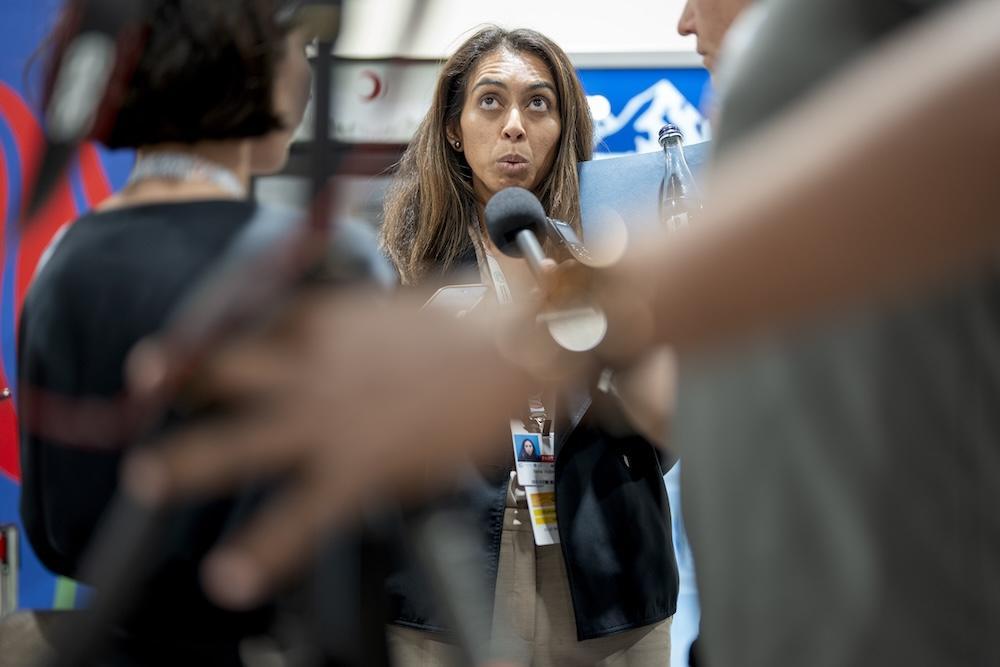
For the island nation of Palau, it is vital that the 1.5-degree temperature rise is only temporary. The country’s UN ambassador, Ilana Seid, is now hoping that the COP31 climate summit will deliver. “We are very much at the mercy of the elements,” she told TT.
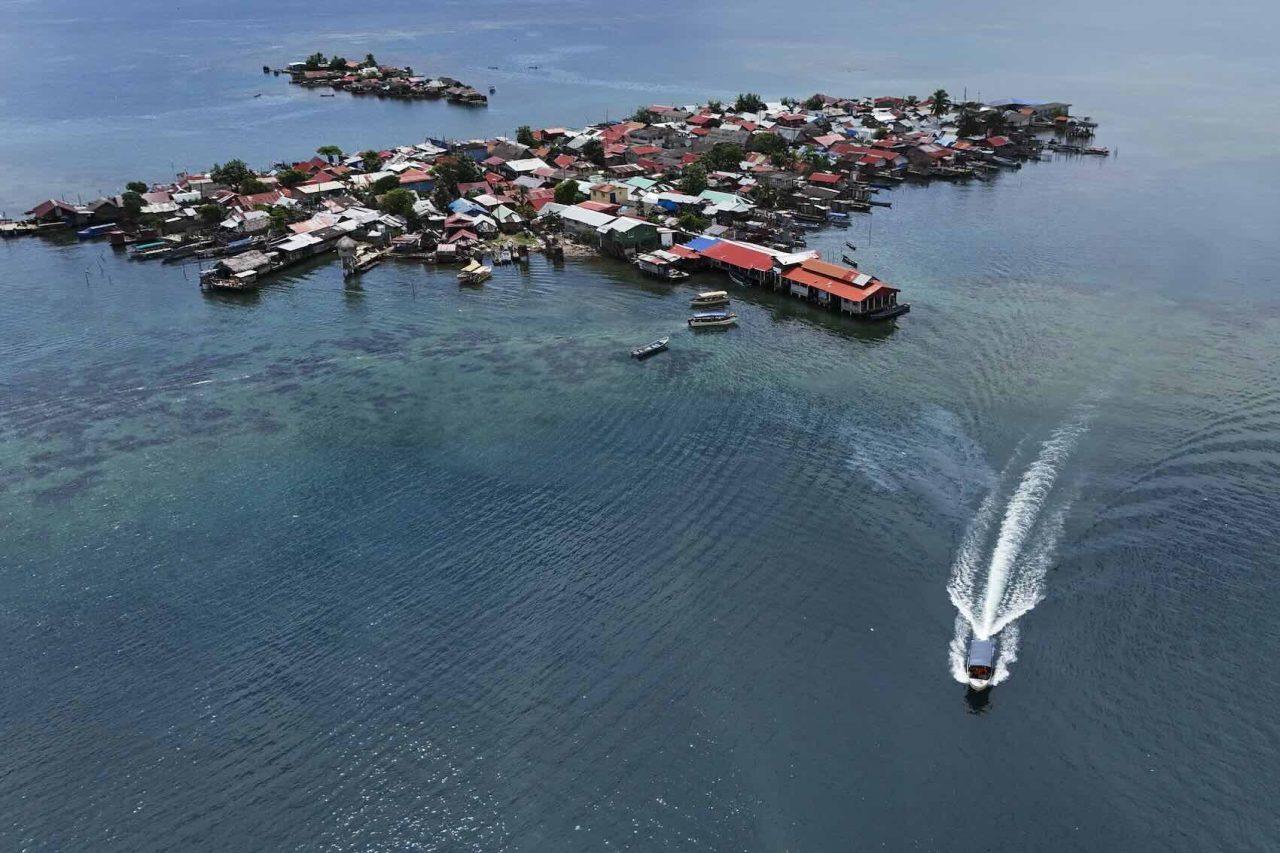
Palau is living with the effects of climate change. In 2012, the country was hit by its first super typhoon in 70 years. The respite was short-lived; the following year, another one struck.
Ilana Seid estimates that a fifth of the country’s infrastructure was destroyed, probably because people were not used to such storms.
‘Palau has traditionally been outside the typhoon belt.’ But that is no longer the case. The storms are increasing in number and in strength. We’re just recovering from one when the next one strikes,’ she says.
Calls for decisive action
She is now campaigning for the UN Climate Summit in Antalya, Turkey, to take action against global warming exceeding 1.5 degrees compared with pre-industrial levels. This is the level that the world’s nations agreed in the 2015 Paris Agreement to try to avoid, but which the UN concluded a few months ago is impossible to avoid. Seid wants to see decisive action – for fossil fuels to be phased out rapidly and for richer countries to pay so that poorer ones can protect themselves.
She is fairly satisfied with the host countries’ eclectic 144-point draft final document.
‘Some people called it a Christmas tree because it contains everyone’s ideas. But on the other hand, that means we can have productive discussions.’
Getting electric buses
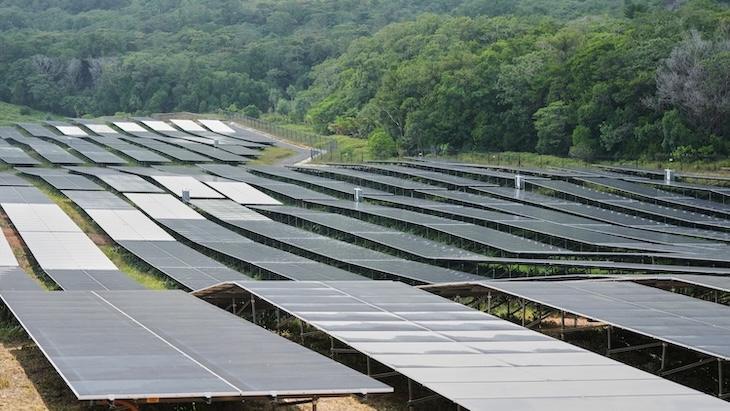
The documents set out a target to increase the share of renewable energy to 35 per cent by 2035, which Palau has endorsed. The archipelago has carried out a thorough review of its electricity grid to enable the installation of solar panels and battery storage.
‘As a result, we’ve just been able to install our first charging station, and this year we’ll be getting our first electric buses,’ she says.
In addition to vulnerability to storms and the dangers of rising sea levels, global warming is taking its toll on the ocean itself. The coral reefs that attract tourists are bleaching, and the fish are disappearing.
‘Our economy, our food, our culture – everything is being affected very significantly. And that is something we want to share with the world, because what is happening to Palau will soon affect everyone else,’ says Ilana Seid.
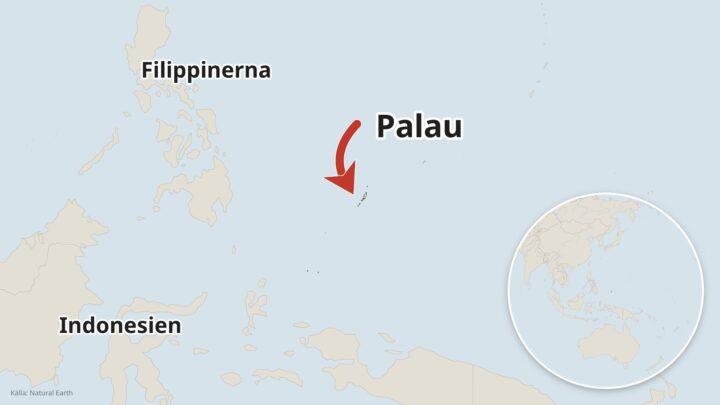
Map of Palau
The aim of the Paris Agreement is to limit global warming to well below 2 degrees, and preferably to 1.5 degrees, compared with pre-industrial levels.
This target has been set to mitigate the most devastating effects of climate change, which become worse for every tenth of a degree that the Earth warms.
At 1.5 degrees of warming, more intense storms and heatwaves are expected, along with an increased risk of mass coral die-off. At 2 degrees, a larger proportion of the population will be exposed to deadly extreme weather, and the likelihood of irreversible climate tipping points will increase.
The UN now describes 1.5 degrees as impossible to stay below, and many scientists believe the planet is heading for 2.5 degrees of warming.
Source: TT